Whether a Brittany Has a Soft Mouth
One common concern among bird dog owners, especially those new to the world of pointing breeds, is whether their dog will return game birds gently, or if they'll turn a beautifully pointed and retrieved bird into a mangled mess. For us Brittany folks, we often wonder, does our energetic, enthusiastic companion naturally possess what we call a "soft mouth"? It’s a valid question, because a bird dog that doesn’t treat game with care can be a real headache in the field, turning a successful hunt into a frustrating lesson in bird repair. This guide will dive deep into what a soft mouth truly means for a Brittany, why it's so important, and how we can encourage this vital trait in our beloved hunting partners.
The Art of the "Soft Mouth" in a Bird Dog
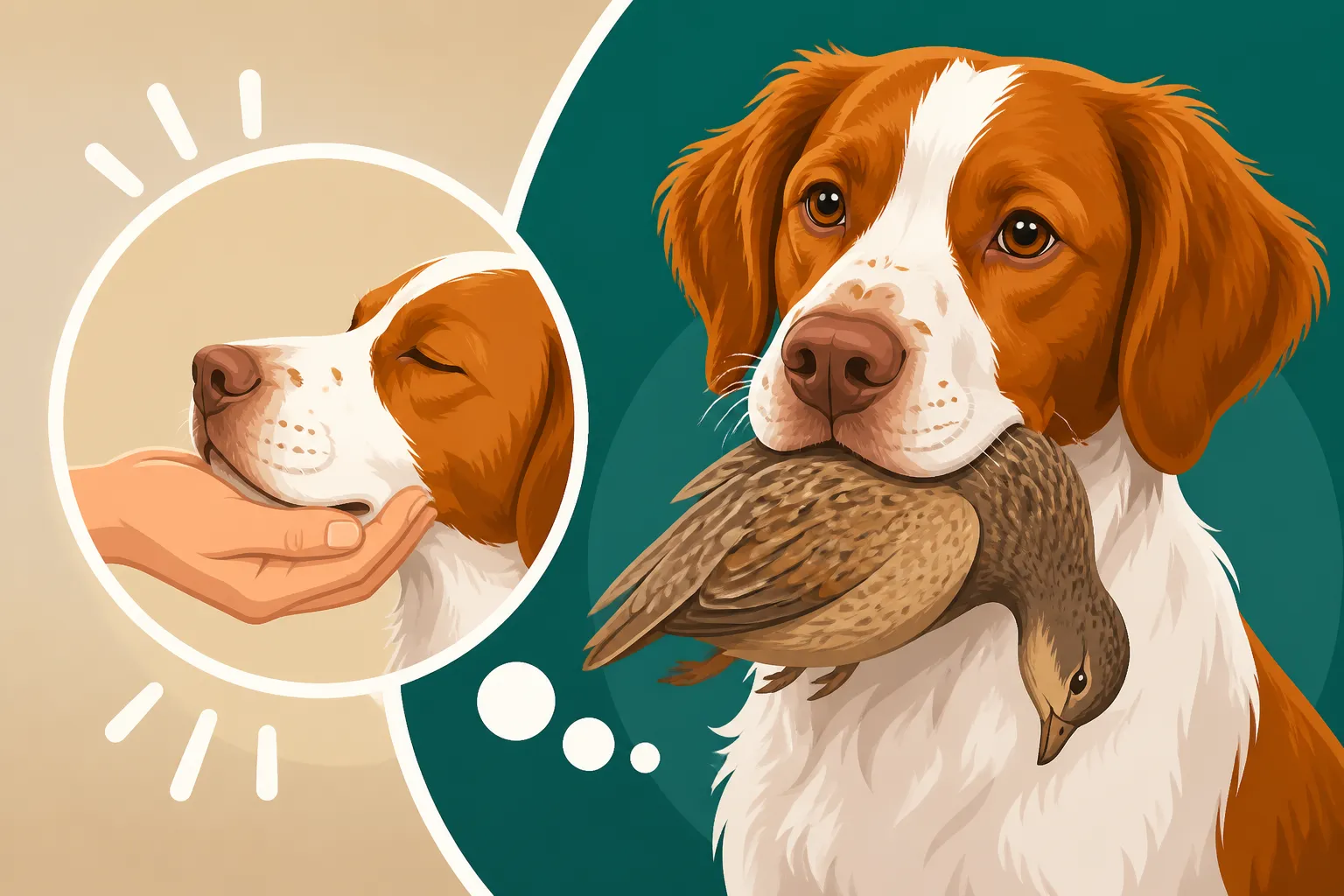
Before we talk about Brittanys specifically, let's nail down what "soft mouth" actually means in the context of a bird dog. It's more than just not biting hard; it's a comprehensive approach to handling retrieved game. A dog with a true soft mouth picks up a bird gently, carries it securely without mouthing, chewing, or crushing it, and delivers it intact to the handler. This isn't just about preserving the bird for the table; it's about respect for the game and the effort involved in the hunt.
Why a Soft Mouth is Paramount for a Hunter
Imagine this: your Brittany has performed a textbook point, a perfect flush, and then a stellar retrieve. The bird drops, your dog races out, snatches it up, and brings it back with a wagging tail. But when you take the bird, it's riddled with tooth marks, perhaps even a punctured crop or crushed ribs. Suddenly, that triumphant moment is tarnished. For hunters, preserving the integrity of the game bird is often a matter of pride and practicality. A bird meant for dinner won't be as appealing if it's been mangled, and a competition bird, whether for field trials or simply a bragging photo, needs to look its best.
Beyond aesthetics, a soft mouth ensures efficiency. You want your dog to retrieve quickly and deliver promptly, not spend precious seconds readjusting its grip or playing with the bird. It's a hallmark of a well-trained, considerate gun dog. Without it, you might find yourself actively discouraging retrieves, or worse, leaving birds in the field to avoid damage, which no hunter ever wants to do.
The Problem with a "Hard Mouth"
The opposite of a soft mouth is, predictably, a "hard mouth." This term refers to a dog that grips birds too tightly, chews on them, or otherwise causes damage during the retrieve. A hard mouth can manifest in several ways: a dog might chew out feathers, puncture the bird's skin, or even crush bones. This behavior often stems from excitement, anxiety, a lack of proper training, or sometimes even physical discomfort in the dog's mouth.
A hard mouth is not just a nuisance; it can become a serious problem that's difficult to correct once ingrained. It spoils game, frustrates handlers, and can even lead to a dog becoming "bird-sour," meaning they lose interest in retrieving because they've been corrected so often for their poor handling. It’s critical to address any signs of a hard mouth early on to prevent it from becoming a deeply entrenched habit.
The Brittany's Natural Inclination Towards a Soft Mouth
Now, let's talk about our beloved Brittanys. The good news is that Brittanys, as a breed, are generally known for their biddable nature and sensitivity, which often translates into a natural predisposition for a soft mouth. They are eager to please and, while energetic, are typically not heavy-handed in their retrieves compared to some other more powerful breeds.
Breed Temperament and Retrieving Style
Brittanys are not often considered hard-charging, aggressive dogs. Their temperament is generally described as keen, intelligent, and sensitive. This sensitivity, while requiring a gentle touch in overall training—you'll learn quickly How Sensitive a Brittany Is to Correction—also works in our favor when it comes to mouth manners. They tend to respond well to gentle guidance and positive reinforcement. They want to do well for their people, and that includes bringing back the prize without harm.
When it comes to retrieving style, a Brittany typically approaches a downed bird with enthusiasm but also a certain carefulness. They aren't typically "crunchers" by instinct. Their smaller muzzle and mouth structure, combined with their desire to please, makes them naturally inclined to pick up and carry rather than gnaw or mouth excessively. This is one of the many reasons why so many hunters find them such a pleasure to work with in the field.
Genetic Predisposition vs. Training
While Brittanys generally have a natural aptitude, it’s crucial to understand that a "soft mouth" is not purely genetic; it's also a product of early experiences and consistent training. A puppy might have the gentlest instincts, but without proper introduction to retrieving objects and positive reinforcement for gentle handling, even a well-bred Brittany can develop bad habits. Conversely, a dog that isn't naturally "soft" can often be trained to achieve an acceptable retrieve through dedicated work.
Think of it like a natural athlete: some people are born with incredible athletic ability, but they still need coaching and practice to excel. The Brittany often has that natural "athleticism" for a soft mouth, but they still need our guidance to refine it. This is why it's so important to start with the right approach from day one. You might find that Whether a Brittany Retrieves Naturally is often true, but how they retrieve still benefits from instruction.
Cultivating a Soft Mouth Through Thoughtful Training
Even with a natural inclination, training is absolutely key to ensuring your Brittany consistently uses a soft mouth. It's not about harsh corrections, but rather careful conditioning and positive reinforcement.
Early Introduction and Play
The foundation for a soft mouth begins early, often during puppyhood. Start with soft, appealing objects that won't encourage hard chewing. Fabric toys, soft bumpers, or even rolled-up socks are excellent choices. Make retrieving a fun, positive game. When your puppy brings an item back, praise them immediately and gently take the object. Avoid tug-of-war games that encourage a strong, sometimes destructive, grip. The goal is to make the act of delivering the item to you the most rewarding part.
As they grow, gradually introduce different textures, always ensuring the experience is positive. When you move to training birds, use frozen birds or dummies that are less likely to be damaged by an experimental puppy mouth. The consistency of positive reinforcement for gentle handling is what builds the habit.
Force Fetch: A Controversial but Effective Tool
For some Brittanys, or for owners who demand absolute reliability and a "finished" retrieve, force fetch might be considered. This isn't about physical force, but a systematic method to teach the dog to pick up, hold, and deliver any object on command, regardless of its desire to do so. It instills reliability and can often correct a dog that is inclined to mouth or drop birds. However, due to the Brittany's sensitive nature, this method must be approached with extreme care, patience, and ideally, under the guidance of an experienced trainer. A mishandled force fetch can easily create a dog that is reluctant to retrieve or even gun-shy if too much pressure is applied. Whether a Brittany Needs Force Fetch is a decision best made after careful consideration of your dog's temperament and your training goals. If you choose this path, prioritize positive experiences and maintain short, engaging sessions, keeping in mind How Long a Brittany's Training Session Should Be.
Many trainers today advocate for a "trained retrieve" or "positive retrieve" rather than traditional force fetch, especially for softer breeds like the Brittany. These methods use positive reinforcement and shaping to build the desired behavior without the aversive elements sometimes associated with force fetch. Programs like those offered by BAXTER & Bella often focus on these positive, step-by-step approaches that build confidence and a willing retrieve, which can be ideal for a Brittany's sensitive disposition.
Consistency and Gentle Corrections
Consistency is paramount. Every retrieve, whether in the yard, during practice, or in the field, should reinforce the soft mouth. If your dog starts to mouth a bird, a calm, firm "No," or a gentle tug on the collar with an immediate "Give" command, followed by praise for releasing, can be effective. Never resort to hitting or harsh verbal reprimands, especially with a Brittany. Their sensitive nature means such corrections can easily backfire, making them fearful of retrieving or even of you.
When you do take the bird from your Brittany, do so smoothly and efficiently. Don't engage in a prolonged battle for the bird. The moment they deliver it to your hand, release them with praise. This teaches them that delivery is the final, rewarding step. This consistent reinforcement of proper handling, coupled with a solid "Whoa" command to ensure they are steady until sent, contributes to a well-behaved retriever. Teaching a Brittany Whoa is just as important as the retrieve itself.
Addressing a Developing "Hard Mouth"
What if you start to notice your Brittany developing a hard mouth? It can happen, even with the best intentions. Recognizing the signs early and intervening effectively is crucial.
Identifying the Early Warning Signs
A hard mouth doesn't usually appear overnight. There are often subtle signs that escalate over time. Keep an eye out for:
- Excessive mouthing or chewing on retrieved items: This might start with toys and then transfer to birds.
- Reluctance to release the bird: The dog holds onto the bird, perhaps playing with it or trying to run off.
- Feather damage: Even slight feather disarray can be an early indicator.
- Punctures or bruising: More severe signs that the dog is gripping too hard.
If you observe any of these, don't ignore them. Early intervention is always more effective than trying to correct a deeply ingrained habit. Remember that a stressed or over-excited dog is more likely to mouth. Ensure your training sessions are calm and positive, and your dog is not overly tired or frustrated.
Remedial Training Techniques
If a hard mouth is developing, a systematic approach is needed. First, revert to basics: use soft, appealing training dummies, and make retrieving a fun, no-pressure activity again. Focus heavily on praise for gentle holds and quick deliveries.
One common technique is the "pressure-and-release" method, often done with a slip lead or E-collar (used very carefully and minimally). The dog is given an object, and if they start to mouth it, very light pressure is applied until they stop, then the pressure is immediately released. This teaches them that gentle holding alleviates the pressure. Again, for a Brittany, this must be done with an incredibly light hand, as What a Brittany Does When It Is Corrected Too Hard can be counterproductive. Seeking guidance from a professional gun dog trainer can be invaluable here, especially if you're unsure how to apply these techniques gently. You can find many useful training tools and resources on platforms like Amazon, including various types of dummies and training leads.
When to Seek Professional Help
Sometimes, despite your best efforts, a hard mouth can be persistent. This is where a professional gun dog trainer, one experienced with sensitive breeds like Brittanys, can be a game-changer. They have the expertise to diagnose the root cause of the hard mouth and implement tailored training plans. They can teach you how to use tools correctly, observe your dog's subtle cues, and structure training sessions for success. Trying to "fix" a hard mouth on your own with incorrect methods can actually worsen the problem, potentially making your dog fearful of retrieving altogether. Remember, the goal is always to have a willing, effective retriever who loves their job, and a good trainer can help you achieve that.
| Trait / Behavior | Naturally Soft-Mouth Brittany | Hard-Mouth Brittany |
|---|---|---|
| Pickup | Gentle, confident grasp of the bird. | Grabs roughly, readjusts grip repeatedly, or mouths. |
| Carry | Secure, steady hold with minimal chewing or pressure. | Chews, clamps down, punctures, or drops and re-grips. |
| Delivery | Brings bird directly to hand, releases willingly. | Reluctant to give up the bird, plays with it, or drops it away. |
| Response to Correction | Responds well to gentle verbal cues or slight pressure. | May become anxious, more frantic, or shut down with harsh words. |
| Early Training | Easily learns gentle handling with positive reinforcement. | Needs meticulous attention to gentle handling from day one. |
| Impact on Bird | Bird remains pristine, suitable for table or competition. | Bird often damaged, with tooth marks, punctures, or crushed areas. |
Disclaimer
This article is for general informational purposes only and does not constitute professional advice. Laws, prices and regulations vary by location and change over time. Consult a qualified professional for guidance on your specific situation.