Whether a Brittany Needs a Neoprene Vest for Water
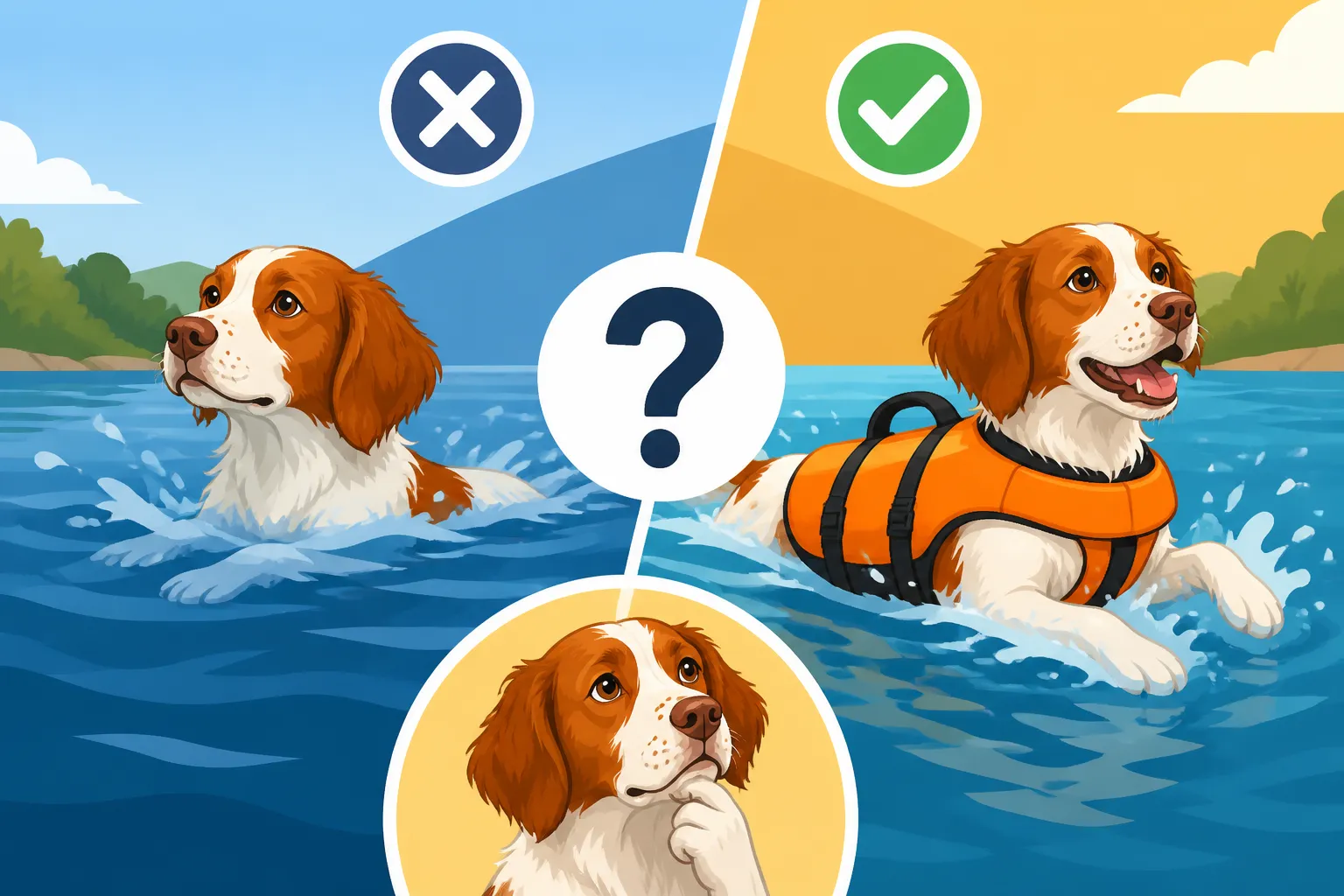
There's nothing quite like the sight of a Brittany bursting into the water, driven by that undeniable bird dog instinct, whether it's for a retrieve or simply to cool off on a warm day. But if you're like many Brittany owners, you've probably watched with a twinge of concern as your dog emerges, shivering, especially when the air or water temperature isn't exactly balmy. That shivering isn't just cute; it's your dog telling you they're losing body heat, and it raises a critical question: does your adventurous Brittany need a neoprene vest for those water excursions? This guide dives deep into the factors that determine if a neoprene vest is a necessity for your canine companion, helping you keep them safe, comfortable, and ready for their next adventure.
The Brittany's Natural Defense Against the Cold
Brittanys are hardy dogs, bred for the field, and their coats offer a fair degree of natural protection. But even a well-built Brittany has its limits when it comes to cold water exposure. Understanding these natural defenses and their boundaries is the first step in deciding if a neoprene vest is right for your dog.
The Brittany's Coat: More Than Just Pretty Feathering
Your Brittany's coat, while not as thick or dense as, say, a Newfoundland's, is surprisingly functional. It's typically a medium-length coat that can be flat or slightly wavy, often with a finer undercoat that provides some insulation. This combination helps to repel water to a certain extent, preventing it from soaking straight down to the skin immediately. Think of it like a natural barrier that helps shed some of the moisture, especially during brief dips. You might notice how water beads up on their coat initially. This natural oiliness and texture mean that for a quick splash in a lukewarm pond on a sunny day, your Brittany probably feels just fine. Their coat can handle a short swim and dry out fairly quickly in warm, dry air. To learn more about their unique coat, check out Whether a Brittany's Coat Repels Water.
However, this natural defense has its limits. If the water is truly cold, or if your Brittany spends an extended period retrieving in and out of the water, that insulating undercoat can become saturated. Once wet and cold, it loses its ability to trap air and provide warmth, turning from an asset into a liability. The longer they're wet in cold conditions, the faster their core body temperature can drop, leading to shivering and, in more severe cases, hypothermia. Even a robust Brittany can start to feel the chill. Whether a Brittany Feels the Cold is a common concern for owners.
How Activity and Body Condition Play a Role
A Brittany's activity level and overall body condition also significantly impact their ability to withstand cold water. A young, fit Brittany vigorously retrieving birds in a brisk stream generates a lot of internal heat through muscle exertion. This internal furnace helps offset some of the cold from the water. They're moving, they're working, and that keeps their metabolism high and their blood circulating, distributing warmth throughout their body.
On the flip side, an older Brittany, perhaps one with a few more pounds than their prime hunting weight, or a dog simply standing in cold water without much movement, will lose heat much faster. An aging Brittany's metabolism might not be as efficient, and their muscle mass might be reduced, meaning they generate less internal heat. Similarly, a dog that is underweight or ill will struggle much more in cold conditions. Even an active dog will eventually succumb to heat loss if the exposure is prolonged or the conditions are severe enough. Just as you fuel a working Brittany for optimal performance in the field (perhaps with a high-quality performance food like those found on Ollie), their physical condition and nutrition contribute to their ability to manage cold.
When a Neoprene Vest Becomes a Must-Have
While your Brittany is a tough cookie, there are definite scenarios where a neoprene vest isn't just a nice-to-have item, but a crucial piece of gear for their safety and comfort. Ignoring these situations can lead to discomfort, decreased performance, and potentially serious health issues.
Cold Water Temperatures and Prolonged Exposure
This is the big one. If the water is genuinely cold – think icy ponds in late fall, chilly rivers in early spring, or any water where you wouldn't want to wade for long without protection – a neoprene vest becomes essential. Cold water rapidly draws heat away from a dog's body, often much faster than cold air. Even if the air temperature feels mild, cold water can quickly lead to a dangerously low body temperature. A vest provides a layer of insulation that traps a thin layer of water against the dog's skin, which is then warmed by their body heat, creating a thermal barrier.
Consider a typical scenario: you're hunting ducks or geese in October or November. Your Brittany is making multiple retrieves from a cold marsh. Each time they enter the water, their body temperature starts to drop. Without a vest, they'll spend precious energy trying to warm themselves up, energy that should be going into finding and retrieving birds. After a few retrieves, you'll likely notice your Brittany Whether a Brittany Shivers After a Retrieve, and that's a clear sign their core temperature is dropping. Prolonged exposure can lead to hypothermia, which is a serious medical emergency.
Hunting in Inclement Weather
Water isn't the only factor; the weather surrounding the water matters just as much. Imagine a brisk, windy day with rain or sleet. Your Brittany is retrieving from a stream, and then standing on the bank, wet and exposed to the biting wind. The wind chill factor dramatically increases the rate of heat loss. That combination of cold water and harsh wind is a recipe for disaster. A neoprene vest helps not only in the water but also by providing a windbreak once your dog is out of the water, preventing evaporative cooling from stripping away their body heat even faster.
Even if it's not raining, a heavily overcast day means less sun to help warm them up naturally. These are the days when a vest is a non-negotiable part of your gear. It's about protecting your dog from the cumulative effect of cold, wet, and windy conditions that can quickly turn an enjoyable hunt into a dangerous ordeal.
Thin-Coated or Older Brittanys
Not all Brittanys are created equal when it comes to coat thickness. Some lines might have a slightly thinner coat, or individual dogs might simply lack the robust undercoat that provides superior insulation. These dogs are more susceptible to cold and will benefit greatly from the added warmth of a neoprene vest, even in conditions where a thicker-coated Brittany might manage without one.
Similarly, older Brittanys, even those who were once ironclad in cold water, often lose some of their natural resilience. Their circulation might not be as efficient, their muscle mass might have decreased, and their ability to regulate body temperature can diminish with age. For Caring for an Old Brittany, providing a neoprene vest for any water work is a thoughtful and necessary consideration. It allows them to continue enjoying water activities safely, without putting undue strain on their aging systems. Even if your older dog isn't hunting, but just enjoys a dip in the lake, a vest can make a big difference in their comfort and well-being.
| Condition | Neoprene Vest Recommended? | Why? |
|---|---|---|
| Quick dip in warm lake, sunny day | No, generally | Natural coat usually sufficient, quick dry. |
| Multiple retrieves in cold marsh (e.g., duck hunting) | Yes, highly | Prevents rapid heat loss, reduces risk of hypothermia. |
| Prolonged swimming in cool river | Yes, strongly | Sustained exposure overwhelms natural insulation. |
| Rainy, windy day, water retrieval | Yes, essential | Wind chill and evaporative cooling accelerate heat loss. |
| Older Brittany, moderate water temp | Yes, often | Reduced metabolic rate, decreased muscle mass, lower heat regulation. |
| Brittany with naturally thin coat, cool water | Yes, often | Less natural insulation, higher susceptibility to cold. |
| Short water crossing on a mild day | Optional, but still good | Provides peace of mind, minimal burden. |
Choosing the Right Neoprene Vest for Your Brittany
If you've decided a neoprene vest is a smart investment for your Brittany, the next step is choosing the right one. It's not a one-size-fits-all situation, and paying attention to specific features will ensure comfort, safety, and durability. You'll find a wide variety of options available from retailers like Chewy.
Fit and Sizing: The Most Crucial Factor
A neoprene vest can only do its job if it fits properly. A vest that's too loose will allow cold water to flush in and out constantly, negating the insulating effect. It can also chafe or shift during activity, causing discomfort or even hindering your dog's movement. A vest that's too tight, on the other hand, can restrict movement, make breathing difficult, or cause chafing, especially around the legs and chest.
When trying on a vest, you should be able to comfortably slide two fingers under the straps. It should be snug, but not constricting. Pay close attention to the chest and belly areas, as Brittanys have a deep chest that tapers to a leaner abdomen. Many vests come with adjustable straps to accommodate this. Measure your Brittany carefully according to the manufacturer's guidelines, paying attention to chest girth, neck circumference, and back length. Remember, a poorly fitting vest is almost as bad as no vest at all.
Thickness and Insulation: Finding the Right Balance
Neoprene vests come in various thicknesses, typically measured in millimeters (mm). Common thicknesses range from 3mm to 5mm. A thicker vest provides more insulation, which is great for truly frigid conditions. However, a thicker vest can also be bulkier and potentially restrict movement slightly, especially for a dog like a Brittany that needs to be agile in the field.
For most Brittanys engaging in cold water retrieves, a 3mm vest is often a good starting point, offering a good balance of warmth and flexibility. If you're consistently hunting in extreme cold, or your dog is particularly sensitive to the cold, a 5mm might be more appropriate. Consider the typical conditions your dog will face. Will they be in icy water for extended periods, or just making quick dips into cool water? This will help you decide on the ideal thickness.
Durability and Visibility Features
Field conditions are tough, and a vest needs to stand up to brambles, burrs, and rough terrain. Look for vests made from high-quality, durable neoprene that can resist punctures and tears. Reinforced stitching is also a good indicator of quality and longevity. Nobody wants a vest that falls apart after a few hunts.
Visibility is another critical feature, especially if you're hunting in low light, heavy cover, or around other hunters. Many vests come in bright, high-visibility colors like orange or yellow. This isn't just for your peace of mind; it's a safety feature that helps you keep track of your dog and makes them more visible to others in the field. Some vests even include reflective strips for added visibility in very dim conditions. This is an important consideration for any The Gear a Brittany Needs Before Its First Bird and beyond.
Beyond the Vest: Comprehensive Cold Water Safety for Brittanys
While a neoprene vest is a fantastic tool, it's just one piece of the puzzle when it comes to keeping your Brittany safe and healthy during cold water activities. A holistic approach to cold weather care will ensure your dog thrives throughout the season.
Pre-Hunt Conditioning and Nutrition
A healthy, well-conditioned Brittany is better equipped to handle cold stress. Before the season starts, ensure your dog is in peak physical condition. This means regular exercise that builds stamina and muscle mass, not just weekend warrior sprints. A fit dog generates more body heat and has better circulation.
Nutrition also plays a vital role. Working dogs burn a tremendous amount of calories, especially in cold weather, to maintain their body temperature and fuel their activity. During hunting season, your Brittany might need more food than usual, and potentially a higher-calorie, performance-oriented diet. How Much More a Brittany Eats in Hunting Season is a common question, and feeding a diet rich in healthy fats and proteins can provide the necessary energy to keep their internal furnace burning efficiently. Brands like Ollie offer nutrient-dense options that can support a working dog's needs.
Post-Water Care and Warm-Up Strategies
What happens after your Brittany comes out of the water is just as important as what happens while they're in it. As soon as your dog finishes their water work, especially in cold conditions, start the warm-up process.
- Towel Dry Thoroughly: Even with a vest, their head, legs, and exposed areas will be wet. Vigorously towel dry your dog, paying special attention to their ears and feet. You don't want cold, damp ears to become a breeding ground for infection, which can happen with How Often a Brittany's Ears Should Be Checked.
- Remove Wet Vest: As soon as possible, remove the wet neoprene vest. While it insulated them in the water, a wet vest can contribute to cooling once out of the water, especially if they are no longer active.
- Provide Warmth: Get your dog into a warm, dry environment. This could be a heated dog box in your truck, a warm kennel, or back inside your vehicle. A warm blanket or a dry coat can also help.
- Hydration: Offer fresh, unfrozen water. While it seems counterintuitive, proper hydration is crucial for overall health and helps with metabolic processes that generate heat. How Much Water a Brittany Needs on a Hunt is a good read on this topic.
- Check for Injuries: Always perform a thorough check after any outing, especially those involving water and cold. Look for cuts, scrapes, burrs, or anything else that might have gotten into their paws, ears, or coat. Refer to What to Check on a Brittany After Every Outing for a comprehensive guide.
Recognizing and Preventing Hypothermia
Hypothermia is a serious risk for any dog exposed to cold water or weather for too long. Knowing the signs is crucial for prompt intervention.
Signs of Hypothermia:
- Mild: Persistent shivering, cold to the touch (especially ears and paws), lethargy, weakness.
- Moderate: Muscle stiffness, stumbling, disorientation, slowed breathing and heart rate, dilated pupils.
- Severe: Unconsciousness, rigid muscles, very slow or absent breathing, coma.
If you suspect your Brittany is experiencing hypothermia, immediate action is needed. Get them into a warm, dry place, wrap them in blankets, and if possible, use warm (not hot) water bottles wrapped in towels against their body. Offer warm broth or water if they can drink. Always contact your veterinarian immediately. Prevention is always the best approach, and a neoprene vest is a key preventative measure. The costs associated with treating hypothermia or other cold-related illnesses can be significant, so having pet insurance, such as through a provider like Healthy Paws, can provide financial relief if an emergency arises.
By considering these factors and making informed choices about gear, nutrition, and post-hunt care, you can ensure your Brittany stays happy, healthy, and ready to dive into whatever challenges the field (or the lake) throws their way.
Disclaimer
This article is for general informational purposes only and does not constitute professional advice. Laws, prices and regulations vary by location and change over time. Consult a qualified professional for guidance on your specific situation.