What a Full Brittany Health Panel Costs
One of the most pressing concerns for any aspiring Brittany owner, beyond the initial purchase price, is the long-term commitment to their dog's health. You dream of a loyal hunting companion, a vibrant family member, but the reality is that ensuring a healthy life comes with its own set of financial considerations. Understanding what a "full health panel" entails and what it might cost is crucial for preparing for the journey ahead with your beloved Brittany. This guide will walk you through the typical health screenings recommended for the breed, why they're so important, and the factors that influence the overall expenditure.
The Indispensable Value of Health Screening for Brittanys
Bringing a Brittany into your home is an investment of time, love, and resources. While these dogs are generally robust and full of vitality, like all breeds, they have predispositions to certain genetic and hereditary conditions. A "full health panel" isn't just a fancy term; it's a proactive measure, a commitment to giving your Brittany the best possible start and a long, healthy life. It offers invaluable peace of mind for owners and is a hallmark of responsible breeding practices.
Why Early Detection Matters
Imagine welcoming a lively, enthusiastic Brittany puppy into your life, only to face a devastating diagnosis years later that could have been identified or mitigated earlier. This is the core reason why health screenings are so vital. Early detection of potential issues means you can often intervene sooner, manage conditions more effectively, and in some cases, even prevent their full onset. For conditions like hip dysplasia, understanding a dog's genetic predisposition can inform lifestyle choices, such as appropriate exercise levels and nutrition, from a young age. It helps you tailor your dog's care to their specific needs, rather than reacting to a crisis down the line.
Moreover, for breeders, health screening is paramount. It allows them to make informed decisions about breeding pairs, working towards reducing the incidence of hereditary diseases in future generations. This diligent approach benefits the entire breed, helping to maintain the Brittany's reputation as a healthy and athletic companion.
Understanding Breed-Specific Health Concerns
Every breed has its unique genetic quirks, and the Brittany is no exception. While they are known for their athleticism and vigor, several conditions warrant specific attention during health screening. These include orthopedic issues like hip and elbow dysplasia, certain eye conditions, thyroid imbalances, and a specific immune deficiency.
For instance, How Common Hip Dysplasia Is in Brittany Spaniels is a significant concern, given their active lifestyle. Knowing the status of a dog's hips can guide owners in preventing undue stress on joints, which might mean adjusting intense field work or opting for joint supplements available from retailers like Chewy. Similarly, knowing about potential eye issues through a yearly certification can safeguard your dog's vision. These breed-specific predispositions are why a targeted health panel is far more effective than a generic check-up. It's about being informed and prepared for what your particular companion might face.
Components of a Comprehensive Brittany Health Panel
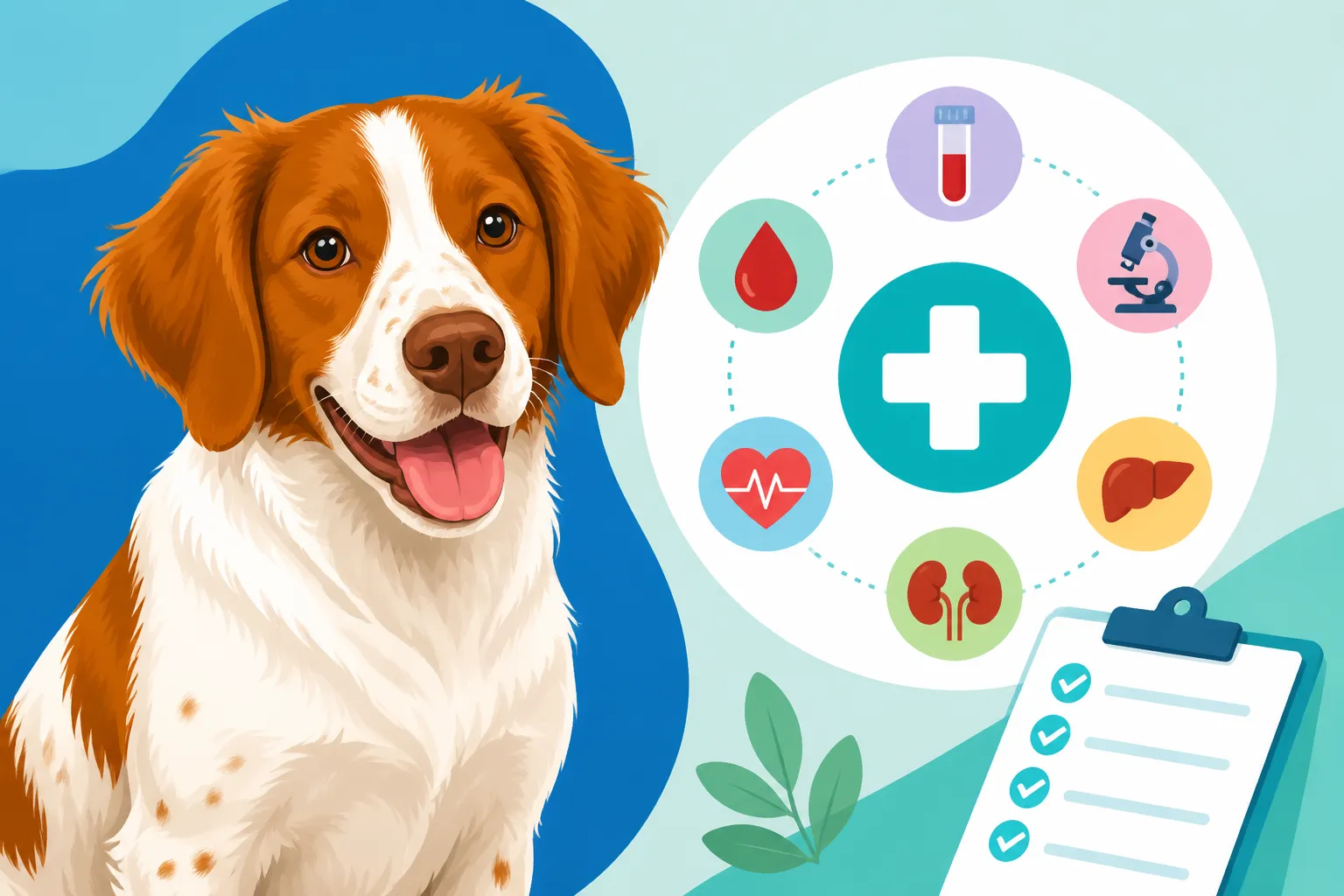
When we talk about a "full Brittany health panel," we're really discussing a collection of tests designed to identify the most common hereditary and genetic conditions affecting the breed. These tests go beyond a standard veterinary check-up, delving deeper into skeletal, ocular, immunological, and endocrine health.
Orthopedic Screenings: Hips and Elbows
For a breed as active and agile as the Brittany, orthopedic health is paramount. Hip and elbow dysplasia are conditions where the joints don't form correctly, leading to arthritis, pain, and lameness. These screenings are usually done once a dog reaches a certain age, often two years old, to ensure skeletal maturity.
The most common method involves radiographs (X-rays) of the hips and sometimes the elbows, which are then evaluated by veterinary orthopedic specialists. The Orthopedic Foundation for Animals (OFA) and the PennHIP method are two widely recognized programs. OFA provides a single evaluation for dogs two years or older, grading hips from excellent to dysplastic. PennHIP, on the other hand, can be done earlier, sometimes as young as 16 weeks, and provides a quantitative measure of hip laxity, offering insight into the likelihood of developing hip dysplasia. These X-rays often require the dog to be sedated or anesthetized to ensure proper positioning, which adds to the cost but is crucial for accurate results. It's not uncommon for a responsible breeder to have these certifications for the parent dogs, and asking about When a Brittany's Hips Should Be X Rayed is a smart move for any prospective owner.
Ocular Health: Eye Examinations
A Brittany's sharp eyesight is fundamental for its work in the field. Therefore, regular eye examinations are an integral part of a comprehensive health panel. These typically involve an examination by a board-certified veterinary ophthalmologist. The main certification body, formerly known as CERF and now largely handled by the OFA Eye Certification Registry, screens for a range of inherited eye diseases.
Conditions like progressive retinal atrophy, cataracts, and Retinal Dysplasia in a Brittany Spaniel can impact vision, sometimes leading to blindness. These exams are often recommended annually for breeding dogs and periodically for pets. The ophthalmologist will conduct a thorough examination of the eyes, often dilating the pupils to get a clear view of the retina. While some conditions might not appear until later in life, early detection can allow for monitoring or management, and certainly informs breeding decisions. This is why it's worth asking Whether a Brittany Needs a Yearly Eye Exam.
Genetic Disease Screening: C3 Deficiency
The Brittany breed has a unique genetic predisposition to a condition known as C3 deficiency. This is an inherited immune system disorder that makes affected dogs more susceptible to recurrent bacterial infections. It's a serious condition that can severely impact a dog's quality of life and lifespan.
Thankfully, there is a DNA test available to identify carriers and affected dogs. Whether a DNA Test for Brittany C3 Deficiency Exists is a crucial question for breeders and owners alike. This test involves a simple cheek swab or blood sample, which is then sent to a specialized laboratory for analysis. Understanding if a Brittany is clear, a carrier, or affected by C3 deficiency is vital for making responsible breeding decisions and for providing appropriate veterinary care for affected dogs. What C3 Deficiency Does to a Brittany can be quite severe, making this genetic test non-negotiable for a truly comprehensive health panel.
Endocrine and Other Screenings: Thyroid and Cardiac
Beyond the more common orthopedic and genetic tests, a full health panel often includes screening for endocrine disorders, particularly hypothyroidism, and a basic cardiac evaluation.
Hypothyroidism, a condition where the thyroid gland doesn't produce enough hormones, can lead to a range of symptoms including weight gain, lethargy, skin problems, and a dull coat. Signs a Brittany's Thyroid Is Low are subtle and can easily be overlooked. A thyroid panel involves a blood test to measure hormone levels and is generally recommended as part of a comprehensive annual check-up, especially for breeding dogs.
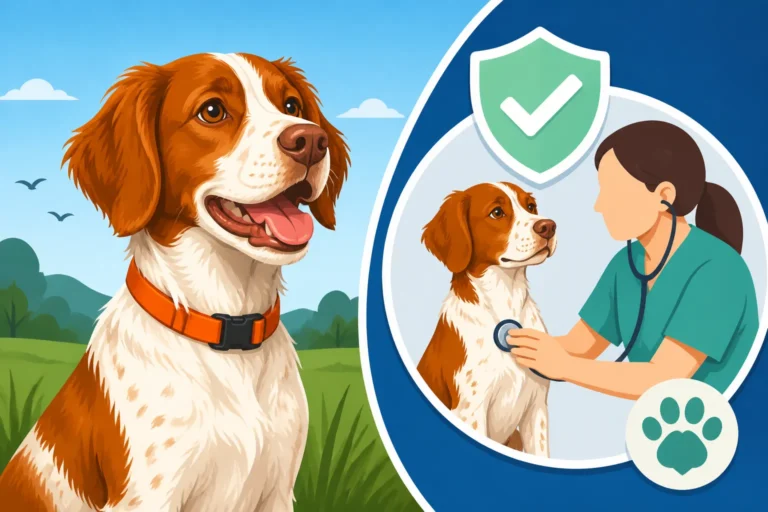
A basic cardiac screening usually involves a veterinarian listening to the dog's heart with a stethoscope to detect any murmurs or irregular rhythms. While Brittanys are not as prone to serious congenital heart diseases as some other breeds, this initial screening can flag potential issues that might warrant further investigation, such as an echocardiogram performed by a veterinary cardiologist. These screenings are important for ensuring the overall health and well-being of your active companion.
Here’s a summary of common health panel components:
| Test Category | Specific Test (Examples) | Purpose | Typical Timing |
|---|---|---|---|
| Orthopedic | OFA Hip Evaluation | Assess hip joint conformation and presence of dysplasia | 24 months and older |
| PennHIP Evaluation | Measure hip laxity, predict risk of hip dysplasia | As early as 16 weeks | |
| OFA Elbow Evaluation | Assess elbow joint conformation and presence of dysplasia | 24 months and older | |
| Ocular | OFA Eye Certification (CAER) | Screen for inherited eye diseases (e.g., PRA, cataracts, retinal dysplasia) | Annually for breeding dogs |
| Genetic | C3 Deficiency DNA Test | Identify carriers and affected dogs for immune system disorder | Any age (once in lifetime) |
| Endocrine | Thyroid Panel (T4, TSH) | Screen for hypothyroidism | Annually, especially for breeders |
| Cardiac | Veterinary Auscultation | Initial screening for heart murmurs or arrhythmias | Annually |
Factors Influencing the Cost of a Brittany Health Panel
The phrase "full health panel" can be misleading because the actual cost isn't a fixed price tag. It's a spectrum, influenced by a variety of factors that can make the bill swing from one end to the other. Understanding these variables can help you anticipate and budget for these essential expenses.
Veterinary Clinic Location and Type
Just like human healthcare, the cost of veterinary services varies significantly based on geographic location. A clinic in a bustling metropolitan area, say near Denver or Seattle, might charge considerably more for the same set of tests than one in a rural town in Kansas. This difference often reflects higher overheads, rent, and staff wages in urban centers.
Furthermore, the type of clinic plays a role. A general practice veterinary office will handle many of these screenings, but for specialized evaluations like advanced cardiac work-ups or complex orthopedic interpretations, you might be referred to a veterinary specialist or a university veterinary teaching hospital. These specialist centers often have state-of-the-art equipment and highly trained personnel, which naturally comes with a higher price tag. Always get an estimate from your chosen clinic or specialist upfront, as costs can vary even within the same region.
The Specific Tests Included and Their Depth
What one person considers a "full" health panel might differ from another's definition. As outlined above, there's a core set of breed-specific tests, but some owners or breeders might opt for additional screenings based on family history or personal preference. For instance, while a basic cardiac auscultation is standard, a full echocardiogram for a specific heart condition would be a separate, more expensive procedure.
Similarly, genetic testing can expand beyond C3 deficiency to include other known markers, if available for the breed, though C3 is the most critical for Brittanys. Each additional test, or a more in-depth version of a standard test, adds to the overall cost. For example, some hip evaluations might include additional views or digital imaging, which can increase the fee. The key is to discuss with your veterinarian and breeder what is truly necessary for your Brittany based on its lineage and intended purpose (e.g., pet vs. breeding animal). Responsible breeders will typically go the extra mile and provide certificates for parents, often covering The CHIC Panel a Brittany Breeder Should Have Run.
Sedation and Anesthesia Charges
Many of the diagnostic procedures central to a health panel, particularly the orthopedic X-rays for hips and elbows, require the dog to be still and perfectly positioned. For this reason, sedation or light anesthesia is almost always necessary. This isn't just about comfort for your dog; it's about getting clear, diagnostic-quality images. Poorly positioned X-rays are often unreadable and may need to be repeated, incurring additional costs and stress.
The cost of sedation or anesthesia is a significant component of the overall bill. It includes the pre-anesthetic blood work (to ensure your dog is healthy enough for the drugs), the drugs themselves, the time of the veterinary staff to monitor your dog during and after the procedure, and sometimes an overnight stay for observation. This can easily add several hundred dollars to the cost of X-rays alone. Always factor this in when planning for orthopedic evaluations.
The Source of Your Brittany: Breeder vs. Rescue
The initial cost of health testing often falls to the breeder. Reputable breeders invest heavily in health screenings for their breeding stock, ensuring that they are producing healthy puppies with the best possible genetic foundation. When you purchase a puppy from such a breeder, a portion of your purchase price implicitly covers these extensive upfront costs. They will provide you with the health clearances of the parents, offering a level of transparency and assurance. This helps mitigate future costs for you by minimizing the risk of inherited diseases.
Conversely, if you adopt a Brittany from a rescue organization, the situation can be a bit different. While many rescues do their best to provide veterinary care and identify any obvious health issues, they may not have the resources to conduct a full panel of genetic and orthopedic screenings on every dog that comes into their care. In these cases, the responsibility, and thus the cost, of performing these screenings typically falls to the new owner. It's an important consideration when Adopting a Brittany From Rescue, as you might need to budget for these tests soon after bringing your new companion home.
Navigating and Managing Health Panel Costs
Understanding the potential costs associated with a full Brittany health panel can feel overwhelming, but there are proactive steps you can take to manage these expenses and ensure your dog receives the best possible care without breaking the bank.
Choosing a Reputable Breeder
One of the most effective ways to mitigate future health panel costs is to start with a strong foundation: choose a reputable breeder. A good breeder will have already performed comprehensive health screenings on both parents of your puppy, covering hips, elbows, eyes, and C3 deficiency. They will be transparent about these results and provide proof of certifications, such as OFA numbers or DNA test results.
This upfront investment by the breeder means you are bringing home a puppy from genetically sound lines, significantly reducing the likelihood of encountering expensive hereditary conditions down the road. It also shows their commitment to the health of the breed. Asking Which Questions to Ask a Brittany Breeder about their health testing protocols is not just good practice; it's essential for your long-term peace of mind and financial planning. While a puppy from a reputable breeder might have a higher initial price tag, it often saves you money and heartache in veterinary bills over the dog's lifetime.
The Role of Pet Insurance
Pet insurance, while not covering pre-existing conditions, can be an invaluable tool for managing the unpredictable costs of veterinary care, including any issues that might arise from health screenings. While a routine health panel itself might not be covered as it's often considered preventative or for breeding purposes, any issues discovered during a screening, or any new, unexpected health problems that crop up later, could be.
Companies like Healthy Paws offer various plans that can help reimburse a significant portion of veterinary bills for accidents and illnesses. If, for instance, a baseline cardiac exam reveals an issue that requires further diagnostics or medication, pet insurance could step in to help with those costs. It's a safety net, allowing you to make medical decisions based on what's best for your Brittany, rather than solely on what you can afford at that moment. Remember to thoroughly research policies and understand what is and isn't covered before you need it.
Budgeting and Financial Planning
The reality is that owning a dog, especially an active breed like a Brittany, comes with ongoing expenses. Health screenings are just one part of the overall financial commitment. Creating a dedicated pet budget can help you prepare for these anticipated costs. This might involve setting aside a small amount each month into a "pet fund" or integrating it into your annual financial planning.
Beyond specific screenings, factor in regular veterinary check-ups, vaccinations, parasite prevention, and high-quality nutrition. Platforms like Chewy offer auto-ship options for food and supplies, helping you save money over time and ensuring you never run out of essentials. For those interested in premium, customized dog food, services like Ollie can provide tailored meal plans, which some owners find beneficial for maintaining optimal health and potentially avoiding diet-related issues. Think of it as investing in wellness to avoid more costly interventions later. Planning ahead, even for something that seems far off like What a Brittany Costs Over Its Lifetime, can make a world of difference.
Disclaimer
This article is for general informational purposes only and does not constitute professional advice. Laws, prices and regulations vary by location and change over time. Consult a qualified professional for guidance on your specific situation.