Whether a Brittany Should Have a Snake Bite Vaccine
It's a fear that haunts many of us who share our lives with a high-energy, bird-crazy Brittany Spaniel: the terrifying prospect of a snake bite while out in the field or even just enjoying a walk near home. Their inquisitive noses and intense prey drive, combined with their love for dense cover, make them prime candidates for an unfortunate encounter. Deciding whether to vaccinate your beloved companion against snake bites is a significant decision, and this comprehensive guide is here to help you weigh the options and understand exactly what this vaccine offers and what its limitations are.
The Real Risk of Snake Encounters for Your Brittany
If you own a Brittany, you know they live for the outdoors. Whether they're pointing pheasants in a grassy field, quartering through brush for quail, or simply exploring the back forty, their natural instincts pull them into places where snakes often reside. This means the risk of a snake encounter isn't just a distant possibility; for many, it's a very real concern.
Why Brittanys Are Particularly Vulnerable
Brittanys are, by nature, incredibly curious and driven dogs. Their strong prey drive means they're constantly investigating every scent, every rustle, every potential bird hideout. This often puts their sensitive noses and faces directly in harm's way. Imagine your Brittany, nose to the ground, pushing through tall grass or dense underbrush – exactly the kind of environment a snake might choose for shelter or to ambush prey. They’re not looking for snakes; they’re looking for birds, and a snake can be an unwelcome surprise. Their enthusiasm means they might not back down immediately from a threat, or they might not even register the snake until it's too late.
Furthermore, a Brittany's size can play a role in the severity of a bite. While they're not tiny toy breeds, they're smaller than, say, a German Shorthaired Pointer or a Labrador. A similar dose of venom from a rattlesnake, for instance, will have a more concentrated and devastating effect on a 40-pound Brittany than it would on a 70-pound retriever. The smaller the dog, the higher the venom-to-body-weight ratio, which unfortunately translates to more severe symptoms and a faster progression of the venom's effects. Considering all the potential hazards out in the field, from cuts to thorns, a snake bite is one of the more insidious threats, often leaving owners panicked and scrambling for immediate care. You can read more about The Injuries a Brittany Picks Up in the Field to understand the range of risks they face.
Identifying Venomous Snakes in Common Brittany Habitats
The type of venomous snakes your Brittany might encounter depends heavily on your geographic location. In many parts of the United States, rattlesnakes are the primary concern, known for their distinctive rattle and potent hemotoxic venom that causes tissue destruction. From the Eastern Diamondback in the Southeast to the Western Diamondback prevalent in the Southwest, and various other species like timber rattlesnakes in more forested areas, these snakes are found in an incredibly wide range of habitats.
Beyond rattlesnakes, copperheads are common across the eastern and central United States, often blending seamlessly with leaf litter and striking without much warning. While their venom is generally less potent than a rattlesnake's, a bite can still cause significant pain, swelling, and tissue damage. Cottonmouths, or water moccasins, are another threat in the southeastern states, typically found near water sources like swamps, ponds, and slow-moving rivers – places where a Brittany might love to retrieve or cool off. There are also coral snakes, particularly in the southern states, whose neurotoxic venom affects the nervous system, but their bites are far less common due to their reclusive nature and small mouths. The key takeaway is that these snakes are masters of camouflage. You or your Brittany might be right next to one without realizing it until the strike occurs. This element of surprise is what makes them such a danger to our curious, ground-covering companions.
Understanding the Rattlesnake Vaccine for Dogs
When faced with the anxiety of snake country, many owners turn their thoughts to preventative measures, and the rattlesnake vaccine often comes up in conversations with vets and fellow hunters. But what exactly is this vaccine, and what can you realistically expect from it? It's not a magic bullet, but it can be a vital tool in your preparedness arsenal.
How the Vaccine Works and What It Protects Against
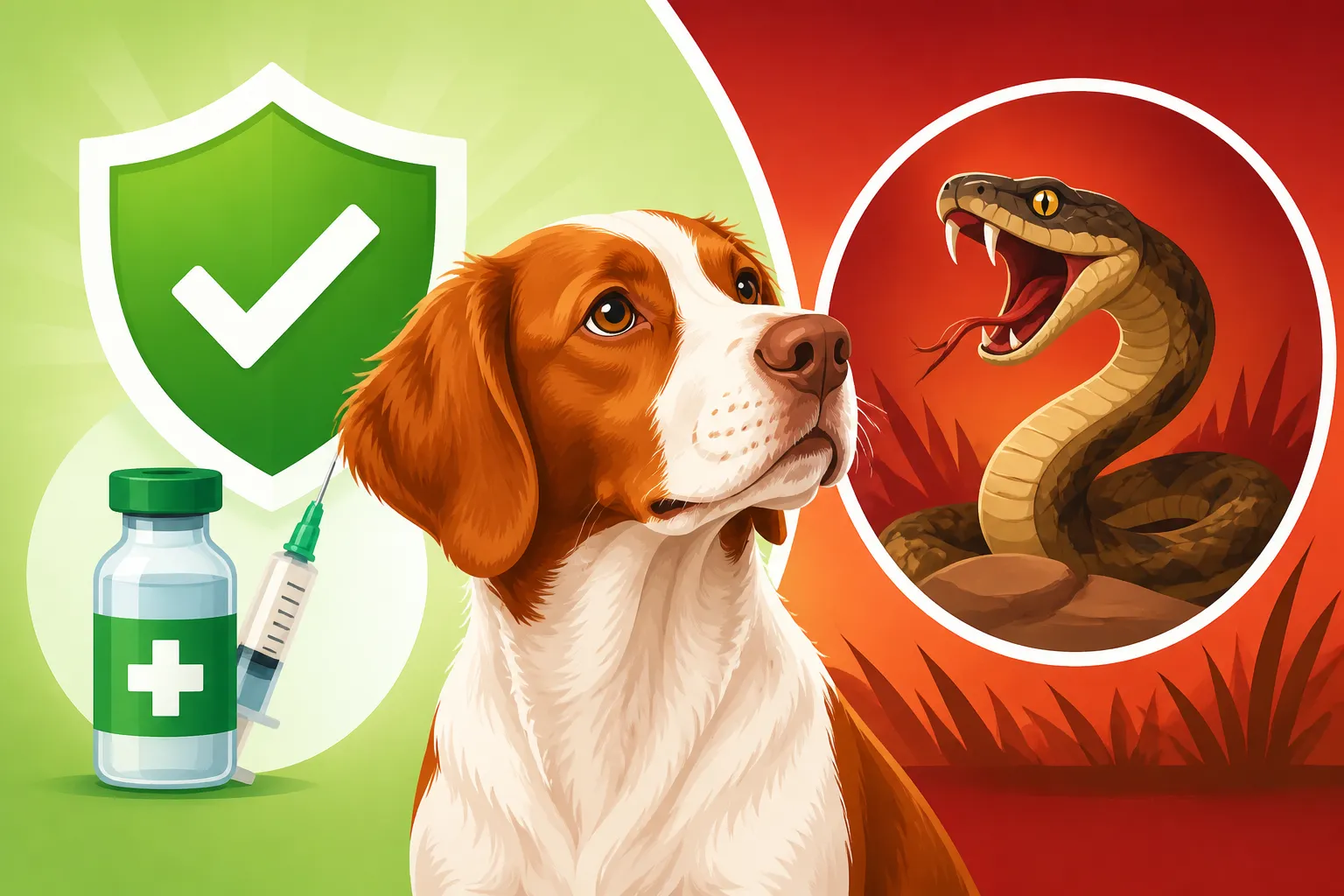
The rattlesnake vaccine for dogs, often associated with brands like Red Rock Biologics, is specifically formulated to help protect against the venom of rattlesnakes. The science behind it is pretty clever: it contains a modified rattlesnake venom component that, when injected, stimulates your dog's immune system to produce antibodies. These antibodies are then ready to spring into action if your Brittany is bitten by a rattlesnake.
When a vaccinated dog is bitten, these pre-existing antibodies go to work, latching onto and neutralizing components of the venom. This process doesn't stop the venom entirely, but it can significantly reduce its immediate effects. Think of it as a head start in the fight against the toxin. The vaccine is primarily designed to protect against the venom of the Western Diamondback Rattlesnake, but it has shown to offer some cross-protection against other rattlesnake species as well, which is good news if you live in an area with various types. Typically, the vaccine requires an initial series of two doses, administered about three to four weeks apart, followed by annual booster shots to maintain immunity. It's an important part of preparing a dog for the field, much like a regular Whether a Brittany Needs a Preseason Vet Check to ensure overall fitness.
Limitations and Realistic Expectations
It's absolutely crucial to understand that the rattlesnake vaccine is not a "cure-all" or a substitute for immediate veterinary care after a bite. This is not an anti-venom; it's a tool to reduce the severity of the bite, not prevent it. Your Brittany can absolutely still get bitten, and even with the vaccine, they will still need to see a veterinarian as quickly as possible.
The vaccine's efficacy can vary. Factors like the specific species of rattlesnake (while there's cross-protection, it's not 100% effective against all types), the amount of venom injected (a "dry bite" has no venom, but a full envenomation is serious), the location of the bite (a bite to the face or neck is generally more dangerous than a bite to a paw), and your dog's individual immune response can all influence the outcome. Furthermore, the vaccine offers no protection against the venom of other snake types, such as copperheads, cottonmouths, or the highly neurotoxic coral snakes. It's also possible for dogs to experience mild side effects from the vaccine, similar to any other vaccination, such as lethargy, a low-grade fever, or swelling at the injection site. These are usually temporary and much less severe than the effects of a snake bite itself, but they're worth being aware of. Don't let the vaccine give you a false sense of security that delays getting your dog to the emergency vet; time is always of the essence.
Weighing the Benefits Against the Risks for Your Hunting Companion
For many Brittany owners, especially those whose dogs are active outdoors, the decision to vaccinate against snake bites comes down to a careful calculation of risk versus reward. While no vaccine is without its considerations, the potential benefits in a life-threatening situation can be incredibly compelling.
The Argument For Vaccination: Peace of Mind and Practical Benefits
One of the most significant benefits of the rattlesnake vaccine is the reduction in the severity of a bite. When a vaccinated Brittany gets bitten, owners often report less dramatic swelling, reduced pain, and less extensive tissue damage compared to an unvaccinated dog. This means the immediate impact on your dog is lessened, and the long-term consequences, like permanent tissue loss, might be mitigated. This can be a huge relief, not just for your Brittany, but for your wallet too. Antivenom treatments, which are the primary course of action for severe bites, are incredibly expensive, often running into thousands of dollars. While a vaccinated dog might still require antivenom, a milder reaction often means a lower dose is needed, potentially saving you a substantial sum. This is where having pet insurance like Healthy Paws can truly make a difference, as emergency treatments like antivenom are precisely what these policies are designed to cover.
Perhaps even more critically, the vaccine buys you precious time. If your Brittany is bitten deep in the field, far from immediate veterinary care, those extra minutes or hours that the vaccine provides could be the difference between life and death. The reduced rate of venom absorption allows for more stable transport to the nearest emergency clinic. This peace of mind, knowing you've given your active hunting companion an extra layer of protection against one of the more dangerous field hazards, is invaluable. A less severe bite also typically translates to a quicker recovery time, meaning your Brittany might be back to chasing birds and enjoying life sooner, rather than enduring weeks of intensive care and rehabilitation. When you consider all the potential The Injuries a Brittany Picks Up in the Field, having this specific defense against rattlesnake venom can feel like a game-changer.
Considerations and Potential Drawbacks
Of course, no medical decision is black and white, and there are valid considerations when deciding whether to vaccinate your Brittany against snake bites. The cost of the vaccine itself is a factor. There's an initial series of two shots, followed by annual boosters, and these costs can add up, especially when combined with other routine vaccinations detailed in What a Brittany's Yearly Vaccinations Cost. While cheaper than antivenom, it's still an expense to factor into your budget.
Then there's the possibility of vaccine reactions. While generally mild, some dogs might experience localized swelling, tenderness, or lethargy for a day or two after the shot. In rare cases, more severe allergic reactions can occur, though these are typically managed by a veterinarian. A more insidious "drawback" can be a false sense of security. Some owners might, perhaps subconsciously, become less vigilant about snake avoidance or delay seeking veterinary care after a bite, assuming the vaccine has fully protected their dog. This could be a dangerous misconception, as immediate veterinary attention is always paramount. Even with the vaccine, your Brittany needs prompt medical assessment. This is also why having a well-stocked first aid kit for field emergencies is always a good idea, regardless of vaccination status. Remember, major emergency vet bills for events like snake bites or other What a Brittany's Field Injuries Cost in a Season can be hefty, making pet insurance a wise investment. Companies like Healthy Paws offer comprehensive coverage that can alleviate the financial strain of such unexpected incidents.
Geographic and Lifestyle Factors to Guide Your Decision
The decision to vaccinate your Brittany really boils down to your specific circumstances, particularly your geographic location and your dog's lifestyle. If you live in a region known for its high rattlesnake populations – think parts of California, Arizona, Texas, or many areas of the mountainous West – or if you frequently take your Brittany hunting, hiking, or camping in areas where rattlesnakes are common, the vaccine becomes a much more compelling option. For a Brittany whose primary role is a field dog, spending significant time quartering through brush and tall grass, the risk of a bite is inherently higher than for a Brittany that primarily lives in a suburban backyard.
Conversely, if you live in an area with virtually no venomous snakes, or if your Brittany is primarily an indoor companion with highly controlled, urban outdoor access, the benefits of the vaccine might not outweigh the costs and minimal risks of vaccination. This isn't a "one size fits all" decision. The best course of action is always to consult with your local veterinarian. They are intimately familiar with the snake populations in your area, the prevalence of bites, and the most common types of snakes encountered. They can provide tailored advice based on your specific situation, helping you assess the true risk and make an informed choice. It's part of a broader discussion about your dog's overall health and longevity, considering their The Twelve to Fourteen Years a Brittany Gets and how best to protect them throughout their lives.
Here’s a quick overview to help you visualize the potential outcomes:
| Factor | Unvaccinated Brittany After Snake Bite | Vaccinated Brittany After Snake Bite |
|---|---|---|
| Severity of Swelling | Often extensive and rapid | Generally reduced, slower progression |
| Pain Level | Severe and excruciating | Less intense, though still painful |
| Tissue Damage | Significant, potentially leading to necrosis | Minimized, less likelihood of severe tissue loss |
| Time to Vet Care | Critical; rapid spread of venom | Crucial, but vaccine may buy valuable time |
| Antivenom Need | Often high doses required; very expensive | Potentially lower doses, or may still require |
| Recovery Time | Longer, more intensive care | Shorter, less complicated recovery |
| Cost of Treatment | Very high, often thousands of dollars | Still high, but potentially reduced |
Beyond the Vaccine: Comprehensive Snake Bite Preparedness
While the rattlesnake vaccine can be an excellent layer of protection, it's just one piece of the puzzle when it comes to safeguarding your Brittany from snake bites. A truly comprehensive approach involves knowing what to do in an emergency and actively implementing preventative strategies.
Immediate Actions After a Suspected Bite
If you suspect your Brittany has been bitten by a snake, the absolute first and most critical step is to remain calm. Panic won't help your dog. Your immediate goal is to get your Brittany to a veterinarian or emergency animal hospital as quickly and safely as possible. Restrict your dog's movement as much as you can, as increased activity will only help circulate the venom more rapidly through their system. Carrying your dog, if possible, is ideal. If you can, try to remember what the snake looked like, but do not try to catch or kill it, as this significantly increases your own risk of being bitten. A photo from a safe distance can be helpful for the vet, but your dog's safety is paramount.
What you should not do is equally important. Do not attempt to suck the venom out, apply a tourniquet, cut the wound, or apply ice. These outdated methods are largely ineffective and can actually cause more harm than good, delaying proper veterinary treatment and potentially worsening the injury. Focus solely on getting to the vet. Call ahead if you can, so they can prepare for your arrival. Remember, even with the vaccine, a bite is a serious medical emergency, and prompt professional care is essential. The potential bills for emergency care, including antivenom and supportive treatments, can be substantial, so it's worth having pet insurance like Healthy Paws in place to help manage these unexpected What a Brittany's Field Injuries Cost in a Season.
Preventative Measures and Training
Beyond vaccination, there's a lot you can do to reduce your Brittany's risk of a snake bite. One of the most effective strategies is awareness. Learn about the types of venomous snakes common in your area and their preferred habitats. When hiking or hunting, be extra vigilant in tall grass, rocky areas, dense brush, and near logs or woodpiles where snakes like to hide. Snakes are often most active during warmer parts of the day, or at dawn and dusk. Keeping your Brittany on a leash in high-risk areas is a simple yet powerful preventative measure. Even the most well-trained Brittany can get a bit too focused on a scent and wander into danger.
Snake aversion training, where dogs are taught to avoid snakes through controlled, negative reinforcement scenarios, can be effective for some dogs, but it's a specialized form of training and should only be conducted by experienced professionals. While controversial for its methods, it does teach dogs to associate snakes with an unpleasant experience. At home, keep your yard clear of brush piles, tall weeds, and debris that could attract snakes. During hunting season, always give your Brittany a thorough check after every outing, not just for ticks (which you can read more about in How Many Ticks a Brittany Picks Up in a Season), but also for any signs of injury or potential snake encounter. Knowing What a Brittany Needs Within an Hour of a Hunt should include this vital visual inspection. By combining vigilance, smart training, and the optional protection of a vaccine, you're building the strongest possible defense for your Brittany against the threat of snake bites.
Disclaimer
This article is intended for informational purposes only and does not constitute veterinary medical advice. Always consult with a qualified veterinarian for any health concerns or before making any decisions about your Brittany's care, including vaccinations. The information provided here should not be used as a substitute for professional veterinary diagnosis or treatment.