Whether an Arthritic Brittany Can Still Hunt
It’s a heartbreaking sight, isn't it? Your beloved Brittany, who once bounded through fields with boundless energy, now moves a little stiffer, perhaps struggles a bit after a long nap, or even whimpers faintly when getting up. You see the fire still in their eyes when the shotgun comes out, the tail wag at the scent of pheasants in the air, but their body just isn't keeping up. This guide is all about navigating that challenging crossroads: can an arthritic Brittany still enjoy the hunt, and if so, how do we make sure it’s a positive, comfortable experience for them?
Understanding Arthritis and Its Impact on Your Brittany
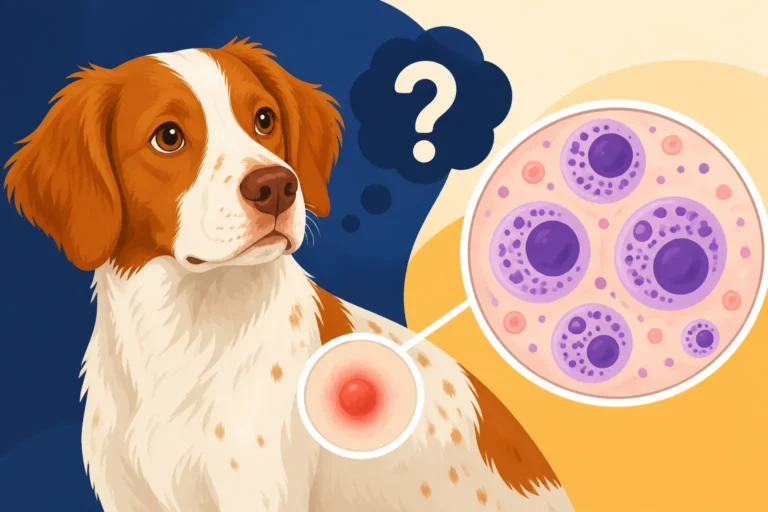
Arthritis, or osteoarthritis, is a progressive and painful condition affecting the joints. It’s essentially the wear and tear on cartilage, the protective cushion between bones, leading to inflammation, pain, and reduced mobility. For our active, driven Brittanys, this can be particularly devastating. They're bred to move, to run, to hunt, and when their bodies start betraying them, it's tough on everyone.
What Arthritis Does to a Working Dog's Body
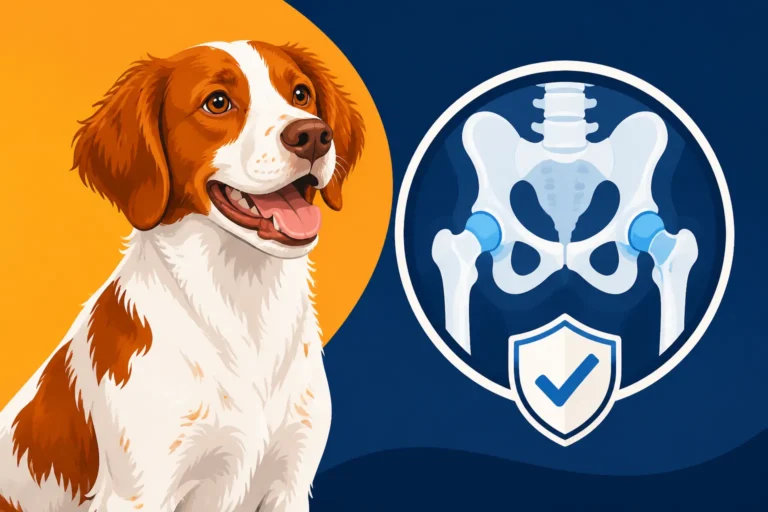
Imagine trying to run a marathon with rusty hinges for knees. That's a bit like what arthritis can feel like for your Brittany. Over time, the smooth cartilage that allows bones to glide past each other begins to thin and fray. This leads to bone-on-bone friction, causing pain, swelling, and stiffness. Bone spurs can develop, further limiting movement and adding to the discomfort. For a Brittany, whose life revolves around explosive bursts of speed, quick turns, and hours of sustained movement in varied terrain, this condition can severely compromise their performance and comfort. It's not just about a little limp; it's about constant aches, reduced flexibility, and the body's inability to perform the tasks their minds are still so eager to do.
Common areas affected in Brittanys include hips, elbows, shoulders, and the spine. Given the breed's history of genetic predispositions, such as hip and elbow dysplasia, these conditions often lay the groundwork for early onset arthritis. A dog that has experienced an injury, like a cruciate tear or patellar luxation, is also at a much higher risk of developing arthritis in that joint down the line. It's a sad reality that while their spirit might be eternal, their joints are not.
Recognizing the Subtle Signs of Pain in Your Brittany
Brittanys are notoriously stoic dogs. They're hunters, and in the wild, showing weakness makes you a target. This instinct often means they'll hide their pain remarkably well, especially when they're excited or focused on a task. You might not see obvious limping right away. Instead, look for more subtle cues:
- Reluctance to jump: They might hesitate before jumping into the truck or onto the couch, or they might take a running start where they used to leap effortlessly.
- Slowing down: On walks or during play, they might fall behind, stop more frequently, or lose interest in extended games of fetch.
- Stiffness after rest: The classic sign is stiffness after waking up or after a period of inactivity, which might improve slightly after they "warm up." This is why understanding How a Brittany Hides Pain is so crucial for owners.
- Changes in gait or posture: A shortened stride, a slightly hunched back, or an unusual way of carrying their tail.
- Licking or chewing at joints: They might try to soothe the discomfort.
- Irritability or changes in behavior: Pain can make even the sweetest dog a little grumpy, especially if you touch a sore spot.
- Difficulty getting comfortable: Restlessness at night, frequently shifting positions to find a pain-free spot.
Paying close attention to these small changes is key. Often, by the time a Brittany is overtly limping, the arthritis is already quite advanced. Early detection and intervention can significantly improve their quality of life and potentially extend their comfortable hunting career.
When Does Arthritis Typically Appear?
While arthritis can sometimes stem from an acute injury at any age, the kind of chronic, degenerative arthritis we're discussing often begins to manifest as our Brittanys enter their senior years. Many owners start noticing these subtle changes when their dogs reach around 7 to 9 years old. However, for those Brittanys with pre-existing conditions like hip or elbow dysplasia, signs of arthritis might appear much earlier, sometimes even in their middle years, around 5 or 6.
It’s important to remember that it’s not a switch that flips overnight. It’s a gradual progression. One day, they’re trotting along, and the next, you notice a slight hesitation before jumping into the truck. This is why regular veterinary check-ups, especially as they mature, are so important. Your vet can help identify early signs and discuss preventative measures or management strategies. Understanding The Age a Brittany Gets Arthritis can help set realistic expectations for when these issues might start to emerge.
Assessing Your Arthritic Brittany's Hunting Capability
This is where the emotional rubber meets the road. As Brittany owners, we cherish their drive and passion for the field. Watching that diminish can be heartbreaking. The key here is honest assessment and prioritizing your dog's well-being above your own hunting ambitions.
The Heartbreaking "Spirit vs. Body" Dilemma
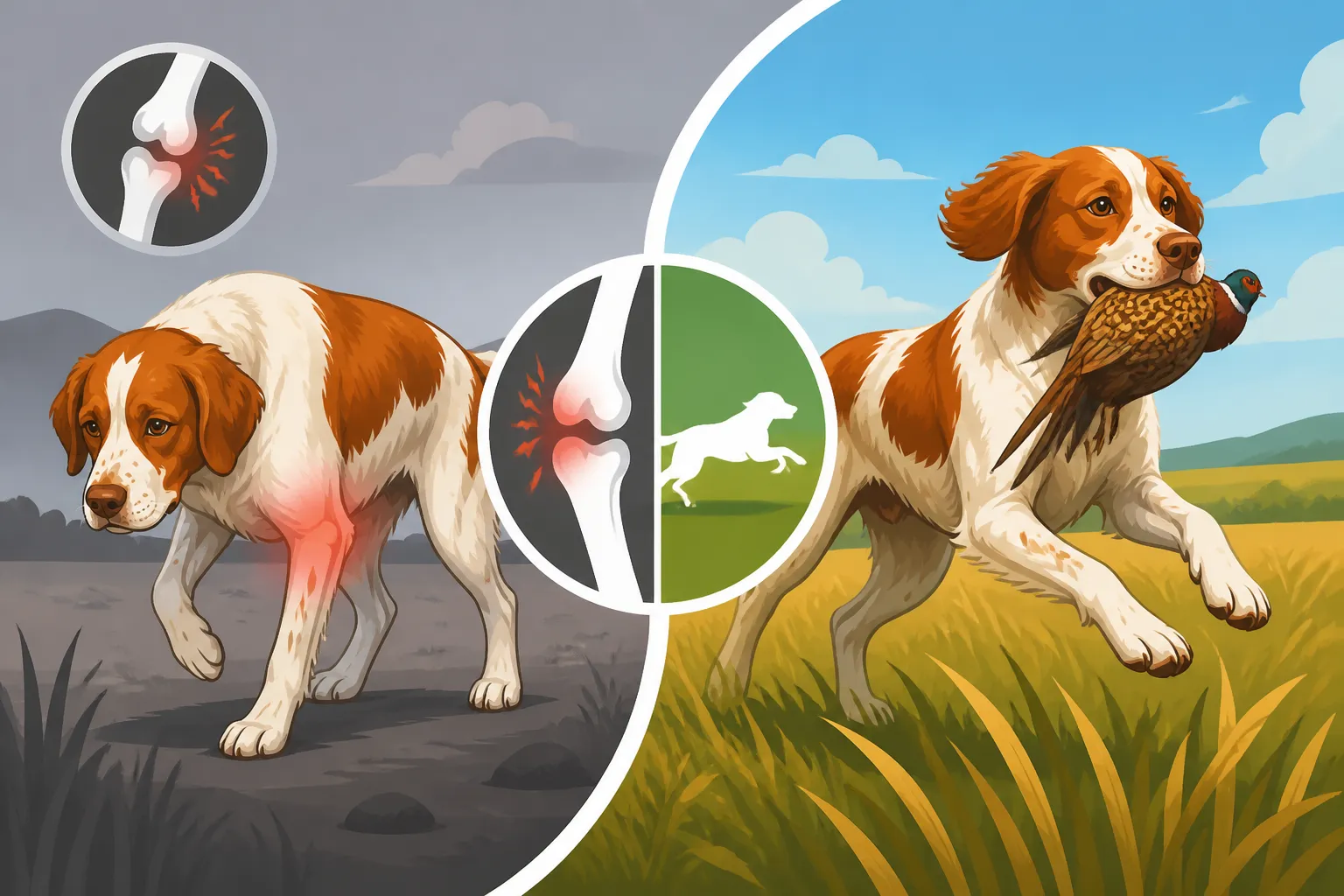
Every hunter with an aging dog knows this struggle. Your Brittany’s eyes still light up at the sight of your vest, their tail thumps a rhythm of anticipation when they hear the jingle of your keys, and they practically dance with excitement as you load the truck. The spirit is willing, even eager, to chase down every bird, to cover every acre. But their body whispers a different story.
It’s a cruel dichotomy to witness: a dog whose entire being is wired for the hunt, now physically limited. The drive, the instinct, the pure joy they derive from working birds—it’s all still there. You want to give them that joy, that purpose. But pushing them too hard can lead to increased pain, further joint damage, and a longer recovery time, ultimately diminishing their quality of life. This is where we, as responsible owners, must step in and make the tough decisions, balancing their desire with their physical capacity. It's truly a test of our love and compassion.
Key Factors to Consider Before Heading Out
Before you even think about putting your vest on, you need to take a hard, objective look at several factors.
- Severity of Arthritis: This is paramount. Is it mild stiffness, or is your dog experiencing significant pain and lameness? A vet assessment is crucial. They can help grade the severity, identify specific problem joints, and recommend appropriate pain management.
- Current Medication & Management: Is your Brittany on a consistent pain management plan? This might include NSAIDs (non-steroidal anti-inflammatory drugs), joint supplements (like glucosamine and chondroitin), or other therapies. A dog whose pain is well-controlled is in a much better position to hunt than one who isn't. Brands like Healthy Paws can also help with the cost of these ongoing treatments, making consistent care more accessible.
- Type of Hunt: A leisurely walk through open fields is very different from busting through thick cover, climbing steep hills, or retrieving from icy water. Consider the terrain, temperature, and duration of your planned hunt.
- Recovery Time: How long does it take your dog to recover from physical activity? If a short walk leaves them stiff and sore for days, a hunt is likely out of the question.
- Your Brittany's Demeanor: Observe their overall attitude. Do they still genuinely enjoy being in the field, even if they're moving slower? Or do they seem stressed, hesitant, or anxious? Remember, Whether an Aging Brittany Still Wants to Hunt is a critical question to answer.
Consulting Your Veterinarian: Your Best Resource
Your veterinarian is your primary partner in managing your Brittany’s arthritis and making informed decisions about their hunting career. Don't rely solely on your own observations or internet advice. A vet can:
- Diagnose and Grade: Confirm the presence and severity of arthritis through physical examination, X-rays, and possibly other diagnostics.
- Prescribe Medication: Offer anti-inflammatory drugs and pain relievers that can significantly improve comfort.
- Recommend Supplements: Advise on effective joint supplements, like those containing glucosamine, chondroitin, MSM, or green-lipped mussel, which can help support cartilage health.
- Discuss Physical Therapy: Suggest modalities like underwater treadmill, therapeutic exercises, or acupuncture that can improve strength and flexibility.
- Assess Overall Health: Ensure there are no other underlying conditions that might be exacerbated by hunting.
- Provide a Realistic Outlook: Give you an honest opinion on what your specific dog can and cannot safely do.
Be open and honest with your vet about your desire to continue hunting. They can help you create a plan that prioritizes your dog's comfort and safety. Sometimes, this might mean a reduced hunting schedule, or it might mean hanging up the whistle for good. Pet insurance providers, such as Healthy Paws, are often invaluable for covering the recurring vet visits, medications, and specialized treatments required for managing chronic conditions like arthritis.
Here’s a helpful table to guide your assessment:
| Factor | High Capability (Green Light) | Moderate Capability (Yellow Light) | Low Capability (Red Light) |
|---|---|---|---|
| Arthritis Severity | Mild stiffness, occasional lameness, easily managed. | Noticeable stiffness, moderate pain, managed with daily meds. | Severe pain, chronic limping, significant mobility issues. |
| Medication/Supplements | On a consistent, effective pain management plan. | On medication, but still shows discomfort at times. | No effective pain management, struggling constantly. |
| Recovery Time | Recovers quickly from light activity (hours). | Recovers within 1-2 days from light activity. | Days of soreness after even short walks. |
| Terrain/Cover Tolerance | Handles varied terrain, light cover with ease. | Best on flat, open ground; struggles with thick cover/hills. | Cannot manage uneven ground, struggles with any cover. |
| Mental Drive | Highly engaged, eager to hunt, maintains focus. | Still interested, but tires quickly, focus wavers. | Appears stressed, anxious, or disinterested in the field. |
| Stamina | Can sustain moderate activity for 1-2 hours. | Can sustain short bursts of activity (30-60 mins). | Very low stamina, quickly fatigued. |
| Overall Comfort | Appears comfortable before, during, and after activity. | Shows some discomfort, but improves with rest/meds. | Clearly uncomfortable, visibly in pain during/after activity. |
Conditioning and Care for the Aging Hunter
Keeping an aging, arthritic Brittany in hunting shape requires a different approach than with a young dog. It’s less about intense training and more about maintaining muscle mass, flexibility, and cardiovascular health without exacerbating joint pain.
- Consistent, Gentle Exercise: Instead of long, strenuous runs, focus on shorter, more frequent walks on soft surfaces (grass, dirt trails). Swimming can be excellent for low-impact conditioning, building muscle without stressing joints.
- Weight Management: Keeping your Brittany at a healthy weight is paramount. Excess weight puts additional strain on already compromised joints, significantly worsening arthritis pain. Work with your vet to establish an ideal weight and diet plan.
- Warm-ups and Cool-downs: Just like human athletes, an older Brittany benefits from a gentle warm-up before activity and a cool-down period afterward. Start with a slow walk, gradually increasing pace. After a hunt, allow them to walk slowly for 10-15 minutes before resting.
- Supportive Gear: Consider things like canine orthopedic beds for rest, ramps for getting into vehicles, and even dog boots to protect sensitive pads that might be compensating for joint pain.
- Supplements: As mentioned, joint supplements can play a vital role. Glucosamine and chondroitin are widely used, but newer options like omega-3 fatty acids (fish oil), turmeric, and CBD products are also gaining popularity for their anti-inflammatory properties. Always discuss these with your vet to ensure they are appropriate and won't interact with other medications.
- Regular Vet Check-ups: These become even more critical to monitor the progression of arthritis and adjust pain management as needed. Caring for an Old Brittany goes into more detail on this holistic approach.
Modifying the Hunt for an Arthritic Brittany
If your vet gives you the green light and your Brittany still shows a strong desire to hunt, it's time to adapt your hunting style to their limitations. This isn't about giving up the field entirely, but rather finding ways to continue enjoying it responsibly.
Shorter Hunts on Easier Terrain
Forget the all-day marathon hunts through heavy cover or steep ravines. For an arthritic Brittany, think quality over quantity.
- Duration: Limit hunts to much shorter periods, perhaps 30-60 minutes at a time, followed by ample rest. You might even break a hunting day into two very short sessions with a long break in between.
- Terrain: Stick to flat, open fields with softer ground. Avoid rocky areas, dense thorny cover, or steep inclines that demand difficult movements and put extra stress on joints. Areas with sparse cover where birds are easily found will minimize the amount of ground your dog needs to cover to be successful.
- Temperature: Be extra mindful of extreme temperatures. Cold, damp weather can exacerbate joint pain, while hot weather can lead to overheating much faster in an older dog. Dress them appropriately with vests in cold weather, and only hunt in the early morning or late evening during warmer periods. Whether an Aging Brittany Feels the Cold More is a good article to review.
The goal is to provide enough activity to satisfy their instincts without pushing them into discomfort or injury. Celebrate every successful point and retrieve, no matter how short the hunt.
Supportive Gear and Techniques
There’s a whole array of gear and techniques that can make a huge difference for an arthritic hunting dog.
- Dog Boots: Cracked pads or sore feet can compound joint pain. Good quality dog boots can provide extra cushioning and protection from rough terrain, thorns, and burrs. This is especially true if you are running on stubble or hard frozen ground. Whether a Brittany Needs Boots in the Field is something many owners consider.
- Support Vests/Harnesses: Some dogs benefit from vests that offer mild compression or support around key joints, or a lifting harness to help them in and out of the truck or over fences if needed.
- Ramps: Save their joints from repeated impacts by using a ramp for them to get in and out of your vehicle. This small investment can prevent significant wear and tear over time.
- Strategic Bird Placement: If hunting preserve birds, consider asking staff to place birds in areas that are easily accessible and require less strenuous searching for your dog. This ensures they get the satisfaction of finding birds without overexertion.
- Work with Their Strengths: Maybe your Brittany’s range has shortened, or they can’t burst through cover as quickly. Focus on their nose and pointing ability. They might still hold a solid point, even if they can’t run a quarter-mile cast. Encourage them to work closer, hunting more thoroughly within a smaller radius.
Remember, the goal is to prolong their enjoyment of the field, not to maintain peak performance.
Nutrition and Supplementation for Joint Health
Beyond pain medication, diet and targeted supplements play a crucial role in managing arthritis in a working Brittany.
- High-Quality Diet: Ensure your Brittany is on a nutritionally complete and balanced diet appropriate for their age and activity level. Many senior formulas are designed with lower calorie counts to prevent weight gain and often include joint-supporting ingredients. Whether an Aging Brittany Needs Fewer Calories is a relevant consideration.
- Omega-3 Fatty Acids: These are powerful natural anti-inflammatories. Fish oil supplements, rich in EPA and DHA, can significantly reduce joint inflammation and pain. Look for high-quality, vet-approved products.
- Glucosamine and Chondroitin: These are the building blocks of cartilage and are widely used to support joint health. While their efficacy can vary, many owners report improvement in their dogs' comfort levels with consistent use. Brands like Cosequin or Dasuquin are commonly recommended by veterinarians.
- MSM (Methylsulfonylmethane): Another supplement often included in joint health formulas, MSM is believed to help reduce pain and inflammation.
- Green-Lipped Mussel: This natural ingredient, found in some joint supplements, contains a unique combination of omega-3s, glucosamine, and chondroitin, offering comprehensive joint support.
- CBD Products: While research is ongoing, some anecdotal evidence suggests CBD can help manage pain and inflammation in arthritic dogs. Always consult your vet before adding any new supplement, especially CBD, to your dog's regimen.
Consistency is key with supplements; it often takes several weeks to see noticeable effects. Discuss these options with your vet to tailor a plan for your individual dog. The costs of these ongoing supplements and vet visits can add up, and having pet insurance like Healthy Paws can provide significant financial relief.
Prioritizing Your Brittany's Comfort and Well-being
Ultimately, our love for our Brittanys means putting their comfort first. Sometimes, that means making the incredibly difficult decision to retire them from the field, even if their spirit still yearns for it.
Knowing When to Hang Up the Whistle
This is perhaps the hardest part. There will come a point when the modifications aren't enough, the pain management isn't as effective, and the joy they once clearly expressed starts to wane, or is overshadowed by discomfort. Signs it might be time to retire them include:
- Persistent pain: Despite medication and modified activity, they are consistently stiff, sore, or limping.
- Loss of interest: They stop showing enthusiasm for the hunt, even when the gear comes out.
- Increased stress or anxiety: The effort of hunting becomes a source of stress rather than joy.
- Long and difficult recovery: Even a short, easy hunt leaves them debilitated for days, struggling to walk or get up.
- Deterioration of overall quality of life: If hunting is causing them more bad days than good, it's time to reassess.
It’s an emotional decision, but a compassionate one. Remember, they have given you their all for years. Now it’s your turn to ensure their remaining years are filled with comfort and peace.
Finding Joy in Gentler Activities
Retirement from serious hunting doesn't mean the end of enjoyment for your Brittany. They still love spending time with you and engaging their minds and bodies in ways that don't stress their joints.
- Gentle walks: Short, leisurely strolls on soft ground, sniffing all the interesting smells, are still deeply satisfying.
- Supervised backyard retrieves: A few throws of a soft bumper in the yard can satisfy their retrieve drive without covering vast distances.
- Scent games: Hide-and-seek with treats or toys uses their incredible nose and provides mental stimulation with minimal physical exertion.
- Cuddle time: More couch time, gentle massages, and just being present with you can be incredibly comforting for an aging dog.
- Short car rides: Just being with you on an outing can be a simple pleasure.
These activities reinforce your bond and allow them to feel valued and engaged, even if they're no longer the field dog they once were. What Changes in a Brittany After Ten often includes a shift towards these more mellow, yet equally fulfilling, forms of interaction.
Alternative Ways to Engage a Senior Brittany
Even if the hunting days are behind them, a Brittany's mind and nose are still incredibly active. Keeping them engaged is vital for their mental well-being.
Mental Stimulation and Gentle Scent Work
Just because their legs might be slowing down doesn't mean their brain has to. Brittanys are intelligent dogs with an incredible sense of smell, and engaging these faculties can provide immense satisfaction.
- Nose Work Games: Simple "find it" games where you hide treats around the house or yard can be fantastic. Start easy, then gradually make the hiding spots more challenging. You can even invest in a Snuffle Mat, which encourages them to use their nose to root out hidden kibble or treats. These activities tap into their natural hunting instincts in a low-impact way.
- Puzzle Toys: Interactive puzzle toys that dispense treats when manipulated are great for keeping their minds active and preventing boredom. Look for ones that aren't too physically demanding to solve.
- Enrichment Toys: Chewing is a natural, stress-relieving activity. Provide appropriate chew toys, such as Kongs stuffed with peanut butter or other treats, that can keep them occupied for extended periods.
These types of mental engagement can be just as tiring and fulfilling as physical exercise for a senior dog, without putting strain on their joints.
Short Walks in Easy Cover
For many Brittanys, the smell of the field is deeply ingrained. If they’re up to it, very short, managed walks in easy cover can still provide a wonderful experience.
- Controlled Environments: Consider taking them to a local park or a field you know has minimal rough terrain. The goal isn’t to find birds, but to let them enjoy the scents, the sounds, and the feeling of being out with you.
- Leash Walks: Keep them on a leash to control their pace and prevent them from making sudden, strenuous movements or chasing after something that could cause injury.
- Focus on Sniffing: Allow them ample time to explore and follow scent trails. This is mentally stimulating and fulfills their natural drives without demanding high-speed pursuit.
- Short Duration: Keep these outings very brief, perhaps 15-20 minutes, and always monitor them closely for signs of fatigue or discomfort. If you notice them slowing down or showing stiffness, it’s time to head home.
The sheer joy of being out with their human, experiencing the familiar smells and sounds of the outdoors, can be incredibly enriching for a retired hunter. It's about maintaining their connection to what they love, in a way that is respectful of their changing body.
The journey with an arthritic Brittany is one of adapting, caring, and making tough choices rooted in love. There's no single answer for whether they "can still hunt," but rather a spectrum of possibilities based on their individual condition, your veterinary guidance, and your willingness to modify expectations. Some may enjoy years of shortened, gentler hunts, while others may find greater comfort and joy in retirement. The most important thing is to ensure their golden years are filled with as much comfort, happiness, and companionship as possible.
Disclaimer
The information provided in this article is for general informational purposes only and does not constitute veterinary advice. Always consult with a qualified veterinarian for any health concerns or before making any decisions about your Brittany Spaniel's health, diet, exercise, or medical treatment.