Elbow Dysplasia in a Brittany
It's truly heartbreaking when your vibrant, energetic Brittany, the dog who lives to run and hunt, starts showing the first whispers of lameness. You see that slight hesitation, that awkward step, or the reluctance to jump into the truck, and a cold dread can creep in. Joint issues, especially something as complex as elbow dysplasia, can feel overwhelming, leaving you with countless questions about your beloved companion's future. This comprehensive guide is here to walk you through everything you need to know about elbow dysplasia in Brittanys, from understanding its causes to navigating diagnosis, treatment, and long-term management, so you can provide the best possible care for your loyal hunting partner.
Understanding Elbow Dysplasia in Brittanys
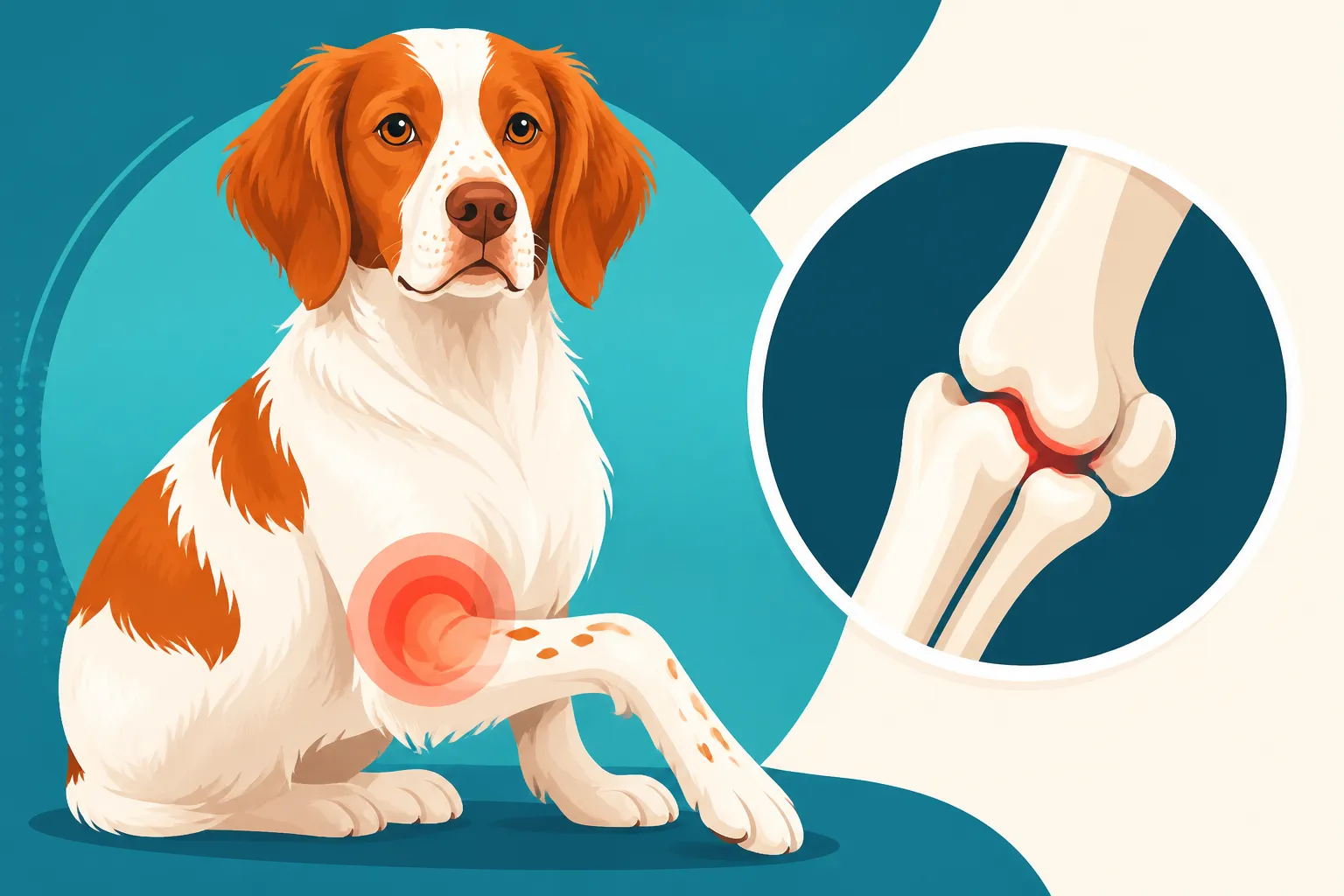
Elbow dysplasia isn't just one simple condition; it's a complex developmental disease that encompasses several distinct abnormalities within the elbow joint, often occurring concurrently. This joint, crucial for your Brittany's agility and stamina in the field, is formed by three bones: the humerus (upper arm), radius (forearm), and ulna (another forearm bone). When these bones don't grow or align correctly, it leads to instability, abnormal stress, and ultimately, debilitating arthritis.
What Exactly Is Elbow Dysplasia?
At its core, elbow dysplasia refers to a malformation or poor fit of the elbow joint. Instead of a smooth, perfectly aligned articulation, parts of the joint may not meet correctly, leading to uneven pressure distribution and micro-trauma with every movement. This constant abnormal stress triggers inflammation, cartilage damage, and the formation of bone spurs, which are the hallmarks of degenerative joint disease, or arthritis.
There are four primary conditions that fall under the umbrella of elbow dysplasia, and a Brittany can suffer from one or a combination of them. First, there's Fragmented Medial Coronoid Process (FCP), where a small piece of bone from the ulna breaks off into the joint, causing pain and irritation. Imagine a tiny pebble constantly grinding inside a hinge – that's what FCP can feel like. Second, Ununited Anconeal Process (UAP) occurs when a growth plate in the ulna fails to fuse properly, leaving a separate piece of bone. This can lead to significant instability and pain. Third, Osteochondrosis Dissecans (OCD) is a condition where a flap of cartilage and underlying bone separates from the joint surface, often on the humerus. This loose flap acts like a foreign body, causing pain, inflammation, and further damage. Finally, Elbow Incongruity describes a general poor fit between the joint surfaces, where the radius and ulna might be different lengths, causing uneven weight bearing and excessive pressure on certain areas of the joint. All these issues contribute to a cascade of events leading to chronic pain and reduced mobility, severely impacting a Brittany's quality of life.
Why Brittanys are at Risk
While elbow dysplasia isn't as famously linked to Brittanys as hip dysplasia sometimes is, it's still a significant concern for the breed and other medium to large, fast-growing dogs. The disease is considered multifactorial, meaning it's influenced by a combination of genetics, nutrition, and environmental factors, especially during their crucial growth phases. The genetic component is particularly strong, making responsible breeding practices paramount.
Brittanys, with their athletic build and propensity for high activity, put considerable stress on their developing joints. Rapid growth spurts can exacerbate underlying genetic predispositions. For instance, if a puppy grows too quickly due to an excessively high-calorie or protein diet, it can put undue strain on immature bones and cartilage, increasing the risk of conditions like FCP or OCD. Conversely, improper exercise, such as excessive hard running or jumping on slippery surfaces during puppyhood, can also contribute to developmental orthopedic problems. It's a tricky balance to strike: Brittanys need exercise for their mental and physical well-being, but controlled exercise is key during those formative months. While we often focus on hips, it’s important to remember that elbows are also susceptible. For a related discussion on another common joint issue, you might want to read about "How Common Hip Dysplasia Is in Brittany Spaniels". Ultimately, the combination of a genetic predisposition with external factors during their rapid growth phase puts Brittanys at a higher risk for elbow dysplasia, making early recognition and proactive management essential.
Recognizing the Early Signs of Trouble
One of the biggest challenges with elbow dysplasia is that the signs can be subtle, especially in stoic breeds like Brittanys who are keen to please and may try to push through discomfort. As dedicated owners, it's crucial to be vigilant and notice even the slightest changes in their movement or behavior, particularly during their prime growing years or as they age.
Subtle Hints in Puppies and Young Adults
Catching elbow dysplasia early can make a significant difference in managing the condition and preserving your Brittany's mobility. In puppies and young adults, typically between 5 and 18 months of age, the signs might not scream "pain." Instead, you might notice an intermittent lameness, perhaps after a particularly vigorous play session or a long walk. It might be worse after a period of rest, like when they first get up in the morning or after a nap, and then seem to "warm out" of it as they move around. This "warming out" effect can trick owners into thinking it's nothing serious.
Look for a shortened stride in one or both front legs, or a tendency to hold the affected elbow slightly away from their body. Some Brittanys might develop a peculiar gait, almost like they're "bunny hopping" with their front legs, or appear hesitant to put full weight on a limb. They might avoid jumping up onto furniture or into the car, or you might see a noticeable decrease in their willingness to play, fetch, or go for runs. Sometimes, you’ll observe a shifting lameness, where one day it’s the left leg, and another day it’s the right, or it seems to alternate. Don’t dismiss these subtle signs; they are your Brittany’s way of communicating discomfort. If you're concerned about joint screening, it's useful to know "When a Brittany's Hips Should Be X Rayed", as elbow screening also has optimal timing.
Advanced Symptoms in Mature Brittanys
As elbow dysplasia progresses and arthritis sets in, the symptoms tend to become more pronounced and persistent. What might have been an occasional limp in a youngster can evolve into chronic lameness that is present most of the time, regardless of activity. You might observe a noticeable decrease in your Brittany's range of motion in the affected elbow – they can't fully extend or flex their leg without showing discomfort. The joint itself may appear swollen or feel warm to the touch, and manipulating it can elicit a clear pain response from your dog.
One common visual cue in mature dogs is muscle atrophy in the shoulder and upper arm of the affected limb because they're subconsciously favoring it and not using the muscles fully. This can make the leg appear thinner than the healthy one. You might also hear a grinding or clicking sound (crepitus) when the joint is moved, indicating bone-on-bone friction or significant cartilage damage. Beyond physical changes, look for behavioral shifts. A dog constantly in pain might become more irritable, withdraw from interaction, or even show aggression when approached or touched near the affected area. Their enthusiasm for hunting or even simple walks might wane dramatically. These advanced signs suggest that the underlying degenerative process has taken a firm hold, and managing the pain and preserving function becomes a priority. Understanding the general trajectory of joint issues can also be informed by knowing "The Age a Brittany Gets Arthritis".
Getting a Diagnosis: What to Expect at the Vet
When you suspect elbow dysplasia, a prompt visit to your veterinarian is the first and most critical step. Early and accurate diagnosis is key to implementing effective management strategies and, in some cases, exploring surgical options before irreversible damage occurs. Don't put it off, thinking it might just be a strain; your vet has the tools and expertise to pinpoint the problem.
The Initial Examination
Your vet will start by gathering a thorough history. They'll ask about when you first noticed the lameness, how it progresses (worse after rest, after exercise, intermittent, constant), your Brittany's activity levels, diet, and any previous injuries or health concerns. This detailed information helps them build a picture of what might be going on. Next comes the physical examination, which is where their skilled hands and observational prowess come into play.
They'll watch your Brittany walk and trot, observing their gait for any subtle abnormalities, lameness, or favoritism of a limb. Then, they'll meticulously palpate (feel) and manipulate your dog’s legs and joints, paying close attention to the elbows. They’ll flex, extend, and rotate the elbow, feeling for swelling, warmth, pain, or grinding sensations (crepitus). This process helps them pinpoint the source of pain and assess the range of motion. They might compare both elbows to detect any asymmetry. While they’re focusing on the elbows, they'll also check other joints, like the hips, to rule out other orthopedic issues that might present similarly. For insights into another crucial screening, you can learn more about "What the OFA Records Show About Brittany Hips". This initial exam is fundamental in guiding the next diagnostic steps.
Imaging and Specialized Tests
If the physical examination strongly suggests elbow dysplasia, the next logical step is imaging. The gold standard for initial diagnosis is radiography (X-rays). Your vet will likely recommend taking several specific views of both elbows, usually with your Brittany sedated to ensure proper positioning and minimize discomfort. These X-rays can reveal the various components of elbow dysplasia, such as bone fragments (FCP, UAP), osteochondrosis lesions (OCD), or signs of joint incongruity and early arthritis (bone spurs, joint space narrowing).
For breeding dogs, submitting X-rays to the Orthopedic Foundation for Animals (OFA) for elbow certification is a standard practice. The OFA grades elbows as normal or dysplastic, providing valuable information for breeders aiming to reduce the incidence of the disease in their lines. If the X-rays are inconclusive or if a more detailed assessment is needed, your vet might recommend advanced imaging techniques. A CT scan (computed tomography) provides highly detailed 3D images of the bones and can be particularly effective at identifying small bone fragments (like FCP) that might be missed on standard X-rays. MRI (magnetic resonance imaging) is excellent for visualizing soft tissues, such as cartilage, ligaments, and the joint capsule, and can reveal early cartilage damage or inflammation. In some complex cases, arthroscopy, a minimally invasive surgical procedure where a tiny camera is inserted into the joint, might be performed. This allows direct visualization of the joint surfaces and can often be used for both diagnosis and immediate treatment, such as removing fragments. These imaging modalities are crucial for achieving a definitive diagnosis and planning the most appropriate course of treatment.
Navigating Treatment Options for Elbow Dysplasia
Once your Brittany has received a diagnosis of elbow dysplasia, the conversation shifts to treatment. There’s no single "cure-all" for elbow dysplasia, but rather a spectrum of approaches, ranging from conservative management to surgical intervention. The best path forward depends on the severity of the condition, your dog's age, overall health, and your lifestyle.
Conservative Management Approaches
For many Brittanys, especially those with milder forms of elbow dysplasia or early arthritis, conservative (non-surgical) management can be highly effective in controlling pain and maintaining a good quality of life. The cornerstone of conservative therapy is pain management using medications. Non-steroidal anti-inflammatory drugs (NSAIDs) like carprofen (Rimadyl), meloxicam (Metacam), or firocoxib (Previcox) are commonly prescribed to reduce inflammation and alleviate pain. Your vet will work with you to find the right medication and dosage, often starting with a loading dose and then tapering to the lowest effective dose for long-term use. Other pain relievers, such as gabapentin or tramadol, might be added for more severe pain or breakthrough pain.
Beyond medication, weight management is absolutely critical. Every extra pound your Brittany carries puts more stress on already compromised joints. Maintaining an ideal lean body weight is one of the most impactful things you can do to slow the progression of arthritis and improve comfort. Regular, controlled exercise, such as leash walks or swimming, is important for maintaining muscle mass and joint flexibility without causing excessive impact. High-impact activities, like jumping or long, strenuous runs, should be avoided or significantly limited. Many owners find that supplements like glucosamine, chondroitin, and Omega-3 fatty acids (fish oil) can support joint health and reduce inflammation, though their efficacy can vary. For more on this, consider reading "Whether a Brittany Needs Joint Supplements". Physical therapy and rehabilitation, including hydrotherapy (swimming or underwater treadmill), massage, and therapeutic exercises, are invaluable for strengthening supporting muscles, improving range of motion, and reducing pain. This multi-modal approach addresses pain, inflammation, and joint support, allowing many Brittanys to live comfortable and active lives.
Surgical Interventions
When conservative management isn't enough to control pain or when the specific type of elbow dysplasia warrants it, surgical intervention might be recommended. The goal of surgery is often to remove problematic fragments, correct joint incongruity, or slow the progression of arthritis.
One of the most common surgical procedures is arthroscopy, a minimally invasive technique. A small incision is made, and a tiny camera (arthroscope) is inserted into the joint. This allows the surgeon to visualize the joint surfaces directly and, using specialized instruments, remove fragmented coronoid processes (FCP) or cartilage flaps (OCD). Arthroscopy typically results in a faster recovery time compared to traditional open surgery due to less tissue disruption. For cases of severe elbow incongruity, where the bones don't fit together correctly, more complex procedures might be considered. These include various types of osteotomies, where bones are cut and repositioned to improve joint alignment and redistribute weight-bearing forces. For example, a Proximal Abducting Ulna Osteotomy (PAUL) or Proximal Ulnar Osteotomy (PUO) aims to relieve pressure on the medial compartment of the elbow. These are major surgeries with longer recovery periods, often involving weeks of strict rest and extensive physical rehabilitation. In rare, severe, end-stage cases with debilitating arthritis, total elbow replacement might be an option, but this is less common and highly specialized. Deciding on surgery is a big decision, and your veterinary surgeon will discuss the risks, benefits, expected outcomes, and recovery protocol specific to your Brittany’s condition. Financial planning for such procedures is important; many owners find pet insurance, like Healthy Paws, to be a lifesaver, as it can help cover a significant portion of diagnostic and surgical costs.
Living with Elbow Dysplasia and Long-Term Care
Receiving an elbow dysplasia diagnosis for your Brittany can be disheartening, but it’s not the end of their active life. With dedicated long-term care, many Brittanys go on to enjoy many years of comfortable companionship, and some can even continue light field work. It’s all about commitment to ongoing management and smart lifestyle adjustments.
Ongoing Management and Lifestyle Adjustments
Living with elbow dysplasia means understanding that it’s a chronic condition that requires continuous management. Regular veterinary check-ups are crucial to monitor the progression of arthritis and adjust pain management strategies as needed. Your vet may recommend periodic X-rays to assess joint changes over time. Consistency in medication, joint supplements, and maintaining a lean body weight are non-negotiable foundations for long-term comfort.
Beyond medication, supportive therapies can play a huge role. Physical therapy and rehabilitation, including hydrotherapy, therapeutic exercises, and even modalities like acupuncture or laser therapy, can significantly improve mobility and reduce pain. At home, you might need to make some adjustments: using orthopedic dog beds, providing ramps for cars or furniture, and ensuring non-slip surfaces can help reduce strain on their joints. Pay close attention to your Brittany's response to activity. While they still need exercise, high-impact activities should be swapped for low-impact alternatives like controlled leash walks, swimming, or short bursts of fetch on soft ground. Monitoring their energy levels and signs of discomfort will guide how much activity is appropriate. It’s a delicate balance between keeping them fit and preventing flare-ups. You might wonder if an aging Brittany still wants to hunt even with joint issues; with careful management, many can still enjoy modified activity. Planning for these long-term expenses, including vet visits, medications, and potential therapies, is also a consideration; knowing "What a Brittany Costs Over Its Lifetime" can help you prepare. Insurance providers like Healthy Paws can be instrumental in managing these ongoing costs, covering everything from regular vet visits to specialized rehabilitation.
Prevention and Responsible Breeding
While elbow dysplasia has a strong genetic component, preventing it isn't solely about breeding; it also involves crucial developmental care for puppies. For breeders, the cornerstone of prevention is responsible breeding practices. This means screening all potential breeding dogs for elbow dysplasia using OFA certification. Dogs with dysplastic elbows should not be bred. While a "normal" elbow grade doesn't guarantee offspring won't develop the condition (due to the complex genetics and environmental factors), it significantly reduces the risk. This proactive approach helps to gradually reduce the prevalence of elbow dysplasia within the breed over generations. You can learn more about comprehensive health screening by checking out What a Brittany Spaniel Breeder Should Have Tested.
For puppy owners, even if your pup comes from fully screened parents, vigilance during their growth phase is essential. Feed a high-quality, balanced diet appropriate for large breed puppies that promotes slow, steady growth, rather than rapid weight gain, which can exacerbate joint problems. Avoid over-exercising young Brittanys, especially intense, high-impact activities like jumping or prolonged running on hard surfaces. Puppy bones and growth plates are still soft and vulnerable until around 12-18 months of age. Controlled play, short walks, and mental stimulation are far better than strenuous activity that could put undue stress on their developing joints. Discussing the appropriate timing for spaying or neutering with your vet, considering current research on joint development, is also important; "Whether a Brittany Should Be Neutered Late" touches on this topic. While it's impossible to completely eliminate the risk of elbow dysplasia, a combination of careful breeding and thoughtful puppy rearing can go a long way in giving Brittanys the best chance at healthy, pain-free lives.
Comparing Elbow Dysplasia Grading Scales
Understanding how elbow dysplasia is graded can be confusing, especially with different organizations having their own systems. The two most widely recognized methods for evaluating elbow health in dogs are the Orthopedic Foundation for Animals (OFA) in the United States and the Fédération Cynologique Internationale (FCI) system, which is commonly used in Europe. While both aim to identify and categorize elbow abnormalities, they do so with slightly different methodologies and classifications.
OFA Elbow Grading
The OFA (Orthopedic Foundation for Animals) system is prevalent in North America for screening elbow dysplasia. For OFA certification, radiographs (X-rays) of both elbows are taken, typically after the dog reaches 24 months of age (though preliminary evaluations can be done earlier). These X-rays are submitted to the OFA, where three independent, board-certified veterinary radiologists review them.
The OFA looks for evidence of osteoarthrosis (arthritis) in the elbow joint, which is the secondary change that occurs due to elbow dysplasia. They also look for direct evidence of the primary lesions of elbow dysplasia (FCP, UAP, OCD, or incongruity). Based on these findings, the elbows are graded as follows:
- Normal: No evidence of elbow dysplasia. This is the desired outcome for breeding dogs.
- Grade I (Mild): Minimal bone changes (osteophytes) consistent with mild elbow dysplasia.
- Grade II (Moderate): More extensive bone changes, indicating moderate elbow dysplasia.
- Grade III (Severe): Significant bone changes, often with severe osteoarthrosis and/or clear evidence of primary lesions, indicating severe elbow dysplasia.
Dogs receiving a Grade I, II, or III are considered to have elbow dysplasia and are not recommended for breeding. The OFA provides a public database, allowing prospective puppy buyers to verify the elbow health of parent dogs, promoting transparency and responsible breeding.
FCI Elbow Grading
The FCI (Fédération Cynologique Internationale) system is used across many European countries and is also recognized internationally. Like the OFA, the FCI system relies on radiographic evaluation of the elbow joints, typically performed after the dog reaches 12 months of age, though 18 months is often preferred for larger breeds.
The FCI system also assigns grades based on the presence and severity of osteoarthrosis and the primary lesions of elbow dysplasia. However, their grading scale uses a slightly different nomenclature:
- ED 0 (Free): No evidence of elbow dysplasia. This corresponds to the OFA "Normal" grade.
- ED 1 (Mild): Mild osteoarthrosis, similar to OFA Grade I.
- ED 2 (Moderate): Moderate osteoarthrosis, similar to OFA Grade II.
- ED 3 (Severe): Severe osteoarthrosis, similar to OFA Grade III.
Both the OFA and FCI systems aim to provide standardized, objective assessments of elbow health. While the age for official screening differs slightly, the underlying principles of identifying and categorizing elbow dysplasia through radiography are consistent. Both systems are vital tools for breeders committed to improving the orthopedic health of their Brittany lines.
Here's a quick comparison of the two systems:
| Feature | OFA Elbow Grading System | FCI Elbow Grading System |
|---|---|---|
| Primary Area of Use | North America | Europe and many international regions |
| Minimum Age for Screening | 24 months (preliminary at younger ages) | 12 months (often 18 months for larger dogs) |
| Grades Used | Normal, Grade I (Mild), Grade II (Moderate), Grade III (Severe) | ED 0 (Free), ED 1 (Mild), ED 2 (Moderate), ED 3 (Severe) |
| Focus | Evidence of primary lesions & secondary osteoarthrosis | Evidence of primary lesions & secondary osteoarthrosis |
| Breeder Recommendation | Only "Normal" dogs recommended for breeding | Only "ED 0" dogs recommended for breeding |
Addressing Pain in an Active Brittany
When your Brittany is a driven, high-energy breed, seeing them suffer from pain due to elbow dysplasia can be particularly agonizing. They live for activity, for the hunt, for the run. Managing their pain isn't just about medication; it's about understanding their unique needs and finding ways to let them maintain some semblance of their joyful, active lives. It’s important to acknowledge their desire to be active, even when their body is telling them no.
A comprehensive pain management plan for an active Brittany will likely involve a multi-modal approach. This typically starts with appropriate veterinary-prescribed medications, as discussed earlier. NSAIDs are often the first line of defense to reduce inflammation and pain. For those days when they've overdone it, or for more persistent pain, your vet might add other analgesics, like gabapentin, amantadine, or even local nerve blocks or injections of polysulfated glycosaminoglycans (PSGAGs) which help protect cartilage. Remember that what works for one dog might not work for another, so be prepared to work with your vet to find the optimal regimen for your individual Brittany.
Beyond medication, there are numerous other avenues to explore. Physical rehabilitation, often overlooked, can be transformative. Hydrotherapy, like swimming or an underwater treadmill, allows them to exercise muscles and improve range of motion without the impact on their joints. Therapeutic exercises, guided by a certified canine rehabilitation therapist, can strengthen supporting muscles around the elbow, offering natural stability and pain reduction. Acupuncture has shown promise for chronic pain management in many dogs. Laser therapy can also help reduce inflammation and promote healing. Don't forget the power of cold and heat packs at home, applied after activity or before stretching, respectively. The goal is to maximize their comfort so they can still engage in modified activities that keep their spirits high, perhaps shorter, slower hunts, or focused scent work that doesn't demand extreme physical exertion. It's about adapting, not abandoning, their innate drive. If you're concerned about other injuries your Brittany might pick up during field work, knowing about "The Injuries a Brittany Picks Up in the Field" can help you differentiate symptoms.
Disclaimer
The information provided in this guide is for general educational purposes only and should not be considered a substitute for professional veterinary advice. Always consult with a qualified veterinarian for any health concerns or before making any decisions related to your Brittany's health and treatment.