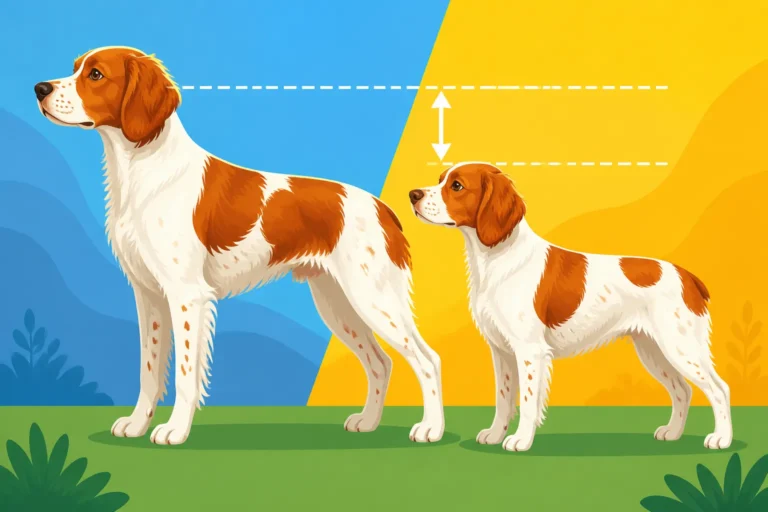
Whether a Brittany Is a Versatile Breed
A Brittany can point birds, retrieve, learn scent work, compete in dog sports, and settle into family life—but that range of talents can be mistaken for an ability to do everything without training. This guide explains what “versatile” really means for a Brittany, which activities tend to suit the breed, and what owners should consider before choosing one.
What versatility means in a Brittany
A versatile hunting dog with a clear specialty
The Brittany is widely considered a versatile pointing breed because it can work across several parts of a hunt. It searches for game, points to indicate where a bird is, and may retrieve downed birds on land or from water. That is a broader job description than simply finding or flushing game, but it does not mean every Brittany automatically performs each task equally well.
The breed’s roots are in hunting. A Brittany’s desire to use its nose, explore cover, and follow scent is part of what makes it capable in the field. The dog’s build and energy also suit active work, whether that means covering brush on foot or navigating a mix of open ground and denser cover. For background, What the Brittany Was Bred to Hunt explains the working purpose behind many of the behaviors owners see at home.
It is useful to distinguish versatility from specialization. A dog may be especially strong at finding and pointing birds, while needing more practice to retrieve reliably or remain steady after a bird flushes. Another may enjoy water retrieves but need help learning to search in a close, organized pattern. Natural ability gives an owner something to build on; it does not replace deliberate, patient training.
The Brittany is a pointing dog, not a flushing spaniel in the traditional sense. Its job is generally to locate game and indicate its presence rather than rush in to push it into the air. That distinction matters if you are comparing breeds or picturing how a dog will work beside you. The Brittany Points, It Does Not Flush gives more context on that difference.
Versatility is not the same as being easy for every owner
A Brittany may be able to take on many roles, but it is still an energetic sporting dog with strong instincts. Its range, drive, and need for activity can be a delight for someone who enjoys training and outdoor time. They can feel like a lot, however, for a household expecting a dog to be content with a short walk and little mental engagement.
Versatility also depends on the individual dog. Breeding, early experiences, temperament, health, and the owner’s training all shape what a Brittany is comfortable doing. Two dogs from the same litter may share enthusiasm for birds but differ in confidence around water, willingness to retrieve, or ability to relax in a busy home.
It helps to think in terms of potential rather than promises. A Brittany might enjoy hiking, field training, scent games, and family routines, but one dog’s success in several activities does not guarantee that another will have the same interests or skills. For a closer look at the breed’s general disposition, see What a Brittany's Temperament Is Really Like.
Activities a Brittany may enjoy beyond hunting
Training, dog sports, and scent-based games
Many Brittanys enjoy activities that let them move, think, and work with a person. Scent work can make use of their natural interest in following smells, while agility may suit dogs that like to move quickly and learn through short, lively sessions. Hiking and structured outdoor games can also provide exercise, though they do not automatically teach recall or safe off-leash habits.
The best activity is not necessarily the most demanding one. For some dogs, a few focused training sessions, a sniffing walk, and a food-search game at home may be more satisfying than constant high-speed exercise. Short sessions with clear goals often work well: practice a recall in a secure area, ask for a calm wait before opening a door, or hide treats for the dog to find. Whether a Brittany Can Do Agility explores one sport that can channel the breed’s energy, while Whether a Brittany Enjoys Scent Work is relevant for owners looking for a lower-impact way to engage its nose.
A Brittany can also participate in activities that build good everyday manners. Obedience, rally, and canine good citizen preparation can help turn enthusiasm into useful skills. These activities do not suppress a dog’s sporting instincts; they give the dog a clearer way to live alongside people. A reliable recall, loose-leash walking, and the ability to settle are practical skills whether the dog is destined for a field or a suburban park.
Family companion and working partner
Brittanys often form close bonds with their households and may enjoy being included in ordinary routines. Their versatility as companions comes from more than their athleticism: many are responsive, people-oriented dogs who like interaction and shared activities. But a close bond is not the same as being naturally calm or independent. A dog that follows its family around may still need to learn how to relax when nothing exciting is happening.
A family companion Brittany needs outlets that fit the household’s actual schedule. If the dog spends weekdays mostly indoors, plan regular exercise and enrichment rather than expecting it to entertain itself. Puzzle feeders, supervised searching games, and chew activities can help on quieter days. Owners who use Chewy for routine supplies may find it convenient to keep basics such as food puzzles or travel bowls on a repeat shopping list, while choosing items suited to their particular dog.
This is a breed that may suit an active family, but children and dogs should still be introduced thoughtfully and supervised. A young Brittany can be bouncy, and even a friendly dog can knock over a small child while playing. Owners weighing the household fit can read Whether a Brittany Suits a First Time Owner and A Brittany With Children and Other Animals for related considerations.
What affects how versatile an individual Brittany becomes
Breeding, range, and individual temperament
Brittanys vary in how they work and how much ground they cover. Some lines are selected with particular hunting goals in mind, and individual dogs can differ substantially even within broad categories. The American and French types are often discussed in terms of their typical working style and range, but labels are not a guarantee of how a specific dog will behave. How a French Brittany Differs From an American One can help frame those differences without treating them as fixed rules.
Range can be a practical concern for a walking hunter. A dog that naturally casts farther may need steady recall training, while a closer-working dog may be easier for some handlers to keep in view. Neither style makes a dog more or less versatile by itself. The question is whether the dog’s pace, range, and instincts work for the person handling it and the terrain they use.
Temperament matters just as much as working style. Confidence, sensitivity, curiosity, and the ability to recover after a surprise all influence how readily a dog takes on new activities. A sensitive Brittany may learn beautifully with patient, consistent handling, yet shut down if training becomes harsh or chaotic. A dog that appears hesitant in one setting may become confident with gradual exposure and a supportive approach.
Training and development shape the result
Versatility develops over time. A puppy does not need to master hunting, retrieving, obedience, and family manners all at once. Start with basic foundations—response to its name, recall, calm handling, and confidence in ordinary environments—then introduce new activities in manageable steps. The goal is not to overload a young dog, but to build skills without making each new experience stressful.
Retrieving is a good example of the difference between instinct and a finished behavior. Some Brittanys show a natural interest in carrying and bringing objects back, while others need encouragement and practice. A dog may retrieve a bumper in the yard but lose interest in a bird or refuse to return an object when distractions are present. Whether a Brittany Retrieves Naturally discusses why ability and reliability are not always the same thing.
Training should also match the activity. A dog learning field manners needs safe, carefully planned exposure and guidance from someone who understands bird-dog training. A family dog learning scent games can start with simple searches at home. If you are ordering training treats or enrichment supplies through Chewy, choose options that fit the dog’s size, chewing habits, and dietary needs rather than assuming one product works for every Brittany.
Choosing activities that fit your dog and household
Match the activity to your goals
Before adding a new activity, decide what you want it to do for your dog. Are you hoping to develop hunting skills, provide more exercise, build confidence, or make ordinary evenings less boring? One activity may not accomplish all of those things. A long hike can provide movement and new smells, but it may not teach the dog to come when called. A puzzle feeder may offer mental work, but it is not a substitute for exercise.
This table can help you compare common options:
| Activity | What it can offer | What it does not guarantee |
|---|---|---|
| Hunting and field training | Uses scenting, searching, pointing, and sometimes retrieving instincts | Reliable work without instruction and practice |
| Scent games | Mental engagement and a chance to use the nose | A replacement for all physical activity |
| Agility or similar sports | Movement, teamwork, and structured learning | Suitability for every dog or every joint and fitness level |
| Hiking and outdoor walks | Exercise, exploration, and shared time | Safe off-leash behavior without recall training |
| Family companionship | Social connection and participation in home life | A naturally settled dog with no exercise needs |
A useful routine may combine several modest activities rather than rely on one exhausting outing. For example, a household might take a brisk morning walk, practice a few minutes of recall in a secure space, and offer a short scent game after dinner. On another day, a training session or supervised hike may be the main event. Adjust the plan for age, fitness, weather, and any guidance from your veterinarian.
Notice when “more activity” is not the answer
A high-energy dog does not always need increasingly intense exercise. If every outing becomes a longer run or more exciting game, the dog may become fitter without learning how to settle. Owners can balance movement with rest, sniffing, gentle training, and quiet time. A Brittany that is overtired may become mouthy, restless, or less responsive, just as one that is under-stimulated may look for its own entertainment.
Look at the dog’s behavior across the whole day. Can it settle after exercise? Is it sleeping well? Does it seem eager to participate without becoming frantic? Are you seeing new limping, reluctance, or unusual fatigue? Those signs are a reason to scale back and, if needed, talk with a veterinarian. Activity should be adapted to the individual dog’s condition, not treated as a contest to tire it out.
If a Brittany is struggling to stay engaged at home, adding variety can help. Rotate simple enrichment activities, practice calm behaviors, and provide appropriate chew items. Chewy is one option owners may use when sourcing food puzzles or other routine enrichment supplies; choose products carefully and supervise any new item, especially if the dog tends to swallow pieces. The aim is not to buy a solution to every behavior, but to give the dog safe ways to use its energy and attention.
A realistic picture of versatility
A Brittany can be a capable hunting partner, an enthusiastic learner, and a much-loved companion. That combination is what makes the breed appealing to people who want a dog involved in several parts of life. Its versatility is most rewarding when the owner understands the breed’s sporting instincts and is ready to develop the dog’s skills with consistency.
The right expectations matter. A Brittany may not excel at every sport, instantly retrieve to hand, or calmly adapt to any schedule. Some individuals will be more comfortable with particular activities than others. If you are choosing a puppy or adult dog, ask about the parents’ temperaments and working styles, and be honest about how much time you can offer for training, exercise, and companionship.
In practical terms, a Brittany is versatile when its natural abilities are matched with suitable outlets and thoughtful training. It can move between field work, sport, and home life, but those roles do not happen automatically. The best plan is one built around the dog in front of you—and the kind of life your household can genuinely provide.
Disclaimer
This article is for general informational purposes only and does not constitute professional advice. Laws, prices and regulations vary by location and change over time. Consult a qualified professional for guidance on your specific situation.