Whether an English Pointer Sired the First Brittany
Many Brittany owners wonder about the precise origins of their beloved companions, often hearing whispers or common beliefs about English Pointers playing a foundational role in the breed's very first steps. It's a natural curiosity to want to know the true lineage of these remarkable gun dogs. This guide will delve into the historical records and breeder insights to unravel the truth about whether English Pointers sired the first Brittanys, providing clarity on the distinct influences that shaped the breed we know and love today.
The Historical Roots of the Brittany Breed
To truly understand the Brittany's lineage, we have to travel back in time, long before official breed clubs and kennel registrations existed. We're talking about a time when dogs were bred purely for function, developing types specific to the local hunting needs and terrain. The Brittany region of France was no exception, a place with a rich tradition of foot hunters and a need for a versatile, close-working bird dog.
A Glimpse into the Past: Early Brittany Dogs
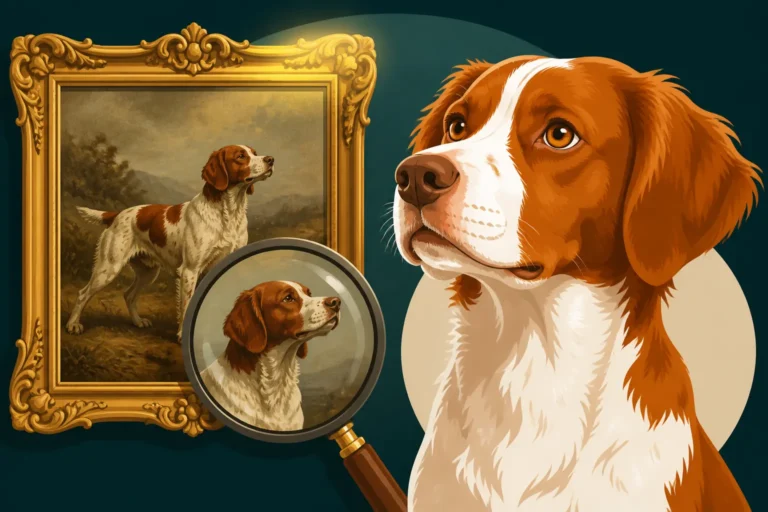
Imagine the rustic countryside of Brittany in the 17th or 18th century. Local peasants and small landowners needed a dog that could help put food on the table, not just a fancy show dog. These were hardy, agile dogs, often referred to simply as "foufous" or "gredins" – local dialect for a scamp or ruffian – working tirelessly to find and point game birds. They were medium-sized, often with natural bobtails, and possessed an innate bird sense that made them invaluable hunting partners. These early dogs weren't a formalized breed as we understand it today, but rather a landrace, evolving through generations of selective breeding by hunters for hunting prowess above all else. You can find hints of these early types if you look at Which Seventeenth Century Painting Shows a Brittany Type Dog.
These proto-Brittanys were prized for their keen noses, stamina, and ability to navigate dense cover without ranging too far from their walking hunter. They were a farmer's dog, a poacher's dog, perfectly suited to the conditions and hunting styles of their homeland. Their lineage was a mix of local dogs, refined over centuries by practical selection, rather than a single planned cross with an exotic import. Understanding What the Peasants of Brittany Used the Dog For really paints a picture of their early life.
The Influence of Local French Breeds
While the English Pointer connection is a popular myth, the truth is that the earliest influences on the Brittany were overwhelmingly local. Various regional French spaniel-type dogs and setters are believed to have contributed to the genetic pool. These were also dogs bred for hunting, often with keen noses and pointing instincts, and they provided the foundational genetics for what would later become the Brittany. Think of it as a melting pot of local working dogs, each bringing their own strengths to the table, slowly solidifying into a distinct type.
These native French breeds, often unrecorded or simply known by their region, were the true ancestors. They shared a common purpose with the emerging Brittany: to find and point upland game. The rugged terrain and traditional hunting methods of Brittany favored a dog with endurance, intelligence, and an intimate connection with its handler, traits that were already well-established in the local canine population. The story of Where the Brittany Comes From is intrinsically tied to these indigenous dogs.
The Role of English and Irish Setters in Brittany Development
While the English Pointer typically gets the spotlight in misinformation, historical accounts suggest that it was actually English and Irish Setters that had a significant, albeit later, impact on the development of the Brittany, particularly as the breed began to formalize in the 19th century. This distinction is crucial for understanding the breed's true genetic tapestry.
Sporting Dogs Across the Channel: How British Breeds Arrived
During the 19th century, British sportsmen frequently visited the Brittany region of France for hunting excursions. They often brought their own well-bred gun dogs with them – primarily English Setters, Irish Setters, and sometimes Springer Spaniels. It wasn't uncommon for these foreign dogs to be left behind, either intentionally or accidentally, with local French hunters. These highly skilled British hunting dogs, renowned for their pointing and retrieving abilities, naturally interbred with the native Brittany stock. This cross-breeding introduced new genetic diversity and refined certain desirable traits within the local population.
The influence of these British dogs helped to enhance the natural abilities already present in the regional Brittany dogs. The goal was always to improve hunting performance, not simply to create a new aesthetic. The progeny of these crosses often exhibited superior bird sense, stamina, and perhaps a more refined pointing style, making them highly sought after by local hunters. This period was a significant evolutionary step for the breed, building on its strong foundation.
Setting the Record Straight: Setter vs. Pointer Influence
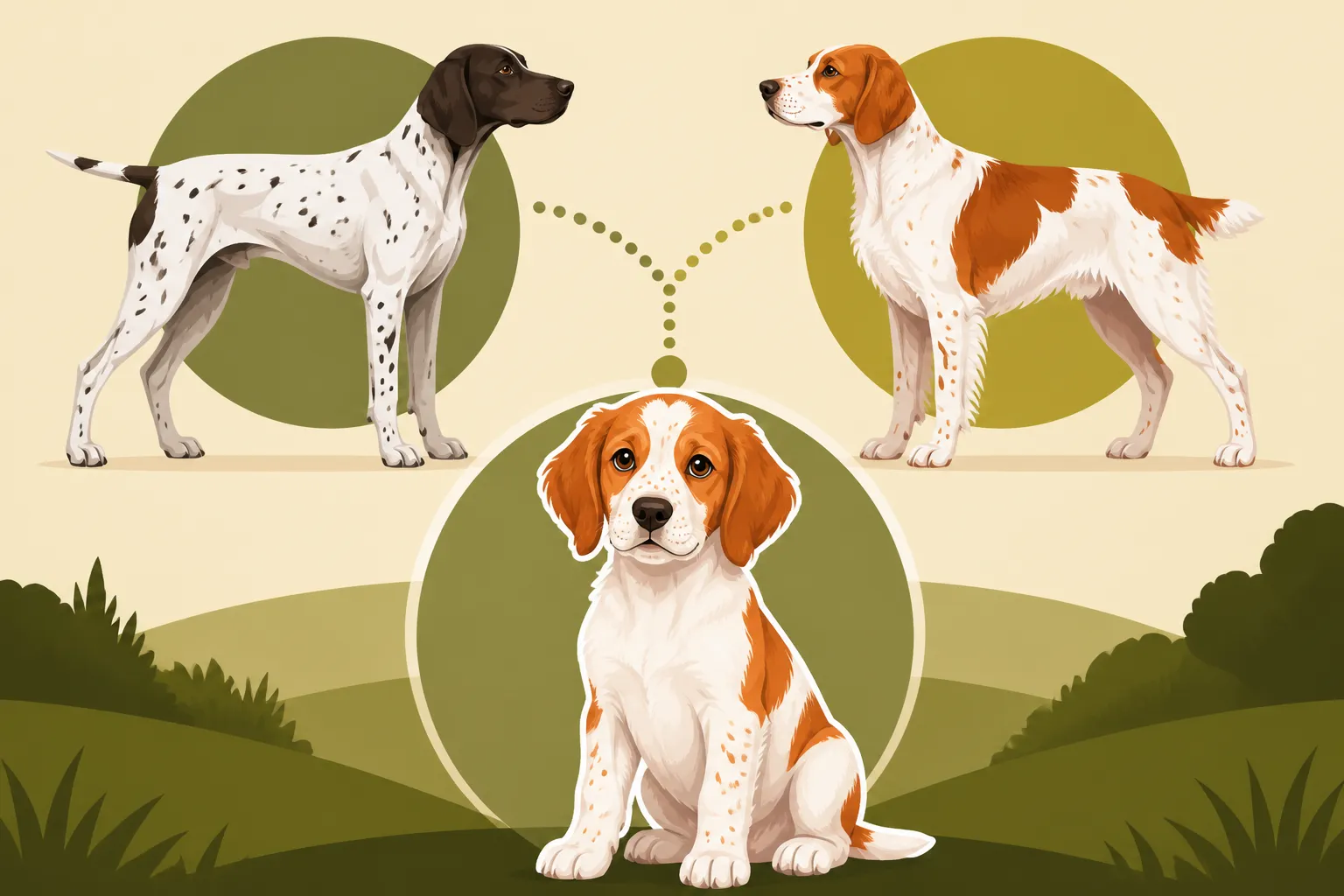
This is where the clarification is most important: the significant external influence came from setters, not primarily pointers. While both are pointing breeds, setters have a different conformation, coat, and often a different style of hunting. The long, feathered coats, amiable temperaments, and ground-covering search patterns of setters are more aligned with the traits we see in the modern Brittany than the sleek, short-coated, often wider-ranging English Pointer. Historical records and the visual evidence within the breed itself point strongly to setter influence.
The Pontou incident in the 1850s, often cited as a key moment in Brittany history, explicitly refers to a cross between a white and mahogany female and an English Setter male. This union produced exceptional progeny that significantly influenced the modern Brittany. This foundational cross, along with others, cemented the setter's role in the Brittany's ancestry. If you're curious about this specific event, look into What Happened at Pontou in the 1850s. So, while the myth of the English Pointer persists, it's the setters that truly contributed to the Brittany's refined qualities. Whether an English Setter Is in the Brittany also delves into this.
The Formalization of the Brittany Standard and Early Breeding Efforts
The journey from local working dog to officially recognized breed is a fascinating one, marked by dedicated individuals who saw the unique potential in the Brittany. This formalization process began in earnest in the early 20th century, cementing the traits that define the breed today and carefully documenting its lineage.
Early Breeders and the Quest for a Type
The early 1900s saw a concerted effort by French breeders to standardize the Brittany. They recognized that these exceptional local hunting dogs deserved official recognition and protection. This wasn't about introducing entirely new bloodlines but rather selecting the best examples of the existing type and breeding them consistently to establish a predictable set of characteristics. The first breed standard was laid out, defining the ideal physical attributes, temperament, and hunting style. This meant making careful choices about which dogs to breed, aiming for consistency in size, coat, color, and, most importantly, hunting ability.
These breeders were passionate hunters themselves, and their primary goal was to preserve and enhance the Brittany's incredible bird sense and biddable nature. They understood that the breed's strength lay in its versatility and its ability to work closely with a foot hunter. The emphasis was on maintaining the practical hunting dog, not on creating a flashy new look. This period of intentional breeding and standardization is truly when How Old the Brittany Breed Is began to be properly documented.
Documenting the Brittany's Lineage
The first official Brittany was registered in France in 1907, a naturally bobtailed male named Boy. This marked a pivotal moment, moving the Brittany from a regional landrace to a recognized breed with a documented lineage. The first breed club was formed shortly after, the Club de l'Epagneul Breton, dedicated to preserving and promoting the breed. Their efforts involved meticulously recording pedigrees, ensuring that future generations adhered to the developing standard. This commitment to documentation allowed for a clearer understanding of the breed's ancestry and helped to solidify its identity.
The creation of the breed standard was a collective effort, drawing on the wisdom of experienced hunters and breeders. It outlined everything from coat color (orange and white, liver and white, black and white not being allowed in the French standard for many years) to ear set and tail length. This crucial step helped guide future breeding decisions and ensured that the Brittany's unique qualities were maintained and passed down. Learning about When the Brittany Standard Was First Written offers great insight into this process.
Why the English Pointer Connection Persists (and Why It's Misleading)
It’s completely understandable why the myth of the English Pointer connection has persisted for so long. There are surface-level similarities that might lead an observer to draw a quick, but ultimately incorrect, conclusion. Let’s break down why this misconception endures and reiterate the true historical path.
Shared Traits, Different Paths
Both English Pointers and Brittanys are renowned for their pointing abilities – that statuesque freeze when they detect game. This fundamental shared trait, coupled with their shared purpose as bird dogs, can easily lead to confusion for those unfamiliar with the nuanced history of each breed. Pointers are indeed excellent pointing dogs, and their influence on other pointing breeds has been significant throughout history. It's not a stretch for someone to assume that such a prominent pointing breed would have a hand in the development of another.
However, a closer look reveals distinct differences. The English Pointer is typically a much larger, faster, and wider-ranging dog, bred for covering vast amounts of territory, often for mounted hunters. Their short, sleek coats, powerful musculature, and distinctive head shape are quite different from the compact, feathered, and biddable Brittany. While both are pointing breeds, their evolutionary paths and specific roles in hunting have diverged significantly. While you might find grooming supplies for both on a site like Chewy, their physical needs and appearances are quite different!
| Feature | Brittany (Epagneul Breton) | English Pointer |
|---|---|---|
| Primary Role | Close-working bird dog for foot hunters | Wide-ranging bird dog, often for mounted hunters |
| Typical Range | Closer, methodical, within gun range | Very wide, covers large distances |
| Coat Type | Medium length, dense, with feathering | Short, dense, sleek |
| Temperament | Biddable, eager to please, sensitive | Independent, driven, enthusiastic |
| Average Size | Medium (around 30-40 lbs, 17.5-20.5 inches) | Large (45-75 lbs, 23-28 inches) |
| Tail | Often naturally bobbed or docked short | Long, tapering "whip" tail |
This table clearly illustrates that while both excel at pointing, they are distinct breeds with different characteristics, developed for different hunting styles.
Tracing the True Ancestry
Ultimately, the evidence points to a much more intricate and locally-driven origin story for the Brittany. The breed developed from indigenous spaniel-type dogs of the Brittany region, later refined and enhanced by careful selective breeding with English and Irish Setters, not English Pointers. This distinction is vital for accurate historical understanding. The early breeders specifically cultivated the traits of versatility, close-working ability, and biddable temperament that define the Brittany today.
The breed's unique history is a testament to the dedication of French hunters and breeders who sought to create the ultimate foot-hunting companion. From its humble beginnings as a local's invaluable hunting partner to its current status as a beloved versatile gun dog, the Brittany's journey is one of organic development and intentional preservation of its distinct qualities. So, next time you hear someone mention English Pointers in connection with the Brittany's origins, you can confidently share the true story of its rich and fascinating ancestry, a story that truly belongs to Brittany, France, and the setters that helped shape it. Understanding Which Breeds Went Into the Brittany can help further clarify.
Disclaimer
This article is for general informational purposes only and does not constitute professional advice. Laws, prices and regulations vary by location and change over time. Consult a qualified professional for guidance on your specific situation.