Whether the Brittany Was a Poacher’s Dog
It's a question that often piques the curiosity of those who delve into the history of our beloved Brittany spaniels: were these quick, intelligent little dogs once the secret weapon of the poacher? It’s a notion that touches upon the breed's humble origins and its remarkable adaptability. This guide will explore the historical context, the Brittany's inherent traits, and the social realities that might have given rise to such a reputation, offering a comprehensive look at their role, past and present, as a true hunter's companion.
Understanding the Brittany's Origins and Purpose
To truly grasp whether the Brittany earned the moniker of a "poacher's dog," we must first journey back to its roots in the rugged, rural landscape of Brittany, France. This isn't a breed born of royal kennels or grand estates; rather, it emerged from the practical needs of everyday people.
The Humble Beginnings in Brittany, France
The region of Brittany, nestled in the northwest corner of France, was historically a land of subsistence farmers and working-class families. For centuries, these communities relied on the land for survival, and that often meant supplementing their diets with game found in the surrounding fields and forests. This wasn't sport hunting for the gentry; this was about putting food on the table. The dogs that shared their lives weren't just pets; they were essential working partners. This practical need shaped the development of the breed we know today.
The early ancestors of the modern Brittany were simply "country dogs," unspecialized but effective. They were expected to be versatile, able to flush, point, and retrieve, adapting to whatever game was available, from small birds to rabbits. It's this innate adaptability and strong hunting drive that defines the breed even now. If you've ever wondered about their precise geographical origin, you might be interested in reading The Brittany Comes From the Northwest Corner of France. Their development was organic, driven by the demands of their environment and the people they served, a stark contrast to many breeds selectively bred for aristocratic pursuits.
Breeding for Practicality, Not Prestige
Unlike many of the grander sporting breeds that were refined in the kennels of nobility for specific, often elaborate, hunting spectacles, the Brittany was developed by the gallic working class. Their focus was on efficiency, trainability, and a dog that could fit seamlessly into a modest home. They needed a dog that wasn't overly large, wouldn't eat them out of house and home, and was keen to please and work alongside its human partner.
This drive for practicality meant that traits like excessive speed or an impossibly wide range, which might be valued in large-scale hunts, took a backseat to a more moderate, manageable hunting style. The early Brittanys were companions that could hunt all day, yet curl up by the hearth at night without demanding constant elaborate exercise. This intimate connection between the dog and its working-class owner forged a temperament that is eager to cooperate and deeply loyal. In essence, the breed was shaped by necessity and shared purpose, making it an invaluable asset to anyone, regardless of their social standing, who sought to harvest game. This history informs What the Brittany Was Bred to Hunt.
The Traits That Lent Themselves to Discreet Hunting
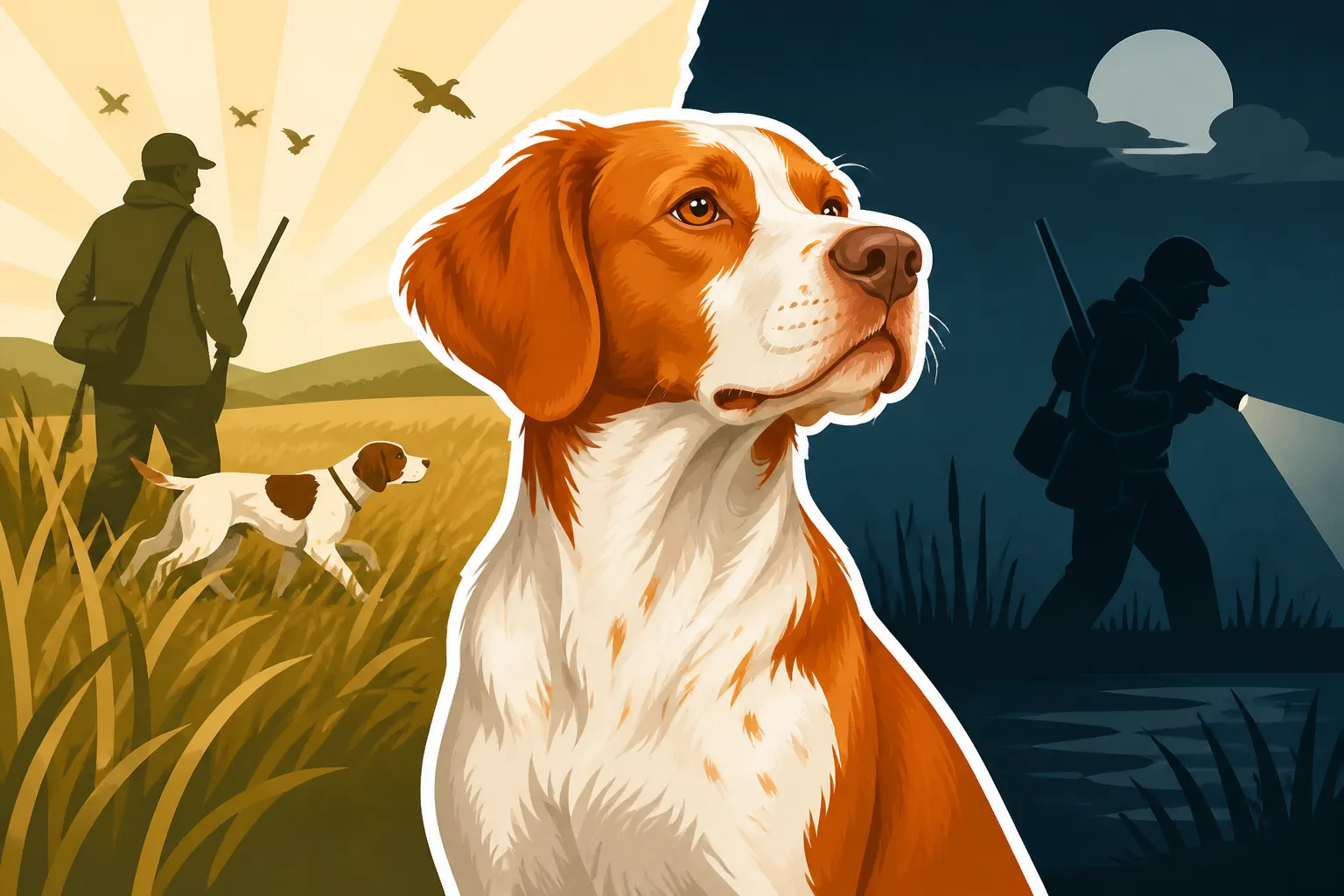
When we consider the possibility of the Brittany being a "poacher's dog," it's not about an inherent criminal intent, but rather about the specific traits that made them exceptionally good at discreet, efficient hunting – qualities that could be applied to both legal and illegal pursuits.
Size and Build: Perfectly Suited for Stealth
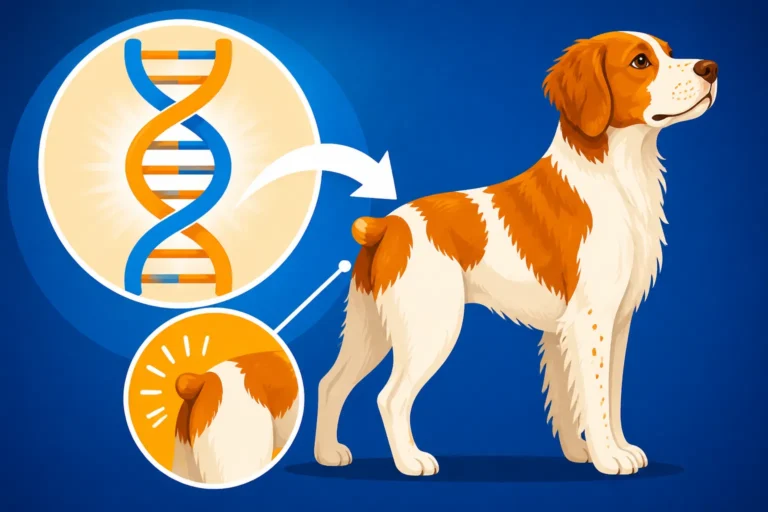
One of the most defining characteristics of the Brittany is its compact, athletic build. They are often referred to as the smallest of the versatile pointing breeds, a point elaborated upon in The Brittany Is the Smallest of the Versatile Pointing Breeds. This moderate size, typically weighing between 30 to 40 pounds and standing around 17.5 to 20.5 inches at the shoulder, made them incredibly practical. They were small enough to be unobtrusive, easily concealed, and could navigate dense undergrowth without creating a racket. A large, boisterous hound would draw attention, but a Brittany could work silently and close to its handler.
Imagine a farmer needing to quickly gather a bird for dinner in an area where game might be reserved for the local lord. A smaller dog could slip through hedgerows and thickets with minimal disturbance, pointing game with a quiet intensity rather than a thundering chase. They could be transported discreetly, perhaps even hidden in a cart or under a coat, far more easily than a larger setter or pointer. This stealth factor was paramount when discretion was key, whether for a quick, legal hunt on one's own land or for something more clandestine.
Temperament: Biddable and Intelligent
The Brittany's reputation for being "soft" or highly sensitive isn't a weakness; it's a testament to their deep desire to please and their keen intelligence. They thrive on positive reinforcement and clear, consistent communication. This biddability means they are incredibly responsive to their handlers, a trait that would have been invaluable for any hunter, legal or otherwise, who needed a dog that would obey subtle commands and work in close concert. The article How Biddable a Brittany Is delves deeper into this aspect.
A highly intelligent dog, a Brittany can read its handler's intentions and adapt to changing circumstances quickly. This is precisely the kind of partner a discreet hunter would need – one that understands unspoken cues, can adjust its range on command, and won't go rogue. Their intelligence also allows them to learn quickly and retain training, making them efficient partners in any hunting scenario. They are not dogs that easily forget a lesson, good or bad.
Natural Hunting Instincts: Pointing and Retrieving
The Brittany possesses an exceptional array of natural hunting instincts. They are renowned for their intense pointing ability – a frozen, statuesque pose that signals the presence of game without a sound. The Brittany Points, It Does Not Flush speaks volumes about this characteristic. This silent communication is a critical asset for any hunter aiming for minimal disturbance, whether on a formal hunt or a less formal one. They hold their point with unwavering focus, allowing the hunter to approach undetected.
Beyond pointing, Brittanys are also natural retrievers. Once the bird is downed, they will eagerly and gently bring it back to hand. This ensures no game is lost or left behind, a vital consideration when every bird counts for sustenance. These combined instincts for silent detection and efficient recovery meant a Brittany could effectively locate, indicate, and retrieve game without drawing undue attention, making them an ideal, albeit potentially controversial, partner in diverse hunting contexts throughout history. The very qualities that make them superb companions for ethical hunting today were the same ones that could have made them invaluable in a time when hunting was a matter of survival.
Historical Context of Poaching and Game Laws
To understand the connection between Brittanys and the idea of a "poacher's dog," we must look at the socio-economic realities and strict game laws that existed in historical Europe, particularly in rural France.
The Harsh Realities for Peasants
For centuries, much of Europe operated under feudal systems where land, and thus the game upon it, was largely controlled by the aristocracy and wealthy landowners. Peasants, who toiled on this land, often faced dire poverty and hunger. Their access to protein was limited, and fishing or hunting small game on common lands, or even the lord's land out of necessity, was often their only recourse to feed their families. These weren't acts of wanton destruction or sport; they were acts of survival.
Laws were incredibly strict, often designed to protect the "sporting rights" of the elite. A peasant caught hunting game on a lord's estate, even for survival, faced severe penalties, including imprisonment, harsh fines, or even worse. In such an oppressive environment, a dog that could help secure food discreetly, without drawing attention, would not just be a convenience, but a lifesaver. This desperation fostered a deep bond between humans and their resourceful canine partners.
The Overlap Between Necessity and Illegality
Given the strict game laws and the economic desperation of the rural poor, the line between legal and illegal hunting was often blurred by necessity. A peasant might own a dog like a Brittany primarily for hunting on their small plot or assisting with tasks on the farm. However, if their family was starving, and an opportunity arose to take game from a nearby, heavily guarded estate, the same skilled dog would be pressed into service. The dog's abilities were neutral; it was the context of the hunt and the legal framework that rendered the act "poaching."
The Brittany's small size, silent point, and biddable nature made it perfectly suited for such clandestine operations. It could work quietly, close to the handler, and retrieve game without a fuss. This wasn't about the breed being a poacher's dog by design, but rather that its inherent qualities made it effective at hunting in situations where discretion was paramount, which unfortunately often meant operating outside the strictures of the law. Their value lay in their efficiency and their ability to operate without attracting the attention of gamekeepers.
Distinguishing "Poacher's Dog" from "Hunter's Companion"
It's important to clarify the nuance in the term "poacher's dog." While the Brittany's traits might have made it suitable for discreet hunting, the breed was (and is) fundamentally a hunter's companion, developed for legitimate purposes.
The Evolution of the Brittany's Role
The term "poacher's dog" often carries a negative connotation, implying something illicit or devious. However, when applied to the historical Brittany, it speaks more to the socio-economic conditions of the time than to any inherent vice in the dog itself. The Brittany was, first and foremost, a practical hunting dog for the common person. They were an accessible breed, not requiring the extensive resources of the aristocracy.
As game laws slowly evolved and societies changed, the Brittany's role transitioned from a dog that might have been used for sustenance hunting (legal or otherwise) to a widely recognized and respected sporting dog. Their innate abilities—the intense point, the tireless retrieve, and their keen intelligence—were formally appreciated and developed within established hunting traditions. The breed proved itself capable in organized field trials and became a beloved partner for ethical hunters across various landscapes. The perception shifted from a dog of necessity to a dog of excellence within the sporting world.
The Ethical Hunter's Partner Today
Today, the Brittany is celebrated as one of the finest versatile gun dogs available. They are cherished companions for upland bird hunters, whether walking through expansive prairies or navigating dense cover. Their natural instincts are honed through dedicated training, not for stealthy transgression, but for productive and ethical hunting in accordance with conservation principles and game laws.
Modern Brittany owners invest in quality gear, training resources, and health care to ensure their dogs are at their best. From durable leashes and training collars to performance dog food, many find what they need at reputable retailers like Chewy. These tools aid in developing a highly skilled hunting partner. The focus is on teamwork, conservation, and enjoying the outdoors. The image of the Brittany today is one of a dedicated athlete and loyal family member, a far cry from the secretive silhouette suggested by the "poacher's dog" label, yet still embodying the resourceful spirit of its ancestors.
The Modern Brittany: A Legacy of Versatility
The historical context of the "poacher's dog" label, born out of necessity, only serves to highlight the incredible adaptability and innate talent of the Brittany. Today, their legacy is one of unparalleled versatility and an enduring spirit of partnership.
From Fields of France to American Homes
The Brittany’s journey from the modest fields of rural France to becoming one of the most beloved pointing breeds in North America and beyond is a testament to its intrinsic value. When the breed arrived in America, as discussed in When the Brittany Reached America, it quickly gained traction among foot hunters who appreciated a dog that could work efficiently without ranging excessively far, though differences between American and French lines did emerge, as explored in How a French Brittany Differs From an American One.
Today, American Brittany owners enjoy a dog that, while retaining its working heritage, is also a fantastic family companion. They excel not just in the field but also in various dog sports like agility, obedience, and scent work. Their energetic nature means they thrive with active families, and their affectionate disposition makes them a joy indoors. You'll often find Brittanys snuggled on the couch after a long day, perfectly content to be part of the family, a true dual-purpose dog in every sense. Whether the Brittany Was Ever a Popular Pet Breed is a good read for those interested in their broader appeal.
Upholding the Breed's Heritage
Responsible Brittany breeders and owners today are deeply committed to preserving the breed's natural hunting instincts and sound temperament. They strive to produce dogs that are not only excellent in the field but also well-adjusted, healthy family members. This commitment involves careful breeding practices, health testing, and thorough socialization from puppyhood. The strong bird drive and biddable nature that once might have made them suitable for clandestine activities are now channeled into legitimate, ethical hunting and competitive dog sports.
The breed's standard celebrates its moderate size, athletic build, and vibrant intelligence. When you see a Brittany intensely pointing a bird, retrieving a downed pheasant, or simply charming a crowd with its friendly demeanor, you are witnessing the culmination of centuries of selective breeding for a truly versatile and devoted companion. This legacy of capability and companionship, often supported by essential supplies from trusted sources like Chewy for their active lives, ensures the Brittany remains a vibrant and cherished breed for generations to come. What Epagneul Breton Means helps to understand the historical naming of the breed, linking its past to its present.
| Trait | Historical Interpretation (Discreet Hunting) | Modern Interpretation (Ethical Hunting) |
|---|---|---|
| Size | Compact for concealment and quiet movement through cover. | Agile and enduring for long days in diverse terrain; fits smaller transport. |
| Biddability | Responsive to subtle commands for stealthy operations. | Highly trainable and eager to please, making them excellent partners for all skill levels. |
| Pointing Instinct | Silent, intense indication of game location, crucial for avoiding detection. | Classic, staunch point allowing hunter to prepare for the shot; a hallmark of the breed. |
| Retrieving Instinct | Ensures no game is lost, minimizing noise and trace. | Efficient and gentle game recovery, reducing lost birds and ensuring ethical hunting. |
| Stamina & Drive | Tireless pursuit of game for essential sustenance. | Enduring energy for full days in the field, covering vast ground without tiring. |
The notion of the Brittany as a "poacher's dog" is, ultimately, a testament to its extraordinary abilities and the circumstances of its origin. It speaks not to a nefarious quality of the dog itself, but to its resourcefulness and the critical role it played in the lives of ordinary people who, at times, had to rely on every advantage to survive. This remarkable capacity for partnership, whether in times of hardship or for the joy of ethical sport, continues to define the Brittany today. The breed's inherent intelligence and eagerness to please are still highly valued, and their sensitive nature, discussed in The Brittany Is the Softest of the Pointing Breeds, means they thrive on positive reinforcement and a strong bond with their handler, whether that's in a field trial or just romping in the backyard with a favorite toy from Chewy. What a Brittany's Temperament Is Really Like offers further insight into their personality. This unique blend of rugged athleticism and gentle companionship is why the Brittany remains such a beloved breed.
Disclaimer
This article is for general informational purposes only and does not constitute professional advice. Laws, prices and regulations vary by location and change over time. Consult a qualified professional for guidance on your specific situation.