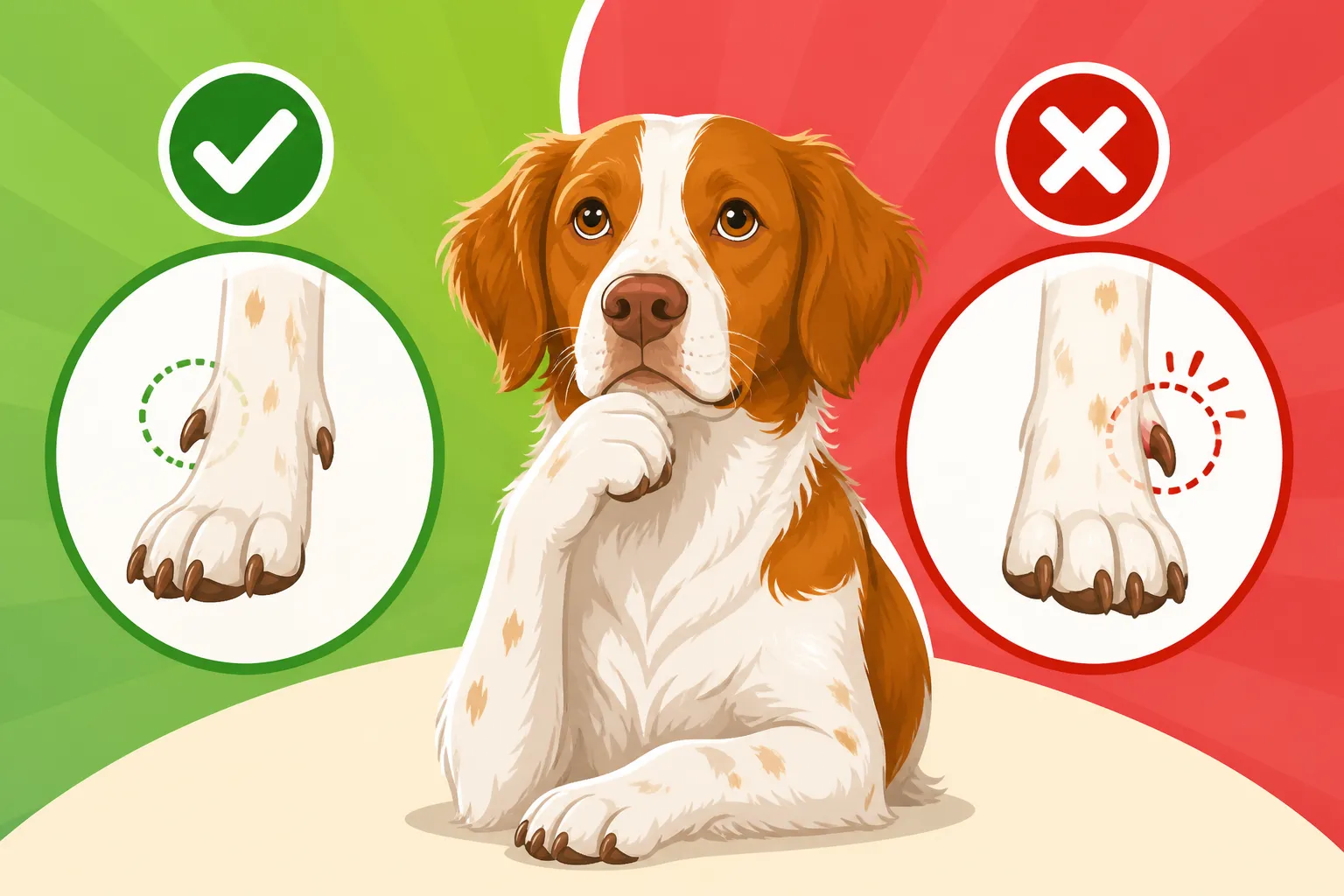
Whether a Brittany’s Dewclaws Should Be Removed
It’s a common moment for new Brittany owners: you’re petting your sweet, energetic puppy, and you feel it – that little extra claw on the inside of their leg, dangling somewhat awkwardly. Or perhaps you’re out in the field with your seasoned hunting companion, and a snagged dewclaw has sent you both on an emergency trip to the vet, leaving you wondering if this "extra" digit is more trouble than it's worth. This guide is here to walk you through everything you need to know about Brittany dewclaws, helping you understand their purpose, the potential issues they can cause, and whether removal is the right choice for your beloved dog.
Understanding Brittany Dewclaws
Before we dive into the "should they stay or should they go" debate, let's get a clear picture of what dewclaws actually are on your Brittany. They often seem like an anomaly, a vestigial digit, but they actually have a place in canine anatomy and, for some dogs, even a function.
Anatomy of a Dewclaw
A dewclaw is essentially a digit that doesn't reach the ground when your Brittany stands. It's located higher up on the inside of the leg, similar to a human thumb. Structurally, it consists of bone, muscle, and tendon, much like the other toes on their paw, and it ends in a nail. The key difference is its position and lack of direct weight-bearing function in most everyday movements. You might notice that some dewclaws are more firmly attached to the bone, while others seem to hang quite loosely, connected only by skin and a bit of soft tissue. This difference in attachment plays a big role in how prone they are to injury.
Front vs. Rear Dewclaws
It's important to distinguish between front and rear dewclaws, as their presence and significance can vary greatly. All Brittanys, like most dogs, have dewclaws on their front legs. These front dewclaws are typically well-formed and can actually serve a purpose. When your Brittany is running at high speeds or making sharp turns, they can use their front dewclaws to grip the ground for added traction, much like a soccer player uses studs on their boots. They can also use them to hold bones or toys.
Rear dewclaws, on the other hand, are far less common in Brittanys and often have a much weaker attachment. If a Brittany does have rear dewclaws, they are usually found on the inside of the hind leg, higher up, and tend to be more loosely attached, often with little to no bone connection. These are generally considered entirely vestigial and serve no functional purpose. In many breeds, such as Great Pyrenees, double rear dewclaws are part of the breed standard, but this is not the case for Brittanys. For most Brittany owners, any discussion around removal will primarily concern the front dewclaws, or any weakly attached rear dewclaws if present.
Why Some Breeds Have Them
The presence of dewclaws is an ancestral trait, believed to be remnants from when dogs' ancestors might have used them more extensively, perhaps for climbing or greater agility on varied terrain. Over generations, as dogs evolved and their needs changed, these digits became less crucial for survival, and in many breeds, they have either disappeared or become loosely attached. For a versatile hunting breed like the Brittany, which is required to navigate diverse environments from dense cover to open fields, having fully functional front dewclaws could still offer a subtle advantage in agility and traction. However, the breed standard for the Brittany specifically states that rear dewclaws should be removed, while front dewclaws are typically left intact. This distinction highlights the perceived functional difference between the two.
The Pros and Cons of Dewclaw Removal
The decision to remove dewclaws, especially the front ones, is one that many Brittany owners wrestle with. It's not a straightforward "yes" or "no" answer, as there are valid arguments on both sides.
Arguments for Removal
The primary argument for dewclaw removal, particularly for active breeds like the Brittany, centers on injury prevention. Imagine your Brittany crashing through thick briars or running at full tilt through tall grass in pursuit of a bird. A dewclaw, especially a loosely attached one, can easily catch on brush, tear, or get completely ripped off. This kind of injury is incredibly painful, often bleeds profusely, and can lead to infection, requiring an emergency vet visit. For a dog that spends a lot of time in the field, this risk is very real. Preventing such a traumatic injury is a strong motivator for many owners. Additionally, some owners find intact dewclaws a bit of a grooming nuisance, as they can sometimes grow too long if not consistently trimmed, curling around and potentially growing into the paw pad, which is also painful and prone to infection. Using tools like those found on Chewy or Amazon for trimming dewclaws can be tricky if the dog is not cooperative or if the dewclaw is difficult to access.
Arguments Against Removal
On the flip side, many argue against routine dewclaw removal, particularly for front dewclaws, citing their potential function and the fact that it is a surgical procedure. As mentioned, front dewclaws can aid in traction and stability, especially during high-speed turns or when traversing uneven ground. Removing them might, in theory, impact a dog's agility or increase stress on other joints over time. Furthermore, dewclaw removal is a surgical procedure, whether done on a young puppy or an adult dog. It involves anesthesia (for adults), pain, and a recovery period. While often considered minor in puppies, it's still an invasive procedure that carries risks, including infection, chronic pain, nerve damage, or lameness, albeit rare. The ethical debate also looms: if a dewclaw isn't causing a problem, is it truly necessary to remove a natural part of a dog's anatomy? Many believe that unless there's a medical reason or a clear history of injury, it's better to leave them alone.
Potential Complications of Removal
While generally safe, dewclaw removal can have complications. For puppies, the procedure is relatively simple, but pain management is still crucial. For adult dogs, it's a more involved surgery, requiring general anesthesia, sutures, and a longer recovery. Post-operative complications can include infection at the surgical site, swelling, bleeding, or suture dehiscence (where the wound reopens). Less common but more severe complications might involve nerve damage leading to persistent pain or altered gait. It's a decision that should always be made in consultation with your veterinarian, weighing the potential benefits against these risks, especially if you're considering removing front dewclaws from an adult Brittany.
When is Dewclaw Removal Considered?
The timing and specific circumstances often dictate whether dewclaw removal becomes a serious consideration for a Brittany owner. There are distinct differences depending on the dog's age and the reason for contemplating the procedure.
Puppyhood Removal
The most common time for dewclaw removal, if it's done at all, is when a Brittany puppy is just a few days old – typically between 3 and 5 days. At this age, the procedure is quick, usually performed without anesthesia, and the puppies experience minimal discomfort, healing rapidly. Breeders often opt for this for the rear dewclaws, in alignment with the breed standard, or for front dewclaws if they believe it will prevent future injuries, especially for puppies destined for active field work. Many argue that performing it this early significantly reduces pain and recovery time compared to doing it on an older dog. If you acquire a Brittany puppy, it's likely this decision has already been made by the breeder, especially for rear dewclaws. It's a good question to ask when you are Which Questions to Ask a Brittany Breeder.
Adult Dog Removal (Injury-Related)
For adult Brittanys, dewclaw removal is typically only considered if there's a recurring problem or a severe injury. If your Brittany has suffered a torn, ripped, or repeatedly injured dewclaw, your veterinarian might recommend removal to prevent future incidents. This is often the case when the dewclaw is poorly attached and gets snagged frequently while the dog is hunting or running in heavy cover. A severely torn dewclaw can be an open wound that's difficult to keep clean in an active dog, leading to chronic infections or pain. In such scenarios, the benefits of removal—eliminating future pain and injury risk—often outweigh the risks of adult surgery. The recovery for an adult will be more involved, often requiring a cone to prevent licking, pain medication, and restricted activity for several weeks. Owners of active hunting dogs are familiar with The Injuries a Brittany Picks Up in the Field, and a dewclaw injury can definitely be one of them.
Breed Standard vs. Practicality
The American Brittany breed standard specifically calls for the removal of hind dewclaws. Front dewclaws, however, are typically left intact. This often creates a dilemma for owners and breeders. While adherence to the breed standard is important for conformation showing, the decision for front dewclaws usually comes down to practicality and the individual dog's lifestyle. A Brittany destined for serious field trials and wild bird hunting might benefit from removal if it's consistently getting caught, regardless of the front dewclaw's functional potential. Conversely, a Brittany who is more of a companion animal with less exposure to rough terrain might never experience a dewclaw injury. It’s a balance between preventing potential future problems and avoiding an elective surgical procedure.
The Procedure and Recovery
If, after careful consideration and consultation with your vet, you decide that dewclaw removal is the best option for your Brittany, understanding the procedure and what to expect during recovery is essential.
The Surgical Process
For newborn puppies, dewclaw removal is a very simple and quick procedure. The vet or breeder typically uses surgical scissors or a scalpel to snip off the dewclaw. Because their nervous systems are still developing, and the bone is cartilaginous, the puppies experience minimal pain and recover almost instantly. There's usually no stitching required, and they go right back to nursing.
For adult Brittanys, the procedure is more complex. It's a surgical operation performed under general anesthesia. The veterinarian will surgically remove the dewclaw, which may involve cutting through bone and muscle if it's well-attached. The incision will then be closed with sutures. Your dog will receive pain medication before, during, and after the surgery, and possibly antibiotics to prevent infection. This procedure is much like any other minor surgery and requires careful monitoring and aftercare.
Pain Management and Aftercare
Pain management is crucial, especially for adult dogs undergoing dewclaw removal. Your vet will likely prescribe pain relievers to keep your Brittany comfortable during the initial recovery period. It's vital to follow these instructions precisely. The surgical site will need to be kept clean and dry to prevent infection. This usually means preventing your dog from licking or chewing the wound, often with the help of an Elizabethan collar (the dreaded "cone of shame"). You'll also need to monitor the wound for any signs of infection, such as redness, swelling, discharge, or foul odor. Your vet might schedule a follow-up appointment to check the healing progress and remove stitches, typically around 10-14 days after the surgery.
Recovery Time and Restrictions
Recovery time varies significantly between puppies and adult dogs. For puppies, recovery is almost immediate, with no special care usually needed beyond ensuring the area is clean. For adult Brittanys, full recovery can take a few weeks. During this time, your dog's activity will need to be restricted to prevent putting stress on the surgical site. No running, jumping, or strenuous exercise for at least two weeks, or as advised by your vet. Leash walks for potty breaks will likely be the extent of their outdoor activity. This can be challenging for an energetic Brittany, so be prepared with plenty of mental stimulation, like puzzle toys or gentle indoor games. Keeping them calm is paramount to proper healing, and preventing reinjury to the healing site.
Caring for Intact Dewclaws
If you choose to keep your Brittany's dewclaws (especially the front ones), or if they came to you with them intact, proper care is essential to prevent the very injuries and problems that lead some owners to opt for removal. It's about proactive management, not reactive treatment.
Regular Trimming is Key
This is perhaps the most important aspect of caring for intact dewclaws. Because dewclaws don't make contact with the ground when your Brittany walks, they don't get naturally worn down like their other nails. If left untrimmed, they can grow excessively long, curl around, and eventually grow into the paw pad or skin, causing immense pain, lameness, and severe infection. Imagine having an ingrown toenail, but on a sensitive, active part of your dog's leg.
Regular trimming, often every 2-4 weeks, is necessary. If you're comfortable, you can do this yourself with appropriate dog nail clippers (many brands are available on Amazon or at your local pet store like Chewy). If your Brittany is not a fan of nail trims, or if you're nervous about cutting too short and hitting the quick, your vet or a professional groomer can perform this service. Making it a positive experience from puppyhood can help immensely. For a more detailed look at general paw care, check out How Often a Brittany's Pads Should Be Checked.
Checking for Injury and Infection
Even with regular trimming, dewclaws can still be susceptible to injury, especially for a hunting Brittany. After every outing, particularly if your dog has been in thick cover, it's crucial to thoroughly check all their paws and legs, including the dewclaws. Look for any signs of redness, swelling, cuts, tears, or bleeding around the dewclaw. If you notice any of these, clean the area gently with a mild antiseptic solution and contact your vet. Early detection of a minor snag can prevent it from escalating into a serious infection. Signs of infection include pus, strong odor, excessive swelling, or your dog licking the area constantly.
Protective Measures for Active Dogs
For Brittanys that are regularly in the field or engaged in strenuous activities, consider some protective measures for their dewclaws. Products like paw waxes can help toughen pads and may offer a slight layer of protection around the dewclaws, though their primary function is for the main pads. Dog boots are another option, particularly for extreme conditions or very dense, abrasive cover. While not all Brittanys take kindly to wearing boots, some adapt well, and they can provide excellent protection from burrs, thorns, and sharp stubble that could snag a dewclaw. If your Brittany is prone to dewclaw injuries, discuss these options with your vet or an experienced hunting dog trainer. The cost of prevention is often far less than the cost of treating an injury, both in terms of money and your dog's discomfort. It's part of the general preparation for a hunting season, which might include considering The Gear a Brittany Needs Before Its First Bird.
| Dewclaw Management Option | Pros | Cons | Best For |
|---|---|---|---|
| Removal (Puppy) | Quick healing, minimal pain, prevents future injury, aligns with breed standard for rear. | Elective surgery, potential for slight discomfort, irreversible. | Puppies with rear dewclaws (as per standard) or front dewclaws in high-risk working lines. |
| Removal (Adult) | Eliminates recurring injury/pain, improves dog's comfort long-term. | Invasive surgery (anesthesia, sutures), longer recovery, higher cost, potential complications. | Adult Brittanys with chronic or severe dewclaw injuries. |
| Intact (Lifelong Care) | No surgery, preserves potential function (front), maintains natural anatomy. | Requires diligent, regular trimming, risk of injury if neglected or in rough terrain. | Brittanys with well-attached front dewclaws that are consistently maintained and checked. |
Ultimately, the decision of whether or not to remove your Brittany's dewclaws is a personal one, best made in partnership with your veterinarian, considering your dog's individual health, activity level, and the specific characteristics of their dewclaws. Whether you choose removal or lifelong care, understanding the implications and being proactive is the best way to ensure your Brittany lives a comfortable, active, and healthy life.
Disclaimer
This article is for general informational purposes only and does not constitute professional advice. Laws, prices and regulations vary by location and change over time. Consult a qualified professional for guidance on your specific situation.