Whether a Brittany Should Be Fed After a Hunt Instead
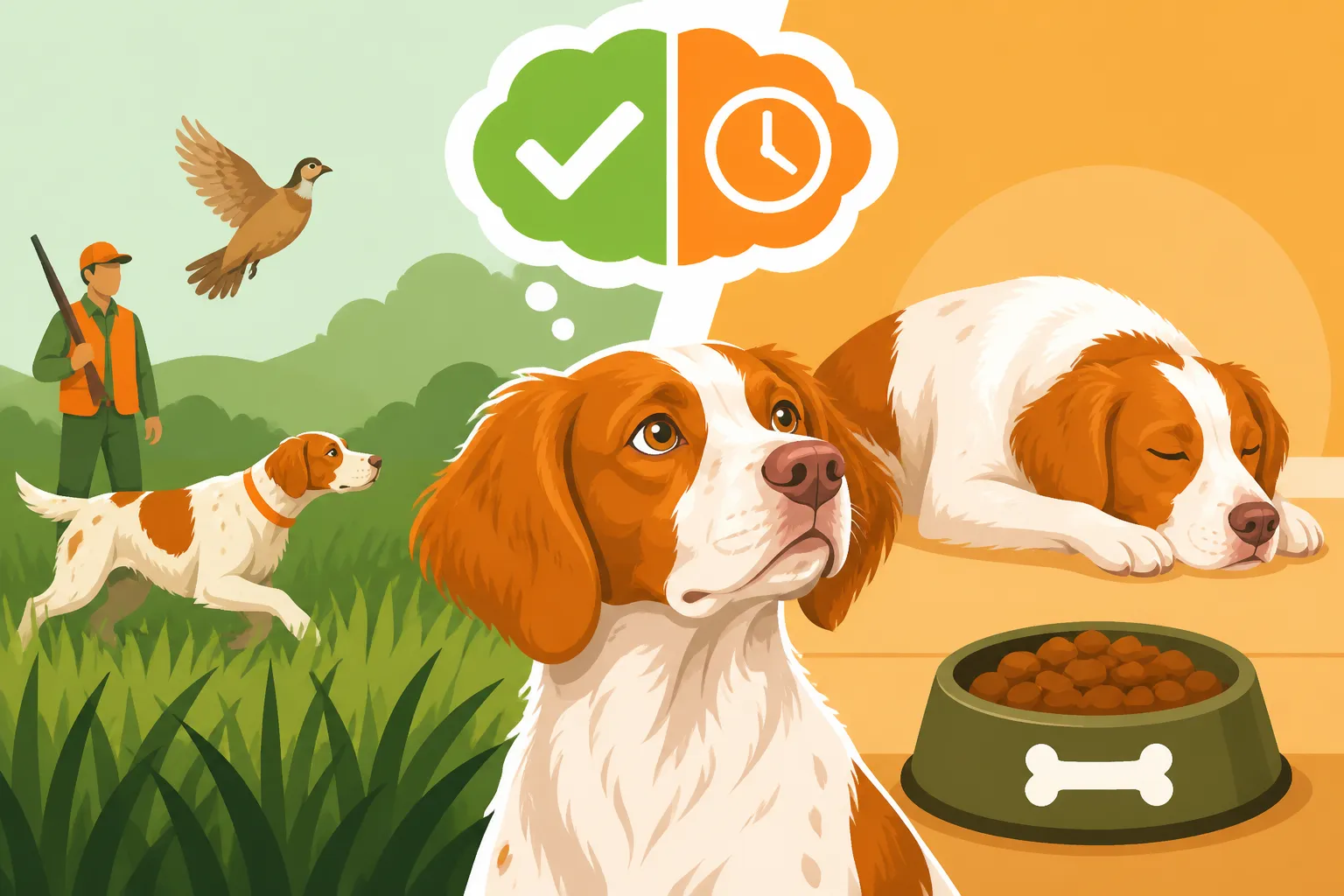
It's a common dilemma for Brittany owners, especially when preparing for or returning from a vigorous hunt: should I feed my dog before we head out, after we get back, or does it even matter? This question often leaves us scratching our heads, juggling concerns about energy, digestion, and the dreaded possibility of bloat. This guide is here to unravel the complexities of feeding your active Brittany around hunting excursions, helping you make informed decisions for their health and performance.
The Body's Balancing Act: Digestion, Energy, and Exertion
When it comes to feeding our sporting dogs, it’s not just about what they eat, but when. A Brittany’s body, like any athlete’s, has specific physiological demands that shift dramatically between rest and intense activity. Understanding how digestion, energy use, and physical stress interact is key to a healthy and well-performing hunting companion. Many of us have mistakenly believed that a big meal before a big day out would be beneficial, only to realize it might do more harm than good. It's frustrating to try and do the best for your dog, only to feel like you're navigating a minefield of conflicting advice.
The Risks of Eating Before High Exertion: Bloat and Beyond
One of the most serious concerns for deep-chested breeds like the Brittany is Gastric Dilatation-Volvulus (GDV), more commonly known as bloat. While not every Brittany will bloat, the risk is real, and feeding a large meal too close to strenuous activity significantly increases it. When a dog eats, its stomach fills with food and gas, and if it then engages in intense running, jumping, or sudden movements, that full stomach can twist on itself, cutting off blood supply and trapping gas. This is a life-threatening emergency that requires immediate veterinary intervention.
Beyond bloat, feeding a substantial meal right before a hunt can lead to a host of other digestive upsets. Imagine trying to run a marathon right after Thanksgiving dinner – you'd feel sluggish, crampy, and probably nauseous. Your Brittany feels much the same. A full stomach means the body's resources are diverted to digestion, rather than being fully available for muscle function and sustained energy. This can result in cramps, vomiting, diarrhea, and general discomfort, all of which will severely hamper your dog's performance and enjoyment of the hunt. It can be heartbreaking to see your usually vibrant dog struggling in the field because of an honest mistake in timing their meal.
Energy Demands During a Hunt: Why Fuel Matters
Hunting demands immense energy from your Brittany. They're covering miles, using their keen sense of smell, holding points, and often retrieving birds. This isn't a casual stroll; it's an athletic event. Their bodies primarily burn carbohydrates and fats for fuel during these activities. While a pre-hunt meal might seem logical for providing this fuel, the timing is critical. If the food is still in the process of digestion, it won't be readily available as energy, and as we discussed, it increases risks like bloat.
Instead, the body relies on energy stores – glycogen in the muscles and liver, and fat reserves. These stores are built up over time, through a consistent, balanced diet. A performance-focused diet, often higher in fat and protein, helps build these reserves. You can learn more about this by reading Whether a Working Brittany Needs a Performance Food. Providing a small, easily digestible snack a few hours before a hunt can offer a quick boost of readily available carbohydrates, but a full meal needs proper time to digest. The goal is for the food to be processed and its nutrients absorbed before the intensity begins, ensuring your Brittany has sustained energy without a heavy stomach.
The Case for Feeding After a Hunt: Rebuilding and Recovery
Once the hunt is over, your Brittany's body has been put through its paces. Their muscles are tired, energy stores are depleted, and they've likely lost fluids. This is where strategic post-hunt feeding comes into play, focusing on recovery and replenishment. It’s about more than just filling their belly; it’s about providing the right nutrients at the right time to help their body repair and prepare for the next adventure. Many of us are so eager to reward our dogs after a good day, but rushing the food can undo some of the benefits.
Optimal Timing for Post-Hunt Meals
The biggest mistake many owners make is offering a large meal immediately upon returning from the field. Just as eating right before a hunt can be risky, so can eating too soon after intense exertion. Your Brittany's body is still in a heightened state post-hunt. Their core temperature might be elevated, their breathing and heart rate still elevated, and their digestive system hasn't fully returned to a resting state. Feeding too soon can still present a risk of bloat, and their ability to properly digest and absorb nutrients might be compromised.
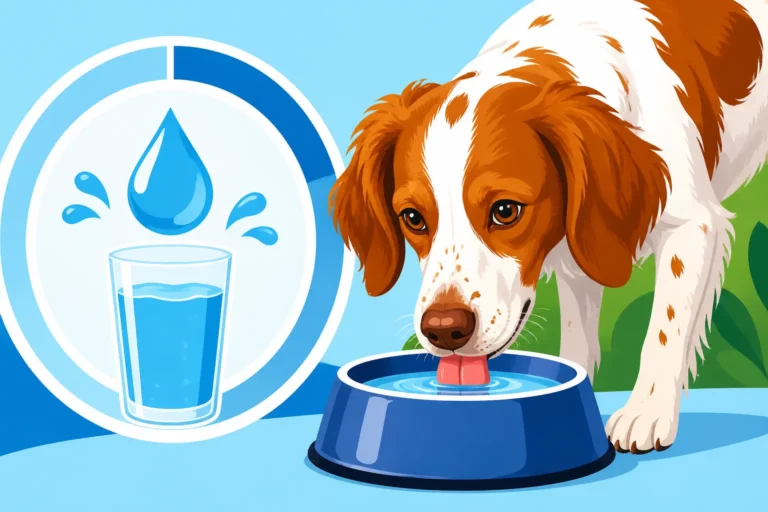
The best practice is to allow your Brittany to cool down, rehydrate, and relax for a good hour or two before offering a substantial meal. During this cool-down period, focus on hydration. Offer fresh water in small, frequent amounts. You might even add an electrolyte supplement to their water to help replace lost minerals, especially on hot days or during particularly long hunts. Once they've settled down, their breathing is normal, and they've had a chance to rest, then their digestive system will be ready to process food efficiently.
Nutritional Needs for Recovery: What to Look For
The post-hunt meal is crucial for muscle repair, replenishing glycogen stores, and restoring overall energy levels. Think of it as an athlete's recovery meal. Look for a diet rich in high-quality protein, which is essential for repairing muscle tissue that might have been stressed or micro-torn during the hunt. Complex carbohydrates are vital for refilling those energy reserves. Healthy fats also play a role in sustained energy and overall health.
Many commercial dog foods designed for active or working dogs will have a good balance of these nutrients. Brands like Purina Pro Plan Sport or Eukanuba Sport often formulate foods with higher protein and fat content suitable for athletic dogs. If you're exploring fresh food options, companies like Ollie provide meals that can be tailored to an active dog's needs, often focusing on whole, easily digestible ingredients. When considering options, reading labels carefully or consulting with your vet can help you choose the best fit for your Brittany's specific needs and activity level. You might be surprised by how much difference the right fuel can make in their recovery and longevity in the field.
Crafting a Feeding Schedule for Your Working Brittany
Creating a consistent and thoughtful feeding schedule is one of the most impactful things you can do for your working Brittany's health and performance. It takes the guesswork out of mealtime and helps prevent common issues. This isn't about being rigid, but about establishing a routine that supports their athletic endeavors. It’s about understanding that their body needs different things at different times, and adapting your care accordingly.
Pre-Hunt Preparation: The Day Before and Morning Of
For multi-day hunts or particularly strenuous outings, preparation starts the day before. Ensure your Brittany has a regular, balanced meal the evening prior to the hunt. This provides ample time for digestion and nutrient absorption, building up those essential glycogen stores without the risk of a full stomach during the hunt. This is the time for their main performance meal to do its work.
On the morning of the hunt, it's generally best to skip a full meal, or offer a very small, easily digestible snack several hours (at least 3-4, preferably more) before you head out. This "snack" could be a handful of their regular kibble or a small piece of easily digestible meat. The goal is a light top-up, not a full load. Some owners find that a tiny bit of pumpkin or sweet potato can provide a quick, simple carbohydrate boost without upsetting the stomach. Above all, prioritize hydration. Offer water frequently. For more detailed information, consider reading How Long Before a Hunt a Brittany Should Eat.
| Timing Relative to Hunt | Recommended Action | Rationale |
|---|---|---|
| 12-18 Hours Before | Normal, balanced meal | Builds energy reserves, allows full digestion. |
| 3-4+ Hours Before | Small, easily digestible snack (optional) | Provides minor energy boost; minimizes bloat risk. |
| 1-2 Hours Before | Offer water, no food | Ensures hydration without stomach upset. |
| Immediately Before | Offer water, no food | Last chance for hydration; avoids bloat. |
Post-Hunt Protocol: Rehydration, Rest, and Refuel
When you're back from the field, your Brittany will likely be tired, thirsty, and potentially overheated. The very first priority is to rehydrate them. Offer water right away, but in moderate amounts, not a massive bowl they might gulp down too quickly. Small, frequent offerings are better. As mentioned earlier, electrolytes can be very beneficial here. You can find many good quality electrolyte supplements on Chewy or Amazon.
Once they've rehydrated and had a good hour or two to relax and cool down, then it's time for their main recovery meal. This meal should be their regular, high-quality performance food, provided in their usual portion. If they've had an exceptionally hard day, you might consider slightly increasing the portion or adding a little extra protein (like cooked, plain chicken) to aid in muscle repair. Some owners find that adding a bit of warm water to their kibble can make it more palatable and aid in digestion, especially if their dog is still a bit keyed up. Remember that proper recovery is just as important as the hunt itself, and this meal is a cornerstone of that process. Regular check-ups on your dog's overall condition are also important, and you might find useful information in What a Brittany's Yearly Bloodwork Should Cover.
Special Considerations and Common Missteps
Even with a well-planned schedule, there are always nuances to consider when caring for our active Brittanys. Every dog is an individual, and what works perfectly for one might need slight adjustments for another. Being attuned to your dog's specific needs and reactions is part of being a good dog parent, and it saves a lot of heartache in the long run.
The Role of Snacks and Hydration During the Hunt
While large meals are out, small, well-timed snacks can play a role during extended hunts. If you're out for many hours, a small, easily digestible, high-energy snack like a dog-specific energy bar or a few pieces of high-quality jerky can be offered during a mid-day break, giving them a quick energy boost without overburdening their stomach. Always pair any in-field snack with water.
Hydration, however, is non-negotiable and paramount. Your Brittany is working hard, panting to regulate their body temperature, and constantly expelling moisture. They need access to fresh water throughout the hunt. Carry a collapsible bowl and plenty of water for both of you. If you're hunting near natural water sources, be mindful of potential contaminants like Giardia. Proper hydration prevents overheating and fatigue, which are far more debilitating than hunger. You can read more about this in How Much Water a Brittany Needs on a Hunt and Signs a Brittany Is Overheating in the Field.
Avoiding Common Feeding Mistakes
One of the most common mistakes is treating a working Brittany like a sedentary house pet. Their caloric and nutritional needs are vastly different. Underfeeding a working dog can lead to weight loss, fatigue, and poor performance, while overfeeding when they're not working can lead to obesity and associated health problems. Always adjust food intake based on activity levels. During the off-season, their food requirements will be less than during peak hunting season.
Another pitfall is making sudden changes to their diet. A Brittany's digestive system, like ours, thrives on consistency. Sudden switches in food type or brand can lead to upset stomachs. If you need to change foods, do so gradually over several days or a week, mixing increasing amounts of the new food with decreasing amounts of the old. When shopping for their performance food, whether it's on Chewy, Amazon, or a local pet store, aim for consistency once you find something that works well for them.
Finally, always be vigilant for signs of digestive distress or illness. Changes in appetite, vomiting, diarrhea, or signs of discomfort like restlessness or a distended abdomen warrant immediate attention. Never hesitate to contact your veterinarian if you're concerned. While many field injuries might require a vet visit, as covered in What a Brittany's Field Injuries Cost in a Season, internal issues like bloat are an emergency.
Remember, every Brittany is unique. Pay attention to your dog's energy levels, stool quality, and overall demeanor, and adjust their feeding schedule as needed. A well-fed Brittany is a happy, healthy, and high-performing hunting partner!
Disclaimer
This article is for general informational purposes only and does not constitute professional advice. Laws, prices and regulations vary by location and change over time. Consult a qualified professional for guidance on your specific situation.