How Long Before a Hunt a Brittany Should Eat
One of the most common questions new Brittany owners, and even some seasoned ones, ask themselves as hunting season approaches is about feeding time. You want your athletic companion to be full of boundless energy, ready to cover ground, but you absolutely dread the thought of them getting sick in the field or, worse, suffering from something serious like bloat. Figuring out the optimal feeding window before a long day of bird hunting can feel like a tricky balancing act, but this guide will help you understand the science and practicalities behind fueling your Brittany for peak performance and safety.
The Critical Window: When to Feed Your Brittany Before a Hunt
Getting the timing of your Brittany's pre-hunt meal just right isn't just about energy; it's about their comfort and, crucially, their health. Many experienced handlers and veterinarians agree on a specific window that strikes the best balance between providing fuel and allowing for proper digestion.
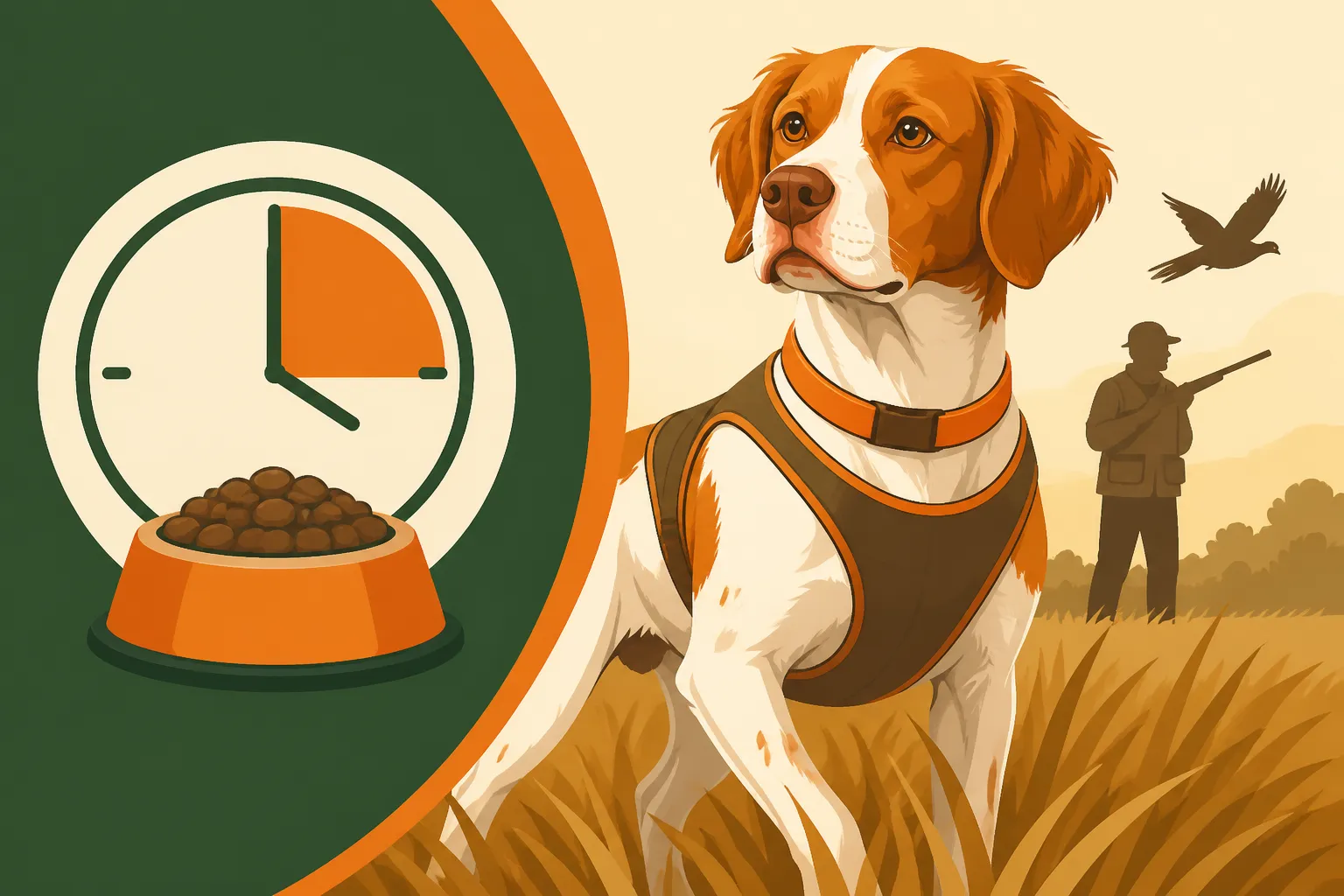
The Sweet Spot: Two to Four Hours Before
For most Brittanys, the ideal time to offer their main meal before a strenuous hunt is roughly two to four hours beforehand. This timeframe allows the majority of the food to move through the stomach and into the intestines for digestion and nutrient absorption. When the food is primarily in the small intestine, it significantly reduces the risk of stomach upset, cramping, or the far more dangerous condition known as gastric dilatation-volvulus (GDV), commonly referred to as bloat.
Think about it like preparing yourself for a big race. You wouldn't eat a huge pasta meal right before the starting gun, right? You'd fuel up hours in advance, giving your body time to process the energy. Your Brittany's digestive system needs that same consideration. This window ensures that their body has had time to start breaking down the complex carbohydrates and proteins into usable energy, which will then be steadily released throughout their activity. It means they're not running on an empty tank, nor are they running with a full, sloshing stomach.
Why Not Immediately Before or With a Full Stomach?
Feeding your Brittany right before heading into the field is a recipe for trouble. Imagine your dog, full of excitement, bounding through cover with a stomach distended with kibble and water. This is exactly the scenario that increases the risk of bloat, a life-threatening condition where the stomach fills with gas and can twist upon itself. Deep-chested breeds like Brittanys are particularly susceptible, and while no one wants to think about it, understanding the risk is vital for prevention.
Beyond the severe risk of bloat, feeding immediately before exercise can cause more minor but still impactful issues. Your Brittany might experience indigestion, nausea, or even vomiting. This is because their body is trying to divert blood flow to both the digestive system and the working muscles simultaneously, which isn't efficient and can lead to discomfort. Plus, a full stomach is simply uncomfortable for a dog that needs to run, jump, and weave through tough terrain. It can hinder their performance and make them feel sluggish rather than eager. You want your dog focused on the scent of birds, not on a gurgling tummy. For more on this, you might find Whether a Brittany Bloats a helpful read.
The Dangers of an Empty Stomach
While avoiding a full stomach is crucial, running your Brittany on an entirely empty stomach also presents its own set of problems. Many hunters mistakenly believe that withholding food will make their dog hungrier for the hunt or lighter on their feet. In reality, a completely empty stomach can lead to a rapid drop in blood sugar, especially during sustained, high-intensity exercise. This can result in lethargy, poor concentration, and a significant decrease in endurance.
A Brittany that hasn't eaten in many hours might start the hunt strong, but as the day progresses, their energy reserves will deplete quickly. They might show signs of fatigue, lack of drive, or even become shaky or disoriented. This isn't just about performance; it's about their well-being. Their body needs consistent fuel to maintain stamina and recover. An empty stomach can also increase the risk of bile reflux, which can cause vomiting of foamy yellow liquid and stomach irritation, an unpleasant experience for any dog and handler.
Understanding Digestion and Energy Needs for a Hunting Brittany
To truly master the art of pre-hunt feeding, it helps to have a basic grasp of how your Brittany's body processes food and converts it into the incredible energy they display in the field. They're not just pets; they're athletes, and their nutritional needs are specific.
How a Brittany's Body Uses Fuel
When your Brittany eats, their digestive system begins to break down carbohydrates into glucose, proteins into amino acids, and fats into fatty acids. Glucose is the body's primary immediate energy source, providing quick bursts of power. Complex carbohydrates, found in high-quality kibble, are broken down more slowly, offering sustained energy release. Fats are incredibly energy-dense and are crucial for endurance activities, as they provide a long-lasting fuel source once the initial glucose stores are depleted. Proteins are vital for muscle repair and maintenance, especially after strenuous activity, but they can also be used for energy if other sources are scarce.
During a hunt, your Brittany's body will first tap into readily available glucose. As that depletes, it will switch to burning fat for sustained energy. This metabolic shift is why a diet balanced with appropriate levels of fat and complex carbohydrates is so important for working dogs. A good pre-hunt meal isn't just about immediate energy; it's about stocking the fuel tank for hours of demanding work. You might also be interested in What Protein Level Suits a Working Brittany to further refine your understanding of their dietary needs.
Avoiding Bloat and Gastric Torsion
We touched on bloat, or GDV, earlier, but it warrants a deeper dive because it's truly a handler's worst nightmare. Bloat is a medical emergency that requires immediate veterinary attention. The timing of meals, especially in relation to exercise, is one of the most significant preventative factors we can control. The theory is that a stomach full of food and gas, jostled vigorously during running and jumping, can more easily twist.
By feeding your Brittany 2-4 hours before the hunt, you allow the stomach contents to move into the small intestine, reducing the volume and distension of the stomach. This significantly lowers the mechanical stress that could lead to a twist. Other preventative measures often include ensuring your dog doesn't gulp down excessive amounts of water immediately before or after a meal, using slow-feeder bowls, and avoiding elevating food bowls unless specifically recommended by your vet for other conditions. Being vigilant for signs like retching, unproductive vomiting, a distended abdomen, or restlessness is crucial when owning a deep-chested breed.
Sustained Energy vs. Quick Burn
Not all energy is created equal for a hunting dog. A quick burst of energy is useful, but a Brittany needs sustained energy to cover miles of challenging terrain, point birds, and retrieve consistently for hours. Simple sugars or low-quality ingredients provide a rapid energy spike followed by a crash, which is precisely what you want to avoid in the field.
This is where the composition of your Brittany's food comes into play. A performance dog food, typically higher in fat and protein with complex carbohydrates, is designed to provide that steady, long-lasting fuel. The digestion of these ingredients is slower and more controlled, meaning your Brittany gets a consistent supply of energy without peaks and valleys. This allows them to maintain focus, stamina, and drive throughout the entire hunt, whether it's an hour-long outing or a full day in the uplands. Understanding these needs is also covered in Whether a Working Brittany Needs a Performance Food.
Choosing the Right Fuel for the Field
It's not just when you feed, but what you feed that makes a huge difference in your Brittany's performance and health. Their diet should be specifically tailored to their active lifestyle.
High-Quality Performance Dog Food
For a hunting Brittany, a standard adult dog food might not cut it, especially during the season. You'll want to look for a high-quality "performance," "sporting dog," or "active dog" formula. These foods are typically calorie-dense, with higher levels of protein (around 26-30%) and fat (around 16-20%) compared to maintenance formulas. This increased caloric content provides the sustained energy necessary for their demanding work.
Ingredients matter, too. Look for animal-based proteins as the first few ingredients (chicken, beef, lamb, fish) and easily digestible complex carbohydrates like sweet potatoes, brown rice, or oats. Avoid foods with excessive fillers, artificial colors, or by-products that offer little nutritional value. Brands widely available through retailers like Chewy or Amazon often carry specific lines tailored for active dogs, making it easier to find appropriate options. Remember, any change in diet should be introduced gradually over several days or weeks to avoid stomach upset, especially before a hunt. If you're wondering how much to feed, How Much More a Brittany Eats in Hunting Season dives into this topic.
Supplements and Hydration Strategies
Beyond their main kibble, some hunters consider supplements, though it's always best to discuss these with your veterinarian. Joint supplements, like glucosamine and chondroitin, can be beneficial for active dogs that put a lot of stress on their joints. Omega-3 fatty acids (fish oil) can support joint health, coat condition, and overall inflammation management. However, these are long-term strategies, not quick fixes right before a hunt.
Hydration is arguably just as important as food, if not more so, for a working Brittany. Dehydration can quickly lead to fatigue, reduced performance, and serious health issues. Always provide fresh water liberally before, during, and after a hunt. Many handlers offer a small amount of water every 30-60 minutes in the field. Electrolyte solutions, sometimes added to water, can help replenish vital minerals lost through sweat, particularly on hot days. Collapsible bowls from Amazon are incredibly useful for field hydration. For more detailed advice, see How Much Water a Brittany Needs on a Hunt.
What to Avoid Pre-Hunt
Just as important as knowing what to feed is knowing what not to feed. Before a hunt, avoid anything that could cause digestive upset, gas, or a sudden energy crash.
- Table Scraps/Human Food: While tempting to share, many human foods are too rich, fatty, or contain ingredients harmful to dogs. Even seemingly innocuous items can cause diarrhea or vomiting, which is the last thing you want miles from the truck.
- Novel Foods: Don't introduce a new brand of kibble, a different type of treat, or a new fresh food (like some services offer, for example, Ollie) right before a hunt. Stick to what your Brittany is accustomed to to avoid digestive surprises.
- Excessive Treats: A few small, high-value training treats are fine, but don't overdo it. Too many treats can dilute the nutritional balance of their meal and fill them up unnecessarily.
- Fatty Foods: While fat is good for sustained energy, an overly fatty meal can slow digestion excessively and increase the risk of pancreatitis in sensitive dogs.
- Sugary Foods: As mentioned, simple sugars lead to energy spikes and crashes, which are counterproductive for endurance work.
Stick to their tried-and-true performance kibble and water. Simplicity is key for a successful day in the field.
Refueling and Recovery After the Hunt
The hunt doesn't end when the birds are bagged. What you do for your Brittany immediately after the hunt, and in the hours following, is just as crucial for their recovery and readiness for the next outing.
Immediate Post-Hunt Snacks and Hydration
As soon as your Brittany is finished working, the first priority is water. Offer small amounts of water frequently to rehydrate them without causing them to gulp down too much at once. A little bit of an electrolyte solution can be beneficial here too, particularly after a very hot or strenuous day. Many seasoned hunters carry a dedicated water supply and a suitable bowl for this purpose.
Once they've rehydrated a bit and had a chance to calm down, a small, easily digestible snack can be offered within about 30 minutes to an hour. This isn't their full meal, but a little something to kickstart recovery. Options might include a handful of their regular kibble, a high-quality meat treat, or even a small portion of plain cooked chicken. The goal is to provide a quick hit of protein and carbohydrates to begin replenishing glycogen stores and aid muscle recovery. For more on post-hunt care, check out What a Brittany Needs Within an Hour of a Hunt.
Full Meal Timing After Exertion
The main post-hunt meal should generally be offered about one to two hours after they've settled down and had their initial rehydration and snack. This allows their body to transition from "work mode" to "rest and digest mode." Feeding too soon after intense exercise, when their body is still warm and heart rate is elevated, can increase the risk of digestive upset or bloat, just like feeding too soon before.
Their post-hunt meal should be their regular, high-quality performance food. Some owners might slightly increase the amount during hunting season to compensate for the significant calorie expenditure. Monitor your Brittany's weight throughout the season; if they start to look too lean, you might need to adjust their daily intake. A healthy, working Brittany should be lean, but not emaciated. Being able to feel their ribs easily, but not see them prominently, is a good indicator.
Hydration Throughout the Day and Off-Season
Hydration isn't just a concern for hunt days; it's a year-round priority. Always ensure your Brittany has access to fresh, clean water. During warmer months, or even just after a vigorous play session in the yard, keep an eye on their water intake. Dehydration can sneak up on you.
During the off-season, when your Brittany might not be expending as much energy in the field, their caloric needs will naturally decrease. You may need to adjust their food portions to prevent them from becoming overweight. However, their need for consistent hydration remains constant. A well-hydrated dog is a healthy dog, regardless of the season or activity level. This continuous care contributes to their overall fitness, which is important when considering Conditioning a Brittany Before the Season Opens.
By following these guidelines for both pre- and post-hunt feeding and hydration, you'll be setting your Brittany up for success, ensuring they have the energy to perform at their best and recover effectively, ready for the next adventure.
| Feeding Scenario | Recommendation | Rationale | Risks if Ignored |
|---|---|---|---|
| Main Meal Pre-Hunt | 2-4 hours before | Allows digestion, reduces stomach volume, provides sustained energy. | Bloat, vomiting, cramping, low energy. |
| Immediately Pre-Hunt | AVOID | Full stomach, increased bloat risk, discomfort during exercise. | Severe bloat (GDV), indigestion, sluggishness. |
| Empty Stomach | AVOID | Rapid blood sugar drop, fatigue, poor performance, bile reflux. | Lethargy, disorientation, reduced stamina, stomach irritation. |
| Immediate Post-Hunt | Small snack + water | Kickstarts recovery, rehydrates, replenishes initial energy. | Dehydration, muscle soreness, delayed recovery. |
| Main Meal Post-Hunt | 1-2 hours after settling | Allows body to cool down, prevents digestive upset from immediate feeding. | Digestive issues, potential bloat if still highly active. |
| Water During Hunt | Small amounts every 30-60 minutes | Consistent hydration, electrolyte balance, prevents rapid gulping. | Dehydration, heat exhaustion, gulping water (bloat risk). |
Disclaimer
This article is for general informational purposes only and does not constitute professional advice. Laws, prices and regulations vary by location and change over time. Consult a qualified professional for guidance on your specific situation.