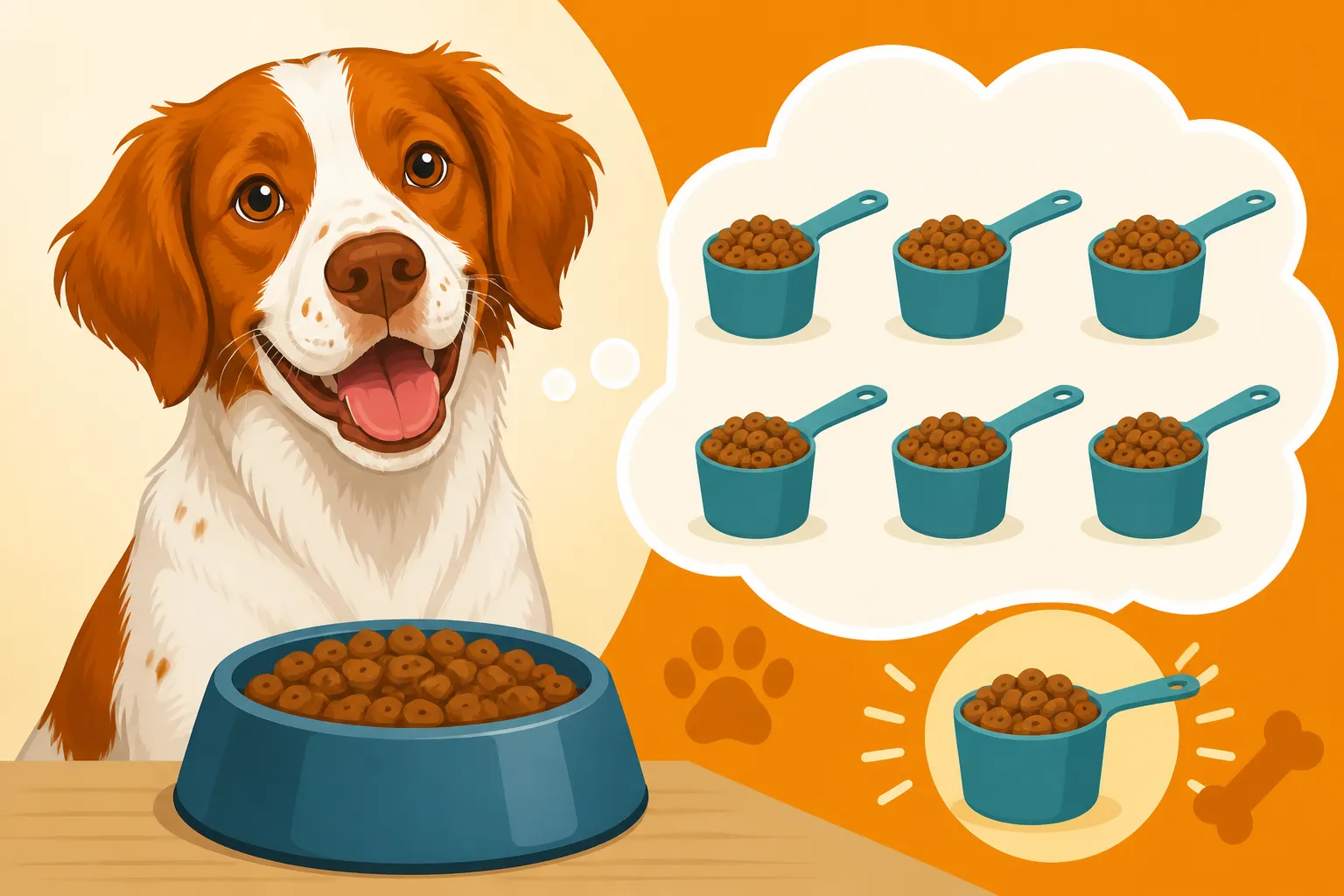
How Many Cups a Day an Adult Brittany Eats
One of the most common questions I get from fellow Brittany owners is, "How much should I be feeding my dog?" It's a real head-scratcher, isn't it? You look at the bag, and there's a chart, but your Brittany isn't just "an average dog"—they're a whirling dervish of energy, constantly on the go, whether in the field or tearing through the backyard. This guide will help you navigate the tricky waters of canine nutrition for your active Brittany, breaking down general guidelines and, more importantly, how to adjust their diet to match their incredible zest for life.
Understanding Your Brittany's Unique Energy Needs
Let's face it, Brittanys are not couch potatoes. They're bred to hunt, to run, to point, and to retrieve with boundless enthusiasm. This innate drive means their nutritional needs are often far different from many other breeds, and certainly from the generic dog on the kibble bag.
The Active Sporting Dog Metabolism
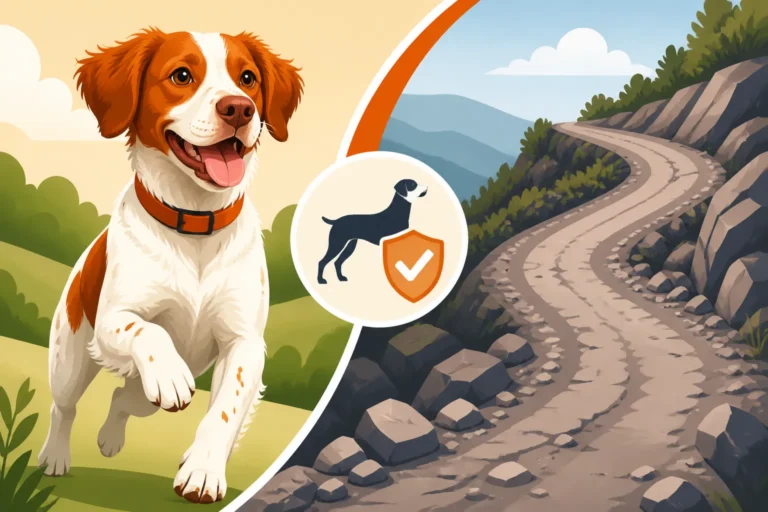
Your Brittany's metabolism is like a finely tuned engine, constantly burning fuel. Think about it: a typical hunting day for a Brittany involves hours of sustained activity, covering miles of varied terrain, often pushing through thick cover. They're constantly scenting, ranging, stopping on point, and then eagerly retrieving. All of this demands a significant energy expenditure. While many companion breeds might be content with a leisurely stroll or a romp in the park, your Brittany is hardwired for endurance and bursts of speed. This high-octane lifestyle means they simply burn more calories than a less active dog. It’s a challenge many owners face, trying to keep a healthy weight on these lean, muscular athletes, especially during peak season. Keeping them properly fueled is critical for their performance, recovery, and overall health. If you've ever seen your Brittany literally vibrate with anticipation before a hunt, you know exactly what kind of energy reservoir you're dealing with. Feeding a Brittany That Runs Two Hours a Day is no small feat!
Factors Influencing Calorie Requirements
It would be wonderfully simple if we could just say, "Feed your Brittany X cups a day," but it's rarely that straightforward. Several factors play a significant role in determining your individual dog's caloric needs. First and foremost is their activity level. An adult Brittany spending the off-season with daily walks and backyard play will need far less fuel than the same dog hitting the upland fields three times a week. Age is another consideration, though for adult Brittanys, the focus shifts more to their activity rather than growth or senior slowdowns. Their individual metabolism can also vary; some Brittanys are just naturally hotter burning than others. The ambient temperature can also influence energy expenditure – dogs burn more calories to stay warm in cold weather. All these nuances mean you can't rely on a single, static number; instead, you need to learn to be flexible and observant with your dog's diet. Understanding How Much More a Brittany Eats in Hunting Season is key to preventing weight loss.
General Guidelines for Feeding an Adult Brittany
Okay, so we've established that there's no magic number, but that doesn't mean we're left completely in the dark. There are excellent starting points and principles you can apply to ensure your Brittany is getting adequate nutrition.
The "Average" Brittany and Bag Recommendations
Most adult Brittanys fall into a weight range of about 30 to 40 pounds, though some can be a bit larger or smaller depending on their lines and build. When you pick up a bag of quality dog food, you'll inevitably see a feeding chart, often recommending amounts based on weight. For a 35-pound active dog, these charts might suggest anywhere from 2 to 3 cups of food per day. However, it's vital to remember that these are generalized starting points. The calorie density of dog foods varies wildly. A budget kibble often has more filler and fewer calories per cup than a premium performance formula. Always check the caloric content (kcal/cup) on your specific food bag, as this is a more accurate measure than just "cups." It's a good idea to start with the lower end of the recommended range for a moderately active dog and adjust from there. Also, don't forget to factor in any treats you might be giving, especially during training sessions, as those calories add up! What an adult Brittany eats in a month is more than you might think, so getting the daily amount right is important for your budget and their health.
The Importance of Body Condition Scoring
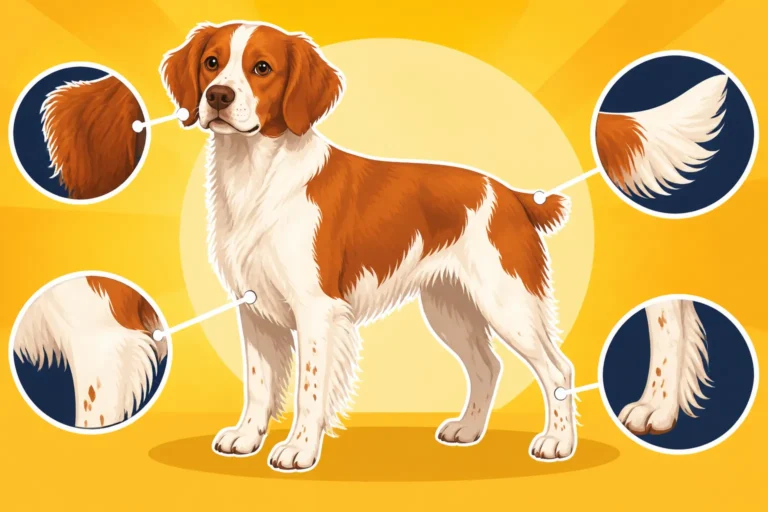
While the number of cups is a useful guide, the absolute best way to gauge if your Brittany is getting enough food is by assessing their body condition. This isn't just about stepping on a scale; it's about feeling and looking at your dog. Ideally, you should be able to easily feel your Brittany's ribs, but not see them prominently. When viewed from above, your dog should have a distinct waist, narrowing behind the rib cage. From the side, they should have an abdominal tuck – their belly shouldn't hang low like a barrel. If their ribs are difficult to feel, or their waist is less defined, they might be carrying too much weight, and you'd need to reduce their food. Conversely, if their ribs are visibly prominent, their hip bones stick out, or they look very thin, they probably need more food. How to Feel a Brittany's Ribs correctly involves running your hands along their sides with gentle pressure. This hands-on assessment is far more accurate than blindly following a cup measurement, especially for a breed with such varying activity levels. If your Brittany is too thin, it’s time to learn How to Put Weight Back on a Brittany safely.
Adjusting Food Intake for Activity Levels
This is where the art of feeding a Brittany truly comes into play. Their needs can fluctuate dramatically between the quiet off-season and the intensity of hunting season. As responsible owners, we need to be tuned into these changes and adapt their diet accordingly.
Off-Season Maintenance Feeding
During the off-season, when the hunting vests are hung up and the fields are resting, your Brittany's exercise routine might consist of daily long walks, runs around the neighborhood, trips to the dog park, or energetic games of fetch in the yard. While still active compared to many breeds, this is a lower intensity period than hunting. In this phase, your goal is to maintain a lean, athletic body condition. This usually means feeding a standard high-quality adult dog food, split into two meals a day, at the lower to middle end of the recommended caloric intake for their ideal weight. Consistency is key here; feeding at roughly the same times each day helps regulate their metabolism and digestion. It’s important not to let them get soft or overweight during these months, as carrying extra pounds can put undue strain on their joints when the season starts back up. Regular, structured exercise, coupled with appropriate portion control, will keep them in prime condition. Even in the off-season, proper hydration is important, but nowhere near the level of needing to know How Much a Brittany Should Drink on a Hunt.
Fueling the Hunting Machine During Season
When hunting season kicks into gear, everything changes. Your Brittany transforms into a focused, tireless athlete, often working for hours on end, day after day. Their caloric needs can easily double, or even triple, depending on the intensity and duration of their fieldwork. This is when switching to a high-performance dog food, specifically formulated for active or sporting dogs, becomes essential. These foods typically boast higher fat and protein content, providing the dense energy and muscle-building blocks your Brittany needs. Some owners even add additional fat sources like cooked meat, fish oil, or specialized supplements, but always discuss this with your vet first.
You might also consider adjusting when you feed them. Some hunters prefer to feed smaller meals multiple times a day, or move the main meal to after the hunt to aid recovery. Others might feed a smaller, easily digestible breakfast a few hours before heading out. Observe your dog's energy levels and stamina closely. If they're losing weight or flagging in the field, it's a clear sign they need more fuel. Brands like Ollie and other fresh food companies offer high-quality, calorie-dense options that can be excellent for active dogs, or you can find specific performance formulas from major kibble manufacturers on platforms like Chewy or Amazon. Truly, Whether a Working Brittany Needs a Performance Food isn't even a question when they're hitting the field hard.
Monitoring and Fine-Tuning
Feeding your Brittany effectively is an ongoing process of observation and adjustment. There's no set-it-and-forget-it button. You'll need to continuously monitor their body condition, energy levels, and even the quality of their stool. Are they maintaining their weight? Do they have sustained energy throughout the day, or are they crashing mid-afternoon? Is their coat looking healthy and shiny? These are all indicators of whether their diet is meeting their needs.
The "eyeball test" is your most valuable tool. Look at your Brittany every day. Feel their ribs. Run your hands over their back to check for the prominence of their spine or hip bones. Don't be afraid to make small adjustments, adding or subtracting a quarter or half-cup of food over a few days, and then observing the results. If you notice persistent weight loss despite increasing food, or if they seem unusually lethargic or have chronic digestive upset, it's always best to consult your veterinarian. They can rule out any underlying health issues and provide tailored nutritional advice specific to your dog.
Practical Feeding Considerations and Brand Mentions
Beyond the quantity, the quality and routine of your Brittany's meals also play a huge role in their overall health and performance. Making smart choices here can make a world of difference.
Choosing the Right Food Type and Quality
The dog food market is a vast ocean, and it's easy to feel overwhelmed by choices: kibble, wet food, raw, fresh-cooked, freeze-dried—the options are endless. For most Brittany owners, a high-quality kibble remains the most practical and cost-effective solution. When choosing a kibble, look for formulas with a named meat source (e.g., "chicken meal," not "meat meal") as one of the first ingredients. Pay attention to the protein and fat percentages; a working Brittany usually thrives on higher protein and fat, especially during hunting season. For example, knowing What Protein Level Suits a Working Brittany can help you narrow down your choices considerably.
If you're considering a raw or home-cooked diet, be sure to work with a veterinary nutritionist to ensure it's balanced and complete. These diets require careful planning to avoid nutritional deficiencies. Many popular brands offer specialized formulas for active breeds, and you can conveniently find a wide variety of these, from premium kibbles to fresh-food subscription services like Ollie, through online retailers like Chewy and Amazon, often with competitive pricing and delivery right to your door.
Feeding Schedule and Routine
For most adult Brittanys, feeding twice a day is ideal. This helps manage their hunger, stabilizes blood sugar, and reduces the risk of bloat (though Brittanys are not considered a high-risk breed for bloat, it's always wise to be cautious). Try to feed them at consistent times each morning and evening.
When it comes to exercise, especially strenuous activity like hunting, timing your meals is crucial. Avoid feeding a large meal immediately before or after intense exercise. A good rule of thumb is to feed at least 1-2 hours before a strenuous outing and wait at least 30-60 minutes after they've cooled down before offering their post-exercise meal. This allows for proper digestion and reduces stress on their system. During long hunting days, some owners offer small, high-energy snacks in the field to keep their dog fueled, but these should be easily digestible and not replace proper meals. Knowing How Long Before a Hunt a Brittany Should Eat is really about knowing your individual dog and their digestive rhythm. Free-feeding, where food is left out all day, is generally not recommended for Brittanys, as it can lead to overeating and makes it harder to monitor their intake and body condition.
| Brittany Activity Level | Typical Weight Range | Estimated Daily Food (Cups)* | Notes |
|---|---|---|---|
| Low Activity | 30-35 lbs | 1.75 – 2.25 cups | Daily walks, minimal vigorous play, off-season rest |
| Moderate Activity | 30-40 lbs | 2.25 – 3 cups | Daily runs, active play, occasional short hunts |
| High Activity (Hunting) | 35-45 lbs | 3 – 4.5+ cups | Multiple long hunts per week, intense training, field trials |
*Amounts are estimates for high-quality kibble with ~350-400 kcal/cup. Always adjust based on your dog's individual metabolism, specific food's caloric content, and body condition.
Disclaimer
This article is for general informational purposes only and does not constitute professional advice. Laws, prices and regulations vary by location and change over time. Consult a qualified professional for guidance on your specific situation.