Whether a Brittany Should Be Bathed After Every Hunt
Oh, the age-old question that plagues every Brittany owner after a glorious, muddy, burr-filled day in the field: do I really need to bathe my dog again? It's a valid concern, not just for your sanity and plumbing, but for your dog's skin and coat health. This guide will dive deep into the practicalities and best practices for post-hunt cleanup, helping you decide when a full bath is genuinely necessary and when a quick rinse will do.
The Realities of a Brittany's Hunting Coat
Let's be honest, our Brittanys are magnificent creatures, built for the field. But that beautiful, often wavy coat, with its characteristic feathering, is also a magnet for everything nature throws its way. Mud, burrs, foxtails, ticks, stagnant water, and all sorts of pungent field debris become part of their "accessories" after a long day of hunting. The thought of bringing that into your home, let alone your bed, is enough to make anyone consider a daily bath.
What Happens to a Brittany's Coat in the Field
When your Brittany is zipping through tall grass, plunging into marshes, or busting through dense briar patches, their coat is doing exactly what it's designed to do: protecting them. However, that protection comes with a cost for us, their human companions. The feathering on their legs, belly, and ears acts like a natural broom, sweeping up seeds, thorns, and burrs. Their double coat, while offering insulation and some water repellency, can quickly become matted and caked with mud or soaked with swamp water.
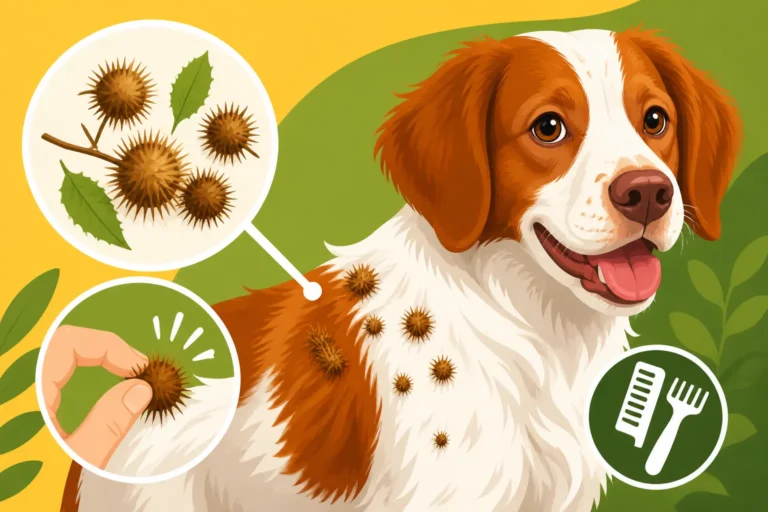
Imagine your Brittany, Arrow, after a full day chasing pheasants in a damp, marshy field. He's not just a little dirty; he's got mud clinging to his belly and legs, several burrs tangled in his ear feathering, and the distinct aroma of marsh water emanating from his entire being. This isn't just a cosmetic issue. Those burrs can pull and irritate skin, mud can dry and cause discomfort, and dampness trapped against the skin can create a breeding ground for bacteria or yeast infections, especially in those wonderfully expressive ears. You also have to consider unseen hitchhikers. Ticks love to burrow deep into a warm, dense coat, and you absolutely need to remove them promptly. This is why a thorough post-hunt check is crucial, regardless of whether a full bath follows. For more on dealing with common field nuisances, check out How to Get Burrs Out of a Brittany's Coat and Where Foxtails Hide on a Brittany.
Why Frequent Bathing Isn't Always the Answer
While the urge to dunk your dog in the tub after every adventure is strong, excessive bathing can actually strip your Brittany's coat of its natural oils. These oils are vital for maintaining coat health, elasticity, and its natural water-repelling properties. Over-bathing can lead to dry, flaky skin, dull fur, and even exacerbate skin issues like itching or irritation. It's a delicate balance. You want to clean away the grime, but you don't want to compromise the integrity of their protective coat.
Think about it this way: your skin would get dry and irritated if you scrubbed it with harsh soap every day, right? The same goes for your dog. Their skin, while tougher in some ways, also has a natural biome and oil balance it needs to maintain. Stripping these oils away can leave them vulnerable. Moreover, it's a huge time commitment. If you're hunting multiple days a week during the season, a full bath every single time just isn't practical for most owners. There has to be a better way to manage the mess without resorting to daily sudsing.
When and How to Bathe Your Brittany After a Hunt
So, if not every hunt, then when? And how do you make the process as efficient and effective as possible when a bath is needed? It all comes down to assessing the level of grime and understanding your Brittany's specific needs.
Knowing When a Full Bath is Necessary
A full bath should be reserved for those times when your Brittany is truly filthy or has encountered something genuinely problematic. Here are some scenarios where a full wash is likely warranted:
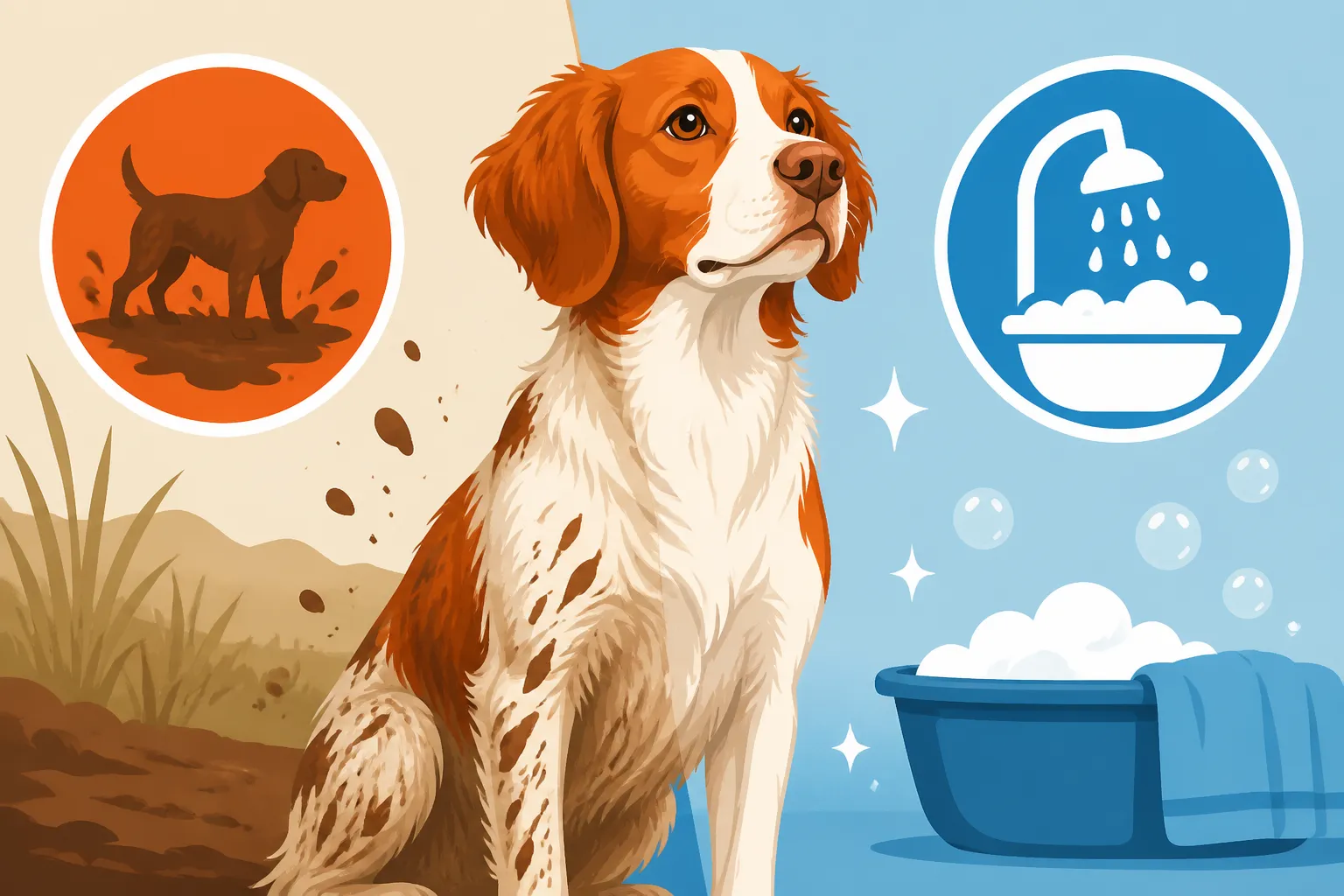
- Caked in Mud or Grime: If your dog looks like they've rolled in a mud pit or has a thick layer of dirt and debris that can't be brushed out, a bath is probably the easiest way to get them clean. Dried mud can be incredibly abrasive and uncomfortable.
- Contaminated by Stagnant Water or Odorous Substances: Hunting often takes us to places with less-than-pristine water. If your Brittany has been swimming in a stagnant pond, a swamp, or, heaven forbid, rolled in something truly stinky (like carrion), a full bath with a good shampoo is non-negotiable.
- Pest Infestation: If you find a significant number of ticks or other parasites embedded in their coat, a bath with a flea and tick shampoo (if appropriate and vet-recommended) can help dislodge them and ensure a thorough clean. However, always check for ticks before the bath, as wet fur makes them harder to find.
- Skin Irritation or Allergies: If your Brittany is prone to skin allergies or develops any redness, itching, or hot spots after a hunt, a gentle, medicated bath might be prescribed by your vet to soothe and clean the skin.
- End of a Long Season: After weeks or months of regular hunting, even with diligent spot cleaning, a full, deep-cleaning bath can be a great way to reset their coat and skin health before the off-season.
Remember that golden rule: when in doubt, consult your veterinarian. They can offer advice tailored to your dog's skin type and any underlying conditions.
The Best Way to Bathe a Hunting Brittany
When it's bath time, you want to make it as quick and stress-free as possible for both of you. Having your supplies ready before you start is key.
Supplies You'll Need:
- Appropriate Shampoo: Look for a gentle, pH-balanced dog shampoo. Many brands like those found on Chewy or Amazon offer formulas specifically for active dogs or those with sensitive skin. Avoid human shampoos, as they can be too harsh. A deshedding shampoo can also be useful to remove loose undercoat. Which Shampoo Suits a Brittany After a Hunt is a great read for more detailed advice.
- Large Towels: Several absorbent towels are essential for drying.
- Brushes/Combs: A slicker brush and a wide-toothed comb are indispensable for detangling feathering.
- Non-slip Mat: For the tub or shower, to keep your dog stable.
- Cotton Balls or Ear Cleaner: To protect ears from water and clean them afterward.
- Treats: To reward good behavior!
The Bathing Process:
- Pre-Bath Brush and Detangle: This is critical! Never bathe a matted dog. Water will only tighten the mats, making them nearly impossible to remove without cutting. Use a slicker brush and comb to work through any tangles and remove loose fur and surface debris before they get wet. If your Brittany has a lot of feathering, pay extra attention to those areas.
- Wet Thoroughly: Use lukewarm water. Start wetting from the neck down, being careful around their head. If your dog tolerates it, a handheld shower sprayer makes this much easier. Ensure their entire coat is saturated down to the skin.
- Apply Shampoo: Work the shampoo into a lather, massaging it gently into their coat and skin. Pay special attention to their legs, belly, and anywhere mud or debris has accumulated. Avoid getting shampoo directly into their eyes or ears. For their face, use a damp cloth.
- Rinse, Rinse, Rinse! This is perhaps the most important step. Any shampoo residue left on the skin can cause irritation and dryness. Rinse until the water runs completely clear and you can feel no slickness on their coat. You might think you've rinsed enough, then rinse again.
- Towel Dry: Use several large, absorbent towels to blot and squeeze as much water out of their coat as possible. Don't rub vigorously, as this can create tangles.
- Air Dry or Blow Dry (Carefully): In warmer weather, your Brittany can air dry. In cooler temperatures, or if they have a very thick coat, a pet-specific force dryer can speed up drying and help prevent hot spots or ear infections. Never use a human hairdryer on a hot setting, as it can burn their skin. Keep water out of their ears by gently placing cotton balls in the ear canal before the bath (remove them immediately afterward!) and ensure the ears are completely dry to help prevent infections. Keeping Water Out of a Brittany's Ears offers great tips.
A gentle shampoo like Earthbath Oatmeal & Aloe or Burt's Bees Oatmeal Shampoo can be good options, available on platforms like Chewy. These are designed to be soothing and less likely to strip natural oils.
Essential Post-Hunt Grooming That Isn't a Full Bath
For most hunts, a full bath simply isn't needed. Instead, focus on a thorough clean-up routine that addresses the common issues without over-bathing. This is your go-to strategy for staying on top of field grime!
The Quick Clean-Up Routine:
- Brush Out Debris: As soon as you get home (or even at the truck!), use a slicker brush and a metal comb to meticulously remove all burrs, seeds, and loose dirt from their coat, especially the feathering on their legs, belly, and ears. This is where most of the post-hunt nastiness collects. Make sure to check their tail, too.
- Spot Clean Dirty Areas: For muddy paws or a dirty belly, use a damp cloth or a designated dog wipe to clean these specific areas. You can also use a gentle, waterless shampoo or foam cleaner for targeted cleaning.
- Paw Care: Inspect their paw pads for cuts, thorns, or general irritation. Clean any mud from between their toes. Sometimes a quick rinse of just their feet in a shallow basin is all that's needed. How to Treat a Brittany's Torn Pad has excellent advice for those inevitable field injuries.
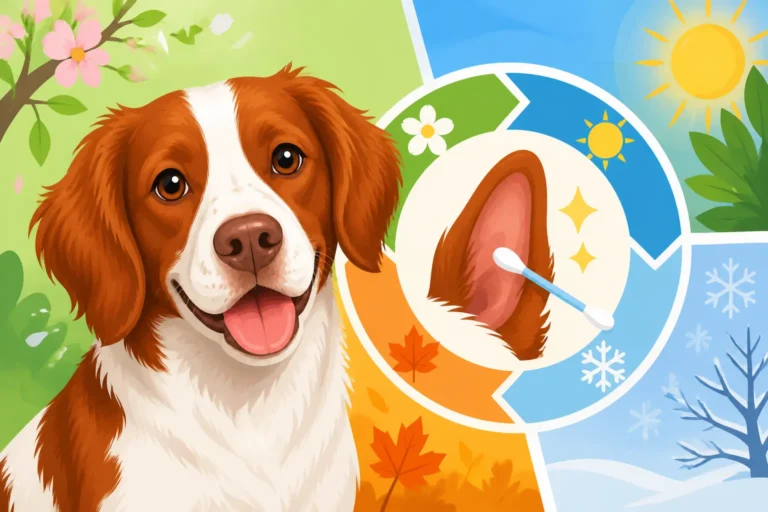
- Ear Check and Clean: This is non-negotiable after every hunt, especially if they've been in wet cover. Lift their ears and inspect the ear canal for redness, discharge, foreign objects (like grass seeds), or any unpleasant odor. Use a veterinarian-approved ear cleaner to gently clean the ear flap and outer canal. Why a Brittany's Ears Get Infected Every Season highlights the importance of this step.
- Full Body Check for Ticks and Lumps: Run your hands over your Brittany's entire body, feeling for any bumps, cuts, or embedded ticks. Ticks often hide in warm, dark places like armpits, groin, and around the ears. This thorough check is vital for catching problems early. How to Check a Brittany for Ticks provides detailed instructions.
A product like Espree Waterless Bath or TropiClean Waterless Shampoo can be lifesavers for quick spot cleaning between full baths. These are generally gentle and can be massaged into the coat and then towel-dried.
Comparison of Bathing vs. Quick Clean-up:
| Feature | Full Bath | Quick Clean-up (Post-Hunt Routine) |
|---|---|---|
| Frequency | As needed, usually every few weeks or months | After every hunt or outdoor adventure |
| Time Commitment | 30-60 minutes (including drying) | 10-20 minutes |
| Water Usage | High | Low (spot cleaning, paw rinse) |
| Shampoo Usage | Yes, full body application | Optional (waterless shampoo for spots) |
| Key Benefits | Deep cleaning, odor removal, addresses heavy grime | Prevents matting, removes debris & pests, maintains coat oils |
| Potential Drawbacks | Strips natural oils, drying time, skin irritation if overdone | May not remove all deep odors or heavy soil |
| Best For | Very dirty dogs, severe odors, skin issues | Routine maintenance, light to moderate dirt |
Beyond the Bath: Protecting Your Brittany's Skin and Coat
Taking care of your Brittany's coat goes far beyond just bathing. It involves a holistic approach that includes diet, protective gear, and consistent grooming habits. A healthy dog on the inside often has a healthier coat on the outside.
Choosing the Right Products for a Hunting Dog
When it comes to grooming products, quality matters, especially for a working dog.
- Shampoo and Conditioner: As mentioned, opt for gentle, pH-balanced formulas. Hypoallergenic options are great for Brittanys prone to skin sensitivities. A good conditioner can help restore moisture to the coat, especially if you do need to bathe frequently due to intense field work. Brands like Veterinary Formula Clinical Care or Zymox offer medicated options if your vet recommends them for specific skin conditions.
- Brushes and Combs: Invest in a sturdy slicker brush for detangling and removing shedding undercoat, and a strong metal comb for working through feathering and checking for burrs. A de-shedding tool can also be very helpful during shedding season to minimize hair around the house. How Often a Brittany Needs Brushing is a good resource for brush types.
- Paw Balm/Wax: Products like Musher's Secret or Bag Balm can protect and moisturize your Brittany's paw pads, which take a beating in the field. Apply it regularly, especially before and after hunts.
- Protective Gear: Consider a protective vest in thick cover to prevent cuts and scrapes to their chest and belly. Boots can also be a game-changer for protecting paws on rough terrain or in extreme weather. While not directly grooming, prevention is a huge part of coat and skin health. Whether a Brittany Needs Boots in the Field and Whether a Brittany Needs a Neoprene Vest in Cold Water offer more insights.
Many of these products are readily available through online retailers like Amazon, offering a wide selection to suit your dog's specific needs and your budget. For high-quality food, a service like Ollie provides customized meal plans which can significantly impact coat health from the inside out.
The Importance of Diet and Overall Health
You know the saying, "you are what you eat," and that holds true for our canine companions too! A high-quality diet plays an enormous role in maintaining a healthy, shiny coat and resilient skin.
- Nutrient-Rich Food: Ensure your Brittany is on a balanced diet, rich in essential fatty acids (Omegas 3 and 6). These nutrients are crucial for skin hydration and coat luster. Look for foods where meat is the first ingredient, and avoid excessive fillers or artificial ingredients. Performance dog foods are specifically formulated for active breeds like Brittanys, providing the necessary energy and nutrients to support their demanding lifestyle. Whether a Working Brittany Needs a Performance Food delves deeper into this topic.
- Supplements: Sometimes, even with a great diet, supplements can help. Fish oil supplements, rich in Omega-3s, can be very beneficial for skin and coat health, reducing dryness and inflammation. Always consult your vet before adding any supplements to your dog's diet.
- Hydration: Just like us, dogs need plenty of fresh water to keep their skin and overall bodily functions healthy. Ensure your Brittany always has access to water, especially when active.
- Regular Vet Check-ups: Routine veterinary visits are crucial for overall health, including skin and coat. Your vet can identify underlying issues like allergies, hormonal imbalances, or infections that might be manifesting as skin or coat problems. Early detection and treatment are key. What a Brittany's Yearly Bloodwork Should Cover provides insight into comprehensive health checks.
Ultimately, the goal isn't just a clean Brittany, but a healthy, comfortable one. By understanding the demands of their active lifestyle and implementing a consistent, thoughtful care routine, you can ensure your Brittany's coat remains a magnificent testament to their breed, rather than a magnet for all things gross. A well-cared-for coat is a happy coat, and a happy coat means a happy dog that's ready for its next adventure, without you dreading the aftermath quite so much!
Disclaimer
This article is for general informational purposes only and does not constitute professional advice. Laws, prices and regulations vary by location and change over time. Consult a qualified professional for guidance on your specific situation.