How to Check a Brittany’s Eyes After Cover
There's nothing quite like the sheer joy and focus of a Brittany Spaniel working cover, their whole being vibrating with excitement as they quarter through fields and thickets in search of game. It's a beautiful sight, a testament to their breeding and instinct. But as they plunge headfirst into thorny brambles, dense reeds, and tall, dry grasses, a persistent worry often gnaws at a devoted owner's mind: what about their eyes? This guide is dedicated to helping you meticulously check your hunting partner's eyes after every outdoor adventure, identify potential issues, and know when to seek professional help.
The Unique Vulnerabilities of a Brittany's Eyes in Cover
Our beloved Brittanys are built for the field, agile and tireless. However, their anatomical features and enthusiastic hunting style, while perfect for finding birds, can unfortunately leave their eyes quite exposed to the myriad hazards lurking in dense cover. It's a frustration common to all sporting dog owners—we want them to do what they love, but we also want them safe and sound.
Why Their Eye Anatomy Puts Them at Risk
Brittanys, like many bird dogs, have relatively prominent eyes set forward on their heads, giving them excellent binocular vision crucial for spotting game. However, this forward placement, combined with a lack of heavy brow or long, protective facial hair around the eyes (unlike, say, a Scottish Terrier), means they don't have a natural 'shield' when pushing through vegetation. They often hunt with their heads low to the ground, sniffing out scent cones, which places their eyes directly in the path of underbrush.
Imagine them busting through a patch of blackberry bushes. A Setter with its longer hair might get some protection, but a Brittany's more open face means those thorns are a direct threat. Their eyes are crucial tools for their work, and ironically, the very environment they thrive in poses a constant risk to these delicate organs. It's a paradox every Brittany owner understands deeply.
Common Hazards Encountered in the Field
The field is a minefield of potential eye irritants and injuries. You might not even see it happen; one moment they're bursting through a clump of prairie grass, the next they're blinking excessively.
- Sharp Twigs and Branches: These are perhaps the most insidious. A thin, stiff twig can lash out and scratch the cornea in a blink. Deeper branches can cause more significant punctures or blunt force trauma.
- Thorny Bushes: Think of rose bushes, multi-flora rose, or blackberry brambles. These are everywhere, and their sharp thorns are perfectly capable of causing lacerations to eyelids or the delicate surface of the eye itself.
- Tall, Dry Grass Seeds (Foxtails and Awns): These are notorious culprits. Their barbed, arrow-like shape allows them to migrate into crevices and can easily work their way under eyelids, causing intense irritation, scratching the cornea, or even embedding themselves. How to Find a Foxtail on a Brittany is a must-read for any hunter.
- Dust, Dirt, and Debris: A windy day in a dry field can kick up a surprising amount of particulate matter, leading to irritation, redness, and discomfort, similar to how we feel when something flies into our eye.
- Burrs: While usually caught in their glorious feathering, occasionally a burr can find its way close enough to the eye to cause friction or get trapped in the surrounding hair, leading to irritation.
- Impact from Other Dogs or Obstacles: In a multi-dog hunt, an accidental paw to the face is always a possibility. A hard run into a fence post or fallen log can also result in eye trauma.
It's a wonder they don't have more eye issues, given the conditions. That's why your diligent post-hunt checks are absolutely vital for their long-term health and comfort. Remember, early detection is key with eye injuries.
A Step-by-Step Guide to Post-Hunt Eye Checks
After a long day of hunting, your Brittany is probably tired, exhilarated, and ready for a good meal and a nap. But before they settle down, taking a few extra minutes to conduct a thorough eye check is one of the most important parts of your post-hunt routine. This isn't just about spotting obvious injuries; it's about catching those subtle irritations before they escalate. After all, eye issues can quickly become serious, and a healthy Brittany is a happy hunting dog. For general post-hunt care, consider reviewing What a Brittany Needs Within an Hour of a Hunt.
Setting Up for a Thorough Inspection
You need a calm environment and the right tools to do this effectively. Don't try to rush it in the back of a bouncing truck.
- Find Good Lighting: Natural daylight is ideal, but if it's evening, a bright, direct overhead light or even a powerful flashlight (the one you carry in your hunting vest can work!) is essential. You want to be able to see clearly into every nook and cranny.
- Calm Your Brittany: Your dog might be fidgety, so a quiet space where they feel secure is best. You can sit them on your lap if they're small enough, or have them stand calmly beside you. Gentle praise and a treat can go a long way in making this a positive experience.
- Gather Your Supplies: Have a soft, clean cloth or cotton balls, sterile saline solution (the kind for human eyes or veterinary-specific is fine – you can usually find this at pet stores like Chewy or Amazon), and possibly a magnifying glass if you have one. Your basic first aid kit should definitely include sterile saline.
- Clean Hands: Always ensure your hands are clean before touching your dog's eyes to avoid introducing new bacteria.
What to Look For: Red Flags and Minor Irritations
Now for the actual inspection. Take your time, be gentle, and be systematic.
- Overall Observation: Start by just looking at your dog's face. Are both eyes open equally? Is there any excessive blinking or squinting? Is one eye held partially or completely closed? Is there any pawing at the face or rubbing against furniture?
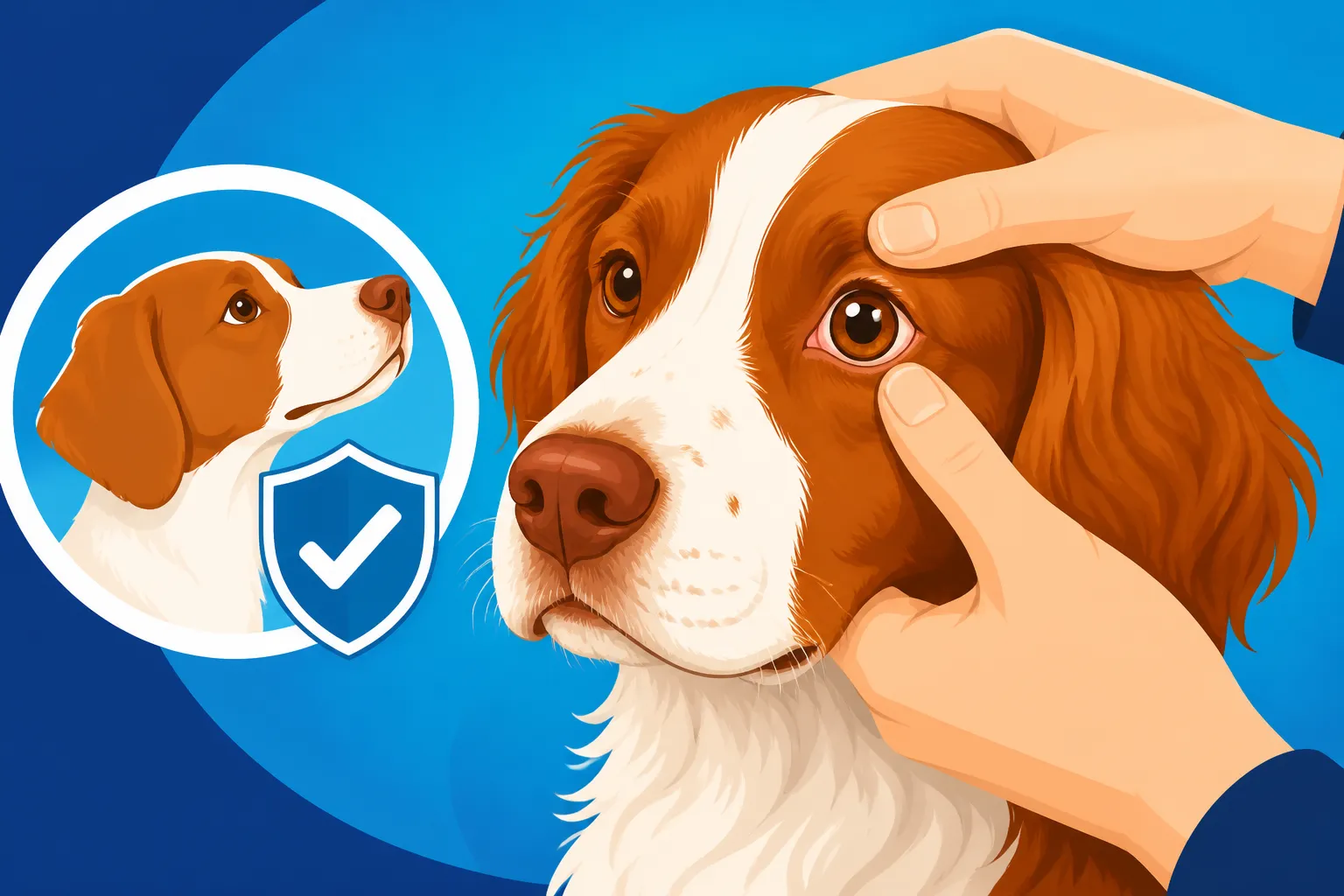
- Examine the Eyelids: Gently part the eyelids. Look for any cuts, punctures, or swelling. Check the edges for burrs or grass awns clinging to the lashes. Any redness or inflammation here is a sign something's amiss.
- Check the Conjunctiva (Pink Tissue): Gently pull down the lower eyelid to expose the pink lining. It should be a healthy pink, not bright red and angry, nor excessively pale. Look for any foreign bodies – a tiny piece of debris, a grass seed, or a speck of dirt.
- Inspect the Cornea (Clear Surface of the Eyeball): This is the most delicate part. Look for cloudiness, dullness, or any visible scratches or indentations. A healthy cornea is clear and shiny. Even a tiny scratch can be very painful and appears as a dull spot or a slightly different texture.
- Assess Discharge: A little clear discharge after a dusty day might be normal, but excessive tearing, thick yellow or green pus, or any blood-tinged discharge is a definite red flag.
- Pupil Size and Reactivity: While not always obvious, observe if the pupils are the same size and react to light. Discrepancies could indicate deeper trauma.
Here’s a quick comparison table for common observations:
| Sign / Symptom | What it Might Mean (Minor) | What it Might Mean (Serious) | Recommended Action |
|---|---|---|---|
| Excessive Blinking | Dust, minor irritation | Corneal scratch, foreign body | Flush with saline, observe, vet if persistent |
| Squinting | Irritation, discomfort | Pain, corneal ulcer, foreign body | Flush with saline, vet immediately if severe |
| Redness (Conjunctiva) | Irritant, mild allergy | Infection, deeper inflammation | Flush, watch for discharge, vet if worsening |
| Tearing | Irritation, foreign body | Blocked tear duct, ulcer | Flush, gentle wipe, vet if excessive or discolored |
| Discharge (Clear) | Environmental irritants, dust | Early infection, reaction | Flush, clean, monitor |
| Discharge (Yellow/Green) | Infection | Severe infection | Vet immediately |
| Cloudiness on Cornea | Minor scratch, dust | Corneal ulcer, serious scratch | Flush, vet immediately |
| Visible Foreign Body | Dust, small grass seed on conjunctiva | Embedded thorn, larger object on cornea | Flush gently with saline, vet if embedded/large |
| Swelling Around Eye | Insect bite, allergic reaction | Trauma, infection | Cold compress, vet if rapid or painful |
| Paw/Rubbing at Eye | Irritation, pain | Significant discomfort, foreign body | Prevent rubbing, inspect thoroughly, vet if persistent |
Immediate First Aid for Eye Issues
If you find something, resist the urge to panic. Your calm demeanor will help your Brittany.
- Flushing: For minor dust, dirt, or loose debris, use sterile saline solution generously. Hold your dog's head steady and gently squeeze the bottle, allowing the saline to wash over the eye from the inner corner outwards. This can often dislodge superficial irritants. Don't use tap water, which isn't sterile and can contain chlorine or other chemicals.
- Do NOT Remove Embedded Objects: This is critical. If you see a thorn, a deep grass awn, or anything that appears to be embedded in the eye or eyelid, do not attempt to remove it yourself. You could cause far more damage. Secure your dog to prevent them from pawing at it, and head straight to the vet.
- Gentle Cleaning: If there's some mild, clear discharge, use a clean, damp cloth or cotton ball with saline to gently wipe away from the eye, starting from the inner corner.
Even if you successfully flush something out, continue to monitor the eye closely for the next 24-48 hours. Sometimes, a seemingly minor irritation can develop into something more serious.
When to Call the Vet: Don't Delay on Eye Injuries
Eye injuries are one of those areas where "wait and see" is generally not the best approach. The eyes are incredibly delicate, and even seemingly small issues can rapidly worsen, potentially leading to vision loss or chronic pain if not addressed quickly. Knowing when to get professional help is paramount. It’s also important to ensure regular check-ups for overall eye health; think about How Often a Brittany's Eyes Should Be Certified.
Recognizing Serious Symptoms
When in doubt, always err on the side of caution and call your veterinarian. Brittanys are notoriously tough and might try to hide their pain, so you need to be observant.
- Persistent Squinting or Tearing: If your Brittany continues to squint or tear excessively even after flushing, or if these symptoms started suddenly and are severe, it's a sign of significant pain or irritation. This often indicates a corneal scratch or foreign body that isn't easily dislodged.
- Cloudiness or Change in Eye Color: Any change in the clarity of the cornea (the clear part) or the color of the eye itself (blue haze, dullness, yellow tint) is an emergency. This could indicate a deep scratch, an ulcer, or even internal eye inflammation. Conditions like Glaucoma in a Brittany Spaniel can manifest with a cloudy or blue appearance and are true emergencies.
- Visible Deep Laceration or Puncture: If you can see a cut on the eyelid that goes deeper than the surface, or if there's any visible puncture to the eyeball itself, don't hesitate. Cover the eye loosely (to prevent further irritation and keep your dog from rubbing it) and get to the vet.
- Pus-like Discharge: Yellow, green, or thick discharge often indicates a bacterial infection, which requires prescription medication from your vet.
- Severe Swelling or Bruising: While a minor bump might cause a little swelling, severe or rapidly increasing swelling, especially with bruising around the eye, could signify more serious trauma.
- Changes in Pupil Size or Shape: If one pupil is larger or smaller than the other, or if it has an irregular shape, it could indicate severe internal eye damage or neurological issues.
- Blood in the Eye: Any visible blood, either on the surface or inside the eye, is an immediate emergency.
It's tempting to think, "Maybe it'll get better by morning," but with eyes, precious hours can make the difference between a minor issue and permanent damage. Many of the health issues Brittanys face, such as Retinal Dysplasia in a Brittany Spaniel, are diagnosed by veterinary eye specialists, highlighting the importance of professional expertise.
Preventing Future Eye Troubles
While you can't entirely eliminate the risks that come with hunting in cover, you can certainly mitigate them. Our goal is always to keep The Brittany Is One of the Healthiest Sporting Breeds reputation going strong!
- Vigilant Post-Hunt Checks (Every Time): Make this a non-negotiable part of your routine. The more consistently you do it, the quicker you'll spot any abnormalities.
- Protective Eyewear: Some hunters swear by dog goggles or "doggles" for their dogs, especially in very dense or thorny cover. While some Brittanys might resist at first, with patience and positive reinforcement, many dogs can learn to tolerate them. They offer excellent protection against thorns, twigs, and even UV rays. Look for brands that offer good peripheral vision and a secure fit.
- Proper Grooming: While Brittanys don't have long hair around their eyes like some breeds, ensuring the hair that is there is clean and free of mats or burrs can help. Regular brushing and checking their coat, especially their feathering, for burrs and other debris will minimize the chance of them migrating to the face.
- Awareness of Environment: If you know you're heading into particularly nasty cover, be extra cautious. Consider scouting the area first or choosing different terrain if possible.
- Regular Veterinary Check-ups: A comprehensive yearly exam with your vet will include an eye check. They can identify subtle changes or underlying conditions you might miss. Early screening is also important for puppies, and When a Brittany Puppy's Eyes Should Be Checked is a good time to discuss this with your vet.
Ultimately, your Brittany's eyes are their windows to the world and critical for their performance in the field. Taking a few extra minutes after each hunt to ensure they are healthy is an investment in their well-being and continued enjoyment of what they love to do most.
Disclaimer
This article is for general informational purposes only and does not constitute professional advice. Laws, prices and regulations vary by location and change over time. Consult a qualified professional for guidance on your specific situation.