Whether a Hunting Brittany Should Be Trimmed Shorter
One of the questions I hear most often from new Brittany owners who plan to hunt with their dogs is all about their glorious coat: "Do I really need to trim all that beautiful feathering for the field?" It's a valid concern, born from a desire to keep our beloved hunting companions comfortable and effective, but also a bit of trepidation about altering their natural look. This guide is here to walk you through the nuances of managing your hunting Brittany's coat, discussing whether trimming is truly necessary, what the benefits and drawbacks are, and how to approach it thoughtfully.
Understanding the Brittany's Natural Coat for Field Work
Brittanys are designed for the field, and their coat, while beautiful, is also a functional piece of their hunting anatomy. It's meant to protect them from the elements, but sometimes, that natural design can become a bit of a hindrance in modern hunting conditions.
The Dual Purpose of Feathering: Protection and Perception
A Brittany's coat isn't just for show; it's a testament to centuries of breeding for durability in diverse terrains. The dense body coat, often referred to as "medium length," provides insulation against cold and wet weather, while also offering a degree of sun protection. Then there's the feathering—the longer hair typically found on their ears, legs, and belly. This feathering acts like a natural shield, helping to deflect briars, thorns, and sharp grasses that a dog might encounter while quartering through heavy cover. It's truly impressive how much punishment those flowing locks can take, preventing scrapes and cuts to the more delicate skin underneath.
However, it's also true that the standard perception of a Brittany's coat, especially in the show ring, often emphasizes length and lushness. For a hunting dog, this aesthetic focus sometimes overshadows the practical reality of maintaining such a coat in thick cover. While a long, flowing coat looks magnificent, its primary purpose in the field is protection, not adornment. Understanding this distinction is key when considering whether to trim. You want your dog to be comfortable and safe, and sometimes that means a slight modification to their natural state.
Where the Coat Becomes a Challenge for Hunters
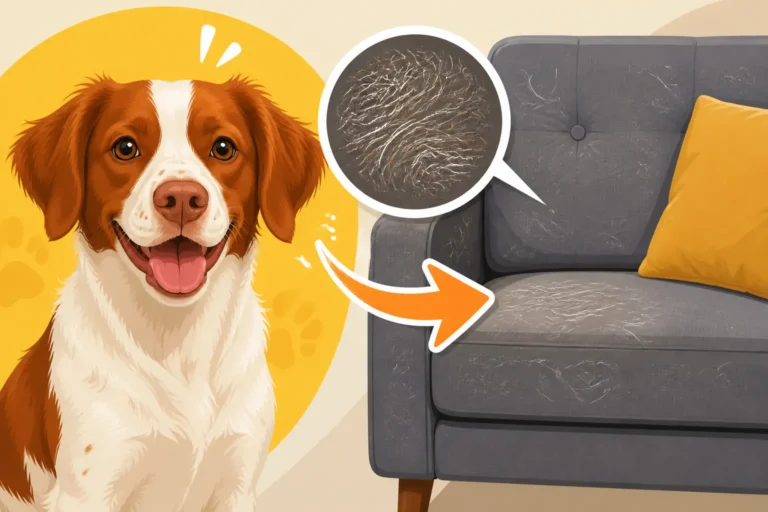
Despite its protective qualities, a Brittany's natural coat can pose significant challenges for an active hunting dog and their owner. The most common complaints revolve around its ability to act like a magnet for every piece of vegetation in the field. Burrs are perhaps the most notorious culprits, weaving themselves deep into the feathering on legs, ears, and belly, forming tight, painful knots that can be a real ordeal to remove. How to Get Burrs Out of a Brittany's Coat is a common search for a reason!
Beyond burrs, other nuisances like foxtails, beggar's ticks, and even mud can cling tenaciously to the longer hair. Foxtails, in particular, are insidious, capable of burrowing into skin, ears, and nostrils, causing serious infections. Dealing with a dog covered in debris after a long day in the field can turn a triumphant hunt into a lengthy and frustrating grooming session. For instance, imagine a Brittany with luxurious ear feathering: after running through a field of switchgrass, those ears can become laden with seeds and debris, sometimes even leading to infections if not thoroughly cleaned. This is where What to Do With a Brittany After Every Hunt really comes into play. The sheer volume of foreign material collected can also weigh the dog down, making them less efficient, or worse, cause discomfort that distracts them from their work.
The Pros and Cons of Trimming a Hunting Brittany's Coat
Deciding whether to trim your hunting Brittany’s coat involves weighing practical advantages against potential drawbacks. There's no one-size-fits-all answer, as conditions and individual dog needs can vary.
Advantages of a Shorter Coat for Field Dogs
The primary advantage of trimming a hunting Brittany's coat, especially the longer feathering, is vastly improved field hygiene and comfort. With shorter hair, burrs, foxtails, and other thorny vegetation have less material to cling to, significantly reducing the time and effort spent on post-hunt grooming. Think about it: a quick once-over for burrs on a trimmed leg versus painstakingly detangling them from ankle-length feathering. This difference can save you hours over a hunting season.
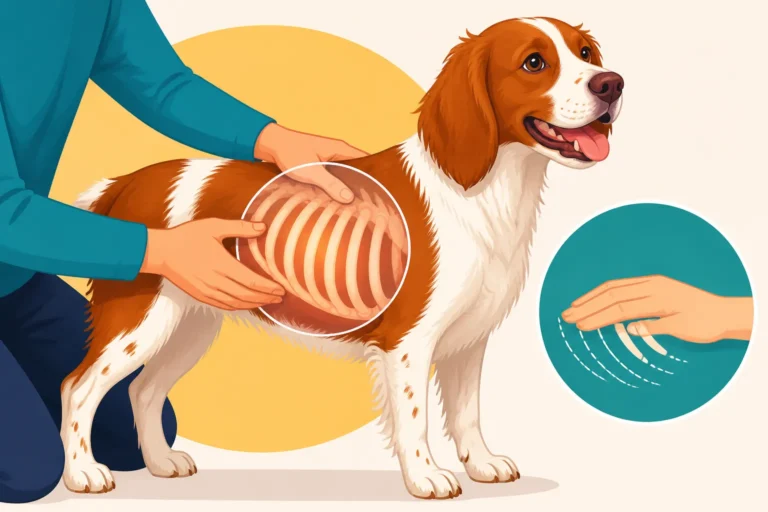
Moreover, a trimmed coat makes it far easier to conduct thorough health checks. Ticks, which are a constant threat in many hunting environments, are much more visible and easier to remove on shorter hair. How to Check a Brittany for Ticks becomes a less daunting task. Similarly, you can more readily spot cuts, scrapes, or other minor injuries that might be hidden by dense feathering. This early detection can prevent minor issues from escalating into more serious problems. In warmer early-season hunts, a slightly shorter coat, particularly on the belly and chest, might also aid in quicker cooling, although this benefit is often less significant than the burr-reduction aspect.
Disadvantages and Risks of Trimming Too Short
While trimming offers undeniable benefits, there are also significant disadvantages and risks, particularly if the coat is cut too short or improperly. The most critical concern is the loss of natural protection. A Brittany's feathering, as we discussed, acts as a buffer against environmental hazards. If you strip this protection away, your dog’s skin becomes more vulnerable to briars, thorns, and even sharp stubble. Imagine your dog crashing through dense rose bushes; without that protective layer, they're much more likely to suffer lacerations and abrasions.
Another often overlooked aspect is temperature regulation. While a very dense coat can sometimes hinder cooling in extreme heat, the coat also provides insulation against cold and wet weather. A short-trimmed coat, especially in late-season hunts, can leave your Brittany shivering and more susceptible to hypothermia, particularly if they're working in icy water or frigid temperatures. The feathering on the ears also helps to protect them from cold and debris. The Feathering on a Brittany's Legs and Ears serves multiple purposes, so removing too much can expose delicate skin. Furthermore, some dogs can experience skin irritation or "clipper rash" if the coat is shorn too close to the skin, making them uncomfortable and potentially leading to secondary infections. It's a delicate balance to strike between making field maintenance easier and compromising the dog's natural defenses.
Practical Trimming Strategies for the Hunting Brittany
If you decide that some trimming is necessary for your hunting Brittany, the key is to be strategic and thoughtful. It’s not about giving them a full shave, but rather targeted "hygiene clips" that address problem areas without sacrificing essential protection.
Selective Trimming vs. Full Shave
For a hunting Brittany, selective trimming is almost always the preferred approach over a full shave. A full shave removes all of the dog's natural protection and can drastically impact their ability to regulate body temperature, leaving them vulnerable to both cold and sunburn. Instead, focus on areas where burrs and debris are most problematic, and where the feathering genuinely gets in the way of efficient movement or post-hunt checks. These areas typically include:
- Belly and Armpits: This feathering often drags in the mud, picks up burrs, and can become matted easily. A good trim here helps keep them cleaner and reduces matting.
- Legs (especially the backs of the front legs and hocks): This is prime territory for burrs and thorns. Trimming the length down to a couple of inches still offers some protection but significantly reduces the collection of debris.
- Ears: While you don't want to shave the ears, trimming the inside of the ear flap and around the opening can improve airflow and reduce the chances of moisture and debris getting trapped, which helps prevent ear infections. Why a Brittany's Ears Get Infected Every Season is a common problem this can help mitigate.
- Feet: Trimming the hair between the paw pads is crucial. This hair collects mud, ice, and burrs, which can cause discomfort, lameness, or even severe pad injuries. Keeping this area neat also allows for better grip.
This selective approach ensures your dog retains most of their protective coat while making your life, and theirs, much easier in the field.
Tools and Techniques for DIY Trimming
You don't necessarily need a professional groomer to manage your hunting Brittany's coat, though a good one can be a huge asset. For DIY trimming, you’ll want a few key tools. A good quality set of dog clippers with various blade sizes (e.g., #7F for body, #10 for sensitive areas like pads) is indispensable. Invest in a reputable brand; you can often find good options on Chewy or Amazon. You'll also need blunt-nosed scissors for delicate areas like around the ears and between the toes, and a good steel comb to work through any tangles before you start clipping.
When trimming, always ensure your dog is clean and dry. Mats and dirty hair will dull blades and pull painfully. Start with a longer blade length than you think you need, especially if you're new to this. You can always go shorter, but you can't put hair back on. Always clip in the direction of hair growth to avoid clipper marks and skin irritation. Be incredibly careful around sensitive areas like dewclaws, ears, and genitals. Using a cooling spray for your clipper blades is also a good idea if you're doing a longer session, as hot blades can burn your dog's skin. Don't rush; take breaks, and make it a positive experience with treats and praise. Remember, consistency is key, so don't wait until the feathering is a tangled mess before you tackle it.
Seasonal Considerations and Post-Hunt Care
The timing and extent of your Brittany's trim should ideally change with the seasons and your hunting schedule. Early season hunts, especially in warmer climates, might benefit from a slightly shorter trim on the belly and chest to help with cooling, though this is often minimal. As the weather turns colder and late season approaches, you'll want to ensure there's enough coat left to provide adequate insulation. In regions with harsh winters, many owners opt for minimal trimming, or sometimes none at all, to maximize the natural warmth their dog's coat provides.
Beyond trimming, a rigorous post-hunt care routine is paramount. Immediately after a hunt, perform a thorough inspection of your Brittany. This means checking ears for debris or foxtails, carefully going through the feathering for burrs, and checking pads for cuts or tears. How to Check a Brittany Between the Toes is a detail many new owners miss until their dog is limping. Brushing out the coat immediately can prevent small tangles from becoming huge mats. For stubborn burrs, a detangling spray designed for dogs can be a lifesaver, often available on Amazon or Chewy. If your dog has been in wet cover, make sure to dry them thoroughly, especially their ears, to prevent skin and ear infections. Even if you choose not to trim, consistent and diligent post-hunt care is non-negotiable for a hunting Brittany.
Balancing Function, Health, and Comfort
Ultimately, the decision of whether and how much to trim your hunting Brittany comes down to finding the right balance that prioritizes your dog's function, health, and comfort in the field. It’s a personal choice that will likely evolve as you gain more experience with your particular dog and the terrains you hunt.
Finding the Right Balance for Your Dog
Every Brittany is an individual. Some have naturally coarser coats that shed burrs more easily, while others have finer, softer feathering that seems to grab everything. Some hunt in dense, thorny cover, while others work open fields. All of these factors should influence your decision. Don't feel pressured to conform to an ideal that doesn't serve your dog's practical needs. A Brittany's health and ability to perform their job effectively should always come first.
For example, a dog with a very thick, long coat hunting regularly in burr-laden fields will likely benefit from strategic trimming much more than a dog with a sparser coat hunting primarily in open cover. Talk to other experienced Brittany owners and trainers in your area; they often have practical insights specific to your local conditions. Observe your dog after hunts: where do they collect the most debris? Where do they seem uncomfortable? These observations will guide your trimming decisions. Remember, the goal is to enhance their comfort and efficiency, not to turn them into a show dog or to create problems where none existed. As your Brittany ages, their coat might change, becoming thinner or more prone to matting, which could also influence your grooming routine. What an Aging Brittany's Coat Looks Like might require adjustments.
Alternatives to Extensive Trimming
If you're hesitant to trim your Brittany's coat, or if your dog hunts in conditions where trimming isn't the best solution, there are several alternatives to help manage their coat in the field. Protective vests are an excellent option, especially for the body and belly where much of the feathering collects burrs and debris. These vests offer a physical barrier against thorns and briars, helping to keep the underlying coat cleaner and the skin protected. You can find durable hunting vests designed for pointing breeds on Amazon, offering good protection without the need for trimming.
Regular, thorough brushing, both before and immediately after a hunt, can significantly reduce matting and make burr removal easier. A good quality slicker brush or undercoat rake will help you stay on top of tangles. Some owners also swear by specific conditioning sprays or leave-in treatments that can make the coat smoother and more resistant to picking up debris, allowing burrs to slide out more easily. While a food brand like Ollie focuses on nutrition, a high-quality diet can also contribute to overall coat health, making it stronger and potentially less prone to damage and matting, although it won't prevent burrs from sticking. Finally, diligent pre- and post-hunt checks are non-negotiable, regardless of whether you trim. Inspecting your dog nose-to-tail after every outing, paying close attention to Where Foxtails Hide on a Brittany and other critical areas, is the best way to catch problems early.
| Trimming Approach | Pros | Cons | Best For |
|---|---|---|---|
| Full Shave | Easiest for burr/debris removal, tick checks | Removes all natural protection, risks sunburn/hypothermia, skin irritation | Only in extreme cases or for non-hunting Brittanys in hot climates |
| Selective Trim | Reduces burrs/mats, easier checks, maintains some protection | Still requires some maintenance, takes skill to do well | Most hunting Brittanys, especially those in heavy cover |
| No Trim | Full natural protection, minimal effort on your part initially | High risk of burrs, mats, debris, harder to check for injuries/ticks | Brittanys in light cover, owners willing to commit to rigorous post-hunt grooming |
Disclaimer
This article is for general informational purposes only and does not constitute professional advice. Laws, prices and regulations vary by location and change over time. Consult a qualified professional for guidance on your specific situation.