Whether a Brittany Mats
Oh, the age-old question for Brittany owners: "Does my Brittany mat?" It's a frustrating reality for many of us who cherish these energetic, feathered companions, finding ourselves battling tangles and knots after every outing. This guide will walk you through the ins and outs of Brittany matting, explaining why it happens, where to look for it, and most importantly, how to prevent and manage those pesky mats so you and your dog can enjoy more time in the field and less time on the grooming table.
The Brittany's Coat: A Double-Edged Sword for Matting
Brittanys are known for their beautiful, expressive coats – not too long, not too short, often with a lovely wave and those distinctive "featherings" on their legs, ears, and belly. This coat, while stunning, is also the primary reason they are prone to matting. It's a common misconception that a short-haired dog won't mat, but a Brittany's coat has a specific texture that invites tangles.
Understanding the Brittany Coat Type
A Brittany's coat is typically a dense, fine-to-medium texture, often described as wavy or flat. It’s not overly coarse, which means individual hairs can easily intertwine. Unlike some breeds with thick undercoats that shed heavily in clumps, a Brittany's shedding is often more subtle but constant. These shed hairs, if not regularly removed, become trapped within the existing coat. Imagine a pile of fine threads: individually they're manageable, but intertwined, they become a stubborn knot. This is exactly what happens with a Brittany's fur. When these shed hairs combine with friction, moisture, and debris, they compact into mats. Their coat is meant to offer some protection in the field, shedding water and providing a bit of insulation, but this practicality comes with a grooming commitment. Many owners marvel at What a Brittany's Coat Is Like when they first get a puppy, only to quickly learn the realities of upkeep.
The Role of Feathering in Mat Formation
The feathering is perhaps the most iconic and troublesome aspect of a Brittany’s coat when it comes to matting. These longer, silky hairs are found on the backs of their forelegs, thighs, under the belly, and especially on their ears and tail. While undeniably elegant, these areas act like natural dust mops, collecting everything your Brittany runs through. Think of a field dog bounding through tall grass, burrs, mud, and thorny bushes. Each piece of debris, every twig, every seed pod, gets caught in those flowing hairs. Add to that the constant movement – the swishing tail, the running legs, the flapping ears – and you have a recipe for instant tangles. The feathering is particularly vulnerable because it’s softer and finer than the body coat, making it more prone to knotting. Owners often ask Where a Brittany's Feathering Mats First, and the answer is almost always these very areas.
Hot Zones: Where Mats Love to Hide on Your Brittany
Understanding where mats typically form is half the battle. Brittanys have several "hot zones" where their coat is most susceptible to tangles due to a combination of friction, moisture, and debris collection. These aren't just cosmetic issues; mats can pull on the skin, cause discomfort, and lead to skin infections if left untended.
Ears, Armpits, and Behind the Legs: Prime Real Estate for Tangles
These areas are notorious for matting because they experience a lot of movement and friction. A Brittany's ears, with their long, silky feathering, are constantly moving as they run, sniff, and listen. They dip into water bowls, brush against foliage, and generally pick up every bit of grit. Mats on the ears can be particularly painful, pulling at the delicate skin and potentially interfering with air circulation, which can contribute to ear infections. Similarly, the armpits and behind the legs are high-friction zones. Every stride a Brittany takes creates rubbing between the legs and the body, or between the leg feathering itself. This continuous friction, combined with sweat and any trapped dirt, quickly twists hair into tight, painful knots. Imagine a tangle of fishing line that gets tighter with every pull; that’s what a mat feels like on your dog's skin. You might find yourself checking Whether a Brittany's Armpits Collect Foxtails after a hunt, but mats are just as common a problem.
Belly and Tail Feathering: A Magnet for Debris
The feathering on a Brittany's belly and tail also faces unique challenges. The belly hair, being so close to the ground, is a magnet for mud, snow, burrs, and anything else your dog might encounter while exploring. When this hair gets wet and dirty, then dries, it tends to clump and matt quickly. It’s a real challenge to keep clean, especially if your Brittany loves to roll in interesting scents or splash through puddles. The tail, often a plume of beautiful feathering, is another area of concern. A happy Brittany's tail is always wagging, creating constant motion that can intertwine hairs. It also acts like a whisk broom, sweeping up debris from the ground as they trot through cover. These mats can pull uncomfortably with every wag, making your usually joyful dog hesitant to express their excitement. A Brittany's Coat Is Low Maintenance Until It Hits Cover quickly becomes apparent when you find a dense mat on the tail after a long day in the brush.
| Matting Hotspot | Reason for Matting | Common Debris / Issues |
|---|---|---|
| Ears | Movement, long feathering, moisture | Mud, burrs, food, water, sticks |
| Armpits | High friction from leg movement, sweat | Dirt, grass, small burrs, shed hair |
| Behind Legs | Friction, long feathering | Grass seeds, burrs, sticky weed seeds, mud |
| Belly | Close to ground, frequent contact with elements | Mud, snow, thorns, burrs, ice balls, urine |
| Tail | Constant wagging motion, sweeping the ground | Burrs, grass, mud, sticky plant material, general trail debris |
| Pants (Thighs) | Dense feathering, friction from sitting/running | Burrs, seeds, mud, shed undercoat |
Proactive Prevention: Keeping Mats at Bay
The best offense is a good defense when it comes to matting. A consistent grooming routine, even for a dog that seems low maintenance, is crucial for Brittanys. Neglecting their coat for even a few days, especially during shedding season or after a muddy adventure, can turn a minor tangle into a major headache. Prevention saves both you and your Brittany a lot of discomfort and stress.
The Essential Brushing Routine and Tools
Regular brushing is the cornerstone of mat prevention. For a Brittany, "regular" means several times a week, and ideally, a quick brush-down after every significant outdoor excursion. The goal is not just to make them look tidy, but to remove loose hair before it has a chance to tangle, distribute natural oils, and check for any developing knots or skin issues.
You'll need the right tools for the job. A good quality slicker brush is excellent for getting through the body coat and feathering, carefully lifting loose hair and teasing out small tangles. Follow up with a metal comb, particularly a greyhound comb with both wide and narrow teeth, to ensure you've reached down to the skin. This step is critical; if the comb can’t glide smoothly through the coat, there's a mat forming underneath that the slicker brush might have missed. For those stubborn featherings, a pin brush can also be helpful for gentle detangling without pulling too much. I've found a wide selection of these essential tools available on Amazon or Chewy, making it easy to keep your grooming kit well-stocked. Remember, consistent short sessions are better than infrequent long ones that can be overwhelming for your dog. For more detailed advice, check out Which Brush Suits a Brittany.
Strategic Trimming and Professional Grooming
While you don't want to shave down your Brittany's beautiful coat, strategic trimming can significantly reduce matting, especially in high-traffic areas. The feathering on the ears, armpits, and belly can be carefully trimmed shorter with thinning shears or straight scissors to reduce the amount of hair available to tangle. Many Brittany owners also thin out the "pants" behind their dog's legs. This isn't about altering the breed standard; it's about practicality for a working dog. A good breeder or a professional groomer experienced with sporting breeds can show you how to do this correctly without leaving choppy lines.
Speaking of professional groomers, they can be an invaluable resource. Even if you do most of the grooming yourself, a periodic professional "tidy-up" can keep your Brittany's coat in prime condition. They have specialized tools and expertise to handle stubborn mats and ensure the coat is properly stripped or trimmed to minimize future issues. Don't feel guilty about taking your Brittany to a groomer; it's part of responsible ownership, especially if your dog spends a lot of time in challenging cover. Sometimes, they just need that expert touch to get back on track. Consider reading Whether a Brittany Needs a Groomer for more insights.
Products and Habits to Minimize Matting
Beyond brushing and trimming, a few other habits and products can help keep mats at bay.
- Conditioning Sprays: A good leave-in conditioning spray designed for dogs can make a world of difference. Spritz it on before brushing to help the brush glide through the coat, reducing breakage and making detangling easier. It also creates a bit of a barrier against debris.
- Post-Hunt Check: After every hunt or long walk in the woods, do a thorough "pat-down" and quick brush-through. This immediate action prevents small burrs and seeds from working their way deeper into the coat and forming larger mats. Pay extra attention to the hot zones mentioned earlier. You can find detailed tips in What to Do With a Brittany After Every Hunt.
- Diet: While not a direct solution for existing mats, a healthy diet contributes to a healthy coat, which can be less prone to breakage and tangling. Ensuring your Brittany gets adequate omega fatty acids through quality dog food (like those offered by Ollie) or supplements can improve skin and coat health.
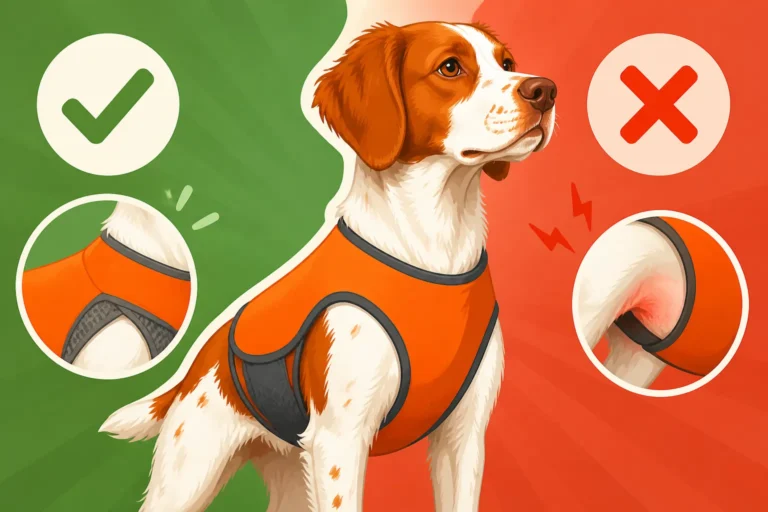
- Protective Gear: In heavy cover, a lightweight vest can protect the belly and chest feathering from burrs and thorns. While not always practical for every hunt, it's worth considering for particularly dense areas.
- Drying Thoroughly: After a swim or bath, ensure your Brittany's coat is completely dry. Air drying can cause the coat to clump and mat, especially the feathering. Use a dog-specific blower or a towel-dry thoroughly, brushing as you go. Whether a Wet Brittany Gets Hot Spots is a related concern, as damp mats can create a perfect environment for skin irritation.
Tackling Tangles: What to Do When Mats Happen
Even with the best preventative measures, sometimes mats just happen. A particularly gnarly patch of burrs, a rolling session in sticky mud, or simply missing a spot during brushing can lead to a dreaded mat. The key is to address them promptly and gently.
Gentle Detangling Techniques at Home
When you find a mat, resist the urge to pull or yank at it. This will only hurt your Brittany and make them dread future grooming sessions. Patience and the right technique are your best friends.
- Gather Your Tools: You'll need a mat splitter or dematting comb, a metal comb, a slicker brush, and a good detangling spray. A pair of blunt-tipped scissors can also be handy, but extreme caution is advised.
- Isolate the Mat: Gently separate the matted section from the surrounding healthy hair.
- Apply Detangling Spray: Liberally spray the mat with a detangling solution or even a little cornstarch powder. This helps the hairs slide against each other.
- Work from the Outside In: Start at the very edge of the mat, closest to the hair ends, and use the tips of a metal comb or the mat splitter to gently tease out a few hairs at a time. Do not try to pull the comb straight through the mat. Work in small sections, always holding the hair close to the skin at the base of the mat to minimize pulling. Think of it like trying to untangle a knot in a necklace, one tiny strand at a time.
- Use Scissors with Caution: If a mat is particularly tight and close to the skin, you might need to use blunt-tipped scissors. Never cut straight across a mat. Instead, insert the tip of the scissors into the mat parallel to the skin and make small snips, cutting into the mat rather than across it. This helps break it up into smaller sections that can then be combed out. Always place your fingers between the mat and the skin to prevent accidental nicks. This is often the point where you decide Whether Trimming a Brittany's Feathering Helps in Burrs is a good idea.
- Praise and Treats: Keep the experience positive with plenty of praise and treats. If your Brittany gets stressed, take a break and come back to it later.
Knowing When to Call a Professional Groomer
There are times when a mat is simply beyond your ability to safely remove at home. This is not a failure on your part; some mats are incredibly tight, extensive, or located in sensitive areas.
- Extensive Matting: If your Brittany has multiple large mats, or matting that covers a significant portion of their body, it's time for a professional. Trying to remove this kind of matting yourself can cause immense pain and skin damage.
- Mats Close to the Skin: Mats that are very tight and pressed right against the skin are extremely difficult to remove without cutting or irritating the skin. A professional groomer has the tools and experience to deal with these safely, often using clippers to carefully shave underneath the mat.
- Behavioral Issues: If your Brittany becomes aggressive, overly stressed, or unwilling to cooperate during home grooming, a professional groomer is better equipped to handle the situation calmly and efficiently.
- Infection or Irritation: If you notice redness, swelling, sores, or any signs of infection under a mat, do not try to remove it yourself. This requires veterinary attention, and the vet may recommend professional grooming to expose the area for treatment.
Remember, a professional groomer would much rather see a matted dog for a safe shave-down than an owner attempting a painful, risky at-home removal. They can often provide valuable advice for ongoing coat care and help you maintain a healthier, happier Brittany. For more on what to expect, you might consider Whether a Brittany's Feathering Should Be Trimmed.
The Brittany's coat is a beautiful part of what makes them who they are, but it does require commitment. By understanding the challenges and implementing a consistent grooming routine, you can keep your active companion comfortable, healthy, and looking their best, ready for whatever adventure awaits.
Disclaimer
This article is for general informational purposes only and does not constitute professional advice. Laws, prices and regulations vary by location and change over time. Consult a qualified professional for guidance on your specific situation.