Whether a Brittany Needs a Groomer
It's a common question, and one I hear often from new Brittany owners: "Do I really need to take my Brittany to a groomer?" The image many people have is of those fluffy poodles or highly styled show dogs, and a Brittany, with its natural, rugged good looks, doesn't immediately scream "professional grooming." You might think, "They're field dogs, they just need a quick brush and they're good to go." And while it's true that Brittanys aren't high-maintenance in the way some breeds are, dismissing the need for a groomer entirely can lead to a host of problems for both you and your beloved companion. This guide will walk you through the realities of Brittany coat care, what you can do at home, and when calling in a professional is not just a luxury, but a necessity.
Understanding the Brittany Coat: More Than Just "Wash and Go"
Before we dive into grooming routines, let's truly understand the Brittany's coat. It's built for purpose, designed to protect them in the field, which means it has specific characteristics that impact grooming.
The Double Coat and Feathering Explained
Your Brittany isn't just sporting a single layer of fur; they have a sophisticated double coat. This consists of a dense, soft undercoat that provides insulation, keeping them warm in cold weather and helping to regulate their temperature when it's warmer. Over this, they have a protective outer coat, which is fine, but not silky, and lies flat or slightly wavy. This outer coat is water-resistant to a degree and helps repel debris. It's tough, but not coarse.
Then there's the feathering. This longer fringe of hair grows on their legs, ears, and belly. It's beautiful, no doubt, giving them that classic sporting dog look. But this feathering is a magnet for all sorts of natural debris. It acts like a broom, sweeping up everything in its path when your Brittany is running through tall grasses or dense cover. This is where a lot of the grooming challenges begin. Many owners are surprised by the amount of shedding a Brittany produces, even with this type of coat. You might not see large clumps of hair falling out all at once, but rather a constant, fine shedding that can quickly accumulate if not managed. This is particularly true during seasonal changes when the undercoat blows out, creating a flurry of hair around your home. Understanding What a Brittany's Coat Is Like and How Much a Brittany Sheds are key to managing their grooming needs.
The Challenges of an Active Lifestyle on a Brittany's Coat
A Brittany is a bird dog, first and foremost, which means they spend a good deal of time in the great outdoors. This active lifestyle, while wonderful for their physical and mental health, puts their coat through the wringer. Think about a typical hunt or even a long hike in the woods: your Brittany is crashing through brush, wading through muddy water, and exploring every nook and cranny.
All this adventure means their coat, especially the feathering, picks up an incredible amount of "souvenirs." Burrs, briars, twigs, mud, and those insidious foxtails become deeply embedded. If not removed promptly and thoroughly, these can quickly lead to painful mats. Mats aren't just unsightly; they pull on the skin, can cause irritation, hot spots, and even hide parasites or injuries. Imagine trying to comb through a dense mat of burrs and dirt that's pulled tight against your dog's sensitive skin—it's not a fun job for anyone, least of all your dog. The battle against Burrs, Foxtails and Ticks on a Brittany is a continuous one for any Brittany owner.
DIY Grooming: The Essential Home Routine for Brittany Owners
While a professional groomer can be invaluable, a significant portion of your Brittany's grooming needs can and should be handled right at home. This isn't just about aesthetics; it's about maintaining their health and comfort, and it's a fantastic way to bond with your dog.
Daily and Weekly Brushing: Your First Line of Defense
Brushing is paramount for a Brittany. It's your number one tool in preventing mats, removing loose hair, and checking for any foreign objects or skin issues. Ideally, a quick brush-down should happen after every outdoor adventure, especially if your dog has been in dense cover. For general maintenance, a thorough brushing session a few times a week is usually sufficient, but daily is better during heavy shedding seasons.
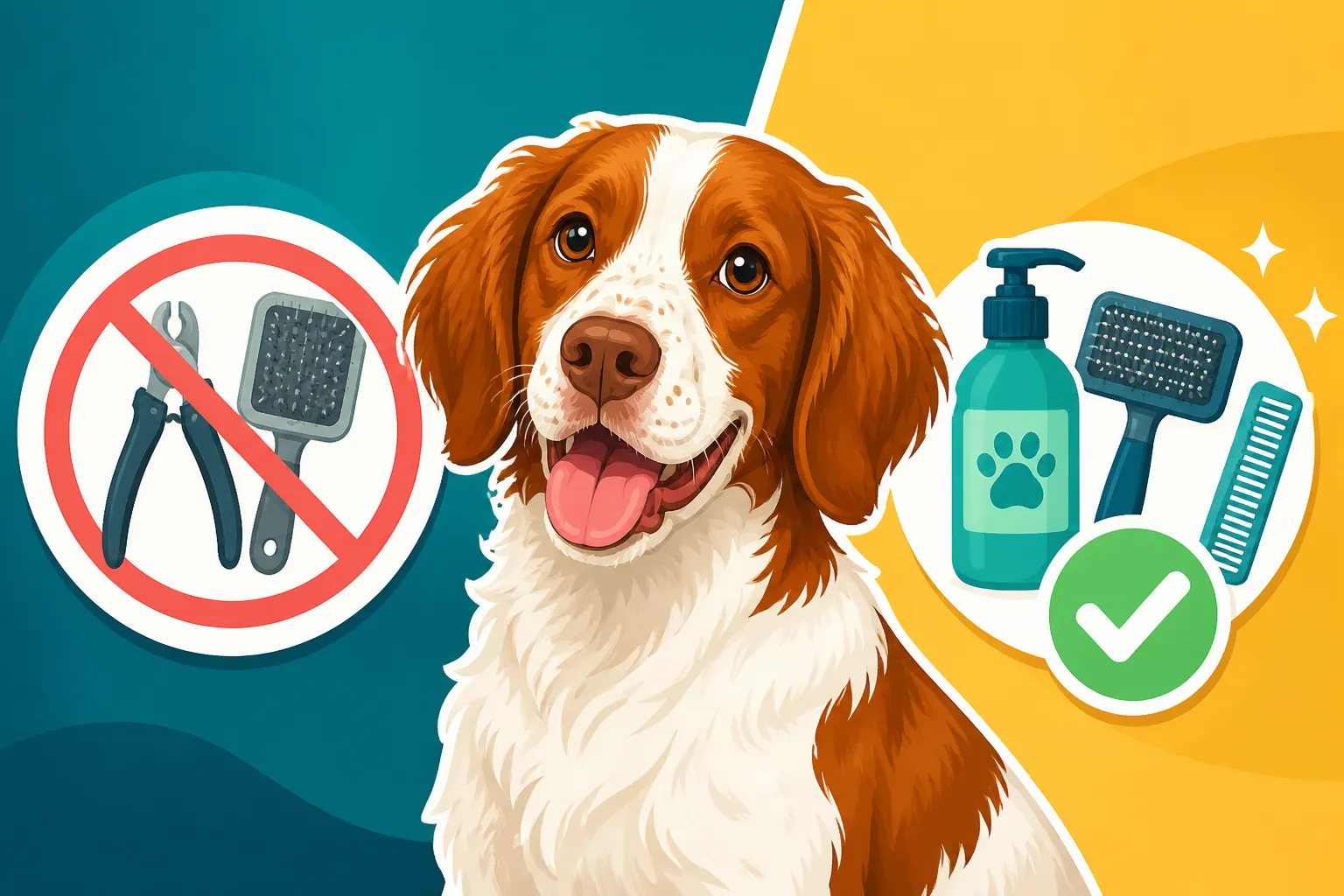
You'll need the right tools: a good quality slicker brush for working through the main body and feathering, a metal comb for checking for mats in sensitive areas like behind the ears and in the armpits, and possibly a de-matting rake for stubborn tangles. When brushing, always work in sections and gently. Start at the tips of the hair and work your way down to the skin, taking care not to yank or pull. Pay extra attention to the feathering and areas prone to matting. You can find all these essential tools easily through online retailers like Chewy, which offers a wide selection of grooming brushes and combs specifically designed for various coat types. Regular brushing helps to distribute natural oils, keeping the coat healthy and shiny, and can significantly reduce the amount of hair found around your home. For more on this, check out How Often a Brittany Needs Brushing.
Ear, Eye, and Paw Care
Beyond the coat, several other areas require your consistent attention. Brittanys, like many floppy-eared breeds, are prone to ear infections. Their drop ears create a warm, moist environment that's perfect for bacteria and yeast to thrive. After every hunt or swim, it’s crucial to thoroughly check and dry their ears. Use a vet-recommended ear cleaner as needed to keep the canals clean. Look for redness, odor, or excessive head shaking as signs of trouble. Consistent care can prevent painful infections that often require vet intervention. Why a Brittany's Ears Get Infected Every Season and How Often a Brittany's Ears Need Cleaning are must-reads for any Brittany owner. Knowing How to Dry a Brittany's Ears After Water is equally important.
For their eyes, a simple wipe with a damp cloth can remove any dirt or debris picked up from the field. Always check for irritation, redness, or discharge, especially after they've been pushing through thorny cover. Their paws, being their primary tools for navigating rough terrain, need special attention. Regularly trim their nails to a healthy length to prevent discomfort and potential injury. Inspect their pads after every outing for cuts, thorns, foxtails, or cracked skin. Using a paw balm can help keep pads supple. The phrase A Brittany's Feet Over a Long Season isn't just a saying; it’s a reality that requires diligent care.
Bathing and Drying
Bathing a Brittany isn't typically an everyday affair, but it's important to do it when they're truly dirty. Too frequent bathing can strip natural oils, leading to dry skin and a dull coat. Aim to bathe them after particularly muddy or smelly adventures, or generally every few weeks to a month, depending on their activity level. Choose a gentle, pH-balanced dog shampoo and conditioner. Again, online pet supply stores like Chewy offer a wide range of sensitive skin or deodorizing shampoos suitable for a Brittany's coat.
When bathing, ensure you thoroughly rinse out all shampoo and conditioner to prevent skin irritation. The drying process is just as critical, especially for their ears and feathering. Use absorbent towels and a dog-specific blow dryer on a cool or low-heat setting to ensure their coat is completely dry. Damp feathering and skin can quickly lead to hot spots, a painful skin infection that can escalate rapidly. Preventing hot spots is essential, and understanding Whether a Wet Brittany Gets Hot Spots is a crucial part of proper after-hunt care. If your Brittany is prone to such issues, a quality diet, perhaps from a brand like Ollie, which focuses on fresh, whole ingredients, can support skin and coat health, making them less susceptible to dryness and irritation that can exacerbate grooming challenges.
When a Professional Groomer Becomes a Godsend
While diligent home grooming goes a long way, there are definite times when a professional groomer isn't just a luxury, but a vital part of your Brittany's care routine.
Tackling Severe Matting and Neglected Coats
Let's be realistic: life gets busy. Sometimes, despite our best intentions, a mat can form and become severely tangled, or an entire section of feathering can become a felted mess. These aren't just minor inconveniences; severe mats are incredibly painful for your dog. They pull on the skin, restrict movement, and can hide infections, parasites, or open sores beneath them. Trying to brush out a truly matted coat at home can be agonizing for your Brittany and frustrating for you, often leading to a negative association with grooming.
This is precisely where a professional groomer shines. They have the specialized tools, experience, and techniques to safely and efficiently remove severe matting. Often, this involves carefully clipping or shaving the matted areas, a process that requires skill to avoid nicking the skin, especially when it's pulled taut by mats. In extreme cases, a veterinarian might even need to sedate your dog to remove extensive matting, particularly if the skin underneath is compromised or if the dog is in significant pain or fear. If such a situation leads to vet care, having pet insurance like Healthy Paws can be a tremendous relief, helping to cover the unexpected costs of medical intervention.
Specialized Trimming and Stripping
While Brittanys are not meant to have elaborate haircuts, there are specific grooming needs that go beyond simple brushing. For owners who show their Brittanys, maintaining the breed standard's natural appearance requires a very subtle, skilled touch. This often involves hand stripping or thinning certain areas to remove dead undercoat and enhance the natural lines without altering the coat's texture or length drastically. This is an art form best left to groomers who specialize in sporting breeds.
Even for field dogs, some owners opt for practical trimming of the feathering on legs and bellies. While it might slightly alter the traditional look, a shorter feathering can dramatically reduce the amount of burrs, mud, and debris collected, making post-hunt cleanup much easier and preventing mats from forming in the first place. A good groomer can perform what's sometimes called a "field cut" or "kennel clip" that shortens the feathering while still maintaining the integrity of the coat. This can be a huge time-saver and comfort enhancer for both you and your dog. You might want to consider Whether a Brittany's Feathering Should Be Trimmed for practical field purposes.
Time Constraints and Convenience
Let's face it: our lives are often a whirlwind of commitments. Between work, family, and training your Brittany for the field, finding the dedicated time for a thorough grooming session can be a challenge. While daily quick checks are important, a comprehensive grooming session involving a full brush-out, bath, dry, nail trim, and ear cleaning can easily take a few hours, especially if you're battling some tangles.
For many owners, the convenience of dropping their Brittany off with a professional every 6-8 weeks is well worth the cost. It ensures that their dog receives consistent, high-quality care, keeping them comfortable and healthy. This is particularly true for older Brittanys who might be less tolerant of long home grooming sessions or those with physical limitations that make bending and reaching difficult for their owners. A professional groomer can also catch subtle skin issues, lumps, or ear problems that you might miss, acting as another set of eyes for your dog's overall well-being.
Choosing the Right Groomer for Your Brittany
If you decide that a professional groomer is the right choice for your Brittany, finding the right one is crucial. Not all groomers are created equal, and some have more experience with sporting breeds and their specific needs than others.
What to Look For in a Brittany-Friendly Groomer
When searching for a groomer, you'll want someone who understands the Brittany's unique coat and temperament. Look for groomers who have experience with sporting breeds, double-coated dogs, or even better, Brittanys specifically. They should appreciate the natural look of the breed and not try to give your field dog a fancy, inappropriate cut unless specifically requested for practical reasons.
A good groomer will prioritize your Brittany's health and comfort above all else. This means they'll be gentle, patient, and knowledgeable about preventing and handling mats without causing pain. They should be willing to discuss your dog's activity level and any specific concerns you have, such as areas prone to burrs or skin sensitivities. Some owners who participate in dog shows might seek a groomer who is familiar with the Brittany breed standard to ensure their dog's coat is presented appropriately for the ring. If your Brittany tends to be on the softer side, or you're curious about Why a Brittany Is Called Soft, a groomer with a gentle approach is even more critical.
Questions to Ask and Red Flags to Watch For
Don't be shy about asking questions when you're interviewing potential groomers. Inquire about their experience with breeds like Brittanys, their specific grooming techniques for double coats, and how they handle de-matting. Ask about their facility's cleanliness, safety protocols, and whether they use force drying methods that might be stressful for some dogs. Transparency about their pricing structure and what's included in a standard grooming package is also important.
A significant red flag would be a groomer who insists on shaving down your Brittany's coat unnecessarily or who uses harsh methods for de-matting. If they seem dismissive of your concerns about maintaining feathering for field work or don't seem to understand the difference between a sporting dog's coat and, say, a poodle's, it might be best to look elsewhere. You want a groomer who truly listens to your needs and respects the natural beauty and function of your Brittany's coat. A groomer who encourages you to stay for part of the process, or who offers a "meet and greet" with your dog before the actual appointment, can also be a good sign, showing their confidence and willingness to build trust with both you and your Brittany.
| Grooming Task | DIY at Home | Professional Groomer (Recommended When…) |
|---|---|---|
| Brushing | Daily/weekly to remove loose hair, prevent tangles. | You have severe, embedded mats; time constraints are high. |
| Bathing | As needed (monthly/after heavy dirt) with proper shampoo. | Your dog has extensive matting requiring shaving; you lack appropriate drying tools. |
| Ear Cleaning/Drying | Weekly/after water exposure to prevent infections. | Chronic infections require medical attention; you're uncomfortable doing it. |
| Nail Trimming | Bi-weekly/monthly to maintain healthy length. | Nails are extremely overgrown; dog is highly anxious or aggressive about it. |
| Feathering Trimming | Minor tidying with blunt-nose scissors (caution needed). | You desire a specific field clip or show trim; extensive thinning/shaping is needed. |
| De-Matting | Gentle working out of small, fresh tangles. | Mats are large, tight, or causing pain; risk of skin injury is high. |
| Overall Health Check | Daily visual inspection for cuts, ticks, irritation. | Professional groomers often spot underlying skin issues or parasites you missed. |
Ultimately, whether your Brittany needs a groomer isn't a simple yes or no. For most Brittany owners, a consistent and thorough home grooming routine is the foundation. However, recognizing when a professional's expertise is needed—whether for severe matting, specialized trimming, or simply to give yourself a break—is a smart move that contributes significantly to your Brittany's long-term health, comfort, and happiness. Don't view it as a failure of your own grooming efforts, but as another valuable tool in caring for your adventurous companion.
Disclaimer
This article is for general informational purposes only and does not constitute professional advice. Laws, prices and regulations vary by location and change over time. Consult a qualified professional for guidance on your specific situation.