When a Brittany Puppy Moves to Adult Food
Bringing home a Brittany puppy is an exhilarating experience, but as those tiny paws grow into powerful, bird-finding machines, many owners find themselves scratching their heads over nutrition. It’s not always clear when to stop feeding puppy kibble and introduce adult formulas, and making the wrong move can impact your beloved Brittany's health and development. This comprehensive guide will walk you through the precise timing and method for transitioning your Brittany puppy to adult dog food, ensuring they get exactly what they need at every stage of their life.
Understanding the Nutritional Differences Between Puppy and Adult Food
It’s easy to think "food is food," but puppy food and adult dog food are formulated with distinct nutritional profiles designed to meet very different biological needs. Ignoring these differences can lead to developmental problems, particularly in a breed as active and fast-growing as the Brittany. Understanding why they differ is the first step in making an informed transition.
The Role of Specific Nutrients in Growth
Puppies, especially active, medium-sized breeds like Brittanys, are essentially tiny athletes in constant motion, building bone, muscle, and neurological connections at an astonishing rate. To fuel this rapid development, puppy foods are packed with higher levels of protein, fat, and calories. Think of it like a human baby versus an adult: babies need more frequent feedings and denser nutrition for their incredible growth spurts. Puppy foods also contain precise ratios of calcium and phosphorus for healthy bone development, which is crucial for preventing orthopedic issues later in life. Too much or too little can be detrimental. You'll often find added DHA for brain and vision development, and a boosted immune system support to help those young pups ward off illnesses as their own defenses mature.
On the other hand, adult dog food is designed for maintenance. Once a dog reaches maturity, their primary nutritional needs shift from rapid growth to sustaining their current body condition, muscle mass, and energy levels. The protein and fat content are lower, and the calorie count is reduced to prevent weight gain, which can be a real concern for Brittanys if their exercise doesn't match their food intake. While still providing essential vitamins and minerals, the focus is less on accelerated development and more on overall wellness and longevity. If you continue feeding puppy food for too long, your Brittany can easily become overweight, putting undue stress on developing joints and setting the stage for health problems down the road.
Different Growth Stages and Corresponding Dietary Requirements
A Brittany's life isn't a single, continuous growth phase; it's a series of stages, each with its own dietary demands. From birth until around 8-12 weeks, puppies typically rely on their mother's milk, which is perfectly balanced for their initial, explosive growth. After weaning, high-quality puppy food takes over. During this critical period, usually up to about six months, a Brittany puppy is growing rapidly in both height and bone structure. Their energy needs are immense, supporting play, exploration, and the development of their athletic physique.
As they move into adolescence, from roughly six months to a year or slightly beyond, the rate of linear growth (getting taller) slows down, but they're still filling out, developing muscle, and refining their coordination. Their energy needs remain high, but the intense caloric density of early puppy food might start to become excessive, especially if their activity levels are inconsistent. For some larger or slower-maturing breeds, a "large breed puppy food" might be recommended to control growth rates and mitigate joint problems, but for a Brittany, a standard high-quality puppy formula is usually appropriate. The key is to recognize that "puppyhood" isn't a single dietary phase, and the transition to adult food aligns with the end of their major growth period.
Key Factors Influencing the Timing of the Switch
Deciding the exact moment to transition your Brittany from puppy food to adult formula isn't a one-size-fits-all answer. Several factors play a crucial role, and understanding them will help you make the best decision for your individual dog. It's less about hitting a specific date on the calendar and more about observing your Brittany's development.
Age and Breed Size Considerations
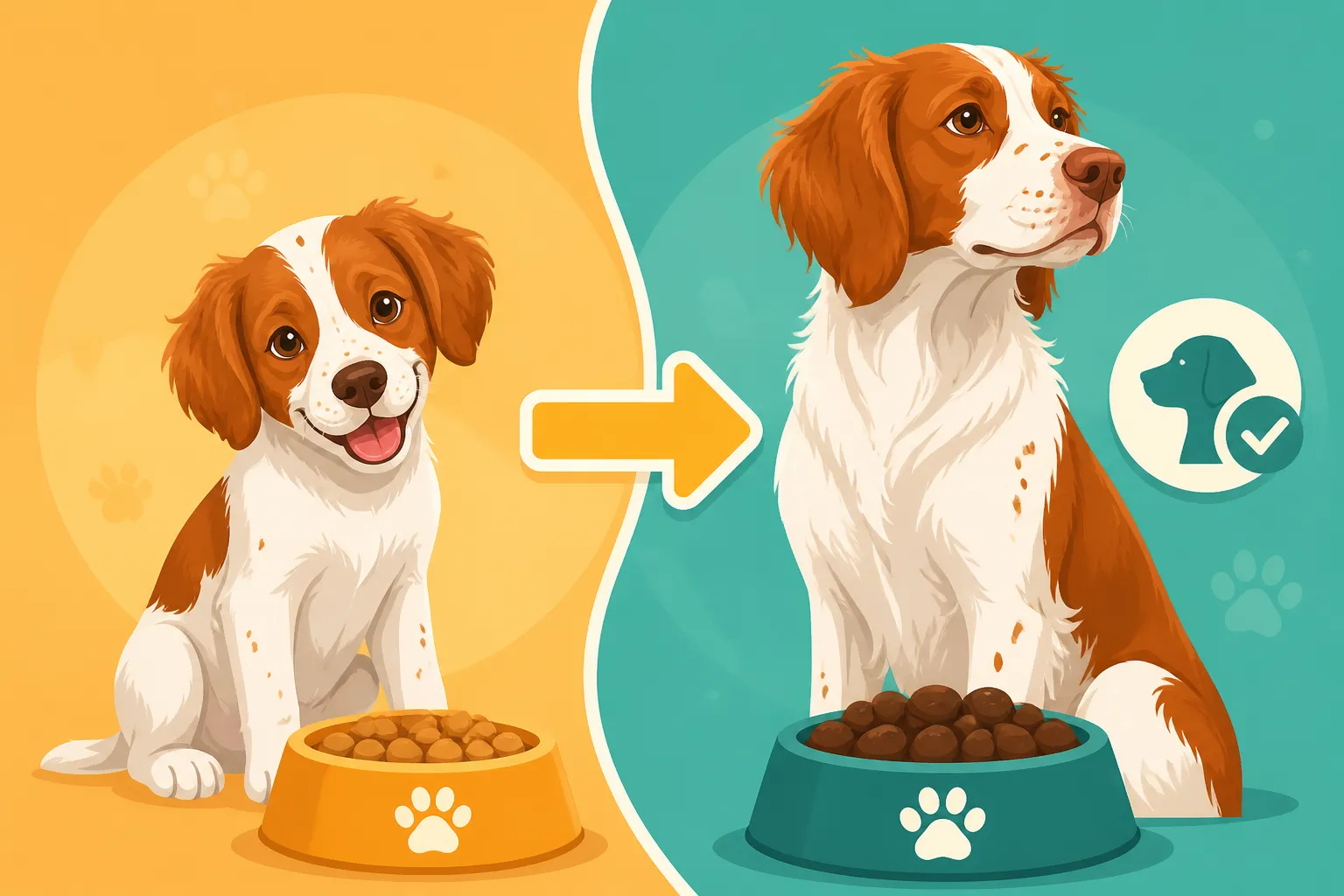
For most medium-sized breeds like the Brittany, the general guideline for switching to adult food is typically between 10 to 12 months of age. This is because, by this point, they have usually completed the majority of their skeletal growth. While they might still put on a little more muscle or fill out slightly, the intense demands of bone and tissue formation have largely tapered off. For a smaller breed, this switch might happen as early as 7-9 months, while a giant breed might not be considered "adult" until 18-24 months. The Brittany falls squarely in that middle ground, meaning their developmental curve allows for a relatively consistent transition window.
However, keep in mind that "breed average" is just that—an average. Your Brittany might be slightly ahead or behind the curve. A good breeder will often provide guidance based on the specific lines and their typical growth patterns. When you got your What a Brittany Puppy Costs From a Breeder, you likely discussed the typical growth trajectory for that line. If you're unsure, or if your Brittany seems to be growing exceptionally fast or slow, don't hesitate to consult your veterinarian for their expert opinion.
Monitoring Individual Growth Rate and Development
While age provides a general timeframe, your Brittany's individual growth rate is perhaps the most important factor. Are they still noticeably gaining height and length, or have they started to fill out and broaden in the chest and shoulders? The goal is to ensure they are done growing up before you reduce the higher caloric density of puppy food. Look for signs that their growth plates have likely closed, which typically happens around 10-14 months, though radiographs are the only definitive way to confirm this.
A simple visual check and feeling their ribs can tell you a lot. A puppy should have a lean appearance, with ribs easily felt but not sharply visible. As they approach maturity, you want them to maintain that healthy, athletic build. If your Brittany is starting to look a little pudgy, or if they seem to be gaining weight quickly without a corresponding increase in height, it might be an indicator that the rich puppy food is becoming too much. This is where a conversation with your vet can be invaluable. They can assess your Brittany's body condition score and advise on the appropriate time to transition. How to Feel a Brittany's Ribs offers great tips for monitoring their weight at home.
Activity Level and Lifestyle
Brittanys are inherently energetic dogs. They were bred to hunt and cover ground, and even if yours is primarily a family companion, they still possess a significant drive to move. A Brittany puppy's activity level is often boundless, involving bursts of running, jumping, and intense play. This high energy expenditure naturally burns through calories. However, as they mature, their activity might become more structured (e.g., regular walks, training sessions, actual hunting season) rather than constant, chaotic puppy energy.
If your Brittany is a high-energy working dog, consistently burning a lot of calories in the field, they might be able to tolerate puppy food for a little longer without gaining excessive weight. Conversely, a Brittany who is less active—perhaps living in a more suburban setting with fewer intense exercise opportunities—might need to switch to adult food sooner to prevent them from becoming overweight. How Much an Adult Brittany Eats provides further insight into dietary needs based on activity.
It's also worth noting that if you're training for events or planning on hunting with your Brittany, their body will be under different stresses. A dog preparing for its first hunting season will have different caloric needs than one just enjoying daily walks. However, even with high activity, once their skeletal growth is complete, the type of nutrition shifts from growth-oriented to performance and maintenance. Whether a Working Brittany Needs a Performance Food delves deeper into these specific needs.
The Transition Process: Making the Switch Smoothly
Once you've decided it's time to transition your Brittany to adult food, doing so gradually is paramount. A sudden change can wreak havoc on their digestive system, leading to upset stomachs, diarrhea, or a complete refusal to eat. Your Brittany has a delicate digestive flora, and it needs time to adjust to a new formula.
Gradual Introduction: A Step-by-Step Approach
The key to a successful transition is patience and a slow introduction. Aim for a period of 7-10 days, gradually increasing the amount of new adult food while decreasing the puppy food. Here’s a typical schedule:
- Days 1-2: Mix 75% puppy food with 25% adult food. Your Brittany might notice the change, but it should be subtle enough not to cause immediate digestive upset. This is often available at pet stores like Chewy or large retailers like Amazon, making it easy to find both formulas from your preferred brand.
- Days 3-4: Adjust the ratio to 50% puppy food and 50% adult food. At this point, you're giving their system a good taste of the new formula while still providing the familiarity of their old diet.
- Days 5-6: Move to 25% puppy food and 75% adult food. Your Brittany's digestive system should now be well on its way to adapting to the new ingredients.
- Days 7-10: By now, you should be able to feed 100% adult food. Some dogs might need a full 10 days or even two weeks for a super sensitive stomach, while others might be fine in a week.
Throughout this process, observe your Brittany closely. If you notice any signs of digestive upset—like loose stools, vomiting, or a lack of appetite—slow down the transition. You can hold at a particular ratio for an extra day or two before increasing the new food again. Remember, the goal is a seamless shift.
Monitoring for Digestive Upset and Other Reactions
As you introduce the new food, keep a keen eye on your Brittany. The most common signs of an adverse reaction are changes in stool consistency (soft stools, diarrhea, or constipation), vomiting, gas, or a decrease in appetite. If you see any of these, it’s a clear signal to slow down. Go back to the previous ratio that your dog tolerated well and stay there for a few more days before trying to advance again.
Beyond digestive issues, also observe their energy levels and overall demeanor. Are they still as enthusiastic about mealtime? Do they seem lethargic or uncomfortable? These subtle cues can indicate that the new food isn't sitting well with them. It's also a good time to ensure they're drinking plenty of water, especially if their stool becomes a bit softer. Staying hydrated is always important.
It's rare, but sometimes a dog might have a minor food sensitivity to an ingredient in the new adult formula. If digestive issues persist despite a slow transition, you might need to consider a different brand or formula. Companies like Ollie offer personalized meal plans that might cater to sensitive stomachs, though that's usually a step taken after simpler transitions fail. Your vet can provide advice on identifying potential allergens if the problem is severe.
Common Mistakes and How to Troubleshoot Them
Even with the best intentions, the food transition process can hit a few snags. Knowing what common mistakes to avoid and how to troubleshoot problems can save you and your Brittany a lot of stress (and messes!).
Switching Too Early or Too Abruptly
One of the most common mistakes is switching a Brittany puppy to adult food too early. While they might look nearly full-grown around 8-9 months, their skeletal system is still developing. Cutting back on crucial growth-phase nutrients prematurely can impact their long-term health, potentially affecting bone density, joint development, and overall robustness. It's often better to err on the side of a slightly later transition than an earlier one, especially for an active breed prone to joint issues later in life. Why a Brittany Puppy Should Grow Slowly highlights the importance of proper, sustained growth.
The other major misstep is changing food abruptly, often due to running out of puppy food unexpectedly or thinking it won't matter. As we discussed, this nearly guarantees digestive upset. Your Brittany's gut microbiome is accustomed to the specific ingredients and bacterial balance of their puppy food. A sudden influx of new proteins, fats, and fiber sources can shock their system, leading to diarrhea and discomfort. Always plan ahead, buy your new adult food in advance, and dedicate a full week to the gradual transition.
- Troubleshooting:
- If you switched too early: Consult your vet. They might recommend returning to puppy food or supplementing their diet if specific deficiencies are suspected. This is less common but can happen.
- If you switched too abruptly: Revert to the old food if you still have some, or introduce the new food very slowly by mixing a tiny amount (like a spoonful) into their current diet for a few days before increasing. If diarrhea is severe or persistent, contact your vet, as dehydration can be a concern for puppies. They might recommend a bland diet for a day or two to settle their stomach.
Dealing with Picky Eaters or Food Refusals
Brittanys are generally pretty food motivated, especially if they're active, but some can develop pickiness. If your Brittany starts refusing the new food, it can be frustrating. Sometimes it's a texture preference, other times it's the taste. It could also be a subtle stomach upset making them hesitant to eat.
- Troubleshooting:
- Slow Down the Transition: As mentioned, if your dog is refusing, go back to a ratio they were eating comfortably. Sometimes you need to go slower than the standard 7-10 days.
- Add Palatability Boosters: A little warm water, low-sodium chicken broth, or a tablespoon of canned pumpkin (plain, unsweetened) can make the food more appealing. Just be careful not to add too much, or they might pick out the good stuff and leave the kibble.
- Try a Different Brand or Flavor: If your Brittany consistently refuses the new adult food, it might simply not be to their liking. There are many high-quality adult dog foods available. Different brands use different protein sources and kibble shapes, which can make a big difference. Sites like Chewy or Amazon offer a huge variety, allowing you to try a small bag of a different option without a huge commitment.
- Eliminate Other Food Sources: Are they getting too many treats or table scraps? If so, cut those out completely during the transition. Make sure their meals are the primary source of nutrition and appeal.
- Rule Out Medical Issues: If food refusal is complete and prolonged (more than 24 hours for a puppy), or accompanied by lethargy, vomiting, or diarrhea, it's time for a vet visit. There might be an underlying medical issue unrelated to the food change.
The Impact of Free-Feeding Versus Scheduled Meals
Many puppy owners free-feed, leaving food out all day for their pup to graze. While this can work for some, it often makes monitoring food intake and transitioning difficult. Scheduled meals (two to three times a day for adults) offer much more control and can help your Brittany develop a healthier eating routine. It also makes it easier to track how much of the new food they are actually consuming.
- Troubleshooting: If you're free-feeding and struggling with the transition, switch to scheduled meals. Offer the food for 15-20 minutes, then pick it up, even if they haven't finished. This teaches them to eat when food is available and can make them more eager for their next meal.
Special Considerations for the Brittany Breed
Brittanys are a unique breed—athletic, intelligent, and brimming with energy. These characteristics mean their nutritional journey, particularly the transition to adult food, has specific nuances that owners should be aware of.
Brittany Growth Trajectory and Bone Health
Brittanys typically mature faster than giant breeds but slower than toy breeds, hitting their full height and length around 10-12 months. However, they continue to fill out and gain muscle mass for another few months, often reaching their mature weight by 14-18 months. This extended "filling out" phase means that while their skeletal growth may be largely complete, their body still has developmental needs. Because of their athletic nature and the demands placed on their joints (especially if they're future hunting partners), proper bone and joint development during puppyhood is paramount.
Overfeeding puppy food for too long, leading to rapid weight gain, can stress developing joints and increase the risk of orthopedic problems. This is especially true for conditions like hip dysplasia, which can affect Brittanys. How Common Hip Dysplasia Is in Brittany Spaniels explains the breed's susceptibility. Ensuring a controlled growth rate by transitioning to adult food at the appropriate time helps mitigate these risks. Look for adult foods that still offer good joint support ingredients like glucosamine and chondroitin, which can be beneficial for a highly active breed.
Maintaining an Ideal Body Condition for an Active Dog
A Brittany should always be lean and athletic, not overweight. You should be able to easily feel their ribs without them being visible, and they should have a discernible waist when viewed from above. An ideal body condition is crucial for their performance, stamina, and overall health, especially for working dogs. Moving to adult food at the right time helps manage calorie intake to prevent excess weight. What an Adult Brittany Should Weigh provides target ranges, but remember that individual dogs vary.
During hunting season, or periods of intense activity, your Brittany's caloric needs will naturally increase. It's often better to increase the volume of their adult maintenance food or consider a high-performance adult formula during these times, rather than reverting to puppy food. High-performance adult foods are designed to provide extra energy without the specific growth-promoting nutrients that an adult dog no longer needs. Monitor their weight regularly, perhaps once a month, to ensure they aren't gaining or losing too much. If they're dropping weight in season, for instance, you'll want to increase their food portion. If they're packing on the pounds during the off-season, cut back slightly and increase exercise.
| Aspect | Puppy Food | Adult Food | Considerations for Brittany |
|---|---|---|---|
| Protein Level | Higher (e.g., 28-32%) | Moderate (e.g., 22-26%) | Needed for rapid muscle/tissue growth; adult for maintenance. |
| Fat Level | Higher (e.g., 15-20%) | Moderate (e.g., 10-14%) | Essential for energy for active pups; adult for maintenance. |
| Caloric Density | High | Lower | Supports intense growth; prevents adult obesity. |
| Calcium/Phosphorus | Balanced for growth | Maintenance levels | Crucial for bone development; excess can harm adults. |
| Added Nutrients | DHA (brain), immune boosters | Joint support, skin/coat health | Supports puppy development; adult for longevity. |
| Transition Age | Until 10-12 months typically | From 10-12 months onward | Tailor to individual Brittany's growth and activity. |
| Body Condition | Lean, growing | Lean, athletic (ribs felt, waist visible) | Critical for active Brittanys to prevent joint strain. |
Consulting Your Veterinarian and Breeder
When in doubt, your veterinarian is your best resource. They can assess your Brittany's specific health, growth curve, and body condition. During routine check-ups, bring up your concerns about diet and the timing of the transition. They can offer personalized advice based on their examination. What a Brittany's Yearly Bloodwork Should Cover also shows why regular vet visits are vital for comprehensive health monitoring.
Your Brittany's breeder can also be a wealth of information. They know the lines, their typical growth rates, and any specific dietary considerations that might apply. They may even recommend a particular brand or type of food they’ve found success with. Don't hesitate to reach out to them for guidance. A good breeder cares about their puppies long after they leave for their new homes.
Ultimately, the goal is to provide your Brittany with the best possible nutrition throughout their life, starting with puppyhood and seamlessly transitioning into adulthood. A healthy diet, coupled with plenty of exercise and love, will ensure your Brittany remains the vibrant, energetic companion you cherish.
Disclaimer
This article is for general informational purposes only and does not constitute professional advice. Laws, prices and regulations vary by location and change over time. Consult a qualified professional for guidance on your specific situation.