Why a Brittany’s Nose Loses Its Black
It’s a moment many Brittany owners experience: you’re looking at your beloved dog, perhaps admiring their intelligent eyes or their perfectly feathered ears, and then you notice it. Their once striking, ebony nose isn't quite as dark as it used to be. It might be a subtle fading to a softer brown, or a more pronounced shift to a pinkish hue. This change, often called "loss of nose pigment" or "depigmentation," can be unsettling. Is it normal? Is it something serious? This guide will delve into the various reasons why your Brittany’s nose might be losing its rich black color, from benign environmental factors to more significant health concerns, helping you understand what to look for and when to seek veterinary advice.
The Common Phenomenon of "Winter Nose" or "Snow Nose"
For many Brittany owners, the first explanation that comes to mind, or that a vet might suggest, is the harmless phenomenon known as "winter nose" or "snow nose." It sounds a bit whimsical, doesn't it? But it's a very real and utterly benign change that happens to countless dogs, including our active, outdoor-loving Brittanys.
What Exactly is Winter Nose?
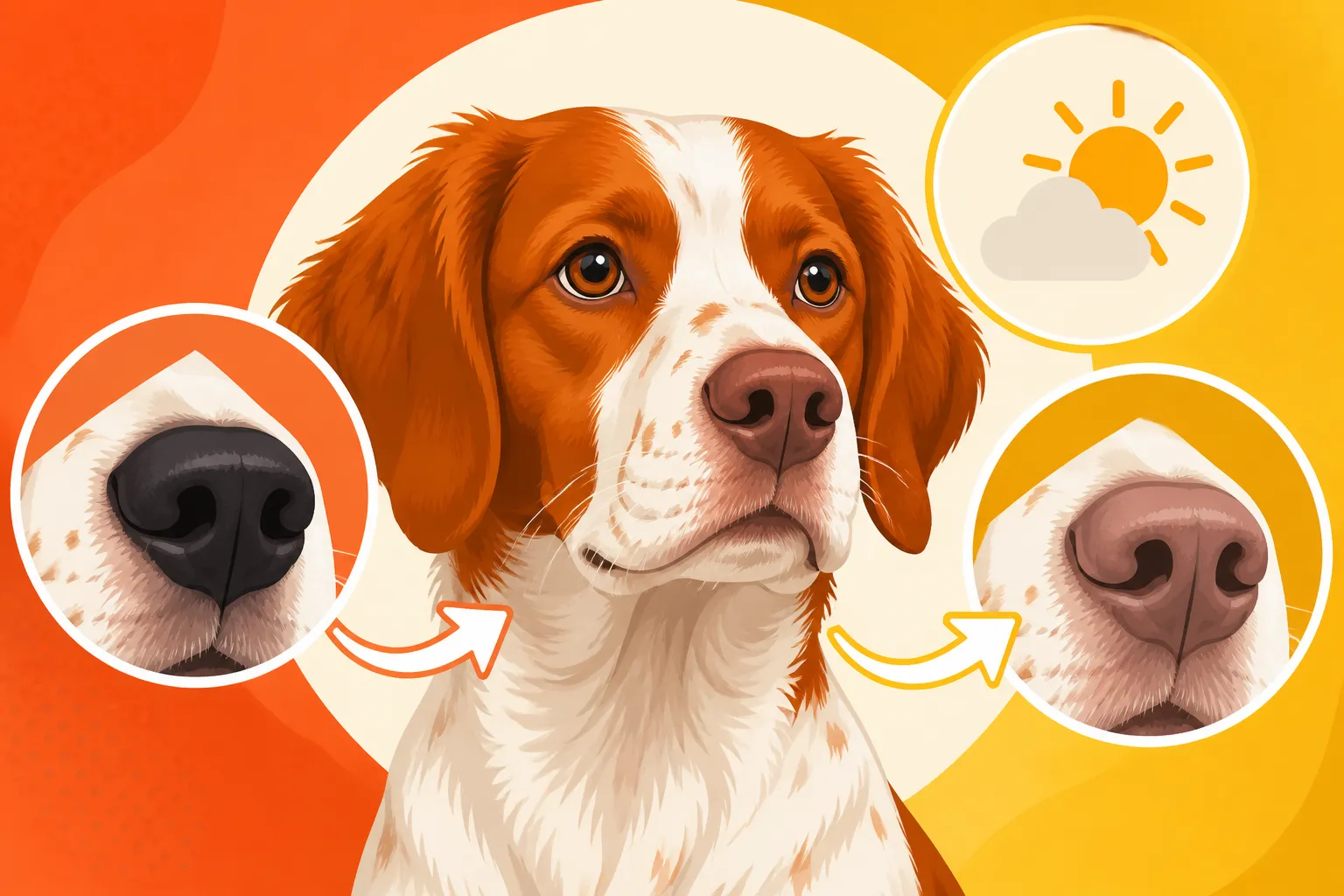
Winter nose is a temporary, seasonal depigmentation of the nasal planum – that’s the technical term for your dog’s nose leather. What typically happens is that your Brittany’s deep black nose, the one you’ve grown accustomed to, gradually starts to lighten. It might turn a reddish-brown, a sort of liver color, or even a soft pink. This change usually becomes apparent as the colder, darker months of autumn and winter set in.
It can be quite a surprise when you first notice it, especially if you’re a new Brittany owner. You might scrutinize your dog’s face, wondering if you’re imagining things or if they’ve been rooting around in something unusual. But no, it's just their nose pigment taking a little seasonal vacation! The most reassuring aspect of winter nose is that it's entirely cosmetic. It doesn't cause any discomfort, pain, or health problems for your dog. And just as reliably as the seasons change, the pigment often returns to its original black hue as spring and summer bring longer, brighter days. It's a cyclical process for many dogs, repeating year after year, a charming quirk of nature.
Why Does it Happen Seasonally?
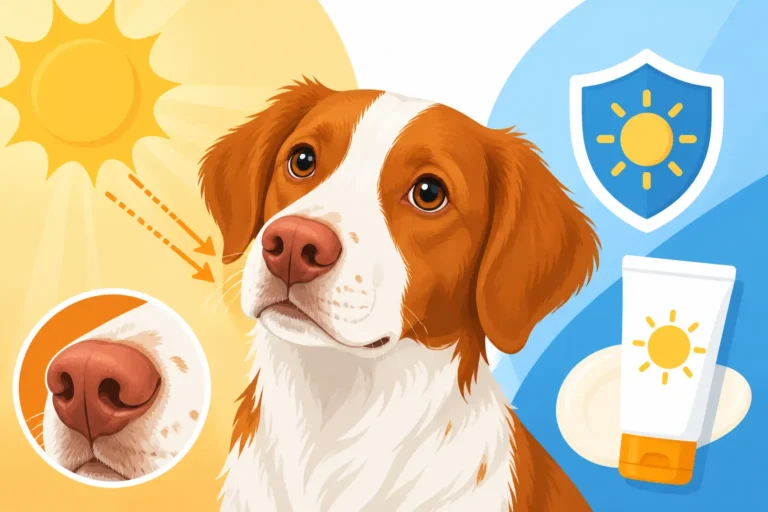
While the precise mechanisms aren't fully understood, the prevailing theory behind winter nose points to a decrease in sunlight exposure during the colder months. Melanin, the pigment responsible for the black color in your Brittany’s nose, is largely stimulated by sunlight. When the days shorten and the intensity of UV light diminishes, the melanocytes – the cells responsible for producing this pigment – become less active. It’s almost like they go into hibernation for the winter, only to perk back up with the return of spring.
Some researchers also suggest that colder temperatures themselves might play a minor role, potentially inhibiting the enzyme (tyrosinase) responsible for melanin production. However, the lack of UV light is generally considered the primary driver. It's important to differentiate this from any other cause of depigmentation because winter nose affects only the aesthetics, not your Brittany’s health, sense of smell, or overall well-being. So, if your Brittany’s nose lightens up around November and darkens again by April, and there are no other symptoms, you can likely chalk it up to this charming seasonal shift.
Understanding Discoid Lupus Erythematosus (DLE)
While winter nose is usually nothing to worry about, there are more serious reasons why a Brittany's nose might lose its black color, and Discoid Lupus Erythematosus (DLE) is perhaps the most significant. This is an autoimmune skin disease, and it's something every Brittany owner should be aware of, especially since it frequently manifests on the nose. We’ve covered this in more depth in our post, What Discoid Lupus Does to a Brittany's Nose, which you might find helpful.
What is Discoid Lupus?
DLE is a chronic autoimmune condition where your Brittany’s immune system, which is designed to protect against foreign invaders, mistakenly attacks its own skin cells. It primarily affects the skin, with a strong predilection for the nasal planum (the nose itself), but it can also show up around the eyes, on the lips, ear flaps, and sometimes the genitals. For Brittanys, the initial loss of black pigment on the nose is often the first, and sometimes most subtle, clue that something more profound is happening.
Unlike the harmless seasonal changes of winter nose, DLE is not merely a cosmetic issue. It can be quite uncomfortable, itchy, and even painful for your dog. If left untreated, the condition can progress, leading to more severe skin damage and potentially secondary infections. Recognizing an autoimmune condition early is crucial for effective management. If you have concerns about your dog's immune system, it's worth exploring whether a Brittany Gets Autoimmune Disease, a broader topic that can provide additional context.
Signs Beyond Pigment Loss
The fading of the black pigment (depigmentation) on the nose is certainly a classic sign of DLE, but it’s rarely the only one. To help you differentiate DLE from benign conditions, it's essential to look for these additional, more concerning symptoms:
- Crusting and Scaling: The depigmented areas on the nose often become rough, crusty, or scaly. It might look like dried skin or even form thick scabs.
- Ulcerations and Sores: As DLE progresses, open sores or shallow ulcers can develop on the nose, which can be very painful and may bleed. This is often the reason why a Brittany's Nose Cracks and Bleeds, indicating a more severe stage of the disease.
- Erosion of the Nasal Planum: The healthy, bumpy texture of a dog’s nose can become smooth, flattened, or even eroded away as the disease attacks the delicate tissue.
- Redness and Inflammation: The skin around the affected areas, or even the depigmented spots themselves, will often appear red and inflamed, indicating active immune system involvement.
- Itching or Pain: Your Brittany might paw at their nose, rub their face on carpets or furniture, or shy away when you try to touch their muzzle. These are clear signs of discomfort.
- Photosensitivity: Sunlight can significantly worsen DLE lesions. Exposure to UV light can trigger flare-ups or exacerbate existing symptoms, making diligent sun protection vital. This is why knowing whether a Brittany Needs Sunscreen on Its Nose becomes a critical part of management if DLE is diagnosed.
If you observe any of these additional signs along with the loss of nose pigment, it’s not something to wait on. Prompt veterinary attention is crucial. For a more comprehensive checklist of things to watch out for, our detailed guide on Signs a Brittany Has Discoid Lupus is an excellent resource.
Diagnosis and Treatment for DLE
When you bring your Brittany to the vet with suspected DLE, they will perform a thorough physical examination and discuss your dog's symptoms and history. The definitive way to diagnose DLE, and to rule out other skin conditions, is through a skin biopsy. This procedure involves taking a small tissue sample from the affected area, usually under local anesthesia (or general sedation if the dog is particularly anxious or the area is very sensitive). The sample is then sent to a veterinary pathologist who examines it under a microscope for characteristic cellular changes indicative of DLE.
Once diagnosed, the treatment for DLE focuses on managing the overactive immune response and alleviating your Brittany's discomfort. It often involves a multi-pronged approach:
- Topical Medications: Corticosteroid creams or ointments are frequently prescribed to apply directly to the affected nasal area. These help reduce inflammation and immune activity.
- Oral Immunosuppressants: Medications such as prednisone or cyclosporine may be given orally, especially for more severe or widespread cases, to suppress the immune system's attack on the skin.
- Antibiotics: If secondary bacterial infections have developed in any open sores or cracked areas, antibiotics will be prescribed to clear them up.
- Nutritional Support: Supplements like Omega-3 fatty acids (fish oil) and Vitamin E can be beneficial due to their anti-inflammatory and skin-supportive properties.
- Sun Protection: This is a cornerstone of DLE management. Minimizing your Brittany’s exposure to direct sunlight, especially during peak UV hours (10 AM to 4 PM), is vital. Veterinarian-approved sunscreens designed for dogs should be applied to the nose when outdoor activity is unavoidable.
While DLE is a chronic condition that typically requires lifelong management, the good news is that with proper treatment, most Brittanys can live very comfortable and fulfilling lives. Your vet will work closely with you to establish the best treatment plan, adjusting it as needed. For a deeper dive into the management strategies, you can refer to our article on How a Brittany With Discoid Lupus Is Treated. Investing in pet insurance, such as a plan from Healthy Paws, can be incredibly beneficial for managing the ongoing costs of medications, specialist visits, and diagnostic tests associated with a chronic condition like DLE.
Other Reasons for a Brittany's Nose to Lose Its Black Color
While winter nose and DLE cover a significant portion of nasal depigmentation cases in Brittanys, there are several other, less common, but equally important reasons for this change. Understanding these can help you and your vet narrow down the possibilities.
Vitiligo
Vitiligo is a fascinating condition that, like winter nose, is primarily cosmetic and causes no discomfort to your Brittany. In vitiligo, the pigment-producing cells (melanocytes) simply stop functioning or are destroyed for reasons not fully understood, leading to a loss of color in specific areas of the skin, including the nose. Unlike DLE, there's no inflammation, crusting, or pain associated with vitiligo. It's just a straightforward loss of pigment, resulting in white patches on the skin and a pink or white nose.
The depigmentation caused by vitiligo can appear as small, isolated spots or larger, more widespread areas. It can progress over time, or remain static. It's not associated with any underlying disease, nor does it affect your Brittany's health or their ability to smell. While there's no treatment for vitiligo, as it’s not a medical problem, a veterinary diagnosis can provide peace of mind, confirming that the pigment loss isn't a symptom of something more serious.
Trauma or Injury
Sometimes, the simplest explanation is the right one. A physical injury to your Brittany's nose can lead to temporary or, occasionally, permanent depigmentation in the affected area. Imagine your energetic Brittany enthusiastically rooting through dense brush, bumping its nose on something hard, or getting a minor scrape during play. The subsequent healing process can sometimes interfere with the melanocytes.
As the skin repairs itself, the new tissue might not produce the same amount of melanin, resulting in a lighter patch where the injury occurred. This is similar to how a scar on human skin might be a different color or texture than the surrounding tissue. If you notice a sudden, localized change in nose color after an event where your Brittany might have injured itself, this could be the cause. Typically, if it's due to trauma, the pigment may eventually return as the cells fully recover, but in some cases, the loss can be permanent. It's usually distinguishable from more widespread conditions as it's confined to the specific injury site.
Allergies and Irritation
While not a primary cause of widespread nose depigmentation, chronic irritation or inflammation from allergies can, in some cases, contribute to localized pigment loss or exacerbate existing issues on the nose. If your Brittany suffers from severe environmental or food allergies, and constantly rubs, scratches, or licks their nose and face due to intense itching, the persistent inflammation can sometimes affect the melanocytes in that area.
You might notice other signs if allergies are at play, such as redness, bumps, small scabs, or hair loss around the muzzle, eyes, or ears. It's important to differentiate this from DLE, as allergies often present with intense itching and may involve other areas of the body. If your Brittany is showing other classic signs of allergy, such as constant paw licking or recurring ear infections, and the nose is also affected, it's worth discussing with your vet. Our post, What a Brittany Is Most Often Allergic To, can give you a clearer picture of typical canine allergy symptoms.
Aging
Just like humans develop grey hair and wrinkles, our beloved canine companions experience various changes as they age. One of these natural, age-related transformations can be a gradual fading of pigment in different parts of their body, including the nose. As your Brittany matures and enters its senior years, you might observe that its once jet-black nose begins to lighten, taking on a greyer, paler, or even pinkish hue.
This is a completely normal part of the aging process and is usually no cause for concern. It’s a gentle indicator that your loyal friend is gracefully growing older, often accompanying the appearance of silver hairs around their muzzle and eyes. When considering what changes in a Brittany after ten years of age, a fading nose color is far down the list of worries compared to potential joint pain or changes in energy levels. Understanding How Long a Brittany Lives on Average can help you prepare for and appreciate these subtle, natural signs of aging.
Certain Medications or Topical Products
In rare instances, particular medications or topical products applied to your Brittany's nose or the surrounding facial area can cause temporary pigment loss. This could be due to an adverse reaction to an ingredient or an interference with the pigment-producing cells. For example, some harsh antiseptic washes or certain medicated creams might have a depigmenting effect if used over time.
If your Brittany has recently started a new medication, either oral or topical, and you notice a change in nose color, it’s definitely something to mention to your veterinarian. They can help determine if there’s a correlation and advise on alternative treatments if necessary. Always ensure any products applied to your dog’s skin are veterinarian-approved and suitable for canine use.
When to Seek Veterinary Advice and What to Expect
Noticing any change in your Brittany, especially something as visible as their nose color, naturally sparks concern. It’s crucial to know when a "wait and see" approach is appropriate, and when it’s time to pick up the phone and schedule a vet visit.
Key Indicators for a Vet Visit
While a simple "winter nose" can be easily observed and generally requires no intervention, certain accompanying symptoms with nasal depigmentation should prompt immediate veterinary attention. Call your vet if your Brittany’s nose begins to lose its black color, and you observe any of the following signs:
- Visible Skin Lesions: This is a major red flag. If you see any crusting, scabbing, scaling, open sores, ulcers, or erosions on the nose or the skin immediately surrounding it, it’s time for a professional opinion. These are common indicators of conditions like DLE.
- Pain or Discomfort: If your dog vocalizes, pulls away, or shows any signs of pain when you gently touch their nose, or if they are excessively rubbing, pawing, or scratching at their face, it signifies discomfort that needs addressing.
- Bleeding or Weeping: Cracking, bleeding, or oozing fluid from the nose or affected skin is a strong indicator of a more serious underlying issue that requires medical intervention.
- Loss of Normal Texture: A healthy dog's nose has a characteristic bumpy, cobblestone-like texture. If this texture becomes smooth, flattened, or appears "worn away," it’s a concerning sign.
- Generalized Illness: Any other concurrent signs of systemic illness, such as lethargy, a noticeable decrease in appetite, unexplained weight loss, or significant changes in your Brittany's normal behavior, warrant a full veterinary check-up. These could indicate a more widespread health problem.
- Lack of Seasonal Pattern: If the depigmentation doesn't resolve with the warmer months, or if it appears to be progressively worsening without any seasonal ebb and flow, it suggests something other than benign winter nose.
These "red flag" symptoms differentiate a simple pigment change from a potentially painful or progressive medical condition. Being proactive and seeking timely veterinary care can make a significant difference in your Brittany's comfort and long-term health.
Diagnostic Steps Your Vet Might Take
When you bring your Brittany to the veterinarian for a depigmented nose, they will typically start with a thorough physical examination, paying close attention to the nasal area and other skin surfaces. They will also take a detailed history, asking you questions about when you first noticed the change, if it has progressed, any accompanying symptoms, your dog’s diet, outdoor habits, and general health.
Depending on their initial findings and suspicions, your vet might recommend several diagnostic tests:
- Skin Scrapes and Cytology: These are quick, in-office tests where the vet might gently scrape the surface of the skin or press a slide onto an affected area to collect cells. This helps check for external parasites (like mites) or overgrowths of yeast or bacteria, though these are less likely to be the primary cause of widespread depigmentation.
- Blood Tests: A comprehensive blood panel is often part of a general wellness check. It helps assess your Brittany's overall health, organ function, and can sometimes reveal systemic inflammation or other underlying issues. You can learn more about what a Brittany's Yearly Bloodwork Should Cover to understand the scope of these tests.
- Skin Biopsy: As discussed with DLE, this is often the most definitive diagnostic tool for autoimmune skin conditions. A small tissue sample is surgically removed (usually under local or general anesthesia) and sent to a specialized veterinary pathologist for microscopic examination. This helps identify characteristic cellular changes that confirm conditions like DLE or rule out other diseases.
- Allergy Testing: If your vet suspects allergies are playing a significant role in chronic irritation or inflammation contributing to the problem, they might discuss allergy testing options, such as intradermal skin testing or blood tests for specific allergens.
Don't hesitate to ask your veterinarian any questions you have about the diagnostic process, potential causes, and treatment options. Being an informed and proactive owner is your best defense against health challenges. Furthermore, having pet insurance like Healthy Paws can provide immense relief, helping to cover the often-unpredictable costs associated with diagnostic procedures and ongoing management for conditions that require more than just observation.
| Feature | Winter Nose / Snow Nose | Discoid Lupus Erythematosus (DLE) | Vitiligo | Trauma / Injury | Aging |
|---|---|---|---|---|---|
| Appearance | Fades from black to reddish-brown or pink, typically uniform. | Depigmentation, redness, crusting, scaling, ulcers, erosions; often on bridge of nose, eyes, lips. | Patchy white depigmentation, can be widespread. | Localized lighter patch, often with scarring or uneven texture. | Gradual, uniform fading to greyish or lighter pink. |
| Seasonality | Common in winter/less sunlight; typically reverses in warmer months. | Can be year-round, but often worsens with sun exposure. | No, non-seasonal. | No, dependent on injury event. | No, progressive over time regardless of season. |
| Pain/Discomfort | None. | Yes, can be painful, itchy, and sensitive to touch. | None. | Can be painful during and immediately after injury. | None, but may accompany other age-related discomforts. |
| Texture Change | None; normal bumpy nasal texture remains. | Loss of normal nasal texture, becoming smooth, eroded, or crusty. | None; normal skin texture. | May have scar tissue, uneven texture, or scabs. | None; normal texture, perhaps slightly drier. |
| Other Symptoms | None. | Inflammation, sores, bleeding, secondary infections, sometimes systemic signs in severe cases. | None. | Localized swelling, bleeding, or scabbing from injury. | Greying around muzzle, decreased energy, joint stiffness. |
| Progression | Reversible, seasonal cycle. | Chronic, can be progressive and worsen if untreated. | Can be static or progressive over time. | Can be temporary (pigment returns) or permanent. | Gradual and irreversible over years. |
| Vet Visit Needed? | Usually no (benign and self-resolving). | Yes, promptly, for diagnosis and management to prevent progression and pain. | Optional, for confirmation and peace of mind. | If severe, infected, or persistent bleeding/pain. | Usually no (part of routine wellness checks for aging dogs). |
| Treatment | None. | Topical steroids, oral immunosuppressants, antibiotics for secondary infections, strict sun protection. | None, purely cosmetic. | Wound care, antibiotics if infected. | None, supportive care for senior dogs as needed. |
Disclaimer
This article is intended for informational purposes only and is not a substitute for professional veterinary advice. Always consult with a qualified veterinarian for any health concerns or before making any decisions about your Brittany's medical care.