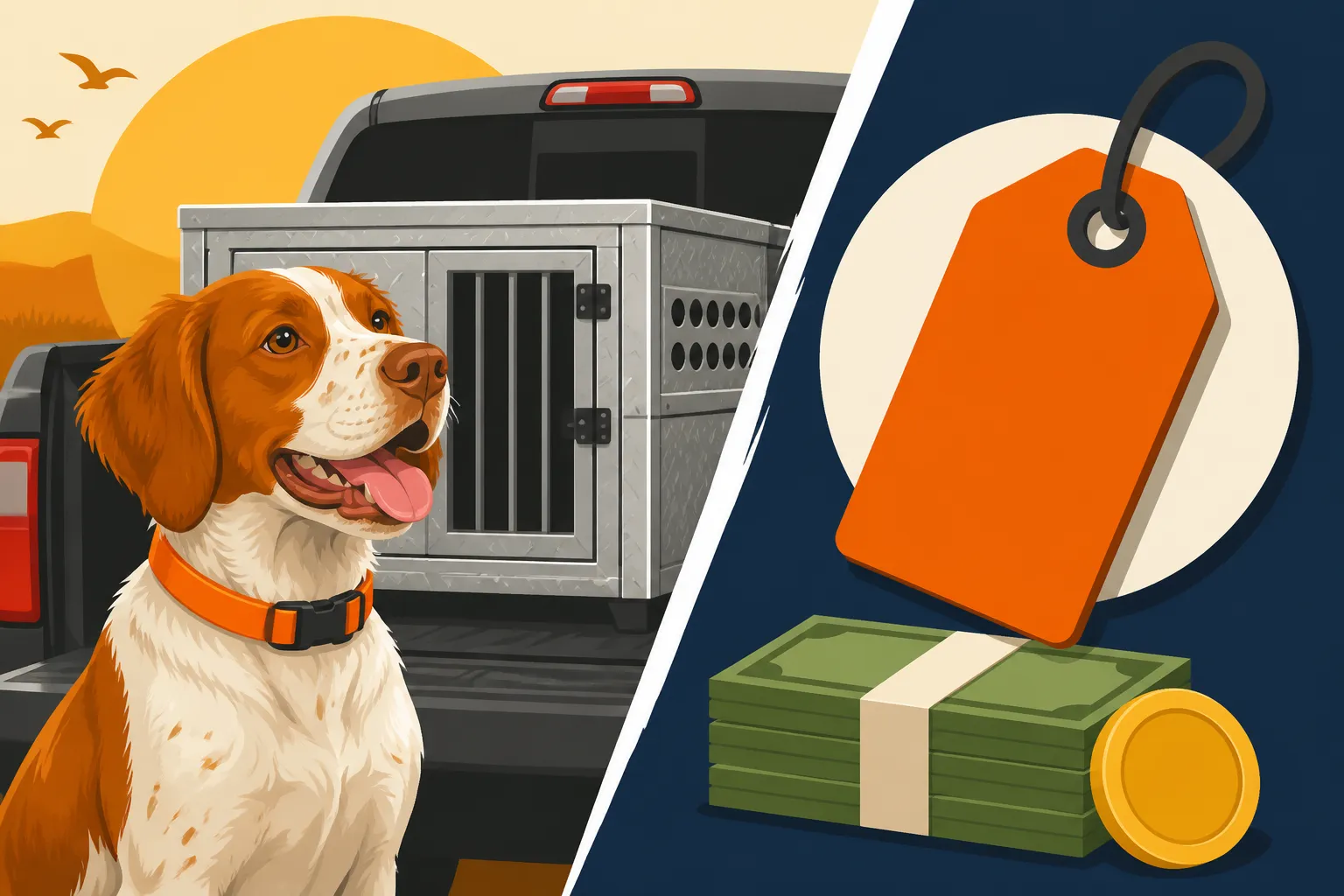
What a Truck Dog Box Costs a Brittany Owner
For Brittany owners, especially those who cherish time afield, the logistics of safely transporting your energetic hunting companion can be a real headache. After a long day of flushing pheasants or pointing quail, your Brittany is likely muddy, wet, and perhaps carrying a burr or two – not exactly ideal for the back seat of your truck. This guide dives deep into the world of truck dog boxes, exploring why they're essential, the different types available, and what factors influence their cost, helping you make an informed decision for your beloved gundog.
Why a Dedicated Truck Dog Box is a Game Changer for Brittany Owners
Let's be honest, taking your Brittany to the field is an adventure, but getting them there and back safely and cleanly can be a challenge. A dedicated truck dog box isn't just a luxury; for many of us, it becomes an indispensable piece of gear that addresses several common frustrations experienced by active Brittany owners. It transforms the travel experience from a potential chore into a secure and comfortable routine, ensuring your dog arrives ready to work and returns home safely.
Safety First Protecting Your Brittany on the Road
Imagine slamming on the brakes with your Brittany loose in the truck bed, or even worse, in the cab. The potential for serious injury, both to your dog and to yourself or other passengers, is immense. A truck dog box provides a secure, contained space that protects your Brittany from sudden stops, impacts, or even debris that might shift in the truck bed. It's like a canine seatbelt, preventing your dog from becoming a projectile in an accident and offering a much-needed layer of protection against road hazards.
Beyond collision safety, a well-designed dog box keeps your Brittany from jumping out of the truck at an inopportune moment or being stolen at a gas station. We've all heard stories, and the peace of mind knowing your dog is securely latched in and protected from external dangers is truly invaluable. This isn't just about adhering to local regulations for pet transport, but about genuinely safeguarding your furry family member who gives so much in the field.
Containing the Post-Hunt Mess
After a successful hunt, your Brittany is rarely pristine. Mud from the marsh, burrs from thick cover, water from a retrieve, and the general scent of a working dog are all part of the experience. Without a dog box, all that glorious grime ends up in your truck cab or smeared across expensive bed liners. This isn't just about aesthetics; it's about hygiene and vehicle maintenance.
A dedicated dog box, especially one with an easy-to-clean surface and proper drainage, keeps the mess contained. You can rinse it out, hose it down, and even let it air dry without worrying about lingering odors or embedded dirt in your truck. This makes the post-hunt cleanup significantly less daunting, allowing you to focus on What to Do With a Brittany After Every Hunt rather than scrubbing your truck interior. It's a small change that makes a huge difference in the overall ownership experience, especially when dealing with a dog that thrives on getting gloriously dirty.
Comfort and Security for Your Energetic Companion
Brittanys are intelligent, sensitive dogs. While they love to run and hunt, they also appreciate a secure den where they can relax and feel safe. A good dog box provides this much-needed sanctuary, especially during long drives to distant hunting grounds or while waiting at a field trial. It shields them from harsh weather conditions – be it the scorching sun or a biting wind – and offers a familiar, quiet space away from the hustle and bustle of new environments.
Many Brittanys actually come to view their dog box as a private retreat, reducing travel anxiety and encouraging calm behavior. If you introduce it properly, it becomes their safe zone, whether on the road or even at home, offering a consistent environment. This can be particularly beneficial for dogs that might otherwise become restless or overly excited during travel, ensuring they arrive at the hunting location calm and ready to focus on their work. A comfortable dog box often goes hand-in-hand with Whether a Brittany Needs a Bed in the Truck, providing that extra layer of cushioning for long hauls.
Understanding the Different Types of Truck Dog Boxes and Their Features
Once you've decided a truck dog box is a necessity, you'll quickly realize there's a vast array of options out there. It's not a one-size-fits-all purchase, and understanding the differences in materials, design, and configurations is key to finding the perfect match for your Brittany and your lifestyle. Each type comes with its own set of advantages and considerations regarding durability, weight, and, of course, cost.
Materials and Durability What Lasts Against Brittany Paws and Weather
The material a dog box is constructed from is one of the most critical factors influencing its durability, weight, insulation, and ultimately, its price. You'll primarily find options in aluminum, plastic, and sometimes steel.
- Aluminum boxes are popular for their excellent strength-to-weight ratio. They are incredibly durable, resisting rust and corrosion, which is a huge plus if you hunt in wet or coastal environments. They also tend to be lighter than steel, making them easier to load and unload, and they dissipate heat relatively well. However, they can be pricier and may dent under extreme impact. Many high-end hunting boxes, designed for a lifetime of use, are made from aircraft-grade aluminum.
- Plastic (roto-molded polyethylene) boxes offer fantastic insulation, keeping your Brittany warmer in cold weather and cooler in the heat. They are also incredibly tough, resisting cracking and shattering, and are generally lighter than aluminum. They are easy to clean and often come in seamless designs, preventing leaks. While typically more affordable than premium aluminum boxes, they can still represent a significant investment. Brands found on retailers like Chewy often feature robust plastic options known for their durability.
- Steel boxes are less common for truck beds due to their heavy weight and susceptibility to rust, though they are exceptionally strong. For dedicated utility trailers or fixed kennels, steel might be considered, but for a truck bed, the other options are usually more practical. Each material has its trade-offs, and the best choice depends on your climate, how often you use the box, and your budget.
Design Features Ventilation, Doors, and Storage
Beyond the basic material, the specific design features of a dog box significantly impact its functionality and your Brittany's comfort. Ventilation is paramount; your dog needs ample airflow to prevent overheating, especially after a strenuous hunt or on a warm day. Look for designs with large, open vents, sometimes even with fan mounts or powered fans for active cooling. How Much Water a Brittany Needs on a Hunt is a good reminder that they can dehydrate or overheat quickly, so proper ventilation is non-negotiable.
Door design is another critical element. Many truck boxes feature secure, slam-latch doors that can be operated with one hand, a blessing when you're juggling a leashed dog and gear. Some have double doors for easy access from both sides. Integrated storage compartments, often on top of the box, are incredibly useful for stashing training bumpers, leads, first-aid kits (What a Brittany's First Aid Kit for a Brittany Should Hold), or even a What a GPS Collar Costs a Brittany Owner when not in use. These thoughtful additions add convenience and can reduce the clutter in your truck cab.
Single vs. Double Compartment Boxes
The choice between a single or double compartment dog box often comes down to how many Brittanys you own or plan to own, and whether you need dedicated storage space within the box itself.
- Single compartment boxes are designed for one dog, providing ample space for your Brittany to stand, turn around, and lie down comfortably. They are generally lighter and more compact, fitting easily into most truck beds without taking up excessive space. If you're a single-dog owner, this is often the most economical and practical choice, offering plenty of room for your Brittany to stretch out, especially after How Long a Brittany Can Hunt in a Day.
- Double compartment boxes feature two separate, secure spaces, ideal for owners with multiple Brittanys or for those who want a dedicated space for their dog and a separate one for gear. This configuration prevents sibling squabbles during travel and keeps your hunting supplies organized and protected from a wet, muddy dog. Some double boxes offer a removable divider, allowing you to convert it into one larger space if needed, offering flexibility for future needs or larger gear. The added complexity and materials for double compartments naturally translate to a higher cost, but for some, the benefits far outweigh the investment.
| Feature | Single Compartment Box | Double Compartment Box |
|---|---|---|
| Capacity | One Brittany | Two Brittanys OR one Brittany + Gear |
| Space | Ample room for one dog to move comfortably | Separate spaces, potentially more confined |
| Weight | Generally lighter | Heavier due to additional partition |
| Footprint | Smaller, takes up less truck bed space | Larger, occupies more truck bed space |
| Cost | Typically more affordable | Generally higher initial investment |
| Flexibility | Less flexible if needs change (e.g., another dog) | More versatile, some dividers are removable |
| Best For | Single Brittany owners, lighter loads | Multi-dog owners, gear separation |
Factors Influencing the Cost of a Brittany Truck Dog Box
So, you're ready to invest in a truck dog box for your Brittany, but you're probably wondering what kind of hit your wallet is going to take. Just like with any specialized gear, the price tag on a dog box can vary wildly, from a few hundred dollars to well over a thousand. It’s important to understand why these prices differ, so you can weigh the cost against the features that truly matter for your hunting dog and your specific needs. This isn't just about the initial sticker price; it's about investing in a piece of equipment that will serve you and your Brittany for years, potentially even for Fourteen Years of a Brittany, Priced Out.
Size and Construction More Robust Means More Investment
One of the most straightforward factors affecting cost is the size and robust nature of the box. A larger dog box, designed to comfortably accommodate a full-grown Brittany, will naturally require more materials, which drives up the price. If you opt for a double compartment box to house two Brittanys or to separate your dog from your gear, you’re looking at an even larger footprint and increased material usage.
Beyond sheer size, the quality and gauge of the materials used in construction play a significant role. A box made from heavy-gauge, welded aluminum with reinforced corners and sturdy, marine-grade hardware will cost more than one constructed from thinner, molded plastic. While the plastic options can be perfectly durable, the engineering and raw material cost for top-tier aluminum construction are higher. This isn't just about cosmetics; it's about the box's ability to withstand repeated use, impacts, and harsh weather conditions in the field, making it a long-term investment rather than a disposable item.
Brand Recognition and Advanced Features
Just like with any product, brand recognition and reputation can influence the price of a dog box. Established brands known for their quality, customer service, and longevity often command a higher price point. You're not just paying for the material; you're paying for years of design refinement, rigorous testing, and a proven track record of safety and durability. Sometimes, that peace of mind is worth the extra investment.
Furthermore, advanced features add to the cost. Think about insulated walls that regulate temperature more effectively, integrated fan systems for superior airflow, heavy-duty powder-coated finishes for added protection, or even remote-controlled door latches. Some boxes might feature innovative latch designs, reinforced impact zones, or specialized flooring for better traction. While these features can significantly enhance the comfort and safety of your Brittany, they are considered premium additions and will push the price upward. For instance, while a basic wire crate might suffice for indoor use, What a Dog Box or Crate Costs a Brittany Owner truly reflects the specialized features needed for outdoor, truck bed applications.
Customization and Installation
For some Brittany owners, a standard, off-the-shelf dog box just doesn't cut it. Customization options, such as specific dimensions to fit a unique truck bed configuration, specialized finishes, or personalized storage solutions, will add to the overall cost. While these bespoke options ensure a perfect fit and tailored functionality, they often involve skilled labor and specialized manufacturing processes.
Installation can also be a factor, though many dog boxes are designed for straightforward DIY placement. However, if you opt for a heavy-duty model that requires permanent mounting, specialized tie-down systems, or integration with existing truck bed accessories, you might incur additional installation costs. This could involve professional assistance to ensure the box is securely fastened, preventing movement during transit and maximizing safety. While most boxes simply sit in the truck bed, using heavy-duty straps or bolts for extra security is always a good idea, especially when considering the active nature of our Brittanys on a bumpy trail.
Making the Decision Balancing Cost, Features, and Your Brittany's Needs
Choosing the right truck dog box is a significant decision for any Brittany owner. It’s not just another piece of gear; it’s an investment in your dog’s safety, comfort, and the ease of your hunting adventures. There are many considerations to balance, from your budget to the specific demands of your hunting style and your Brittany’s personality. The goal is to find a box that not only fits your truck and your wallet but also truly meets the needs of your active companion.
New vs. Used Hunting for a Bargain
When looking at costs, many owners consider whether to buy new or used. Buying a new dog box offers the advantage of a warranty, the latest features, and the assurance that it hasn't been subjected to unknown wear and tear. You can pick the exact model, color, and features you want, often from reputable retailers like Chewy or specialized hunting supply stores, ensuring a perfect match for your Brittany and truck. The downside, of course, is the higher initial investment.
However, the used market can offer significant savings. Many high-quality dog boxes are built to last for decades, meaning a well-maintained used box can be a fantastic deal. If you go this route, be diligent. Inspect the latches, hinges, and structural integrity for any damage. Check for rust, cracks, or any signs of neglect that could compromise your Brittany's safety. While you might save money upfront, remember that a used box might not have the same level of insulation or advanced features as newer models, and a compromised box could put your dog at risk during transport, especially if you're traveling long distances for hunting trips.
Long-Term Value and Durability
Consider the dog box not just as an expense, but as a long-term investment in your Brittany's well-being and your hunting lifestyle. A cheap, flimsy box might save you money now, but it could fail under stress, offer poor insulation, or simply fall apart after a few seasons, costing you more in replacements down the line. Investing in a durable, high-quality box made from robust materials means it will stand up to years of abuse from weather, rough roads, and the enthusiastic paws of your Brittany.
Think about the lifespan of your Brittany, which for many is The Twelve to Fourteen Years a Brittany Gets. A well-made dog box can easily last the entire lifetime of several dogs, proving its value many times over. The best boxes often retain their value well, so if your needs change down the road, you might be able to recoup a good portion of your investment. This long-term perspective can help justify a higher initial cost for a product that provides superior safety, comfort, and peace of mind.
Accessory Costs to Consider
The cost of the dog box itself is often just the starting point. There are several accessories that can enhance its functionality and your Brittany's comfort, and these should be factored into your overall budget. For example, a comfortable pad or rubber mat can provide cushioning and insulation, especially during cold weather. While not directly linked to dog box pricing, thinking about your dog's overall health and well-being might lead you to consider things like robust nutrition (though perhaps not fresh food services like Ollie, which are typically for home use) and pet insurance plans from providers like Healthy Paws.
Other accessories include tie-down straps or mounting hardware to secure the box in your truck, ensuring it doesn't shift during travel. Water and food bowls that attach securely to the inside of the box are a practical addition, preventing spills. Some owners also invest in vent covers for extreme weather or even internal thermometers to monitor temperature. Each of these items, while small, adds to the total cost of outfitting your truck for your Brittany, but they often contribute significantly to their safety and comfort on every adventure.
Disclaimer
This article is for general informational purposes only and does not constitute professional advice. Laws, prices and regulations vary by location and change over time. Consult a qualified professional for guidance on your specific situation.