Whether a Brittany’s Field Injury Counts as an Accident
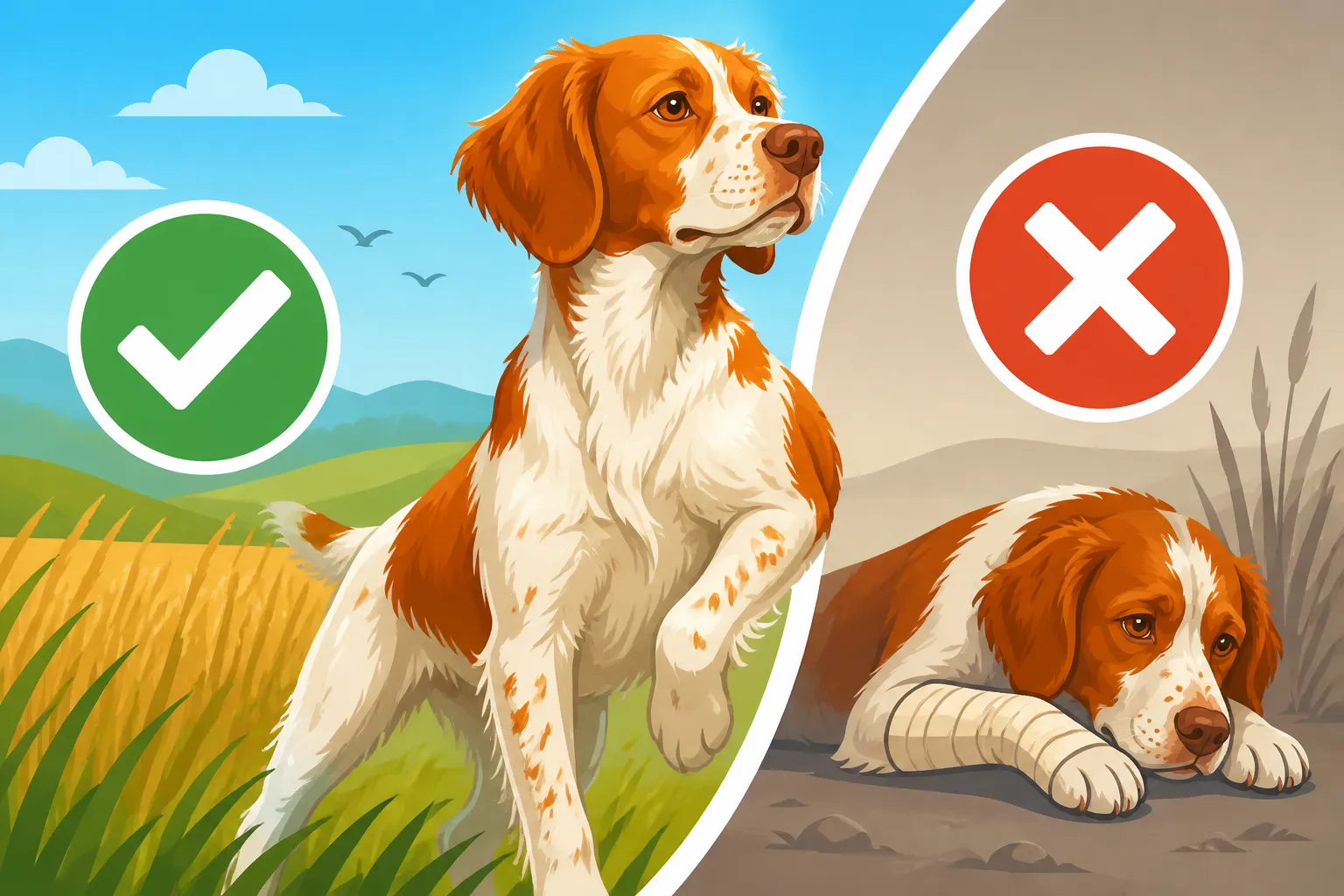
It's a familiar scenario for any Brittany owner who spends time in the field: your dog comes back after a long hunt, tail wagging, but then you spot a nasty cut, a limp, or something worse. Your first thought, beyond getting your beloved companion help, is often, "Will my pet insurance cover this?" The frustrating truth is, whether a Brittany's field injury counts as an 'accident' isn't always as straightforward as it seems, and this guide will help you understand the nuances of pet insurance when it comes to our active, bird-crazy Brittanys.
Understanding Pet Insurance and Accidents
When you invest in pet insurance, you're looking for peace of mind, especially with a high-energy, driven breed like the Brittany that loves to plunge headfirst into cover. But the word "accident" can have a very specific, sometimes narrow, definition in the world of insurance policies.
What Qualifies as an "Accident" in Pet Insurance Terms?
Generally, pet insurance considers an "accident" to be a sudden, unexpected, and unforeseen event that causes injury. Think of things like getting hit by a car, falling off a deck, or ingesting something toxic. These are typically clear-cut cases. The incident is usually identifiable in time and cause, and it wasn't a pre-existing condition or an illness developing over time. Most basic accident-only plans, or the accident portion of comprehensive plans, are designed to cover the veterinary costs associated with such events, from emergency room visits to diagnostics, surgery, and aftercare.
However, the line can get blurry when you're talking about dogs that are consistently exposed to potential hazards as part of their lifestyle. Insurers want to differentiate between a truly unexpected mishap and what they might categorize as a higher risk activity or even "wear and tear" over time. This distinction is critical for Brittany owners whose dogs are regularly navigating dense brush, crossing varied terrain, and encountering wildlife.
How Hunting-Related Injuries Are Typically Viewed
This is where many Brittany owners find themselves in a gray area. While a sudden laceration from a piece of barbed wire in a field might seem like a clear accident to you, an insurance provider might scrutinize it differently than, say, a dog being hit by a car in a suburban street. Some policies have specific exclusions for injuries sustained during "working activities," "hunting," "field trials," or "racing." The reasoning behind such clauses often relates to the perceived increased risk involved in these activities.
It's not that these injuries aren't legitimate or painful; it's how the insurance company categorizes the circumstances leading to them. They might argue that certain injuries are an inherent risk of the activity, and therefore, not entirely "unforeseen" or "unexpected" in the same way a household accident might be. This doesn't mean all hunting injuries are excluded, but it highlights the importance of deeply understanding your policy's fine print. You'll want to review how various providers, such as Healthy Paws or Chewy Pet Insurance, define and cover these situations.
Common Field Injuries for Brittanys and Insurance Implications
Our Brittanys are built for the field, full of grit and determination. But that same drive can lead them into situations where injuries are inevitable. Let's look at some common field injuries and how they might be treated by your pet insurance.
Cuts, Lacerations, and Puncture Wounds
These are perhaps the most common field injuries for a Brittany. Imagine your dog busting through thick pheasant cover, only to catch a leg on a hidden branch or a sharp rock. Or perhaps a barbed wire fence that was nearly invisible in the tall grass. These result in cuts or deep puncture wounds that often require stitches, antibiotics, and careful wound management. Many times, you're patching up a How to Close a Brittany's Field Laceration right there in the truck to stem the bleeding before rushing to the nearest vet.
Generally, most pet insurance policies will classify these as accidents, provided they are reported as sudden and unforeseen. The key is the immediate, identifiable cause. If your Brittany suddenly gets a deep gash from a sharp object while out hunting, it fits the typical definition of an accident. The cost of vet visits, sutures, pain medication, and follow-up care for such incidents is usually covered under accident and illness plans. This type of acute injury is usually what people expect their policy to cover when they pay their monthly premiums.
Sprains, Strains, and Joint Issues
Brittanys are agile, but they can still suffer from musculoskeletal injuries. A sudden awkward landing after jumping over a log, a misstep in a gopher hole, or overexertion during a long day of running can lead to sprains, strains, or even more serious ligament tears. You might notice your Brittany suddenly limping or holding a paw up. These injuries can be tricky from an insurance perspective.
If it's a clear, acute incident – your dog yelped after a specific jump and is now lame – it's likely to be covered as an accident. However, if the injury is perceived to be a cumulative result of long-term activity, or if it exacerbates an underlying, undiagnosed issue, an insurer might look at it differently. For example, a cruciate ligament tear caused by a sudden twist is typically an accident. But if your dog has a history of limping that was never diagnosed and then suffers a tear, it could be argued as a pre-existing condition, affecting coverage. This is why a comprehensive pre-season vet check and open communication about your dog's activity level with your vet and insurer are so important. Understanding The Injuries a Brittany Picks Up in the Field can help you anticipate potential claims.
Foreign Objects and Environmental Hazards
This category includes a wide range of common dangers encountered in the field. Think about those pesky foxtails burrowing into ears, paws, or nostrils, requiring a vet visit for removal and sometimes sedation. Or a run-in with a porcupine, leading to an emergency trip to remove dozens of quills, which can be both painful and costly. Snake bites are another terrifying possibility, often needing antivenom and intensive care. Even ingesting contaminated water, leading to giardia, could be seen as an environmental hazard.
These types of incidents are almost universally considered accidents by pet insurance providers because they are sudden, unexpected exposures to harmful elements. The costs associated with removing foreign objects, treating venomous bites, or addressing sudden illnesses like giardiasis are typically covered under accident and illness policies. It's an expense that can really add up, as anyone who has had to deal with What Removing a Foxtail From a Brittany's Ear Costs can attest, making comprehensive coverage particularly valuable for active Brittanys. Make sure your chosen provider, like Healthy Paws or Ollie, has clear stipulations about what falls under "accidental ingestion" or "environmental hazards."
Navigating Policy Exclusions and Limitations for Working Dogs
This is where the rubber truly meets the road for dedicated hunting dog owners. Pet insurance policies are contracts, and like all contracts, they come with fine print that can significantly impact what is and isn't covered.
The "Working Dog" or "Hunting Dog" Clause
Some pet insurance policies contain specific exclusions related to "working dogs," "hunting dogs," "performance dogs," or injuries sustained during "hunting," "field trials," "racing," or other "organized competitive events." These clauses are designed to limit the insurer's liability for what they deem to be higher-risk activities. For a Brittany that lives for the hunt, this is a critical detail to investigate before you commit to a policy.
For instance, a policy might cover a laceration if it happens during a walk in the park but deny coverage if the exact same injury occurs while your dog is actively hunting pheasant. It's a frustrating reality for many, as our dogs are bred and live for these activities. You absolutely must read through the policy documents provided by any potential insurer, such as Chewy Pet Insurance, with a fine-tooth comb. If you're a serious hunter, ask direct questions about how hunting-related injuries are handled. Don't assume. A simple "Does this cover my Brittany if he gets hurt hunting?" can save you a world of heartache and expense later.
Pre-existing Conditions and Preventable Injuries
Another significant area of contention can be pre-existing conditions. If your Brittany had a limp before you got insurance, or if a condition was noted in their vet records before the policy's effective date, any future issues related to that condition will likely be excluded. This is a standard clause in virtually all pet insurance policies. For field dogs, this emphasizes the importance of insuring your Brittany as a puppy, before any potential issues arise from their active lifestyle.
The concept of "preventable injuries" can also sometimes be brought into question. While pet insurance is there for accidents, some companies might push back on claims if they deem the injury could have been reasonably prevented. For example, if your Brittany constantly tears its pads, and you're not using Whether a Brittany Needs Boots in the Field in harsh terrain, an insurer might, in rare cases, question the preventable nature. This is less common for true accidents but can be a point of discussion for recurring issues. Ensure your vet records clearly state the acute nature of an injury if it's new, rather than a chronic issue.
Seeking Specialized Coverage or Riders
Given the unique needs of working dogs, some insurance providers might offer specialized coverage, riders, or have policies that are more amenable to field activities. These might not be advertised upfront on their general pet insurance pages, so it often requires a direct conversation with their customer service representatives. While most standard accident and illness plans don't specifically exclude hunting, some might make it clearer than others.
It's worth contacting customer service at places like Ollie's pet insurance offerings to understand their stance on working dogs. Ask if they have any specific plans or endorsements for hunting or sporting dogs. You might find that while a general policy is adequate, a more robust or specialized plan could offer broader protection for the risks your Brittany faces. Be prepared to discuss the specific activities your dog engages in to get the most accurate information.
Tips for Brittany Owners to Maximize Coverage
Knowing your Brittany is prone to field injuries is one thing; navigating the complexities of pet insurance to ensure those injuries are covered is another. Here are some actionable tips to help you maximize your potential for coverage.
Reading the Fine Print: What to Look For
This cannot be stressed enough: read your policy documents thoroughly. Don't just skim the highlights or rely on assumptions. Look specifically for sections titled "Exclusions," "What is Not Covered," or "Definitions." Pay close attention to any language around:
- Working animals/dogs: Does the policy differentiate between a pet and a working animal?
- Hunting, field trials, racing, or competitive events: Are injuries sustained during these activities explicitly excluded?
- Preventable conditions/injuries: How are these defined, and what might fall under this umbrella?
- Pre-existing conditions: Understand the look-back period and how these are determined.
- Geographic limitations: While less common, ensure your hunting grounds are covered.
If anything is unclear, call the insurance provider directly. Get clarification in writing if possible. It’s far better to ask probing questions before an incident occurs than to be denied coverage when your Brittany truly needs it. Compare policy details between various providers, like Healthy Paws, to see which offers the best fit for your active dog's lifestyle.
Documentation is Key
When an injury occurs, clear and prompt documentation can make all the difference in a claim being approved.
- Veterinary Records: Ensure all veterinary visits are thoroughly documented. The vet's notes should clearly describe the injury, its suspected cause (e.g., "laceration consistent with running through heavy brush"), and the date of onset. The more specific and immediate the diagnosis, the better.
- Incident Details: If you can, make your own notes. What happened, when, where, and what were the immediate symptoms? This can help if the insurer asks for more context.
- Timeliness: File your claim as soon as possible after treatment. Delays can sometimes raise questions.
Having a consistent vet who knows your Brittany's history and activity level can also be a huge asset. They can provide valuable context to the insurance company, confirming that the injury was indeed an accident and not a pre-existing or chronic issue. Keeping up with routine wellness exams also shows proactive care, which can reflect positively on your claims. What a Brittany's Yearly Bloodwork Should Cover provides a good guide for general health documentation.
Communicating with Your Provider
Don't be afraid to engage with your pet insurance provider. Before purchasing a policy, call their customer service line and openly discuss your Brittany's lifestyle. Explain that your dog is a hunting dog and will be exposed to specific risks in the field. Ask them directly about their policy on Whether a Brittany's Policy Excludes Field Work.
Once you have a policy, if an injury occurs, be clear and factual when submitting your claim. If you have any concerns about coverage, contact them to discuss it. Sometimes, a claim might initially be denied or questioned, but an informed conversation with a claims specialist can often clarify the situation and lead to approval. Companies like Chewy Pet Insurance or those offering through Ollie are generally available to answer policy questions.
Here's a quick look at how common field injuries might align with typical insurance coverage:
| Injury Type | Example Scenario | Typical Insurance Classification | Likelihood of Coverage (General) |
|---|---|---|---|
| Cuts/Lacerations | Deep gash from barbed wire or sharp stick | Accident | High |
| Puncture Wounds | Stepping on a thorn, quill from porcupine | Accident | High |
| Sprains/Strains | Awkward landing, overexertion | Accident (if acute) | Medium to High |
| Ligament Tears (e.g., CCL) | Sudden twist during run | Accident (if acute) | Medium to High |
| Foreign Objects (Foxtails) | Foxtail in ear, paw, or nose | Accident | High |
| Snake Bites | Venomous snake encounter | Accident | High |
| Insect Stings | Bee or wasp sting leading to allergic reaction | Accident | High |
| Pad Injuries | Torn pad from rough terrain | Accident | High |
| Heatstroke | Overheating in the field | Accident (environmental) | Medium (depends on policy) |
| Bloat (GDV) | Acute onset after vigorous activity | Accident/Illness | High |
While this table provides a general overview, remember that every policy is different. It's truly up to you to research and find a policy that explicitly addresses the active lifestyle of your Brittany. Knowing what you're covered for, and what you're not, is essential for truly protecting your four-legged hunting partner. Don't overlook the importance of understanding What Insuring a Brittany Costs a Month in relation to the coverage you need.
Disclaimer
This article is for general informational purposes only and does not constitute professional advice. Laws, prices and regulations vary by location and change over time. Consult a qualified professional for guidance on your specific situation.