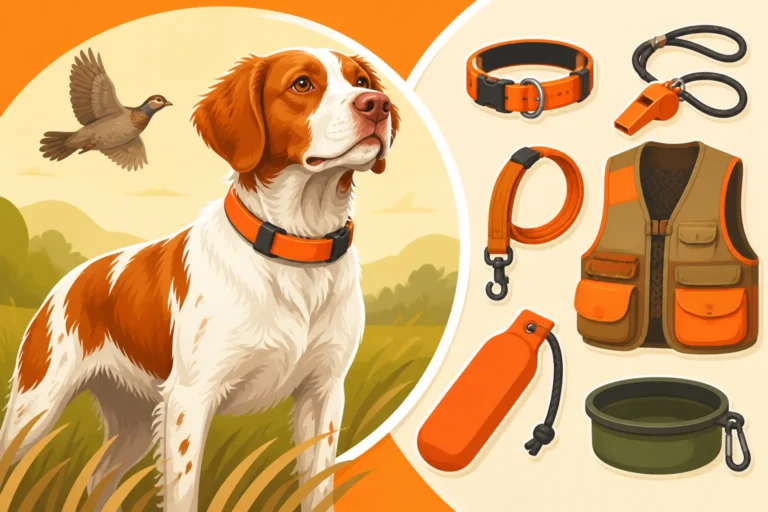
Whether Sending a Brittany Away to Train Is Worth It
The thought of sending your beloved Brittany away to a professional trainer can bring up a lot of emotions, from hope for a perfectly behaved bird dog to guilt over not having the time or expertise yourself. Many of us grapple with the demands of daily life, and sometimes, those advanced bird dog skills or stubborn behavioral quirks feel just out of reach. This guide aims to help you navigate the decision of whether a board and train program is the right path for you and your Brittany, weighing the benefits against the challenges.
Understanding Why Owners Consider Board and Train for Their Brittanys
It’s completely understandable why a Brittany owner might consider sending their dog away for professional training. Life gets busy, and even with the best intentions, consistently applying the right training methods can be a monumental task. When you’re dealing with a breed as intelligent, energetic, and sensitive as the Brittany, specialized instruction can make all the difference.
One of the most common reasons is simply a lack of time. Juggling work, family, and personal commitments often leaves little room for the rigorous, daily training sessions required to mold a top-tier bird dog. A professional program offers an immersive environment where your Brittany gets consistent, focused attention every single day, often several times a day. This intensive approach can accelerate learning far beyond what most busy owners can achieve on their own schedule. It’s not a reflection of your dedication; it’s a recognition of practical limits.
Another significant factor is addressing specific behavioral or training challenges that feel overwhelming. Perhaps your Brittany has developed an undesirable habit like creeping on point, or you're struggling with consistent recall in high-distraction environments. Maybe you're facing difficulties introducing your Brittany to the gun, or your dog is ranging too wide for your hunting style, despite all your efforts. These aren't simple fixes, and an experienced professional often has the tools, techniques, and environmental controls to tackle them effectively. They've seen it all before, from the timid pup needing confidence to the bold dog that needs a steady hand. Many hunters find themselves considering this route when their Brittany is struggling with foundational concepts like Teaching a Brittany Whoa or How to Introduce a Gun to a Brittany.
Finally, for those aiming for specific accomplishments, such as navigating the complex requirements of hunt tests or field trials, a board and train program can provide that competitive edge. Trainers specializing in these areas know the ins and outs of what judges look for and can fine-tune your Brittany’s performance to meet those demanding standards. They can help your dog achieve titles like a Junior Hunter or Senior Hunter, ensuring all the nuances are covered. This is particularly true for owners who are striving for high-level achievements, whether it's an AKC title or working towards a NAVHDA certification.
The Pros and Cons of Professional Board and Train for Brittanys
Deciding to send your Brittany away for training is a big step, and it comes with both significant advantages and potential drawbacks. It’s crucial to look at this decision from all angles, considering what’s best for your dog, your lifestyle, and your wallet.
Advantages of Board and Train Programs
The most compelling argument for a board and train program is the sheer intensity and consistency of the training. Your Brittany lives, breathes, and eats training. They are immersed in an environment specifically designed for learning, free from the distractions and inconsistencies of home life. This constant reinforcement under the watchful eye of an expert can lead to faster and more profound learning. Imagine your Brittany spending hours each day working with live birds, honing its natural instincts, and receiving immediate, consistent feedback – it’s a setup few owners can replicate on their own. This immersive experience is often ideal for developing highly specific skills, such as precise bird work or consistent retrieving to hand.
Furthermore, these programs offer access to highly specialized equipment and training grounds. Professional trainers often have access to large tracts of land, diverse cover, and various types of game birds, as well as tools like bird launchers, e-collars, and tracking devices. This diverse exposure ensures your Brittany learns to perform in real-world scenarios, preparing them for actual hunting conditions. They also possess an in-depth understanding of canine behavior, particularly for pointing breeds like the Brittany, which allows them to tailor training methods to your dog’s individual personality and learning style. For a sensitive breed, knowing Why a Brittany Is Called Soft is key to effective training. They can recognize subtle signs of stress or confusion and adjust their approach accordingly, something many amateur trainers might miss.
Finally, for the busy owner, board and train offers convenience. You drop off your dog, and a few weeks or months later, you pick up a more polished, better-behaved companion. This can be a huge relief for individuals whose schedules simply don’t allow for the necessary daily commitment. It gives you peace of mind that your dog is receiving expert care and instruction, even when you're not there.
Disadvantages and Considerations
Of course, there are downsides, the most obvious being the financial investment. Professional board and train programs can be quite expensive, especially for comprehensive bird dog training. What a Professional Gun Dog Trainer Charges for a Brittany can vary widely based on the trainer's reputation, the length of the program, and the specific skills being taught. It's a significant commitment, and you'll want to ensure you're getting value for your money. When considering the overall financial picture, remember to factor in potential costs related to your dog's health while they are away. Even with the best care, accidents can happen, so having pet insurance like Healthy Paws in place can offer peace of mind.
Another major consideration is the separation from your Brittany. For many owners, the idea of being away from their dog for several weeks or even months is difficult. You’ll miss them, and they might miss you! While most Brittanys adapt well to new environments, some highly sensitive dogs might experience stress or anxiety during this period. You'll need to be comfortable with this separation and ensure the trainer provides regular updates and opportunities for you to check in on your dog’s progress.
Perhaps the most critical potential drawback is the risk of a "disconnect" between the dog's learned behavior with the trainer and its performance back home with you. Your Brittany learns to respond to the trainer's cues, commands, and body language. If you don't receive adequate instruction on how to maintain and reinforce that training, your dog might regress once they're back in your environment, responding less reliably to your commands. This is why a good program always includes transfer sessions where the trainer teaches you how to handle your "new" dog.
| Aspect | Advantages of Board & Train | Disadvantages of Board & Train |
|---|---|---|
| Training Consistency | Structured, daily work without owner inconsistency; accelerated learning. | Potential for disconnect or regression if owner isn't trained. |
| Specialized Issues | Expert handling of complex problems (gun shyness, range). | High cost for specialized, advanced problem-solving. |
| Time & Convenience | Saves owner significant time; dog receives intensive training. | Long periods of separation from your beloved Brittany. |
| Environment | Immersive learning in a distraction-controlled, specialized setting. | Dog learns in one environment, might not generalize easily back home. |
| Access to Resources | Professional facilities, equipment, and game birds. | Trainer's methods might differ from your preferred approach. |
| Cost | One-time investment for focused, professional results. | Significant upfront financial commitment; ongoing costs post-training. |
What to Look for in a Brittany Board and Train Program
If you've decided that sending your Brittany away is the right move, choosing the right trainer is paramount. This isn't a decision to be taken lightly; you're entrusting your companion and a significant investment to someone else.
First and foremost, seek out trainers with extensive experience specifically with pointing breeds, and ideally, Brittanys. A trainer who understands the Brittany temperament – their intelligence, their drive, and their sensitivity – will be far more effective than a general dog trainer. Ask about their philosophy on training sensitive dogs, how they introduce complex concepts like honoring another dog's point, or how they handle issues like Signs a Brittany Is Becoming Gun Shy. Look for certifications, professional affiliations (like with the National Pheasant Hunters Association or various kennel club field divisions), and a solid reputation within the bird dog community. Don't be shy about asking for references from past clients who own Brittanys.
Transparency and communication are also non-negotiable. A good trainer will be open about their methods, willing to discuss your goals in detail, and provide regular updates on your dog’s progress. Will they send you photos or videos? Will they take your calls to discuss concerns? Clear communication channels are vital for your peace of mind and for ensuring the training aligns with your expectations. Discuss the specific curriculum and what your Brittany will be learning each week.
Beyond the training itself, assess the facility and care your Brittany will receive. Is the environment clean, safe, and secure? Do they provide adequate housing, exercise, and enrichment? Ask about their feeding regimen – will they continue your dog's regular food, or do you need to provide it? If your dog thrives on specific nutrition, like a high-performance blend you might get from Chewy, or perhaps a fresh food diet from Ollie, ensure the trainer can accommodate this. Also, inquire about their emergency procedures and veterinary protocols. Knowing your Brittany will be well-cared for, not just well-trained, is essential.
Crucially, inquire about the "transfer" process. A reputable trainer understands that the training isn't complete until you are proficient in handling your newly trained dog. They should offer structured lessons where you work with your Brittany and the trainer, learning how to apply the commands and maintain the skills your dog has acquired. This follow-up support is invaluable for bridging any potential disconnect and ensuring the training sticks once your Brittany is back home. Without it, you might find yourself quickly losing ground.
Alternatives to Sending Your Brittany Away for Training
It's important to remember that sending your Brittany away for training isn't the only path to a well-behaved, proficient bird dog. Many successful owners achieve fantastic results through other methods, and these might be a better fit for your budget, time, or simply your preference to keep your dog by your side.
Private, one-on-one lessons with a local professional trainer can be an excellent compromise. You and your Brittany work directly with the trainer, learning the techniques together. This approach allows for personalized instruction tailored to your dog’s specific needs and your handling style, but crucially, you remain an active participant throughout the entire process. This strengthens your bond with your dog and ensures you understand the "how" and "why" behind every command. It does require more of your personal time and commitment, but the payoff in handler-dog connection can be immense. Look for trainers in your area who offer this type of service and have a strong reputation in the bird dog community.
Group classes, while less individualized, can also be beneficial, especially for foundational obedience and socialization. While not typically focused on advanced bird dog work, these classes can build a solid obedience foundation that is critical for any working dog. They expose your Brittany to distractions and other dogs, helping them learn to focus even in stimulating environments. Some clubs and organizations also offer specialized bird dog clinics or workshops that you and your dog can attend together, providing targeted instruction without a long-term separation.
Finally, self-training, while the most challenging, is certainly possible, especially for motivated owners with the time and dedication. There are countless books, online courses, and DVDs available from renowned bird dog trainers that can guide you through the process. Organizations like the AKC and NAVHDA also offer excellent resources and host events where you can connect with experienced mentors. This route demands significant self-discipline and a willingness to learn and apply new techniques consistently. However, the satisfaction of personally training your Brittany from start to finish is truly unparalleled. Whether you choose to send them away or train them yourself, continuous learning and reinforcement are key to ensuring your Brittany remains a joyful and effective hunting companion. How Long a Brittany's Training Session Should Be is a good question to ponder if you're taking on the training yourself, as short, positive sessions are often more effective than long, grueling ones.
Disclaimer
This article is for general informational purposes only and does not constitute professional advice. Laws, prices and regulations vary by location and change over time. Consult a qualified professional for guidance on your specific situation.