Which Brittany Line to Buy for a House Dog
It's a common misconception that because Brittanys are medium-sized dogs, finding one suitable for a relaxed home environment is as simple as picking a puppy. The truth is, these active, intelligent dogs, regardless of their specific lineage, carry a powerful drive. This guide will help you understand the nuances of different Brittany lines and temperaments, ensuring you make an informed choice for a well-adjusted house dog and happy family.
Understanding the Brittany's Innate Drive for a Home Environment
When you hear "house dog," you might picture a calm, sleepy companion content with short walks and lots of cuddles on the sofa. While a Brittany certainly excels at cuddling and is incredibly affectionate once settled indoors, the fundamental purpose for which this breed was developed means that "calm" and "sleepy" aren't their default settings. They were bred to work, to cover ground, and to find birds. That drive doesn't magically disappear just because you want them to be a family pet.
The Fundamental Purpose of All Brittany Lines
The Brittany, whether American or French, field-bred or show-bred, was created to be an active, enthusiastic bird dog. Their lineage is steeped in pointing, retrieving, and covering vast amounts of ground with seemingly endless energy. This isn't just a physical attribute; it's deeply ingrained in their psychological makeup. They are problem-solvers, explorers, and partners in the field, and this inherent intelligence and desire to do something translates directly to their needs in a home environment. Ignoring this fundamental trait is often where new owners run into trouble. They expect a lap dog, but get a highly driven athlete.
Why "House Dog" Doesn't Mean "Couch Potato" for Any Brittany
Even the most laid-back Brittany you might encounter still possesses a significant amount of energy and mental acuity. Thinking you can get by with just a couple of short leash walks around the block each day is setting both you and your future dog up for frustration. An under-exercised Brittany doesn't just get fat; it gets bored, and a bored Brittany can become destructive, noisy, or anxious. They need outlets for their minds and bodies. This means daily, vigorous exercise – not just letting them out in the yard, but actively engaging them. Think long walks, runs, hikes, or even scent work games in the backyard. For more insights into their typical behavior, consider reading What a Brittany's Temperament Is Really Like.
Deciphering American vs. French Brittany for Family Life
When people talk about different "lines" of Brittanys, they are often referring to the distinction between the American Brittany and the Epagneul Breton (or French Brittany). While both are wonderful dogs, their breeding priorities and typical working styles have led to some general differences that can be significant when choosing a house dog.
The American Brittany's Energetic Nature and Need for Space
The American Brittany, particularly those from strong field trial lines, has been selectively bred over generations for speed, range, and independence in hunting. They are typically larger, leggier, and known for covering a lot of ground quickly, often working hundreds of yards out from the hunter. This expansive style makes them thrilling partners in wide-open fields, but it also means they come with a higher baseline energy level and a more pronounced need for robust exercise.
For a house dog, an American Brittany from a strong field line might be too much dog for many families, unless you're an avid runner, hiker, or plan to dedicate significant time to dog sports. They thrive on having a "job" and often struggle if their mental and physical needs aren't met. They might pace, bark excessively, or engage in destructive chewing if left without sufficient stimulation. If you're considering an American Brittany, prepare for an active lifestyle, even if you never intend to hunt. Having a secure, spacious yard is almost a must, and even then, it's not a substitute for engaging exercise. You might want to consider An American Brittany Ranges Wide and a French One Stays Close for more detail on their range.
The French Brittany's Often Milder Approach to Home Life
The Epagneul Breton, or French Brittany, generally tends to be a bit smaller, stockier, and is often bred to work closer to the gun, making them more suitable for walking hunters or those in denser cover. While still possessing immense bird drive, their historical breeding has often emphasized a slightly calmer disposition and a more biddable nature. This isn't to say they are lazy; far from it. They are still powerful hunting dogs, but the intensity of their drive might be perceived as a touch less overwhelming for some home environments.
Many owners find French Brittanys to be incredibly adaptable and cooperative companions. They often settle well indoors after a good exercise session and are known for being very affectionate and attentive to their families. However, it’s crucial to understand that "milder" does not mean "low energy." A French Brittany still requires daily exercise and mental engagement. They still need to run, sniff, and explore. But for someone looking for a Brittany who is perhaps a little easier to manage on a leash and less inclined to explore the next county on an off-leash walk, a French Brittany might be a more fitting choice. Brands like Ollie, known for their tailored nutrition plans, can be a great resource for active dogs, helping to ensure your Brittany, French or American, gets the right fuel for their energy levels.
The Influence of Breeding on a Brittany's Temperament
Beyond the broad American vs. French distinction, the specific breeding program a puppy comes from — whether focused on field trials, conformation shows, or simply being a "backyard breeder" — plays a massive role in shaping a Brittany's temperament and suitability as a house dog.
Field Lines: Bred for the Hunt, Not Necessarily the Home
Brittanys from dedicated field lines are purpose-bred animals. Their ancestors have been selected for generations based on hunting prowess: scenting ability, bird drive, stamina, speed, and intelligence in the field. These are the dogs that excel in trials and produce top-tier hunting companions.
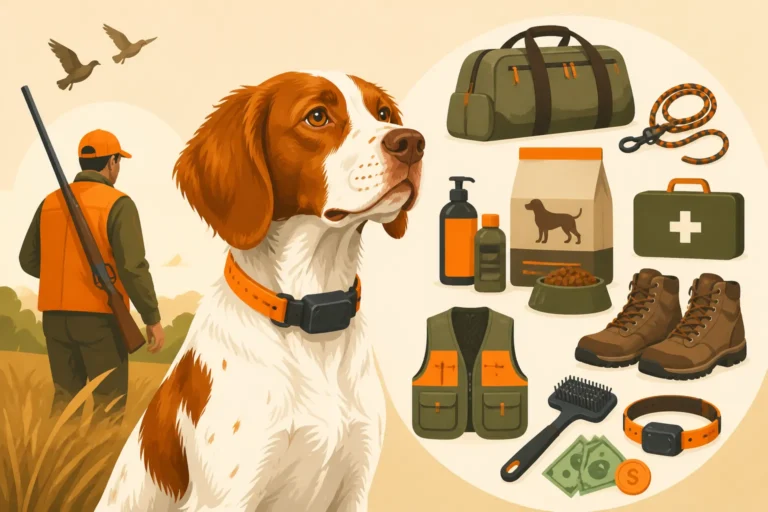
While many field-bred Brittanys make wonderful family pets, they often require an owner who understands and can channel their intense drive. They are often highly sensitive to correction, quick to learn, but also quick to become bored or frustrated if their needs aren't met. If you’re not an active hunter or deeply involved in dog sports, a field-bred Brittany might constantly be searching for a "job," and if you don't provide one, they might invent their own – which often manifests as unwanted behaviors like excessive digging, chewing, or barking. If you're getting a field-bred dog, you must commit to rigorous daily exercise and mental stimulation. Think long runs, advanced obedience, or even competitive agility or scent work. For some good examples of how much exercise they need, check out How Much Exercise a Brittany Needs Off Season.
Show Lines: A Focus on Conformation, With Varying Drives
Brittanys from conformation (show) lines are bred primarily to meet the breed standard in terms of appearance and structure. While good show breeders also prioritize sound temperament, the focus is less on extreme hunting drive and more on dogs that are calm, confident, and biddable in a show ring environment. This doesn't mean show-bred Brittanys can't hunt – many are excellent versatile hunters – but their drive might be less intense than a dedicated field trial dog.
For a house dog, a show-bred Brittany might be a slightly more "mellow" option, but again, this is relative. They still need daily exercise and mental stimulation. The key is to find a reputable breeder who prioritizes temperament and health as much as conformation. These dogs often have a strong desire to please and can be highly trainable, making them excellent companions for families willing to put in consistent effort. They're often described as the "pointing breed you can live with" for a reason, blending biddability with their hunting instincts. It is essential to choose a breeder who performs health testing. You'll want to know What a Brittany Breeder Should Have Tested.
Backyard Breeders: The Risky Unknown for a Family Companion
This is where things can get truly unpredictable. "Backyard breeder" is often a catch-all term for individuals who breed dogs without extensive knowledge of genetics, health testing, or temperament assessment, often just to make a quick profit or because they "love their dog" and want puppies. These breeders often pay little attention to the historical purpose of the breed or the long-term health and temperament implications of their pairings.
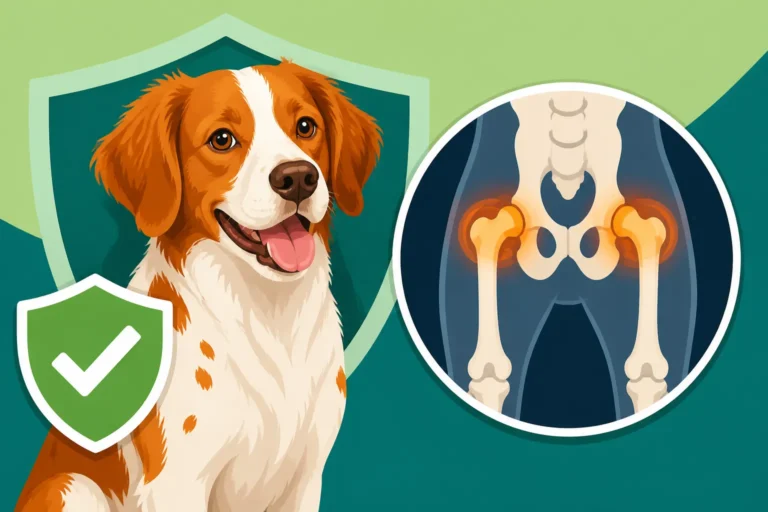
For someone seeking a house dog, purchasing from a backyard breeder is a gamble. You might get lucky and end up with a wonderful dog, but you are equally likely to encounter genetic health issues, extreme shyness, or an unmanageable temperament. Puppies from these situations are often poorly socialized, and their parents may not have had health screenings for common Brittany ailments like hip dysplasia or thyroid issues. When considering a puppy from such a source, the potential cost savings upfront are often dwarfed by future vet bills and behavioral training expenses. You should always be wary of What a Cheap Brittany Puppy Signals. Investing in a well-bred puppy from a reputable source, regardless of whether it’s a field or show line, pays dividends in the long run for health and temperament.
| Brittany Line Category | Typical Drive | Key Considerations for House Dog | Exercise Needs | Training Needs |
|---|---|---|---|---|
| American Field | Very High | Requires experienced, active owner; large, secure space beneficial | 1.5-2+ hours vigorous daily | Consistent, positive, mental engagement |
| French Field | High | Adaptable, often more biddable; still very active | 1-1.5 hours vigorous daily | Consistent, positive, mental engagement |
| Show Line | Moderate-High | Can be calmer, but still needs purpose; focus on temperament | 1-1.5 hours moderate daily | Consistent, positive, social |
| Backyard Bred | Unpredictable | High risk for health/temperament issues; avoid | Varies wildly | Varies wildly |
Practical Considerations for Bringing a Brittany Home
Regardless of the specific line you choose, bringing a Brittany into your home requires a significant commitment to their well-being. They are not dogs that can be ignored or simply tolerated; they thrive on interaction, activity, and being a central part of the family.
Exercise Requirements: Non-Negotiable for Any Brittany
Let's be absolutely clear: a Brittany needs exercise, and a lot of it. This is perhaps the single most important factor for success when bringing one into your home. Think beyond a quick walk around the block. They need to run, to sprint, to explore, and to use their incredible noses. A Brittany that doesn't get sufficient exercise will find ways to burn off that energy, and those ways are rarely compatible with a peaceful household. This could mean digging up your prize-winning petunias, chewing furniture, or becoming a relentless barker.
Aim for at least 60-90 minutes of vigorous activity every single day, even in the off-season. This could be a long hike, a spirited game of fetch in a secure area, or running alongside you while biking. A dog park can be a good option for supervised play, but ensure your Brittany gets a chance to truly stretch its legs. Remember, a tired Brittany is a good Brittany, and a well-exercised Brittany is much more likely to be a calm, loving house dog who will happily snooze at your feet once their needs are met. Many owners find that apps or devices tracking their dog's activity can help ensure they're meeting these demanding needs.
Training and Socialization: Key to a Well-Adjusted Family Dog
Brittanys are intelligent and eager to please, making them highly trainable. However, their sensitivity means they respond best to positive reinforcement methods. Harsh corrections can shut them down or make them timid. Early and consistent socialization is crucial for any Brittany destined to be a house dog. Expose your puppy to a wide variety of sights, sounds, people, and other friendly dogs from a young age. This helps them grow into confident, well-adjusted adults who are comfortable in various situations.
Beyond basic obedience, consider enrolling in puppy classes, advanced obedience, or even dog sports. Brittanys excel at agility, flyball, and, of course, scent work or retrieve games. These activities provide vital mental stimulation, which is just as important as physical exercise. A Brittany that is regularly challenged mentally is a happier, more manageable companion. For example, Chewy offers a vast array of puzzle toys and training aids that can help keep their sharp minds engaged, even when you're busy.
The Importance of a Good Breeder, Regardless of "Line"
Ultimately, the most important factor in finding a Brittany suitable for a house dog role isn't solely whether it's an American field, French, or show line. It's about finding a reputable breeder who prioritizes health, temperament, and ethical breeding practices. A good breeder will:
- Perform Health Testing: They will screen their breeding stock for genetic conditions common in the breed, such as hip and elbow dysplasia, eye conditions, and thyroid issues. They should be transparent about these results.
- Assess Temperament: They will be familiar with the individual personalities of their puppies and can help match you with a puppy whose temperament aligns with your family's lifestyle and expectations.
- Provide Early Socialization: Their puppies will be raised in a stimulating home environment, exposed to various stimuli, and handled regularly.
- Offer Support: A good breeder will be a resource for you throughout your dog's life, willing to answer questions and offer guidance.
- Ask You Questions: They will be just as invested in finding the right home for their puppies as you are in finding the right dog. They'll want to know about your living situation, activity level, and experience with dogs.
Don't be afraid to ask a breeder specific questions about the temperaments of the parents and previous litters. Explain exactly what you're looking for in a house dog. A responsible breeder will be honest about whether their particular line or a specific puppy would be a good fit for you. They may even recommend a different type of Brittany or a different breed altogether if they feel their dogs aren't the right match. If you're concerned about potential vet bills for health issues, looking into pet insurance providers like Healthy Paws could offer peace of mind, especially with active breeds prone to certain conditions.
Choosing a Brittany is a commitment to an active, intelligent, and affectionate companion. By understanding their needs and carefully selecting a reputable breeder who matches you with a suitable temperament, you can bring home a wonderful house dog, regardless of its specific lineage.
Disclaimer
This article is for general informational purposes only and does not constitute professional advice. Laws, prices and regulations vary by location and change over time. Consult a qualified professional for guidance on your specific situation.