How to Dry a Brittany’s Ears After Water
Few things are as instantly recognizable about a Brittany as those beautiful, expressive drop ears. But for many owners, especially those whose Brittanys live for a dip in the pond or a run through dewy tall grass, these very ears become a persistent source of frustration: the dreaded ear infection. Moisture trapped in those warm, dark canals creates a perfect breeding ground for trouble. This comprehensive guide will equip you with the knowledge and practical steps to effectively dry your Brittany's ears after any water exposure, helping you prevent painful infections and maintain their ear health.
Why Brittany Ears Are So Susceptible to Moisture
It's not just bad luck; there's a real reason our beloved Brittanys seem to battle ear issues more than some other breeds. Their ear anatomy, combined with their active, outdoorsy lifestyle, creates a perfect storm for moisture retention and subsequent problems.
The Unique Anatomy of a Brittany's Ear
Imagine trying to air out a closed-off cave after a rainstorm – that's often what we're up against with a Brittany's ear. Their long, floppy ear leathers, while undeniably charming, effectively cover the ear canal opening. This design severely limits natural airflow, which is crucial for drying out any moisture that finds its way in. Think about how quickly your own ears dry after a shower compared to how long it takes for a towel to dry when it's folded up tight. That's the challenge.
Adding to this, many Brittanys have hair growth deep inside the ear canal. This isn't the soft feathering you see on the outside; this is actual hair growing within the canal itself. This hair acts like a wick, drawing moisture further into the ear and holding onto it, rather than allowing it to evaporate. It can also trap wax and debris, creating a damp, sticky environment that's practically an open invitation for opportunistic microbes. This combination of limited airflow, a covered entrance, and internal hair makes the Brittany's ear canal a veritable greenhouse for moisture. You might find yourself constantly dealing with a damp ear canal, and understanding Whether a Brittany's Ear Canal Stays Damp is key to proactive care.
The Brittany's Love Affair with Water
Let's be honest: most Brittanys are drawn to water like a moth to a flame. Whether it's a grand retrieve from a lake, splashing through a stream on a hike, or simply burying their nose in a dew-kissed field, water is a constant in their lives. These dogs were bred to hunt, and hunting often means encountering water in various forms. A quick retrieve of a downed bird from a pond, an enthusiastic dash through a marsh, or even a sudden downpour during a walk can introduce enough moisture into their ears to cause problems.
It's not just explicit swimming that's the culprit, either. Even a heavy morning dew can get those long ear leathers wet, and as they flop around, that moisture can wick its way into the canal. Puddles, mud, bath time – all these common scenarios contribute to the challenge. Their sheer enthusiasm means they rarely skirt around wet spots; they dive right in, heads down, ears flapping. It's part of what we love about them, but it absolutely puts their ears at a higher risk. You can learn more about how to manage this active lifestyle and protect their ears by reading Keeping Water Out of a Brittany's Ears.
The Risks of Lingering Moisture in Your Brittany's Ears
Leaving moisture to fester in your Brittany's ears isn't just a minor oversight; it's practically rolling out the red carpet for painful and potentially chronic health issues. The consequences range from immediate discomfort to long-term veterinary concerns.
The Perfect Environment for Infections
The inside of a Brittany's ear canal is, by its very nature, a warm, dark, and often humid place. Add persistent moisture from swimming, rain, or even high humidity, and you've created an almost perfect incubator for unwanted guests: yeast and bacteria. These microscopic organisms thrive in such anaerobic, damp environments. A little bit of moisture can quickly escalate into a full-blown ear infection, sometimes within hours, depending on the individual dog and the specific microbes present.
The most common culprits are Malassezia pachydermatis yeast and various bacterial species like Staphylococcus or Pseudomonas. Once they get a foothold, they multiply rapidly, leading to inflammation, itching, and pain. It's a vicious cycle: the inflammation causes more swelling, which further restricts airflow, making the environment even more favorable for these organisms. This is precisely Why a Brittany's Ears Get Infected Every Season, especially during warmer, wetter months or heavy hunting seasons. You might notice a strange odor, a change in behavior, or a visible discharge, all hallmarks of an active infection.
Discomfort, Pain, and Recurring Issues
An ear infection is incredibly uncomfortable for your Brittany. Imagine having a persistent, itchy, painful ache deep inside your ear that just won't go away. That's what they experience. You'll likely observe tell-tale signs: frequent head shaking, persistent ear scratching (sometimes to the point of causing secondary skin damage), rubbing their ears on furniture or the ground, or tilting their head. They might become reluctant to have their head or ears touched, pulling away or even yelping in pain if you accidentally press on a sensitive spot.
Beyond the immediate suffering, chronic or recurring ear infections can have a significant impact on your Brittany's overall quality of life and even their training. A dog in discomfort cannot focus on commands or enjoy their time in the field. Untreated infections can spread deeper into the ear, potentially affecting the middle or inner ear, leading to balance issues, hearing loss, or even neurological problems. Furthermore, frequent vet visits, diagnostic tests, and expensive medications can quickly add up, creating a significant financial burden. It’s a situation every Brittany owner wants to avoid, making preventative drying all the more important.
A Step-by-Step Guide to Thorough Ear Drying
Knowing why their ears are prone to issues is one thing; knowing how to effectively dry them is another. This isn't just about a quick wipe; it's about a systematic approach to ensure that deep moisture is addressed.
Immediate Post-Water Care
The moment your Brittany comes out of the water, whether it's the hunting marsh or the bathtub, is critical. Don't delay the drying process. Start with the basics:
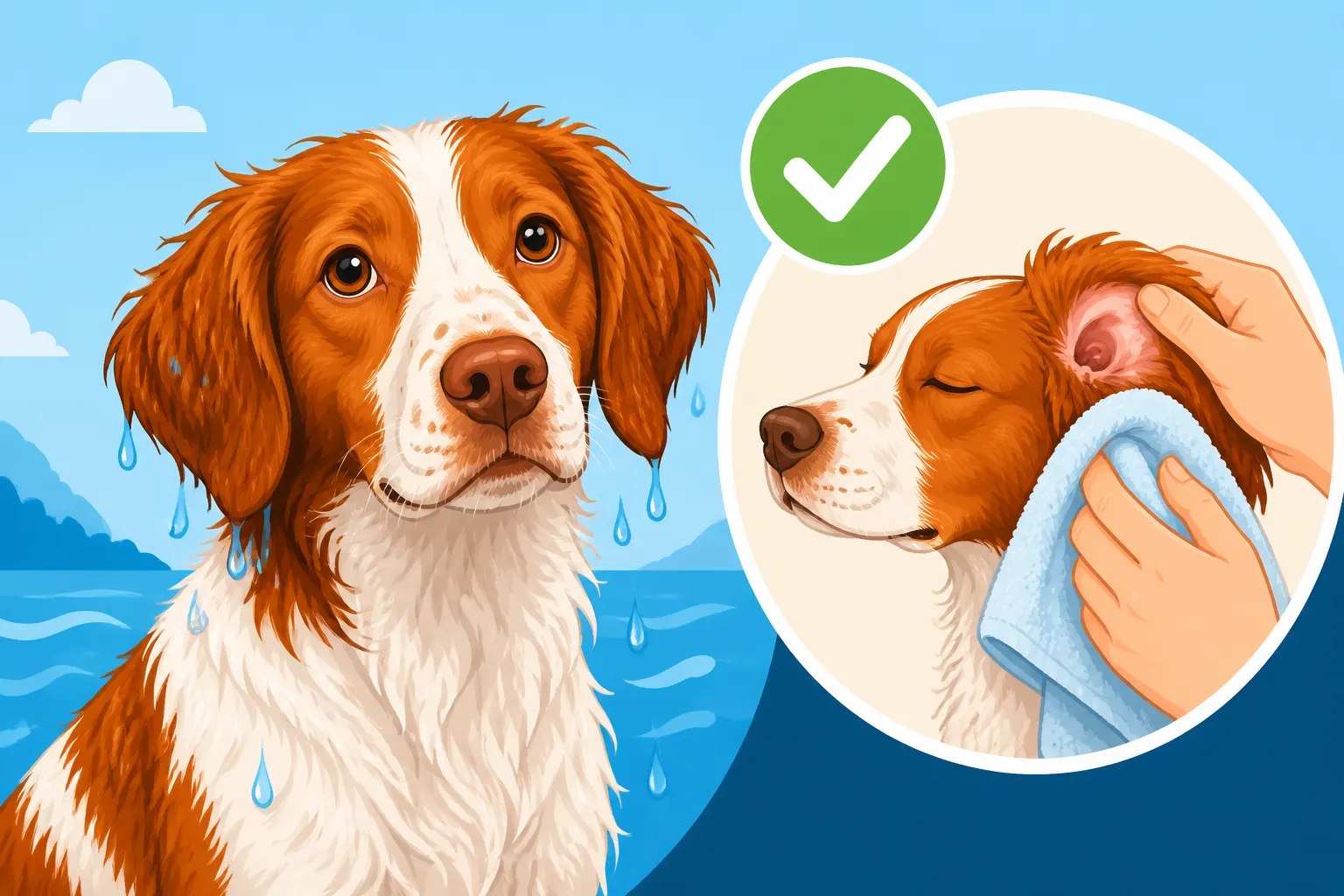
- Outer Ear and Feathering: Grab a soft, absorbent towel. Gently but thoroughly dry the outside of their ear leathers and all the beautiful feathering around the ears. Don't forget the area where the ear attaches to the head, as water can often pool here. Work this area with care, as too much vigorous rubbing can cause matting.
- Inner Ear Flap: Next, take a fresh cotton ball or a soft gauze pad. Gently flip your Brittany's ear open and use the cotton to blot dry the entire inner surface of the ear flap, as well as the immediate opening of the ear canal. You're aiming to absorb any visible water droplets.
- No Deep Probing: This is crucial: resist the urge to use cotton swabs (Q-tips) or to push cotton balls deep into the ear canal. This can inadvertently push debris, wax, or moisture further down, compacting it against the eardrum and potentially causing damage. Stick to what you can see and gently blot. Your goal is to remove surface water, not to deep clean at this stage. Think of it as preparing the area for the next step, rather than completing the process entirely. This initial phase is a critical component of What to Check on a Brittany After Every Outing.
Introducing an Ear Drying Solution
Once you've removed the obvious surface moisture, it's time to use a dedicated ear drying solution. This is where you get into the deeper crevices of the ear canal.
- Choose Your Solution Wisely: There are many ear drying solutions available. Some contain alcohol, which evaporates quickly and helps dry the ear, but can be irritating to already inflamed ears. Others are more gentle, often containing witch hazel, boric acid, or salicylic acid, which help dry and acidify the ear canal, making it less hospitable to yeast and bacteria. Brands like Zymox or Epi-Otic are popular choices and can be easily found on sites like Chewy or Amazon. For sensitive ears, opt for a non-alcohol based solution.
- Application: Hold your Brittany's ear flap straight up to expose the ear canal. Squeeze the bottle to fill the ear canal with the drying solution. Don't be shy – you need enough liquid to really get down into the canal.
- Massage and Release: Keep the ear flap held up for a few seconds, then gently massage the base of the ear (the part below the opening, near the jaw). You should hear a squishing sound as the liquid moves around inside. This massage helps the solution reach all surfaces of the canal and dislodge any trapped debris or moisture.
- The Shake-Out: Release your Brittany's ear. They will almost certainly shake their head vigorously, and this is exactly what you want! The shaking helps expel the excess liquid and loosened debris. Have a towel ready for the inevitable spray.
- Final Wipe: After the head shake, take another clean cotton ball or gauze pad and gently wipe away any visible solution or debris from the inner ear flap and the immediate opening of the canal. Again, avoid probing deep.
Final Checks and Routine Maintenance
Drying is often a one-and-done process for healthy ears after a swim, but it's part of a larger picture of ear health.
- Visual Inspection: Once everything is dry, take a moment to look closely at your Brittany's ear. Is the skin pink and healthy-looking? Is there any redness, swelling, or unusual discharge? Does it smell clean? Familiarize yourself with how a healthy Brittany ear looks and smells so you can quickly spot changes.
- Frequency: If your Brittany is a frequent swimmer or has a history of ear issues, it's wise to repeat the ear drying process with the solution every time they get wet. For general maintenance, you might only need to use a drying solution weekly, or after every bath, even if they haven't been swimming. How Often a Brittany's Ears Should Be Checked varies by dog and activity level, but diligent owners often check daily during active seasons.
- Regular Cleaning: Drying solutions are great for moisture, but true ear cleaners are formulated to break down wax and debris. Incorporate a regular ear cleaning routine as part of your Brittany's overall grooming. This prevents build-up that can trap moisture and contribute to infections. For details on products, see Which Ear Cleaner Suits a Brittany.
Essential Tools and Products for Brittany Ear Health
Having the right arsenal of tools can make the difference between a quick, effective drying routine and a prolonged struggle that leaves both you and your Brittany frustrated. Investing in good quality ear care products is truly investing in your dog's comfort and health.
Absorbent Materials and Gentle Cleaners
You don't need a huge collection of gadgets, but some basics are non-negotiable for proper ear care.
- Soft, Absorbent Towels: Keep several clean, soft towels specifically for your dog. Microfiber towels are excellent for their absorbency and quick-drying properties. Designate one for post-swim body drying and another smaller one specifically for ears.
- Cotton Balls or Gauze Pads: These are your best friends for gently wiping the outer ear and the visible parts of the inner ear flap. Stock up on large bags. You can find these easily at any pharmacy or through online pet supply retailers like Chewy or Amazon. Avoid anything with loose fibers that could shed into the ear canal.
- Dedicated Ear Drying Solutions: As discussed, these are crucial. Look for solutions specifically labeled "ear drying solution" or "ear cleanser with drying agents." Brands like Zymox Ear Solution, Epi-Otic Advanced Ear Cleanser, or Vet's Best Ear Relief Wash are highly regarded. Read the ingredients – many vets recommend solutions that help acidify the ear canal, as yeast and bacteria prefer a more alkaline environment. Always choose one appropriate for your dog's sensitivity; if they have irritated ears, an alcohol-free option is usually best. Don't be afraid to ask your vet for a recommendation if you're unsure which product is right for your particular Brittany.
- Ear Cleanser (for routine cleaning): This is different from a drying solution. Ear cleansers are designed to break down wax and debris. Many drying solutions also have cleaning properties, but if your Brittany produces a lot of wax, a dedicated cleanser might be needed on a separate schedule. You might use a cleanser weekly, and a drying solution after every water exposure. Knowing How Often Ears Need Cleaning in the Middle of a Season will help you plan.
Protective Gear for Water-Loving Brittanys
While not as common for typical field work, certain protective measures can offer an extra layer of defense for particularly water-prone Brittanys or specific situations.
- Ear Wraps or Snoods: These are fabric tubes or caps that fit over your dog's head, covering and holding their ears close to their head. They are fantastic for keeping ears dry during baths, protecting them from grass seeds and burrs in the field, or even preventing very long ear leathers from dragging in food and water bowls. While a full-on snood might be too cumbersome for an active hunting Brittany, a lighter wrap can be surprisingly effective for a quick dip or during grooming.
- Neoprene Vests with Ear Flaps: Some specialized hunting vests, particularly those designed for retrieving in cold water, incorporate extended neck and head coverings that can offer some protection to the ears. Whether a Brittany Needs a Neoprene Vest for Water often depends on the water temperature and duration of exposure, but these vests can certainly minimize direct water entry into the ear canal. For most casual water encounters, a simple drying routine is usually more practical, but for serious duck hunters, these might be a consideration.
Recognizing and Addressing Ear Problems
Even with the most diligent drying routine, sometimes problems can still arise. Knowing how to spot the early signs of an ear infection and when to seek professional help is crucial for your Brittany's health and comfort. Early intervention can prevent minor issues from escalating into serious, painful, and chronic conditions.
Signs That Your Brittany Has an Ear Infection
Your Brittany can't tell you in words that their ear hurts, so you need to be attuned to their physical and behavioral cues. These are some of the most common indicators that something is amiss:
- Head Shaking: This is often the first and most obvious sign. If your Brittany is shaking their head more than usual, especially with a vigor that seems disproportionate to the situation, it's a red flag.
- Ear Scratching: Persistent scratching at the ears with a paw, or rubbing their head against the carpet or furniture, indicates irritation. This can sometimes lead to secondary skin infections or "hot spots" around the ear canal.
- Redness and Swelling: Gently lift your Brittany's ear flap and look inside. Is the skin of the ear canal or the inner flap noticeably redder or more swollen than usual? A healthy ear should be pale pink.
- Discharge: This is a clear indicator of infection. Look for any fluid or pus coming from the ear. It can be yellow, brown, or black. Pay attention to its consistency—is it watery, waxy, or gooey?
- Odor: A healthy ear should have a very faint, clean smell. A foul, yeasty, or sweet odor is a strong sign of infection. Trust your nose!
- Pain or Sensitivity: If your Brittany yelps, flinches, or pulls away when you touch their ear or try to examine it, they are likely in pain.
- Head Tilting: Some dogs with ear infections will hold their head tilted to one side, favoring the unaffected ear.
- Changes in Behavior: Any noticeable change in your dog's demeanor—lethargy, irritability, loss of appetite—can sometimes be linked to the discomfort of an ear infection.
These are all important Signs a Brittany's Ear Is Infected, and observing them warrants immediate attention.
When to Call the Vet
While a good drying routine and some home care can prevent many issues, there are definite times when you absolutely need to involve your veterinarian. Trying to self-treat a full-blown ear infection can lead to prolonged suffering for your dog and make the problem harder to resolve in the long run.
- Persistent Symptoms: If your Brittany shows any of the signs of infection mentioned above and they don't resolve within a day or two with careful drying and cleaning, it's time to call the vet.
- Severe Pain or Swelling: If your dog is in obvious distress, crying out, or if the ear is severely swollen, hot to the touch, or closed up due to inflammation, don't wait. This needs immediate veterinary attention.
- Unusual Discharge or Odor: Any discharge that is thick, bloody, green, yellow, or has a strong, offensive odor indicates a bacterial or yeast infection that will likely require prescription medication from your vet.
- Head Tilting or Loss of Balance: If your Brittany is holding their head at a constant tilt, walking in circles, or seems off-balance, the infection may have spread to the middle or inner ear, which is a more serious condition requiring prompt treatment.
- Repeated Infections: If your Brittany seems to get ear infections frequently, even with your best preventative efforts, a veterinary workup is essential. There might be an underlying issue, such as allergies (environmental or food-related), hypothyroidism, or an anatomical abnormality that needs to be addressed. Sometimes, even a change in diet, exploring options like those offered by Ollie for fresh, limited-ingredient meals, can be part of the solution if allergies are suspected.
- Foreign Objects: Occasionally, a foreign object like a grass seed (especially foxtails) can get lodged deep in the ear canal, causing immense irritation and infection. How Grass Seeds Get Into a Brittany's Ear is a common problem in working dogs, and this requires professional removal. Never attempt to remove a foreign object from deep in the ear canal yourself, as you risk pushing it further in or damaging the eardrum.
Your vet will be able to perform an otoscopic examination, take swabs for cytology (to identify yeast or bacteria), and prescribe the appropriate medications (ear drops, oral antibiotics, or anti-inflammatories). Prompt professional care is the best way to resolve an ear infection quickly and prevent it from becoming a chronic, recurring nightmare for your beloved Brittany.
Proactive Strategies for Long-Term Ear Health
Drying ears after water exposure is a reactive step, but true ear health for a Brittany comes from a proactive, holistic approach. Integrating ear care into your regular routine and being aware of broader health connections can make a huge difference.
Regular Inspection and Cleaning Schedule
Consistency is king when it comes to preventing ear problems. Just like you brush your dog's coat, you need to regularly check and clean their ears.
- Make it a Positive Experience: Start handling your Brittany's ears from a young age, making it a positive experience with treats and praise. This will make future inspections and cleaning much easier. You don't want ear care to be a battle.
- Establish a Routine: Aim for at least a weekly ear check, and certainly after any significant water exposure or time spent in thick cover. During hunting season, when your Brittany is constantly in and out of water and dense vegetation, daily checks become even more important. How Often a Brittany's Ears Should Be Checked depends largely on their activity level and individual susceptibility. A working Brittany in the field, for example, will need far more frequent attention than a couch potato.
- Visual and Olfactory Check: Gently lift the ear flap. Look for any redness, swelling, or discharge. Take a sniff—does it smell clean, or is there a noticeable odor? These quick checks become second nature over time. If you see or smell anything amiss, clean the ears with a vet-approved cleanser.
- Beyond Cleaning: Remember that regular drying, as outlined in this guide, is a key part of this routine, especially for managing a drop ear that traps water (Why a Brittany's Drop Ear Traps Water) effectively. By being consistent, you can often catch minor issues before they escalate into full-blown infections.
Diet, Allergies, and Underlying Conditions
Sometimes, persistent ear issues aren't just about water; they can be a symptom of a deeper problem within your Brittany's body.
- The Allergy Connection: Many chronic ear infections are actually secondary to allergies, either environmental (pollen, dust mites) or food-related. When a dog has allergies, their skin becomes inflamed and itchy, and the lining of the ear canal is essentially skin. This inflammation creates an environment where yeast and bacteria can thrive more easily. If your Brittany suffers from recurring ear infections, discuss allergy testing and management with your vet. This might involve special diets, medications, or even immunotherapy. Some owners find that switching to a high-quality, limited-ingredient diet, perhaps even a fresh food option like those offered by Ollie, can make a difference if allergies are suspected as an underlying cause of chronic ear inflammation.
- Systemic Health and Ear Health: Other underlying medical conditions, such as hypothyroidism or autoimmune diseases, can also manifest with ear problems. If your vet suspects a systemic issue, they might recommend blood tests or other diagnostics. The overall health of your Brittany often reflects in the health of their ears, skin, and coat.
- Don't Ignore Small Details: Be observant of other symptoms beyond the ears. Is your Brittany also licking their paws excessively, scratching other parts of their body, or having gastrointestinal upset? All these pieces of the puzzle can help your vet identify and treat the root cause of chronic ear issues, rather than just constantly putting out fires. Addressing the underlying problem is the most effective way to achieve long-term ear health for your cherished Brittany.
| Ear Drying Method | Pros | Cons | When to Use |
|---|---|---|---|
| Towel/Cotton Blotting | Gentle, immediate removal of surface water. Inexpensive. | Only removes surface moisture, doesn't reach deep canal. | Immediately after any water exposure (swimming, bath, rain, heavy dew). |
| Ear Drying Solution | Reaches deep into the canal, promotes evaporation. | Can be irritating if ears are already inflamed (alcohol-based). Requires active application. | After thorough blotting, for deep drying, especially after swimming. |
| Ear Wraps/Snoods | Prevents water entry, also protects from burrs/debris. | Can be cumbersome for active dogs, may not be practical for hunting. | During baths, light swimming, or in environments with dense, seedy vegetation. |
| Air Drying (Natural) | No products needed, natural evaporation. | Slow, ineffective for floppy ears, high risk of infection. | Never rely solely on air drying for a Brittany's ears after water exposure. |
Disclaimer
This article is for general informational purposes only and does not constitute professional advice. Laws, prices and regulations vary by location and change over time. Consult a qualified professional for guidance on your specific situation.