How Often a Brittany’s Ears Need Cleaning
Oh, the Brittany ear. If you're a Brittany owner, you've likely spent your fair share of time peering into those floppy, feathery wonders, wondering if that slight funk means trouble, or if you're cleaning them too much, or not enough. It's a common dilemma, and one that often leads to frustration and more than a few vet visits if not handled proactively. This guide is here to walk you through the ins and outs of maintaining your Brittany's ear health, helping you establish a routine that keeps those ears clean, dry, and healthy, preventing those all-too-common infections.
The Unique Challenges of Brittany Ears
Our beloved Brittanys are magnificent athletes and loyal companions, but their adorable drop ears, combined with their active, outdoor lifestyles, can be a recipe for ear troubles. Understanding why their ears are so prone to issues is the first step in preventing them. It’s not just bad luck; it’s a combination of anatomy and activity.
Why Brittany Ears Are Prone to Trouble
Unlike dogs with upright ears, the Brittany's pendulous (floppy) ears create a warm, dark, and often humid environment that bacteria and yeast absolutely love. Think of it like a miniature greenhouse for microbes. This isn't just a comfort issue; it's a structural design that inadvertently invites trouble. The ear canal itself, particularly the vertical and horizontal sections, can be quite convoluted, making it difficult for air to circulate and for natural debris to escape. This unique architecture is a significant factor in why a Brittany's ears are so often a point of concern for owners.
Adding to this anatomical predisposition is the beautiful feathering. While it gives our Brittanys their distinctive look, this long, soft hair around and inside the ear flap acts like a net, trapping dirt, moisture, burrs, and other field debris. This dense hair can also further restrict airflow, exacerbating the warm, moist conditions within the ear canal. It’s a double-edged sword: gorgeous to look at, but a challenge to keep clean. Regularly checking and maintaining this feathering, even with gentle trimming around the canal opening, can make a surprising difference in keeping things aired out and clear of obstructions. Whether a Brittany's Ear Hair Should Be Trimmed is a topic many owners grapple with for this very reason.
The Role of Moisture and Debris in Ear Health
If you have a Brittany, you know they love water. Whether it's splashing through puddles, retrieving from a pond, or just getting a bath, water inevitably finds its way into those ear canals. And once it's in, it tends to stay there, trapped by the ear flap and internal structures. This trapped moisture significantly increases the humidity within the ear, creating an even more hospitable breeding ground for opportunistic bacteria and yeast. It's why diligent drying after any water exposure is so crucial for these dogs.
Beyond water, the very nature of a Brittany's life in the field means they are constantly exposed to dirt, dust, pollen, and plant material. Every time they run through tall grass, dive into a thicket, or even just roll in the yard, tiny bits of nature can migrate into their ears. Grass seeds, in particular, are notorious culprits. These tiny, barbed seeds can work their way deep into the ear canal, causing irritation, inflammation, and often paving the way for secondary infections. It’s a constant battle, especially during hunting season, to keep those ears free of unwelcome guests. How Grass Seeds Get Into a Brittany's Ear is a common concern for active dogs, and it’s one you need to be vigilant about.
Establishing a Regular Cleaning Schedule
So, with all these challenges, how often should you actually be cleaning your Brittany's ears? The truth is, there's no single magic number. It's a balance between proactive care and not overdoing it, which can sometimes lead to irritation itself.
How Often is "Normal" for a Brittany?
For many Brittanys, a good baseline for ear cleaning is once a week to once every two weeks. This regular schedule helps to remove wax buildup, dirt, and any lingering moisture before they can cause a problem. Think of it as routine maintenance, similar to brushing their coat or trimming their nails. It's about staying ahead of the game, rather than reacting to an already developing issue.
However, "normal" can vary. Some Brittanys might naturally produce more wax, or their ear canals might be slightly narrower, requiring more frequent attention. Others might have naturally drier ears and only need a quick check and clean every few weeks. The key is to get to know your dog's ears: what's their normal amount of wax? What do they smell like when healthy? Establishing this baseline will make it easier to spot when something is off. This consistent, gentle approach is far more effective than sporadic, aggressive cleaning.
Factors That Influence Cleaning Frequency
Several factors can significantly impact how often your Brittany's ears truly need cleaning. It’s not a set-it-and-forget-it kind of task, especially with a breed as active as ours.
- Activity Level and Environment: A Brittany that spends its days lounging on the couch (though rare!) will likely need less frequent cleaning than one that's constantly out in the field, splashing through marshes, or flushing birds in dusty conditions. After a day of hunting, a post-hunt ear check and cleaning might be necessary, even if you just did one a few days prior. How Often Ears Need Cleaning in the Middle of a Season often increases dramatically for working dogs.
- Swimming and Water Exposure: This is a big one. Any time your Brittany has been swimming, had a bath, or even just got caught in a heavy rain shower, their ears need immediate attention. Trapped water is a primary catalyst for infections. Even if you're normally on a bi-weekly schedule, a water event dictates an extra cleaning session. Making sure to thoroughly dry the ear canal after water exposure is paramount. You can find specialized drying solutions at pet supply stores or online from retailers like Chewy or Amazon that help evaporate moisture quickly.
- Allergies: Dogs with environmental or food allergies often manifest symptoms through their skin and ears. Chronic ear infections can be a tell-tale sign of an underlying allergy. If your Brittany seems to have constantly dirty or irritated ears despite regular cleaning, an allergy might be at play, requiring more frequent cleaning and veterinary intervention to address the root cause.
- Individual Ear Wax Production: Just like humans, some dogs produce more ear wax than others. If your Brittany is a prolific wax producer, you might need to increase cleaning frequency to prevent blockages and maintain hygiene. It's about observing and adapting.
Here’s a quick overview of how these factors might shift your routine:
| Factor | Baseline Frequency (No Issues) | Increased Frequency (Specific Situations) |
|---|---|---|
| General Maintenance | Every 1-2 weeks | N/A |
| Frequent Swimming | Weekly, plus after each swim | Potentially daily after swims |
| Active Field Dog | Weekly, often after each hunt | After every major exposure |
| Allergy Sufferer | Weekly, or more as needed | As per vet's instructions, sometimes daily |
| High Wax Production | Weekly | Potentially twice a week if needed |
| Mild Irritation | More frequent, consult vet | Daily, then step down |
The Right Way to Clean Brittany Ears
Cleaning your Brittany's ears doesn't have to be a wrestling match. With the right supplies and a gentle, consistent approach, it can become a routine your dog tolerates, or even enjoys, especially if positive reinforcement is involved.
Gathering Your Supplies
Before you start, make sure you have everything laid out. This minimizes stress for both you and your dog. You'll need:
- Veterinary-Approved Ear Cleaner: Don't use rubbing alcohol, hydrogen peroxide, or human ear drops unless specifically instructed by your vet. These can be irritating or even harmful to a dog's delicate ear canal. Look for gentle, pH-balanced canine ear cleaners. Many excellent options are available from your vet or pet retailers. Which Ear Cleaner Suits a Brittany can depend on whether you're dealing with a mild buildup or trying to prevent specific types of infection.
- Cotton Balls or Cotton Rounds: These are ideal for wiping the outer ear flap and visible parts of the ear. Avoid cotton swabs (Q-tips) for inside the ear canal, as they can push debris further in or damage the eardrum.
- Towels: Keep a towel handy for any drips and to place your Brittany on, especially if they like to shake their head immediately after.
- Treats: Plenty of high-value treats to reward cooperation!
Many reputable brands offer great ear cleaning solutions. You can easily find these at your local pet store or through online platforms like Chewy or Amazon, which often have a wide selection and customer reviews to help you choose.
Step-by-Step Ear Cleaning Process
Here’s how to approach the task gently and effectively:
- Find a Calm Spot: Choose a quiet area where your Brittany feels comfortable. A bathroom or kitchen floor often works well, especially if it’s easy to clean up any splashes.
- Hold the Ear Flap Up: Gently lift your Brittany's ear flap to expose the opening of the ear canal. You'll likely see a bit of the vertical canal.
- Apply Cleaner: Carefully squirt a generous amount of the ear cleaner directly into the ear canal until it's full. Don't be shy; you want enough liquid to loosen debris. Keeping Water Out of a Brittany's Ears is typically the challenge, but here we want to get the cleaner in.
- Massage the Base of the Ear: With the cleaner in the ear, gently massage the base of your Brittany's ear for about 20-30 seconds. You should hear a squishy sound, which indicates the cleaner is working its way down into the horizontal canal and breaking up wax and debris.
- Let Your Dog Shake It Out: This is the messy part! Stand back and allow your Brittany to shake their head. This helps dislodge the cleaner and loosened gunk. You might want to hold a towel strategically to catch the spray.
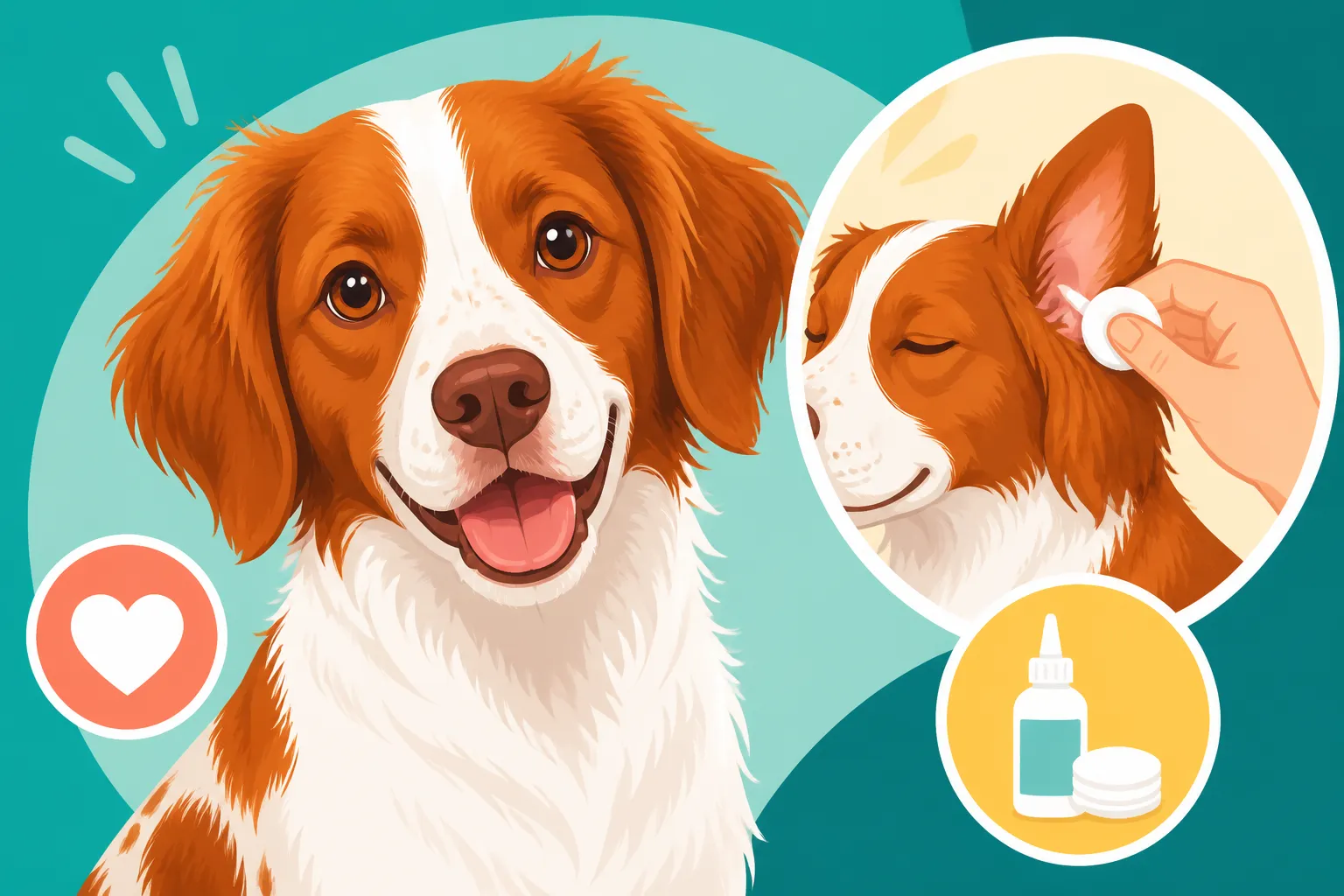
- Wipe the Visible Areas: Take a fresh cotton ball or round and gently wipe away any visible cleaner, wax, and debris from the outer ear flap and the entrance to the ear canal. Remember, only wipe what you can see. Never insert anything deep into the ear canal. Repeat with fresh cotton balls until no more visible dirt comes out.
- Reward and Praise: Finish with lots of praise and treats to make it a positive experience. This helps build a positive association with ear cleaning for future sessions.
Recognizing the Signs of Ear Infections
Even with the most diligent cleaning routine, ear infections can sometimes crop up. Knowing what to look for can help you catch them early, leading to faster treatment and less discomfort for your Brittany. Ignoring these signs can lead to more serious, chronic issues.
Early Warning Signs and Symptoms
Your Brittany is pretty good at communicating discomfort, especially when it comes to something as annoying as an ear infection. The earliest signs are often subtle, so you need to be observant. One of the first things you might notice is an unusual smell emanating from the ear. A healthy ear should have little to no odor. If you detect a yeasty, sweet, or generally unpleasant smell, it's a red flag. This often indicates an overgrowth of yeast or bacteria.
Another common early symptom is an increase in scratching or pawing at the affected ear. Your Brittany might also shake its head more frequently or tilt its head to one side. When you lift the ear flap, you might see redness or swelling of the ear canal. You could also observe discharge, which can vary in color from dark brown and waxy (often yeast) to yellow or green and pus-like (more indicative of a bacterial infection). Signs a Brittany's Ear Is Infected can often be subtle at first, so a routine check is important. Check the color and consistency of any wax, and compare it to what's normal for your dog.
When to Call the Vet
It’s crucial to know when to escalate from home cleaning to professional medical attention. If you notice any of the severe signs or if the milder symptoms persist despite a day or two of increased cleaning, it's time to call your veterinarian. These signs include:
- Persistent pain: Your Brittany cries out, snaps, or recoils when you try to touch their ear.
- Severe redness and swelling: The ear appears very inflamed and hot to the touch.
- Excessive discharge: A heavy amount of pus-like or foul-smelling discharge that doesn't clear up.
- Lethargy or changes in behavior: Your dog seems unwell, depressed, or loses appetite.
- Head tilt or loss of balance: This could indicate a more serious inner ear infection.
- Hearing loss: A noticeable change in your dog's response to sounds.
Attempting to treat a full-blown infection at home with just ear cleaner can delay proper medical care and worsen the condition. Your vet can accurately diagnose the type of infection (bacterial, yeast, mites, or a foreign body) and prescribe the appropriate medication, whether it's an antibiotic, antifungal, or anti-inflammatory. They can also check for foreign objects like those pesky grass seeds, which often require professional removal. Early veterinary intervention is always best for your Brittany's comfort and long-term ear health.
Preventive Measures Beyond Cleaning
While regular cleaning is fundamental, a holistic approach to ear health for your Brittany means looking at other aspects of their care. Sometimes, ear issues are a symptom of a larger underlying problem, and addressing these can significantly reduce the frequency and severity of infections.
Diet and Allergies
It might surprise you, but what goes into your Brittany's bowl can absolutely impact the health of their ears. Many dogs, including Brittanys, can develop sensitivities or full-blown allergies to certain ingredients in their food, most commonly proteins like chicken or beef, or grains. These allergies often manifest as skin problems, and guess what? The ears are considered an extension of the skin. Chronic ear infections, particularly those caused by yeast, can be a primary symptom of a food allergy.
If your Brittany is plagued by recurring ear infections despite diligent cleaning, it’s worth discussing a dietary trial with your vet. This usually involves switching to a novel protein diet (one your dog has never eaten before, like venison or duck) or a hydrolyzed protein diet for several weeks to see if symptoms improve. Brands like Ollie, known for their fresh food options, or prescription diets available through your vet, might offer solutions tailored to sensitive dogs. It's a journey of elimination, often, but finding the right diet can be transformative for their ear health and overall well-being. Whether a Brittany Gets Skin Allergies extends to ear problems, which are a common sign.
Management During Hunting Season
For our hard-working Brittanys, hunting season presents a whole new set of challenges for ear health. The increased exposure to dense cover, water, mud, and various plant materials means a more intensive ear care regimen is essential.
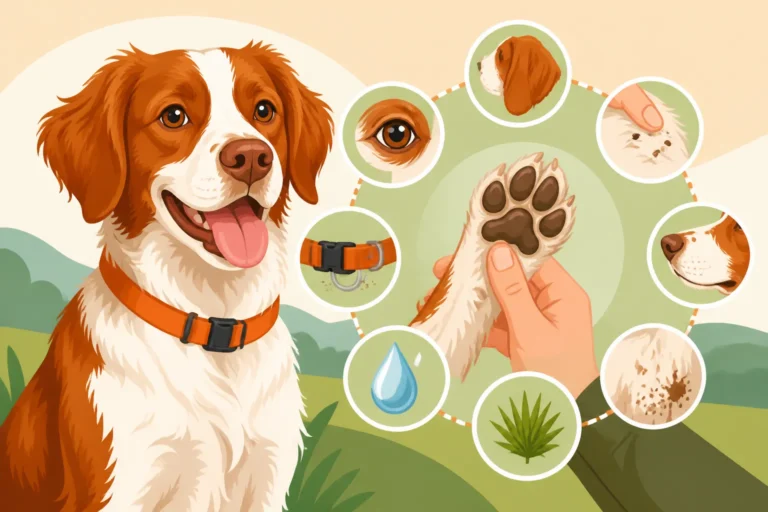
First and foremost, a thorough post-hunt inspection is non-negotiable. As soon as you're back at the truck or home, lift those ear flaps and check for any burrs, foxtails, or other debris that might have snuck in. Gently brush away any feathering that's matted with mud or seeds.
Secondly, drying the ears becomes even more critical. If your Brittany has been retrieving from water, a dedicated ear drying solution (often available at pet supply stores or through your vet) can be a lifesaver. These solutions help to quickly evaporate moisture, reducing the humid environment that yeast and bacteria thrive in. Even a soft towel or a piece of cotton can do wonders for wicking away surface moisture. How to Dry a Brittany's Ears After Water is a simple yet crucial step that often gets overlooked in the excitement of a retrieve.
Finally, consider proactive cleaning during the season. If your Brittany is hunting multiple days a week, a quick clean after each outing might be necessary, even if it's just wiping out the visible debris and applying a drying solution. This isn't about deep cleaning every day but preventing the accumulation of irritants. Consistency and vigilance during peak activity times are your best defense against ear infections sidelining your hunting partner.
Common Ear Problems in Brittanys
While we often lump all ear issues under "ear infection," there are actually distinct types of problems that can plague our Brittanys, and understanding the differences can help you communicate more effectively with your vet. Knowing what you're up against can guide your prevention and treatment strategies.
Yeast vs. Bacterial Infections
The two most common culprits behind that dreaded ear funk are yeast and bacteria. They often present with slightly different characteristics, though a veterinary diagnosis is always best.
Yeast infections in a Brittany's ear are frequently caused by Malassezia pachydermatis, a type of yeast that naturally lives on a dog's skin and in their ears in small numbers. When conditions are right – warm, moist, and perhaps triggered by an underlying allergy or immune suppression – this yeast can overgrow. You'll typically notice:
- A distinctive sweet or yeasty smell, often described as like corn chips or stale bread.
- Dark brown, waxy discharge that sometimes looks like coffee grounds.
- Redness and itchiness.
Yeast infections are very common in Brittanys due to their floppy ears creating that perfect humid environment. They can be incredibly itchy, leading to relentless scratching and head shaking, which only exacerbates the problem.
Bacterial infections can be caused by various types of bacteria, often Staphylococcus or Pseudomonas. These usually present with:
- A much fouler, pungent odor.
- Yellow, green, or thick pus-like discharge.
- Significant redness, swelling, and pain, sometimes to the point where your dog won't let you touch their ear.
- The ear might feel hot to the touch.
Bacterial infections can be more serious and often require prescription antibiotics, either topical or oral, from your vet. Sometimes, a yeast infection can be a primary problem, and the constant scratching and inflammation create an opportunity for a secondary bacterial infection to take hold. This is why getting a proper diagnosis with an ear swab and cytology (looking at the cells under a microscope) is so important; it ensures the right medication is used to target the specific culprit.
Foreign Bodies
Beyond microbes, Brittanys, with their long, low-set ears and penchant for dashing through fields, are prime candidates for getting foreign bodies lodged in their ear canals. The most infamous of these are grass awns, sometimes called foxtails, cheatgrass, or spear grass. These tiny plant seeds are designed by nature to burrow forward, and once they get into an ear canal, they rarely come out on their own.
Signs of a foreign body include:
- Sudden, intense head shaking or pawing at one ear, often with no prior history of ear problems.
- Acute pain or tenderness around the ear.
- A noticeable change in behavior, such as reluctance to be touched or lethargy.
- Sometimes, there might be a discharge as the body tries to wall off the foreign object, which can lead to a secondary infection.
If you suspect a foreign body, do not try to remove it yourself with tweezers or a swab. You risk pushing it deeper, causing more pain, or even perforating the eardrum. This is a definite "call the vet" situation. Your veterinarian has specialized instruments (otoscopes) to visualize the ear canal and can safely remove the foreign object, often under sedation to ensure your Brittany's comfort and prevent further injury. How Grass Seeds Get Into a Brittany's Ear explains how these tiny threats manage to cause such big problems. Vigilance after field excursions is your best defense!
Disclaimer
This article is for general informational purposes only and does not constitute professional advice. Laws, prices and regulations vary by location and change over time. Consult a qualified professional for guidance on your specific situation.