Whether a Brittany’s Feathering Should Be Trimmed
Every Brittany owner knows the feeling: you've just spent a fantastic day out in the field, watching your spirited companion work cover with boundless energy, only to return home to a dog covered head-to-tail in burrs, mud, and who knows what else, all hopelessly entangled in that beautiful, flowing feathering. The question quickly shifts from "what a great hunt" to "how on earth am I going to get all this out?" It's a common dilemma, and one that often leads to wondering whether trimming your Brittany's feathering is a practical solution or a grooming faux pas. This guide is here to walk you through everything you need to know about managing your Brittany's glorious, yet sometimes challenging, coat.
Understanding Your Brittany's Feathering
The Brittany's coat is one of its defining features, a beautiful blend of practicality and elegance. However, what makes it stunning in a show ring can be a real headache in the field. Let's break down what this feathering truly is and why it exists.
What is "Feathering" on a Brittany?
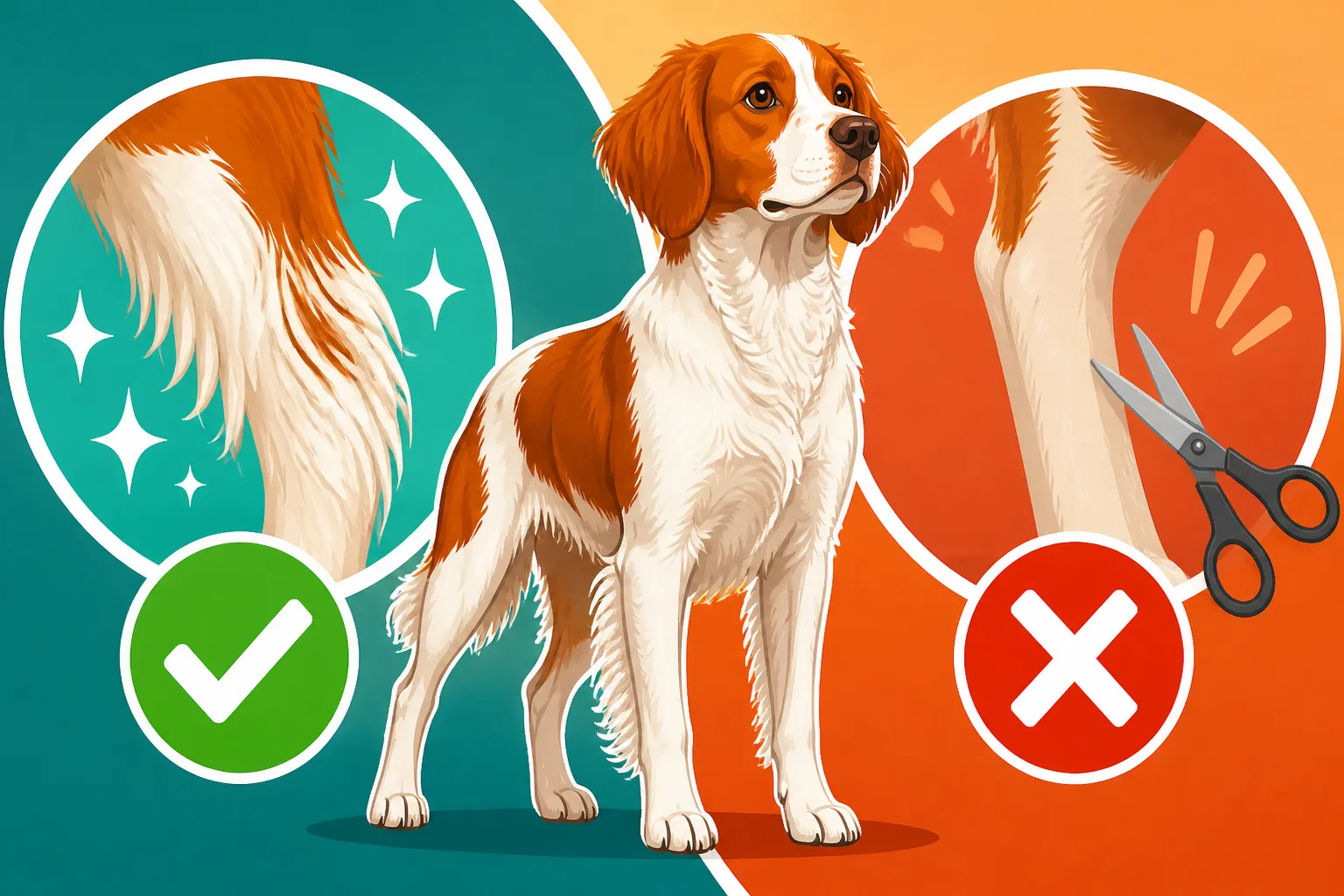
When we talk about feathering on a Brittany, we're referring to those longer fringes of hair that grow on specific parts of their body. You'll typically find this soft, often slightly wavy hair gracing the backs of their forelegs and hind legs, sometimes extending up the thighs. Their ears, chest, and belly also boast a good amount of feathering, and of course, many Brittanys have a plume of feathering on their tail, even if it's a naturally bobbed or docked one.
Naturally, this longer hair serves a purpose. In the wild, it would offer some degree of protection against brush, thorns, and even a bit of insulation from the cold. Think of it as a natural barrier, cushioning the dog as it pushes through dense cover. This fine, silky texture, so characteristic of the breed, is also what makes it so prone to collecting debris. While we might admire its flowing appearance, a Brittany deep in a briar patch might feel differently about its practical benefits!
The Double-Edged Sword of Feathering
For a breed celebrated for its dual ability – excelling both in the field and the show ring – feathering presents a peculiar challenge. On one hand, a well-conditioned, flowing coat with appropriate feathering is a hallmark of the breed standard, contributing to that classic, aristocratic look that judges adore. Breeders often strive for this aesthetic, showcasing the dog's natural beauty.
On the other hand, for the active hunting Brittany, that same beautiful feathering can become a significant liability. It's the ultimate magnet for everything undesirable the outdoors has to offer: burrs, cockleburs, beggar's ticks, mud, ice balls, and even tiny, insidious foxtails. What begins as a picturesque fringe quickly transforms into a tangled, matted mess that can be painful for your dog and incredibly time-consuming for you to remove. Many owners find themselves in a constant battle against mats and debris, especially during hunting season. This is truly where the practical reality of a working dog clashes with the traditional ideals of a show dog's appearance. It highlights the central theme of A Brittany's Coat Is Low Maintenance Until It Hits Cover – that beautiful coat demands attention once it's been put to work.
Why Brittany Owners Consider Trimming Feathering
The decision to trim a Brittany's feathering isn't usually born out of a desire to deviate from the breed standard, but rather from a very real, very practical need to manage the challenges of an active, outdoor lifestyle. The daily grind of dealing with a field-worn coat can quickly wear down even the most dedicated owner.
The Practicality of Field Work
For a Brittany that spends any significant time in the field, whether hunting pheasants, quail, or simply enjoying vigorous hikes through varied terrain, the feathering becomes a magnet for trouble. Burrs, seeds, and twigs cling relentlessly to the fine hair on their legs, belly, and ears, forming dense, painful mats. It's not just a cosmetic issue; these tangles can pull at the skin, causing discomfort and even irritation. Imagine trying to hunt with dozens of tiny hooks digging into your skin!
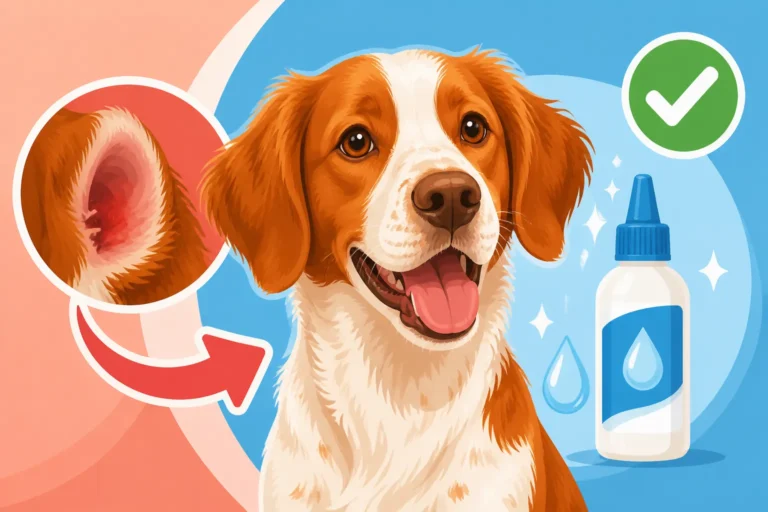
Moreover, in areas where foxtails are prevalent, untrimmed feathering can be a serious health risk. These barbed seeds can burrow deep into the coat, migrate into ears, between toes, or even under the skin, leading to severe infections and requiring costly vet visits. Reducing the length of the feathering on the legs and belly can dramatically decrease the surface area available for these nuisances to attach. It's a proactive step many savvy hunters take to safeguard their dog's well-being. Think about How Grass Seeds Get Into a Brittany's Ear – shorter ear feathering can help prevent these tiny dangers from getting a foothold.
Another significant concern is parasite concealment. Ticks, in particular, can be incredibly difficult to spot and remove when they're hidden within a thick, long coat. Trimming the feathering, especially on the legs, belly, and around the ears, makes it much easier to perform thorough checks after every outing. This increased visibility means you can find and remove ticks more quickly, reducing the risk of tick-borne diseases. For more on this, consider How Many Ticks a Brittany Picks Up in a Season and how trimming can help you manage that.
Hygiene and Comfort at Home
The challenges of long feathering don't end when the hunt is over. At home, that lovely fringe can still be a source of frustration. Wet feathering, whether from a swim, a rainy walk, or even just drinking water, tends to drag on the floor, leaving damp trails and creating a haven for dirt and debris. Imagine your Brittany coming in after a splash in a pond; those long leg and belly feathers will soak up water like a sponge, taking ages to dry and potentially leading to a persistent damp dog smell in your home.
Beyond the dampness, dense feathering, especially on the belly and around the groin, can trap urine, feces, and other grime, becoming unsanitary. This can lead to skin irritation, especially in warmer weather, and can even contribute to painful hot spots if the skin can't breathe properly. Whether a Brittany Gets Hot Spots is a real concern, and a matted or constantly damp coat can certainly be a contributing factor. For owners seeking a more manageable daily routine, a strategic trim can make a world of difference. It reduces the amount of hair that drags in food and water bowls, minimizes the accumulation of backyard muck, and generally simplifies the grooming regimen, making both the dog and the owner much happier and more comfortable.
The Pros and Cons of Trimming Feathering
Deciding whether to trim your Brittany's feathering involves weighing the practical benefits against certain considerations. It's not a one-size-fits-all answer, as what works for one dog or owner might not be ideal for another.
Advantages of a Trimmed Coat
For many Brittany owners, especially those with active hunting dogs, the advantages of trimming the feathering are compelling and significantly outweigh the downsides. The most immediate benefit is dramatically easier maintenance. Imagine returning from a hunt and not having to spend an hour painstakingly picking out burrs, twigs, and mud from tangled leg and belly feathers. A shorter coat means less surface area for debris to cling to, making post-hunt cleanup quicker and far less stressful for both you and your dog.
Secondly, trimmed feathering dries much faster. This is particularly beneficial for dogs that are frequently in and out of water, or simply caught in the rain. Quicker drying times mean less chance of lingering dampness against the skin, which in turn reduces the risk of skin infections, irritation, and those aforementioned hot spots. It also means less wet dog smell permeating your home or vehicle.
Furthermore, a trimmed coat often leads to better skin health. Without dense mats and constantly damp fur, air can circulate more freely, preventing moisture and bacteria from building up against the skin. This can alleviate itching and discomfort. Perhaps most crucially for a hunting dog owner, shorter feathering makes it significantly easier to perform thorough checks for ticks, cuts, and scrapes after every outing. You can more readily inspect the skin on the legs, belly, and ears, quickly identifying any potential issues before they become serious. This proactive approach to health and safety is a huge plus for working dogs.
Disadvantages and Considerations
While the practical benefits are clear, there are also some drawbacks and considerations to ponder before you reach for the clippers. The most obvious concern for many is the aesthetic impact. A Brittany's flowing feathering is undeniably beautiful and contributes to its classic look. Trimming it can alter this appearance, making the dog look less "finished" or traditional in the eyes of some owners and breed enthusiasts. For those who enjoy showing their Brittany in conformation events, any significant trimming beyond what's allowed by the breed standard would be a definite no-go.
There's also the question of natural protection. While perhaps a minor point for many domestic situations, the feathering does offer some degree of physical protection against minor scrapes and cold. Removing it entirely could theoretically expose the skin more to elements or superficial injuries, though for most working dogs, the trade-off for reduced burr collection is usually worth it.
A very real disadvantage, especially for owners attempting DIY trimming, is the risk of improper technique. Clipper burn, uneven cuts, or accidental nicks can happen, leading to discomfort for your dog and an unsightly, patchy coat. This often requires patience and practice to master. If you opt for professional grooming, you'll need to factor in the cost and the time commitment for regular appointments. Finally, there's a common misconception that shaving or trimming a dog's coat will make it grow back thicker or coarser. While a fresh cut might appear coarser initially as all the hairs are the same length, there's generally no scientific evidence that trimming permanently alters the hair follicle's ability to produce the same type of hair. However, some owners report a slight change in texture, which might be a temporary effect of the cutting process. For further reading, you might find Whether a Brittany's Coat Changes With Age interesting, as natural changes can occur regardless of trimming.
How to Approach Trimming Your Brittany's Feathering
So, you've decided that a trim might be beneficial for your active Brittany. The next step is figuring out how to do it effectively and safely. You have options, from tackling it yourself to enlisting professional help.
Tools and Techniques for DIY Trimming
If you're considering trimming your Brittany's feathering at home, gathering the right tools is paramount. You'll primarily be choosing between scissors and electric clippers, each with its own set of pros and cons.
- Scissors: Good quality, sharp grooming scissors (preferably with blunt tips for safety) are excellent for detailed work, especially around the ears, feet, and face. They allow for a more natural, feathered look if you're careful, blending the longer hair into the shorter body coat. For areas like the back of the hocks or the underside of the tail, scissors can provide precision. However, using scissors for large areas like the belly or legs can be very time-consuming and might result in an uneven look if you're not experienced.
- Clippers: Electric clippers, particularly those designed for dog grooming, can make quick work of larger areas like the belly and the backs of the legs. They offer a more uniform cut. You'll need different blade sizes (or comb attachments) to achieve varying lengths. A #10 blade is standard for sanitary trims, while longer comb attachments can leave a more natural length. Be cautious with clippers; they can cause clipper burn if not used correctly, especially on sensitive skin or if the blades are dull or get too hot. Which Brush Suits a Brittany isn't directly related to trimming tools, but ensures you have the right brush for after trimming to maintain the coat.
Regardless of your chosen tool, safety is key. Always use sharp tools to avoid pulling hair, which is painful for your dog. Work slowly and patiently, especially in sensitive areas like armpits, behind the ears, and around paw pads. Ensure your dog is calm and comfortable. Positive reinforcement, with plenty of treats and praise, can make the experience much more pleasant for both of you. You might focus on trimming just the "problem" areas first: the long wisps behind the legs that drag in mud, the belly feathering that collects burrs, and the wispy hair around the ears. Remember, you can always take more off, but you can't put it back on!
Professional Grooming vs. At-Home Care
For many owners, the thought of taking scissors or clippers to their beloved Brittany can be daunting. This is where professional groomers come in. A skilled groomer can provide a clean, even trim, especially if you want a particular style or if your dog is particularly wiggly. When seeking a professional, it's crucial to communicate clearly what you want. Explain that your Brittany is a hunting dog, and you're looking for a functional trim to minimize field debris, not necessarily a show-ring aesthetic. Some groomers might not be familiar with the specific needs of a sporting breed's working coat, so asking if they have experience with bird dogs is a good idea. They can help you achieve Whether a Hunting Brittany Should Be Trimmed Shorter in a practical way.
The primary advantages of professional grooming are the expertise, specialized tools, and time-saving aspect. They can handle difficult areas, ensure a consistent look, and often identify underlying skin or coat issues you might miss. The main downside, of course, is the cost, which can add up with regular appointments.
On the other hand, at-home care offers flexibility and can save money over time, especially if you invest in quality tools. It also allows you to bond with your dog during grooming sessions. However, it requires a learning curve, patience, and a willingness to accept that your initial attempts might not be salon-perfect. Many owners find a happy medium: doing basic trims at home to manage the most problematic areas, and occasionally taking their Brittany to a professional for a more thorough tidy-up. If you're wondering about general grooming needs, Whether a Brittany Needs a Groomer is a good read, emphasizing that while they don't require extensive styling, functional trims are often beneficial.
Maintaining Feathering, Trimmed or Not
Whether you choose to trim your Brittany's feathering or let it grow naturally, consistent and diligent care is essential to keep their coat healthy, comfortable, and functional. Neglecting the coat can lead to serious issues, regardless of its length.
Regular Grooming is Key
The foundation of a healthy Brittany coat is regular grooming. For a hunting dog, this regimen starts the moment you step out of the field. After every single outing, it's imperative to perform a thorough check of your Brittany's coat, especially the feathering on their legs, belly, and ears. This means systematically running your hands through the fur, inspecting for burrs, foxtails, ticks, and any minor cuts or scrapes. Removing burrs promptly prevents them from embedding deeper and forming painful mats. What to Check on a Brittany After Every Outing offers an excellent guide for this crucial post-hunt ritual.
Brushing should be a regular part of your routine, ideally several times a week, and even daily during high shedding seasons or if your dog is frequently in dense cover. A good pin brush, slicker brush, or a comb with rotating teeth can help work through tangles and remove loose undercoat. Brushing not only keeps the coat free of mats but also distributes natural oils, promoting a healthy sheen.
Bathing frequency depends on your dog's activity level and how dirty they get. For a hunting dog, a bath might be necessary after particularly muddy or messy outings. Use a high-quality dog shampoo that won't strip natural oils from their skin and coat. After bathing, or any time your Brittany gets wet, it’s vital to dry their feathering thoroughly. Trapped moisture can lead to skin irritation and infections. A forced-air dog dryer can significantly speed up the process. Even if your Brittany is just wet from exercise, ensuring they cool down and dry off properly is important, as discussed in How to Cool a Brittany Down After a Run.
Products to Aid Feathering Health
Beyond brushing and bathing, a few key products can be your allies in maintaining your Brittany's feathering, whether it's trimmed short or kept long.
- Detangling Sprays and Conditioners: These are invaluable for working out knots and preventing new ones from forming. A good leave-in conditioner or detangling spray can make brushing much easier, especially if your Brittany has particularly fine or prone-to-matting feathering. You can find excellent options on online retailers like Chewy or Amazon. Apply these before brushing to help burrs slide out more easily and to protect the hair shaft.
- Paw Balms and Waxes: While not directly for feathering, these are crucial for protecting the exposed pads and skin between the toes on a working dog. Healthy paws mean a comfortable dog in the field, which indirectly impacts their overall well-being and willingness to run through cover.
- Tick and Flea Prevention: While not a grooming product in the traditional sense, consistent use of veterinarian-recommended tick and flea prevention is non-negotiable for a Brittany. Even with trimmed feathering, these parasites can still attach. Good prevention reduces the overall burden and makes those post-hunt checks even more effective.
- Nutrition for Coat Health: Remember that a healthy coat starts from within. Feeding your Brittany a high-quality diet, rich in essential fatty acids like Omega-3s and Omega-6s, can significantly contribute to skin and coat health. Brands like Ollie, which focus on fresh, whole ingredients, often emphasize the benefits for a dog's coat, making it shinier, softer, and potentially more resilient to environmental stressors. Always ensure your dog has access to plenty of fresh water, as hydration is also key to coat vitality.
By combining regular hands-on grooming, strategic trimming if needed, and supportive products, you can ensure your Brittany's feathering remains a beautiful asset rather than a constant burden.
Here's a quick comparison of trimmed versus natural feathering for a hunting Brittany:
| Feature | Trimmed Feathering (Field Cut) | Natural Feathering (Show Length) |
|---|---|---|
| Maintenance | Much easier; quicker post-hunt cleanup. | Time-consuming; extensive burr/debris removal. |
| Burr/Tick Coll. | Significantly reduced risk of collection and entanglement. | High risk of burrs, foxtails, and ticks embedding. |
| Drying Time | Faster drying after water or rain. | Slow drying; can lead to dampness and skin issues. |
| Aesthetics | More utilitarian, less traditional "show" look. | Classic, elegant breed look. |
| Protection | Slightly reduced natural physical barrier. | Provides some natural cushioning/insulation. |
| Hygiene | Easier to keep clean, especially around legs/belly. | Can collect grime, prone to mats if not meticulously cleaned. |
| Comfort | Often more comfortable for active dogs, less pulling/irritation. | Can be uncomfortable if matted or collecting debris. |
Disclaimer
This article is for general informational purposes only and does not constitute professional advice. Laws, prices and regulations vary by location and change over time. Consult a qualified professional for guidance on your specific situation.