What Training a Dual Champion Brittany Takes
Balancing the explosive drive needed for high-stakes field trials with the refined composure required in the conformation ring is one of the toughest challenges in dog sports. Many owners find their dogs either lack field intensity or lose their steady focus under ring pressure. This comprehensive guide breaks down the conditioning, steadying drills, mental management, and step-by-step training strategy required to earn a Dual Champion title on a Brittany.
Balancing the Field and the Ring: The Mental and Physical Demands
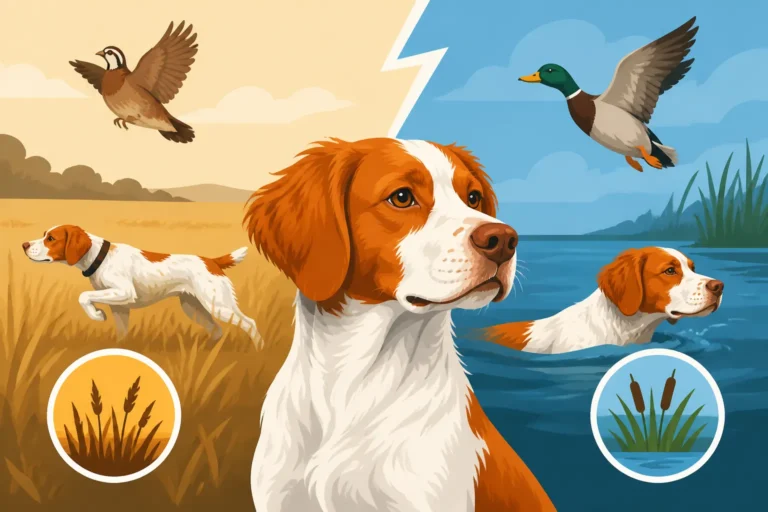
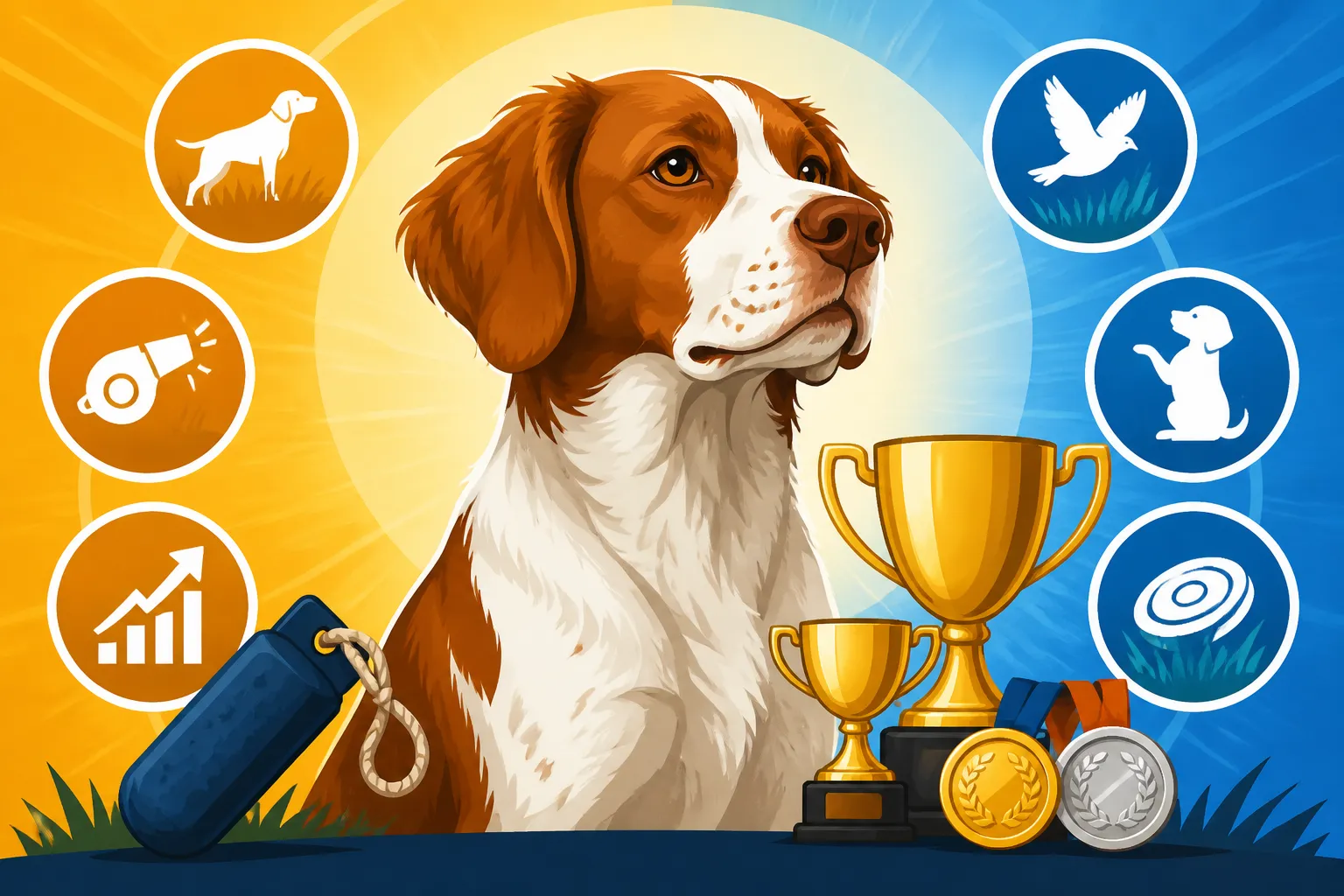
Achieving a Dual Championship—earning both a Field Champion (FC) or Amateur Field Champion (AFC) title and a Conformation Champion (CH) title—demands a delicate balance of physical conditioning and psychological control. A dog running a field trial must range out across wide fields, search heavy cover, and hold birds with ferocious intensity. Conversely, that same dog must step into a ring, stand calmly on a lead for a judge’s manual evaluation, and gait smoothly on a loose leash without bolting.
Understanding this dual pressure is essential before beginning formal work. When handlers rush the process, they often deaden the dog’s natural field drive or cause the dog to become overly animated and unruly during bench handler evaluation.
Maintaining Bird Drive While Teaching Show Precision
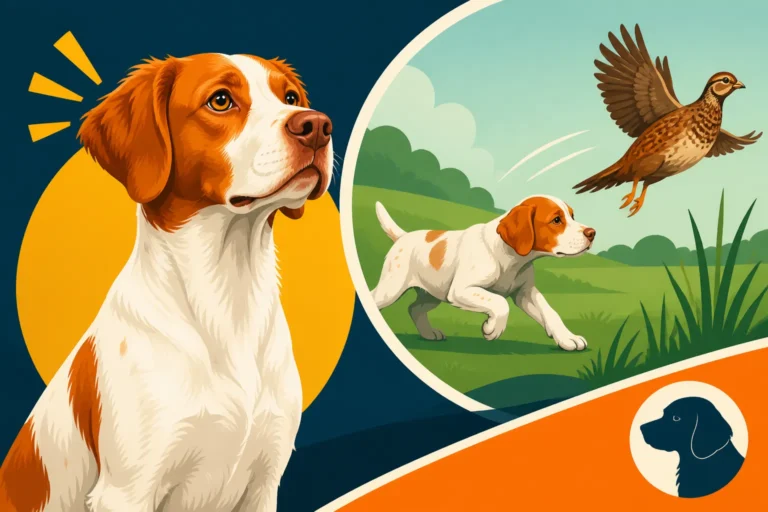
The primary hurdle in training a dual-prospect Brittany is separating the working mindset from the presentation mindset. In the field, you want maximum initiative, speed, and independent decision-making. In the show ring, you require obedience, stillness, and constant focus on the handler. If you apply heavy-handed control in the yard to force obedience, you risk dampening the bold, searching style that field trial judges look for.
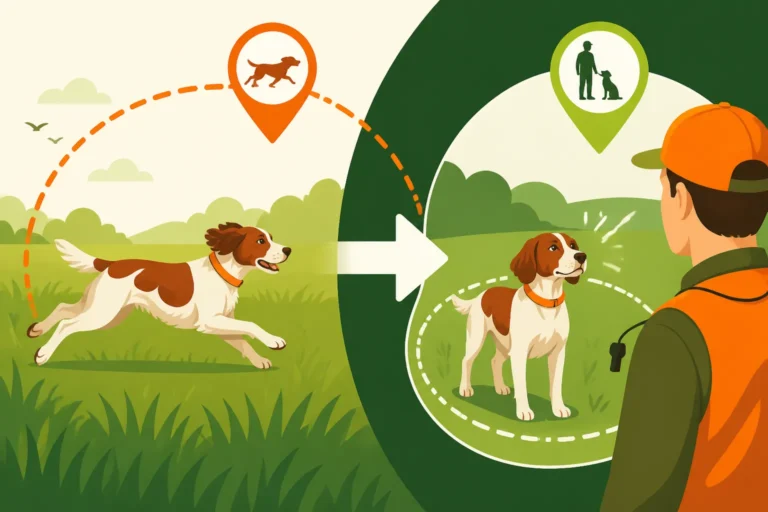
To keep drive high while building control, establish clear environmental context cues. Use distinct equipment for each venue. A brass-hardware leather collar or wide slip lead paired with a specific routine signals show time, while an e-collar, bright orange vest, and check cord signify field work. By strictly separating these contexts, your dog learns that stepping into the show ring requires calm focus, while entering the field releases their full hunting drive. There is a reason Why the Brittany Holds the Dual Champion Record above all other sporting breeds: their distinct capacity to switch mental gears when handled with consistency.
Physical Conditioning for Gait and Endurance
A dog cannot win in either arena without peak physical conditioning, but field conditioning and show conditioning require different emphasis. Field trialers need powerful cardiovascular endurance, tough foot pads, and dense muscle mass across the hindquarters to push through thick cover for extended heats. Show dogs need balanced muscle symmetry, clean movement from both front and side profiles, and an ideal weight that demonstrates stamina without appearing emaciated.
Running a dog hard on rough terrain builds tremendous muscle, but unstructured road work on hard pavement can cause joint strain or uneven shoulder development. Balance field runs with controlled exercise. Trot your dog on natural turf or sand to build smooth, ground-covering reach and drive without compromising joint health. Proper seasonal conditioning ensures that the dog maintains the correct rib cover and shoulder layback judges look for in the ring. Before hitting peak training phases, review Conditioning a Brittany Before the Season Opens to structure a safe, progressive physical fitness calendar.
Managing the Sensitive Temperament During High-Pressure Training
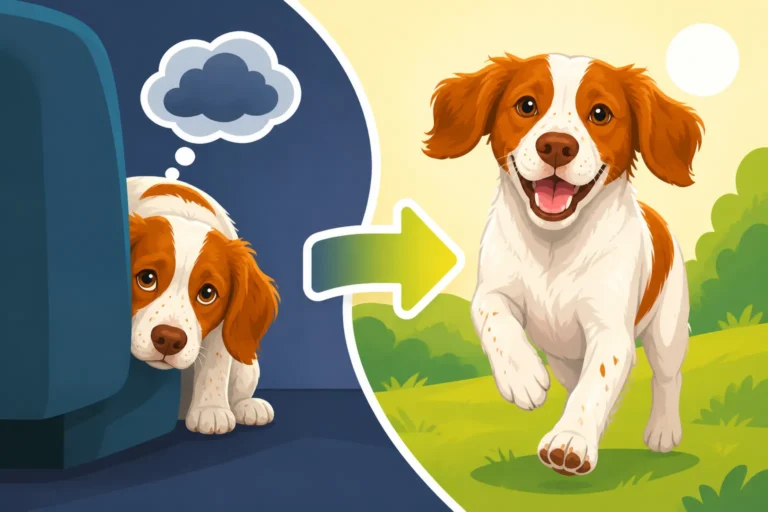
Brittanys are famously soft-tempered compared to many other pointing breeds. They respond poorly to harsh verbal reprimands or severe physical pressure. Understanding that The Brittany Is the Softest of the Pointing Breeds helps handlers avoid the trap of overly aggressive correction during yard drills. A Brittany subjected to harsh corrections will often shut down, dropping their tail and head, which destroys both their intensity on point and their proud stance in the show ring.
When addressing behavioral issues or yard obedience, focus on clear, low-pressure repetitions. Recognizing How Sensitive a Brittany Is to Correction allows you to adjust your training intensity before the dog loses confidence. Using structured positive-reinforcement routines at home, such as those taught through the step-by-step online coaching programs at BAXTER & Bella, helps build solid fundamental obedience and focus without breaking the dog’s spirit.
FIELD TRIAL REQUIREMENTS VS. SHOW RING STANDARDS
| Feature / Criteria | Field Trial Standards (FC/AFC) | Conformation Standards (CH) |
|---|---|---|
| Primary Focus | Bird finding, scenting, drive | Physical structure, breed standard |
| Range & Speed | Wide, fast, high-stamina quartering | Controlled, smooth trotting gait |
| Mindset Required | Independent, bold, aggressive search | Calm, submissive, handler-focused |
| Physical Appearance | Lean, hard muscle, functional coat | Balanced weight, well-groomed coat |
| Key Command / Drill | Whoa, steady to wing and shot | Stack, gait, teeth/bite check |
Step-by-Step Pathway to Field and Conformation Titles
Navigating the path to a Dual Championship requires a structured, multi-year plan. Rushing into advanced field trials before a dog has established point steadiness, or entering major dog shows before a dog has mature body mass, results in unnecessary setbacks. Successful campaign strategies divide training into distinct development phases.
Field Readiness: Pointing, Steadiness, and Range
Field training begins with building natural hunting instincts on live birds before layer upon layer of yard obedience is added. In the early stages, allow the puppy to chase and explore to build confidence. Once natural pointing instinct emerges, formal yard work begins with teaching the “whoa” command.
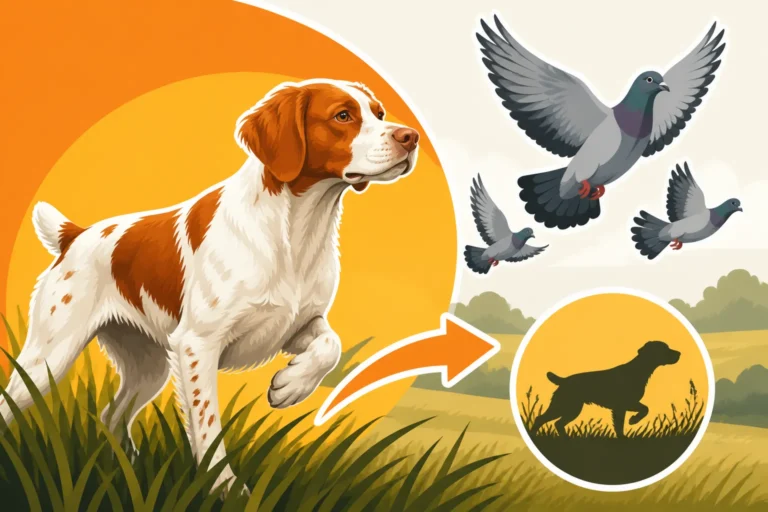
“Whoa” is the foundation of all field steadiness. The dog must learn to stop instantly on command and remain motionless until released, regardless of distractions. Master this drill on a flat lead and check cord before applying it to live bird scenarios. When transitioning to launcher birds or wild coveys, whoa training ensures the dog remains steady to wing and shot. Taking the time for Teaching a Brittany Whoa systematically prevents issues like creeping or bumping birds when stakes get high.
Ring Mechanics: Stacking, Gaiting, and Coat Management
Conformation training focuses on presenting the dog’s physical structure to its absolute best advantage. The dog must learn two primary skills: stacking (standing square with legs properly positioned under the body) and gaiting (trotting cleanly alongside the handler on a loose lead at a speed that highlights correct movement).
Start practice early in low-distraction environments. Teach the dog to bait—focusing intently on a treat held by the handler—to arch the neck and stack naturally without constant manual manipulation. Daily coat maintenance is equally vital. Running through briars and burrs during field training can tear feathering and damage coat texture. Sourcing high-quality slicker brushes, coat conditioners, and protective field vests on Amazon helps preserve the leg and belly feathering needed for a polished show presentation.
Integrating Daily Routines and Online Support
Balancing high-intensity field runs with subtle ring presentation requires a disciplined daily schedule. Short, focused ten-minute training sessions scattered throughout the week yield far better results than long, exhausting weekend workouts. Dedicate mornings to physical conditioning or bird work, and reserve evenings for stack practice, baiting, and table exams.
For handlers training their own dogs without a local club nearby, leveraging digital training resources is invaluable. Platforms like BAXTER & Bella provide structured guidance for house manners, lead control, and impulse management, establishing the behavioral baseline required before specialized gun dog or ring handlers take over. Maintaining steady indoor manners prevents house-held dual prospects from developing destructive habits between field runs. Owners frequently ask Whether a Show Brittany Can Still Hunt, and the answer depends entirely on keeping these dual routines active throughout the dog’s career.
Evaluating Field and Show Standards Simultaneously
To earn the dual title, a Brittany must prove it can satisfy two distinct sets of judges with very different priorities. Understanding how these evaluation systems overlap—and where they conflict—is key to managing your campaign.
Conformation Standards Alongside Hunting Ability
The AKC breed standard for the Brittany was written to preserve an efficient, agile hunting dog. Structural features penalised in the show ring—such as straight shoulders, shallow chests, or poor foot arch—directly impair a dog’s performance and endurance in the field. A dog with bad hip angles or weak pasterns will break down over a grueling three-day field trial.
Conversely, minor show faults that do not impact health or movement might not hinder a dog’s field performance at all. However, to win conformation points, the dog must closely conform to standard height, coat texture, proportion, and balance requirements. Experienced breeders routinely evaluate young dogs to determine if they possess both the bone structure for the ring and the fiery drive required for field competition. Questioning Whether a Field Brittany Can Be Shown usually comes down to checking whether the dog meets standard height and anatomical proportions despite a leaner field weight.
Gear, Logistics, and Professional Guidance
Campaigning a dual prospect requires significant logistical preparation and gear. Field work demands check cords, bird launchers, starter pistols, tracking collars, and high-protein performance nutrition. Show campaigns require table setups, grooming products, specialized show leads, and travel crates.
Many handlers source essential field gear, heavy-duty crates, and grooming kits on Amazon to ensure they have durable equipment capable of surviving rugged travel between trial grounds and show venues. Furthermore, handlers must decide whether to run the dog themselves or hire professionals. While many owners handle their own dogs in both venues, assessing Whether a Brittany Needs a Pro to Reach a Title helps set realistic expectations regarding time, travel, and competition level.
Long-Term Discipline: Keeping a Brittany Focused and Sound
A Dual Championship is rarely earned in a single season. It is a long-term campaign requiring years of consistent effort, physical preservation, and mental conditioning. Overworking a young dog leads to chronic fatigue, field burn-out, or joint injuries that prematurely end a promising career.
Preventing Burnout in High-Drive Dogs
Because Brittanys are intense, eager-to-please workers, they can easily be pushed past their mental limits. Signs of burnout include sticky points (refusing to flush or approach birds), sluggish gait in the show ring, lack of enthusiasm during setup, or sudden stubbornness during routine yard drills.
Prevent burnout by building deliberate rest periods into your calendar. Rotate intense field training blocks with light recreational swimming, free-running, or simple trick work. Keep yard sessions short and end every drill on a high note with plenty of positive praise. Rest days are as vital to muscle recovery and mental processing as working days.
Transitioning from Juvenile Titles to Adult Dual Championship
Most dual champions follow a structured title progression. Young dogs often begin by earning their Junior Hunter (JH) title or competing in field trial Puppy and Derby stakes, which evaluate raw drive, speed, and natural pointing instinct rather than finished steadiness. Simultaneously, young dogs gain experience in puppy show classes to acclimate to crowd noise, judge handling, and ring ringside distractions.
As the dog matures physically around two to three years of age, focus shifts toward earning major points in conformation shows while finishing steadiness training for Senior Hunter (SH), Master Hunter (MH), or adult Field Champion stakes. Earning an adult Dual Championship represents the pinnacle of sporting dog achievement—proving that the dog possesses both the functional beauty defined by the breed standard and the working heart of a true gun dog.
Disclaimer
This article is for general informational purposes only and does not constitute professional advice. Laws, prices and regulations vary by location and change over time. Consult a qualified professional for guidance on your specific situation.