Whether a Brittany Can Do Agility
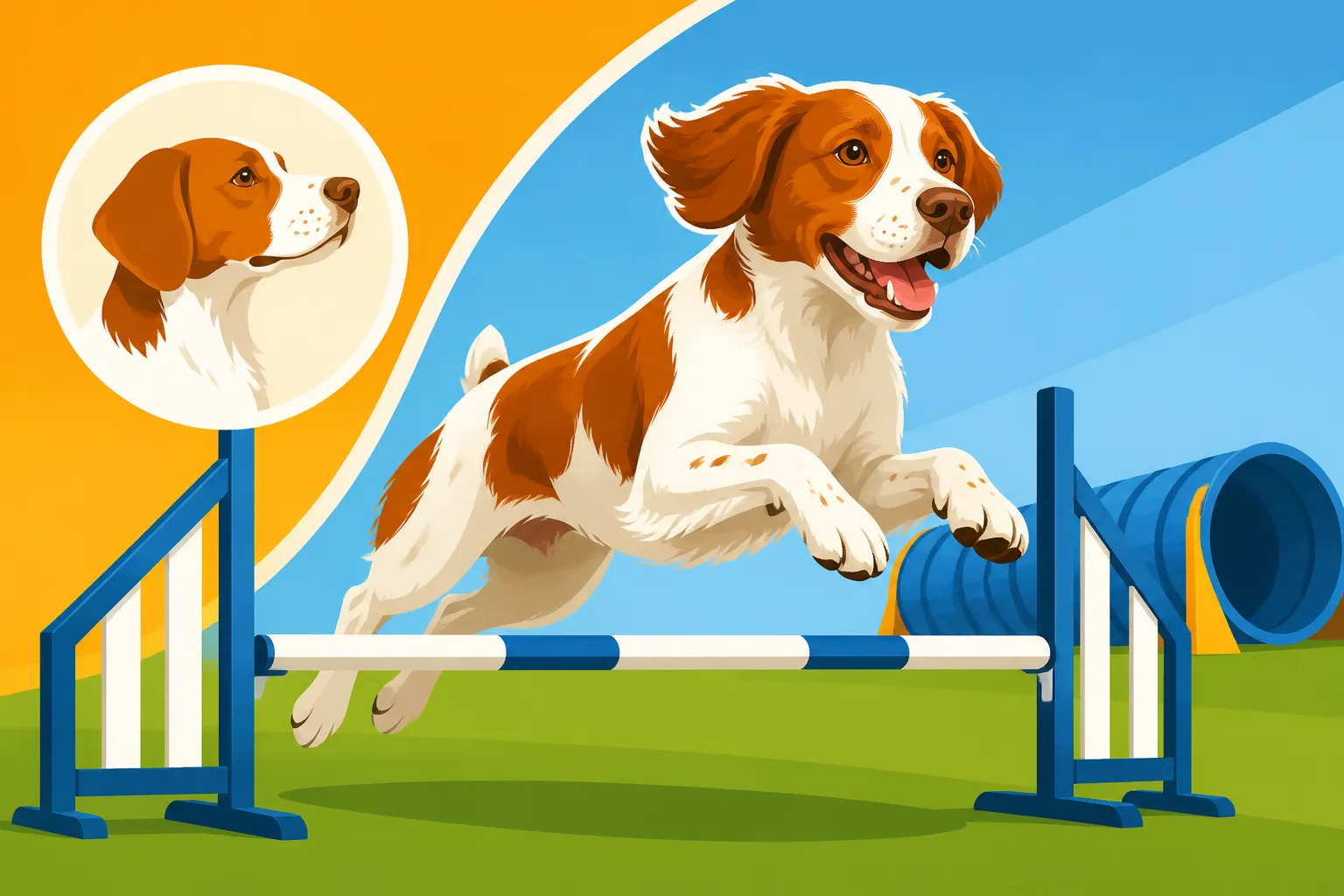
If you're a Brittany owner, you know your dog is a bundle of boundless energy, always ready for the next adventure. You might look at those sleek, focused dogs soaring over jumps and weaving through poles at agility trials and wonder if your bird-driven, sometimes independent Brittany could ever do that. The short answer is a resounding yes, but it comes with understanding their unique traits and channeling that incredible drive.
Why Brittanys Excel (and Sometimes Struggle) in Agility
Brittanys are truly special dogs, known for their unwavering dedication in the field and their affectionate nature at home. This combination of traits makes them surprisingly well-suited for a sport like agility, though their instincts do present some interesting quirks to navigate.
Natural Drive and Energy
Let's face it, a Brittany sitting still is a rare sight. These dogs are practically born with an internal motor running at full tilt. They possess an incredible amount of stamina, endurance, and an almost insatiable desire to be doing something. This isn't just about physical exercise; their minds are equally keen and crave engagement. In agility, this translates into a dog that loves to run, jump, and figure things out. They thrive on having a job, and navigating an agility course, with its intricate patterns and varied obstacles, provides that mental and physical challenge in spades.
Think about a typical day with your Brittany. A walk around the block just isn't enough, is it? They need to run, to explore, to use their nose, and to interact. Agility offers an incredible outlet for that pent-up energy, redirecting it into a structured, fun activity. You'll often see Brittanys attack the course with an enthusiasm that's truly infectious, their tail blurring as they power through tunnels and launch over hurdles. This inherent drive is a massive asset, as motivation is key in agility.
Biddability vs. Independence
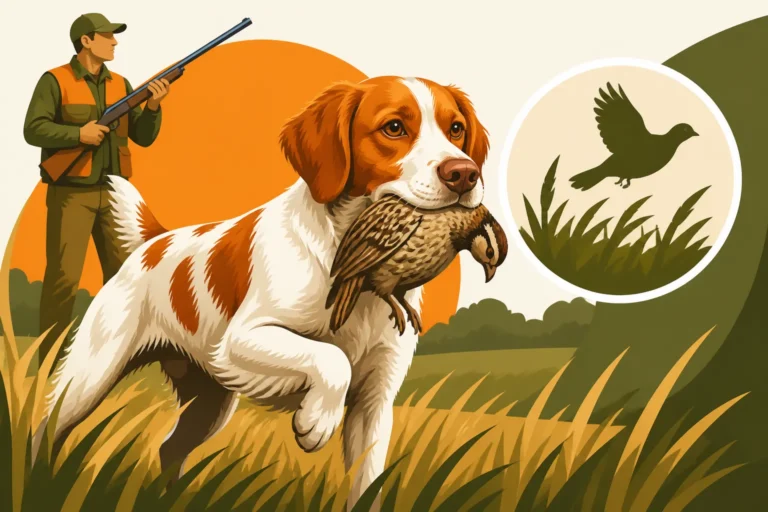
Here's where the Brittany charm really shines, and sometimes presents a delightful challenge. Brittanys are intelligent and, for the most part, quite biddable. They genuinely want to please their people, which is fantastic for training. They pick up new commands quickly and are eager for praise. However, they are also quintessential bird dogs, and that means their instincts run deep. When a scent wafts by, or a squirrel darts across the periphery of the training field, their focus can, shall we say, shift. This isn't stubbornness; it's instinct. It’s a core part of What a Brittany's Temperament Is Really Like.
In agility, this can mean a Brittany might suddenly decide that sniffing out a particularly interesting patch of grass is more important than the weave poles you're desperately trying to guide them through. Or they might see another dog retrieve a ball and momentarily forget their course. Overcoming this requires patience, consistency, and making agility the most exciting thing in the world. Positive reinforcement is your best friend here. If they associate staying focused with high-value treats and enthusiastic praise from you, they'll learn to manage those powerful instincts. Building a strong bond of trust and communication is paramount, so they choose to focus on you even when the world offers enticing distractions.
Physical Prowess
From a purely physical standpoint, Brittanys are practically built for agility. They are medium-sized dogs, typically standing between 17 and 20.5 inches at the shoulder and weighing 30-40 pounds. This athletic, well-balanced build gives them an advantage over much larger or much smaller breeds. They're compact enough to navigate tight turns and weave poles with grace, yet powerful enough to clear jumps and accelerate quickly. Their strong, muscular legs are designed for covering ground with speed and agility, precisely what's needed for an obstacle course.
Many Brittany owners can attest to their dogs' overall soundness and athleticism. They are generally a healthy breed, known for their robust constitution. The Brittany Is One of the Healthiest Sporting Breeds, making them good candidates for physically demanding sports. While hip and elbow screening is always important for any active breed, a well-bred Brittany often possesses the structural integrity to withstand the demands of agility training and competition for many years. Their quick reflexes and natural coordination make them adept at navigating the varied terrain and obstacles found in an agility ring, from the A-frame to the dog walk.
Getting Started with Agility Training for Your Brittany
So, you're convinced your Brittany has what it takes? Fantastic! Starting your agility journey can be incredibly rewarding. It’s not just about the ribbons; it's about the journey and the bond you build with your dog.
Building a Strong Foundation
Before you even think about tunnels and teeters, the absolute cornerstone of successful agility is a solid foundation in obedience. Your Brittany needs to respond reliably to basic commands like "sit," "stay," "come" (recall), and "down" in distracting environments. More importantly, they need to understand and respond to you as their handler. Focus is key. Teach them to make eye contact on command, to pay attention to your body language, and to respond to verbal cues. Positive reinforcement, with plenty of high-value treats and enthusiastic praise, will be your greatest tool.
Remember, Brittanys are "soft" dogs, meaning they respond best to gentle guidance and encouragement rather than harsh corrections. Why a Brittany Is Called Soft is something to keep in mind. A strong verbal marker, like "Yes!" or a clicker, paired with a treat, will help them understand exactly what behavior you're rewarding. Consistency is vital. Practice short, fun training sessions frequently, rather than long, grueling ones. How Long a Brittany's Training Session Should Be should generally be kept to 10-15 minutes to maintain their enthusiasm and focus. If you're looking for structured online programs to build this foundation at your own pace, platforms like BAXTER & Bella offer comprehensive puppy and dog training courses that can set you up for success before you step foot on an agility field.
Introducing Equipment Safely
Once your Brittany has a good grasp of basic obedience and a strong desire to work with you, you can start introducing them to agility equipment. The key here is gradual exposure and making it a positive, exciting experience. You don't want to force them or create any fear. Start with simple obstacles like tunnels and low jumps.
For tunnels, begin by having your Brittany walk through a short, straight tunnel with you on the other side, calling them enthusiastically. Gradually increase the length and curvature of the tunnel. For jumps, start with the bar on the ground and simply encourage them to walk over it. Slowly raise the bar, always keeping it low enough that they can clear it comfortably and confidently. You can even find introductory agility equipment on platforms like Amazon, from collapsible tunnels to small jump sets, to practice in your backyard. Never push your dog to do something they are uncomfortable with. If they hesitate, go back a step, use more treats, and build their confidence. The goal is to make every obstacle feel like the most fun game ever.
Finding the Right Class and Instructor
While backyard practice is a great start, professional instruction is invaluable for agility. Look for classes specifically designed for beginners, and more importantly, look for instructors who use positive reinforcement methods and have experience with high-drive sporting breeds. An instructor who understands that a Brittany might momentarily lose focus due to scent or sight of a bird, and can offer strategies to redirect them, will be far more beneficial than one who expects robotic precision from day one.
Visiting a class before enrolling is a great idea. Observe how the instructor interacts with the dogs and handlers, and how the dogs are responding. A good instructor will emphasize safety, fun, and building confidence in both you and your Brittany. They'll teach you how to properly handle your dog on course, read their body language, and understand the flow of an agility pattern. These classes also provide an excellent socialization opportunity for your Brittany, exposing them to new environments, people, and other dogs in a structured, positive setting.
Beyond Competition: The Benefits of Agility for Your Brittany
Even if you never step foot in a competition ring, engaging in agility training with your Brittany offers a wealth of benefits that enhance their overall well-being and strengthen your relationship.
Mental and Physical Stimulation
Brittanys are not meant to be sedentary companions. They need serious outlets for their intelligence and energy. How Much Exercise a Brittany Needs Off Season is significant, and agility provides a perfect blend of high-intensity physical activity and complex problem-solving. Running an agility course requires your Brittany to think, listen to your cues, navigate obstacles, and make quick decisions, all while moving at speed. This incredible mental workout is just as important as the physical one.
Without adequate stimulation, a Brittany's boundless energy can easily turn destructive. What an Under Exercised Brittany Does at Home often includes chewing furniture, digging holes, excessive barking, or developing separation anxiety. Agility can be a powerful antidote to these common behavioral issues. By giving them a constructive, engaging activity, you satisfy their innate need to work and explore, leaving them happily tired and content at the end of the day. It's a fantastic way to prevent boredom-related problems before they even start.
Strengthening Your Bond
Agility is a true team sport. You and your Brittany work together as a cohesive unit, communicating through verbal cues, hand signals, and body language. This intense cooperation fosters a deeper understanding and trust between you. You learn to read your dog's subtle signals, anticipate their movements, and understand what motivates them. Your Brittany, in turn, learns to trust your guidance, relying on you to show them the way through the course.
The shared experience of learning, practicing, and celebrating successes (even small ones!) builds an unbreakable bond. The joy you'll both experience when your Brittany successfully navigates a challenging sequence or nails a weave pole entry is incredibly rewarding. This deepened connection spills over into all other aspects of your life together, making your Brittany a more attentive, engaged, and happier companion. As your Brittany learns to Whether a Brittany Reads Your Mood and you learn to read theirs, your partnership will flourish.
Health and Longevity
Keeping your Brittany physically active and mentally engaged throughout their life is crucial for their health and longevity. Agility, when done safely and progressively, is an excellent way to maintain muscle tone, joint flexibility, and cardiovascular fitness. A fit dog is a healthy dog, less prone to obesity and the health issues that come with it.
Regular, appropriate exercise helps support joint health by keeping muscles strong around the joints. It also contributes to a healthy metabolism and a strong immune system. For an aging Brittany, scaled-down agility exercises can still provide valuable mental and physical enrichment, helping to keep their minds sharp and bodies moving. While The Twelve to Fourteen Years a Brittany Gets is the average lifespan, consistent, enriching activities like agility can contribute to a good quality of life throughout those years. Always consult with your veterinarian before starting any new strenuous activity, especially as your Brittany gets older, to ensure they are physically sound and ready for the demands of agility.
Common Agility Challenges and How Brittanys Overcome Them
No dog is perfect for every sport, and Brittanys, with their unique set of drives, come with their own set of delightful challenges in agility. But with understanding and the right approach, these can absolutely be overcome.
The Distraction of a Scent
This is probably the biggest hurdle for many Brittany owners in agility. Their noses are incredibly powerful, and a fascinating scent on the ground (from previous dogs, wildlife, or even just spilled treats) can be an irresistible siren call. You're trying to cue them into a tunnel, and they've got their nose plastered to the ground, lost in a world of odors. It's not malicious; it's simply their breeding.
To overcome this, you need to make you and the game more exciting than any scent. Use incredibly high-value rewards – think cooked chicken, cheese, or whatever your Brittany goes absolutely wild for. Practice focus exercises in increasingly distracting environments. Teach them a strong "leave it" command that applies to ground scents. Some handlers use a specific "working" collar or harness that signals "game on," helping the dog understand it's time to ignore distractions. Keeping sessions fast-paced and rewarding correct choices quickly also helps. Over time, your Brittany will learn that while the smells are interesting, the rewards for working with you are far, far better.
Maintaining Enthusiasm Without Overdrive
Brittanys are enthusiastic! This is a wonderful trait, but sometimes their excitement can tip into overdrive, making them frantic or less precise on course. They might zoom past an obstacle, bark excessively, or knock down jumps in their eagerness. The goal is focused enthusiasm, not uncontrolled chaos.
This often comes down to managing arousal levels. Teach your Brittany a "settle" cue before and after runs. Incorporate calm, focused warm-ups and cool-downs. During training, if you notice them getting too frantic, take a short break. Play a quick game of tug, then reset. Reward calm, focused energy. Sometimes, a dog gets so excited they can't think straight. Learning to recognize the signs of your Brittany getting overstimulated is crucial. Then, you can step back, calm the energy, and return to the exercise with a clear head. Think of it as teaching them to channel their incredible energy into controlled bursts of brilliance, rather than an uncontrolled explosion. How Affectionate a Brittany Is means they're usually tuned into your emotions, so your calm demeanor will help them maintain theirs.
Overcoming Specific Obstacle Fears
While many Brittanys are bold and fearless, some might have a momentary hesitation or fear about a particular obstacle. The teeter-totter, with its movement and sound, is a common one. Tunnels can feel claustrophobic to some. Or perhaps your Brittany is wary of the contact obstacles (A-frame, dog walk) where they have to go up high.
Patience is the ultimate virtue here. Never force your Brittany onto or over an obstacle. Break down the obstacle into its smallest, least intimidating parts. For a teeter, start by just letting them walk across the flat plank, then introduce a tiny bit of movement, rewarding heavily for any brave step forward. For tunnels, start with them collapsed or in a straight line, slowly extending and bending them. Use lots of praise and treats. Make it a positive game, never a challenge where they feel pressured. You might even want to attend Whether a Brittany Needs Puppy Class at a local training center to build their confidence with novel objects and sounds from an early age. Remember, their trust in you is paramount, and if you push them too hard, you risk eroding that trust. Take your time, celebrate every tiny success, and your Brittany will eventually gain the confidence to tackle anything.
Brittany Agility Traits at a Glance
Here's a quick summary of how a Brittany's inherent traits often play out in the agility arena:
| Trait | Agility Advantage | Agility Challenge | Training Strategy |
|---|---|---|---|
| High Energy | Sustained speed and endurance on course | Can lead to frantic, uncontrolled runs | Focus on controlled bursts, regular breaks, mental puzzles |
| Biddable/Intelligent | Quick to learn, eager to please, enjoys problem-solving | Can be distracted by instincts (scent, prey) | High-value rewards, strong "leave it," consistency, make it fun |
| Athletic Build | Agile, powerful jumps, quick turns, good balance | N/A | Focus on proper form to prevent injury |
| Strong Nose | N/A | High distraction from ground scents | High-value rewards, focus games, specific working cues |
| Sensitive Nature | Responsive to handler, eager for praise | Can shut down with harsh corrections | Positive reinforcement, gentle guidance, celebrate small wins |
| Curious/Exploratory | Enthusiastic to try new obstacles | May wander off course to investigate new things | Clear handling, consistent cues, keep their focus on the task |
As you can see, the Brittany's characteristics that make them such phenomenal hunting dogs and beloved family members also translate beautifully (with a little guidance!) to the exciting world of dog agility. It's a journey that promises fun, fitness, and a truly unbreakable bond.
Disclaimer
This article is for general informational purposes only and does not constitute professional advice. Laws, prices and regulations vary by location and change over time. Consult a qualified professional for guidance on your specific situation.