Whether a Brittany Escapes a Fence
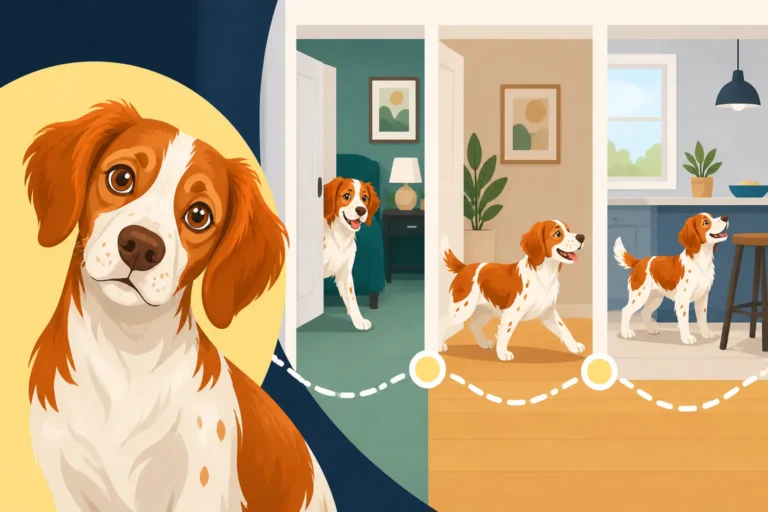
Oh, the age-old question for Brittany owners: "Will my furry shadow try to make a break for it?" It’s a completely valid concern, and if you’ve ever owned a high-energy, intelligent, and scent-driven dog like a Brittany, you know that keeping them securely contained can feel like a full-time job. Many new owners, and even seasoned ones, find themselves scratching their heads, wondering how their seemingly loyal companion suddenly developed Houdini-like tendencies. This guide will walk you through why Brittanys are often such adept escape artists and, more importantly, what practical steps you can take to make your yard a Fort Knox of canine containment.
The Brittany's Drive to Explore and Escape
Brittanys are truly magnificent dogs, brimming with energy, intelligence, and an insatiable curiosity that makes them incredible hunting companions and active family members. But these very traits, when not properly managed, can unfortunately transform them into master escape artists. Understanding why they try to escape is the first step toward preventing it.
Why a Brittany Is Prone to Escaping
Let's be real: your Brittany isn't trying to run away from you. They're typically devoted, loving dogs. What they are driven by is their instinct. A Brittany is a sporting dog through and through, bred for generations to cover ground, follow scents, and hunt birds. This means they possess an incredible prey drive and an inherent desire to explore. If a squirrel darts across the yard, if there's an interesting smell just beyond the fence line, or if they simply haven't had enough mental and physical stimulation, that fence suddenly looks less like a barrier and more like a challenge. Their high energy levels mean they have a constant need to do something, and if that "something" isn't provided by you, they'll find it themselves. They are smart, too. They learn quickly, and if they discover a weakness in your fence, they'll exploit it repeatedly. You might be interested in reading about What an Under Exercised Brittany Does at Home to understand the core behavioral issues that can lead to escape attempts.
Common Escape Tactics
Brittanys are not one-trick ponies when it comes to escaping. They can be incredibly resourceful, often combining several tactics to achieve their goal.
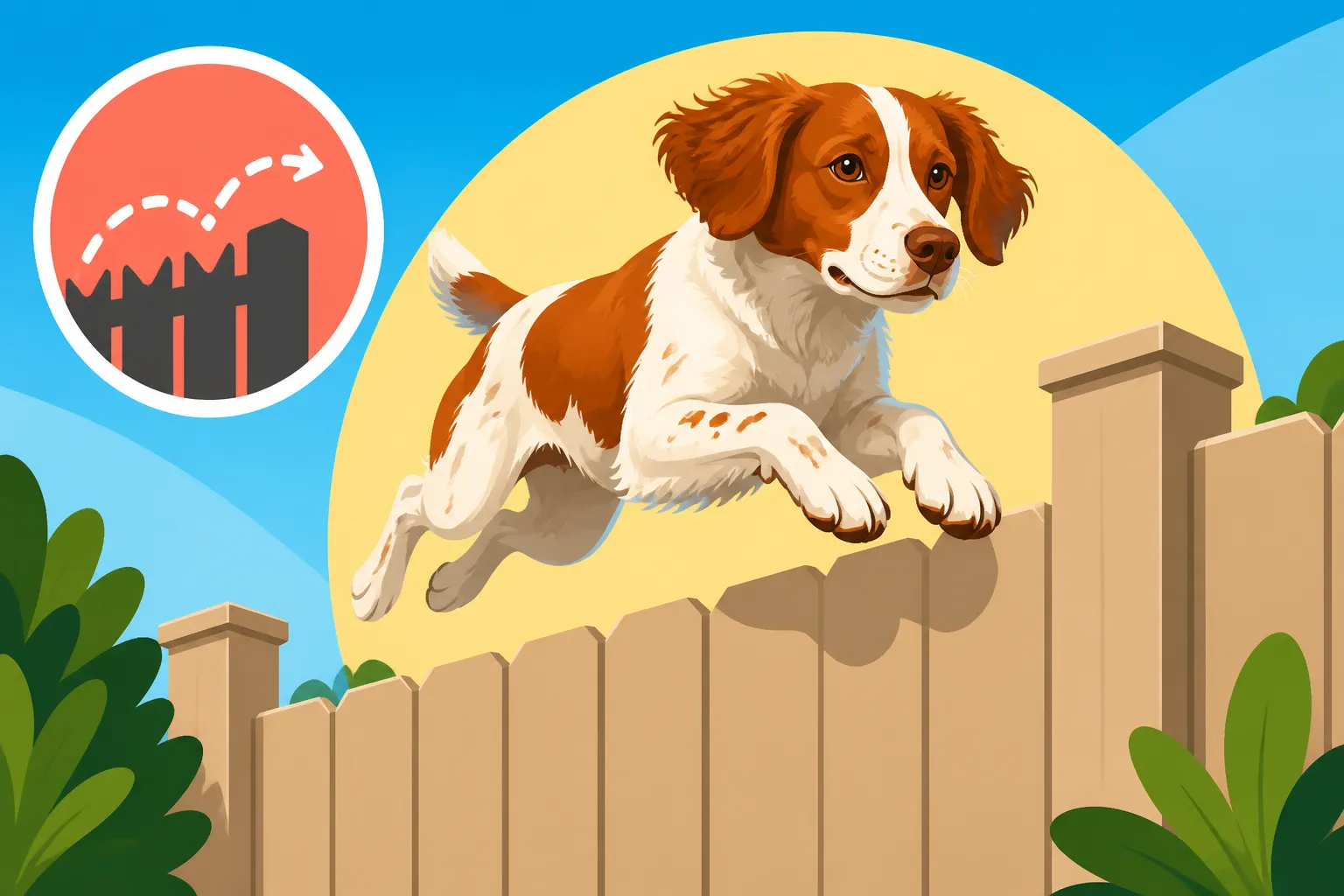
- Jumping: Brittanys are athletic and agile. A fence that seems reasonably tall for many dogs might just be a warm-up for a determined Brittany. They can get surprising height and often use any slight protrusion or even a low branch as a stepping stone.
- Digging: Their strong noses mean they're often following underground scents or just trying to get to whatever tantalizing smell is on the other side. They can dig surprisingly fast and deep, especially if the ground is soft or if they've found a weak spot at the base of the fence. If you've ever wondered Whether a Brittany Digs, the answer is a resounding yes!
- Climbing: This one can catch owners off guard. While they aren't cats, a chain-link fence can become a ladder for a nimble Brittany, especially if their nails are kept long and they can get purchase. Even a wooden fence with horizontal slats can offer enough footholds.
- Gate-Crashing and Lock-Picking: Never underestimate a Brittany's ability to figure out simple latches. They might bump a loose gate, wiggle a poorly secured latch, or even figure out how to operate a lever handle with their nose or paw if it's within reach. Leaving a gate ajar for even a second can be all the invitation they need.
Assessing Your Current Fence for Brittany Security
Now that you know their tricks, it's time to inspect your existing fortress. No fence is truly escape-proof if your Brittany is determined enough, but you can certainly make it a lot harder for them.
Fence Height and Material Considerations
When it comes to fences, one size does not fit all, especially for a Brittany.
- Height is Key: For most Brittanys, a standard four-foot fence is simply not enough. Many can clear it with a good jump, especially if motivated. A minimum of a six-foot fence is generally recommended for the breed. Some especially athletic or determined individuals might even need higher. Remember, How High a Fence a Brittany Needs often depends on the individual dog's athleticism and motivation, but aiming higher is always safer.
- Chain-Link Fences: While durable, chain-link presents a climbing opportunity for some Brittanys. The mesh provides footholds, making it easier for them to scale. If you have chain-link, consider adding an angled extension inward at the top to deter climbers or plant thick shrubbery along the inside.
- Wooden Privacy Fences: These can be great because they block visual stimuli, reducing the temptation of squirrels or passersby. However, ensure the slats are close together and sturdy. If there are horizontal support beams on the inside, these can act as a ladder. Make sure the smooth side faces inward.
- Invisible Fences: These are a contentious topic among Brittany owners. While they can be effective for some dogs, many Brittanys, especially those with high prey drive, will blow right through the static correction if a rabbit or bird beckons. They learn that the zap stops once they cross the boundary, and the reward (the chase!) is often worth the momentary discomfort. They also don't stop other animals from entering your yard, which can be a problem. For a working dog like a Brittany, relying solely on an invisible fence is generally not recommended.
Addressing Digging and Climbing Risks
You've got your fence height, but what about those clever diggers and climbers?
- For the Diggers: This is where you need to get creative at the base of your fence. One effective method is installing an "L-footer." This involves burying a section of wire mesh (like hardware cloth or chicken wire) horizontally along the base of the fence, extending inward into the yard. When your Brittany tries to dig, they hit the buried wire and are deterred. You can also bury concrete blocks, large rocks, or a deeper section of fence material along the bottom. For a more permanent solution, a concrete footer poured along the entire fence line is virtually dig-proof. For items like buried wire or coyote rollers, you can often find suitable materials and hardware on online marketplaces like Amazon.
- For the Climbers: If your Brittany is attempting to scale fences, consider adding a "coyote roller" or slanted fence extensions. Coyote rollers are smooth, round bars installed along the top of the fence. When a dog tries to jump or climb, they can't get purchase on the rolling bar and fall back into the yard. Slanted extensions, usually made of wire mesh or additional fencing, angle inward at the top of your existing fence, making it impossible for a dog to clear the top. Ensure there are no convenient objects near the fence—like woodpiles, trash cans, or lawn furniture—that your clever Brittany could use as a launchpad.
Here’s a quick comparison of common fence types and their escape vulnerabilities:
| Fence Type | Pros | Cons | Brittany Vulnerabilities | Recommended Height | Digging Solutions | Climbing Solutions |
|---|---|---|---|---|---|---|
| Chain-Link | Affordable, good visibility | Climbed easily, doesn't block visual stimuli | Climbing, jumping | 6 ft + | L-footer, buried wire | Angled extensions, rollers |
| Wooden Privacy | Blocks visual stimuli, attractive | Can have footholds, weather damage | Jumping, digging | 6 ft + | L-footer, concrete footer | Smooth interior, rollers |
| Welded Wire | Strong, good visibility, dig-resistant | Can be jumped | Jumping, some climbing (if loose) | 6 ft + | Bury bottom, concrete | Rollers |
| Invisible | Aesthetically pleasing, no physical barrier | Unreliable, pain-based, no barrier to entry | Blows through correction | N/A | N/A | N/A |
| Solid Masonry | Very secure, durable | Expensive, labor-intensive | None (unless low or gapped) | 6 ft + | Built-in footer | Rollers (if applicable) |
Training and Management to Prevent Escapes
A secure physical fence is crucial, but it's only one piece of the puzzle. The other, equally vital part, is how you manage and train your Brittany.
The Importance of Exercise and Mental Stimulation
A bored Brittany is a destructive Brittany, and an under-exercised Brittany is an escape-prone Brittany. They were bred to work for hours in the field, so expecting them to be content with a quick trot around the block is unrealistic. They need significant daily exercise to burn off their abundant energy. This means long, vigorous walks, runs, hikes, or dedicated play sessions where they can really stretch their legs. Think beyond just physical exercise; mental stimulation is equally important. How Much Exercise a Brittany Needs Off Season is a great resource to help you plan their routine.
Puzzle toys, obedience training sessions, scent games (like hide-and-seek with treats), and even just learning new tricks can tire out their busy minds. A Brittany that is well-exercised, both physically and mentally, is a much calmer and more contented dog, and far less likely to seek "adventure" beyond your fence. If you find your Brittany constantly pacing the fence line or looking for opportunities to bolt, a lack of adequate stimulation is often the root cause.
Training for Recall and Boundary Awareness
Even with the most secure fence, things happen. A gate might accidentally be left open, or a strong storm could damage a section of fencing. This is where a rock-solid recall becomes your ultimate backup plan. A Brittany with a reliable "come" command can be the difference between a minor scare and a lost dog. Start recall training early, make it fun and rewarding, and practice it in various environments with increasing distractions. Consistency is key. You'll want to aim for How Reliable a Brittany's Recall Is to ensure your dog responds even when highly motivated by a scent.
Beyond basic recall, teaching your Brittany boundary awareness within your yard can also be beneficial. This isn't about an invisible fence system, but rather training them to understand the perimeter. You can do this by walking the fence line with them on a long lead, rewarding them for staying within the bounds, and gently correcting any attempts to investigate or challenge the fence. Programs offered by trainers or online resources, like those you might find through BAXTER & Bella, often have modules dedicated to teaching boundaries and strengthening recall in a positive way.
Additional Security Measures and Considerations
Sometimes, it's the little things that make the biggest difference in keeping your Brittany safely contained.
Double Gating and Secure Latches
It might sound obvious, but inspect all gates regularly. Are the hinges secure? Is the latch sturdy and difficult for a dog to manipulate? A simple hook-and-eye latch might not be enough. Consider investing in a heavy-duty, spring-loaded gate latch or even a lockable one. For maximum security, especially if your gate leads directly to an unsecured area or a busy street, consider a double-gating system. This means having two gates in series, so if one is accidentally left open, there's still another barrier before your dog can get out. This is particularly smart for areas where people frequently enter and exit, like a side yard leading to a shed. A quick trip to a hardware store or a browse on Amazon can yield many robust latching options.
Microchipping and ID Tags
Despite all your best efforts, an escape can still happen. This is why having proper identification for your Brittany is non-negotiable.
- ID Tags: Every Brittany should wear a collar with an up-to-date ID tag. This tag should include your dog's name, your name, and at least one current phone number. Many good Samaritans will call the number on the tag immediately, leading to a swift reunion. Make sure the tag is securely attached and the information is legible.
- Microchipping: This is a permanent form of identification. A tiny chip, about the size of a grain of rice, is inserted under your dog's skin. If your Brittany is found and taken to a vet clinic or animal shelter, they can scan for the chip, retrieve your contact information from the microchip registry, and get your dog back to you. Always ensure your microchip registration information is current whenever you move or change phone numbers. It’s also wise to consider Whether a GPS Collar Is Worth It on a Brittany for real-time tracking, especially if your dog is prone to ranging widely or you hunt in dense cover.
Securing your yard and training your Brittany takes effort and consistency, but the peace of mind knowing your beloved companion is safe is truly priceless. Every dog is an individual, so observe your Brittany's specific escape tendencies and tailor your solutions accordingly.
Disclaimer
This article is for general informational purposes only and does not constitute professional advice. Laws, prices and regulations vary by location and change over time. Consult a qualified professional for guidance on your specific situation.