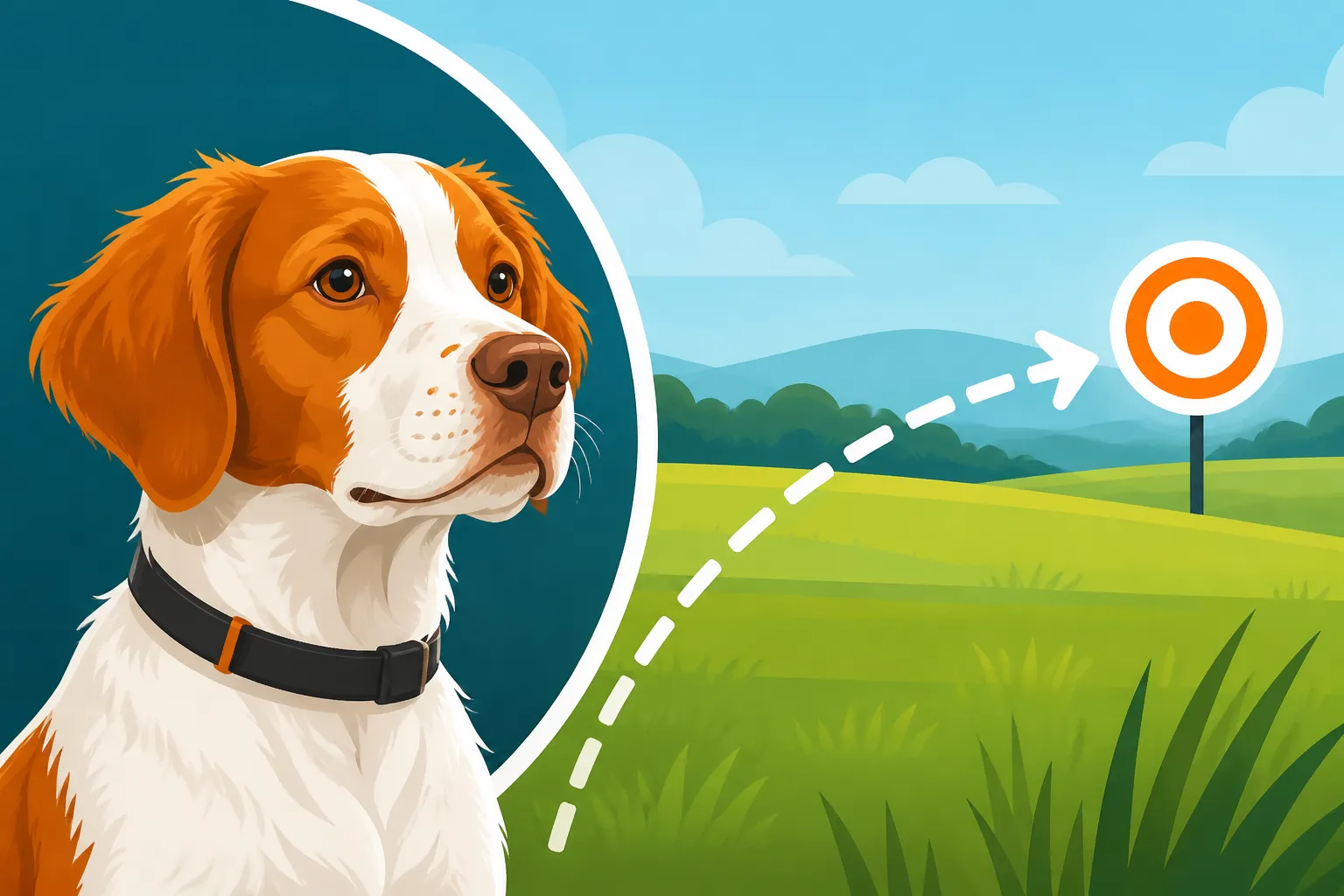
How Far Away a Brittany’s First Shot Should Be
The moment you decide to introduce your eager Brittany Spaniel to the exciting world of bird hunting, a common and perfectly natural anxiety surfaces: how do you ensure their first experience with gunfire doesn't scar them for life? It's a valid concern, as a single misstep can create a gun-shy dog, ruining their potential as a hunting partner. This comprehensive guide will walk you through the careful, deliberate steps needed to introduce your Brittany to gunshots, focusing on the crucial starting distance that sets them up for success.
Understanding Your Brittany's Temperament and Sound Sensitivity
Brittany Spaniels are exceptional hunting dogs, renowned for their intelligence, bird drive, and affectionate nature. However, like many pointing breeds, they possess a sensitive spirit that requires a thoughtful approach, especially when it comes to loud, sudden noises like gunfire. Ignoring this inherent sensitivity can derail a promising hunting career before it even begins.
Why Brittanys Can Be Prone to Gun Shyness (The "Soft Dog" Factor)
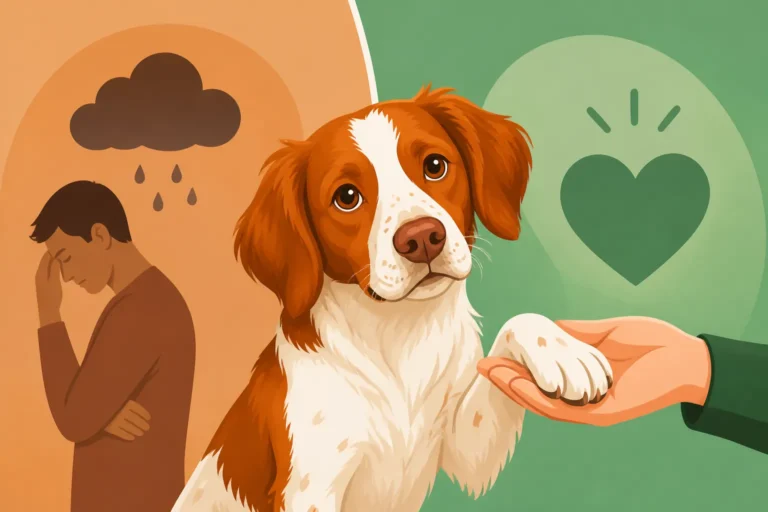
Brittanys are often described as "soft" dogs, a term that doesn't imply weakness but rather a high level of responsiveness and sensitivity to corrections and experiences. Their keen senses, particularly hearing, are a tremendous asset in the field for locating birds, but they can also be a liability if not managed carefully during gun introduction. A Brittany's brain is wired to associate cause and effect quickly. If their first experience with a gunshot is terrifying or painful, that negative association can become deeply ingrained, overriding even the strongest natural bird drive.
It's not just about the loudness; it's about the unexpected nature of the sound and the potential for a negative emotional response. Some Brittanys come from lines that are naturally bolder and more resilient, while others are inherently more timid or easily startled. Understanding your individual dog's personality and lineage is crucial. A harsh correction, an accidental loud bang too close, or a startling event during their early development can stick with them. As we often say, The Brittany Is the Softest of the Pointing Breeds, and this characteristic extends to their reaction to loud noises. You have to handle them with care, building trust and positive associations.
Recognizing the Early Signs of Sound Aversion
Before you even think about introducing gunfire, it’s vital to observe your Brittany's general reaction to everyday loud noises. Do they flinch at a dropped pan? Are they curious about distant fireworks, or do they cower? Subtle cues can tell you a lot. Look for:
- Ear twitching or flattening: A quick reaction of the ears, often accompanied by a shift in gaze.
- Body stiffening or crouching: A tense posture, indicating readiness to flee or brace themselves.
- Head snapping around: An abrupt movement to locate the source of the sound, often with wide eyes.
- Panting or yawning excessively: These can be stress signals, especially if not associated with heat or fatigue.
- Licking lips or averting gaze: Often subtle signs of discomfort or anxiety.
- Attempting to escape: Trying to get away from the sound source, even if it's just moving to the other side of your body.
It’s important to differentiate between being startled, which is a natural response, and showing genuine fear or aversion. A dog that is merely startled might look towards the sound, perhaps jump slightly, but then quickly recover and return to its activity. A dog showing aversion will display more prolonged or intense signs of distress. Catching these early signs means you can adjust your approach and avoid pushing them into a truly fearful state. Your Brittany often reads your mood, so staying calm and confident yourself is key to helping them feel secure.
The Importance of a Controlled First Impression
You only get one chance to make a first impression, and with gunfire, this couldn't be truer. A single negative experience can create a gun-shy dog that is incredibly difficult, if not impossible, to rehabilitate fully. This is why a controlled, gradual introduction from a significant distance is non-negotiable. The goal is to build a positive association with the sound, making it part of an exciting, rewarding experience rather than a terrifying one.
Think of it as laying a foundation. You wouldn't build a house on shaky ground, and you shouldn't build a gun dog's confidence on a foundation of fear. Many Brittany owners find that the patience invested in this initial phase pays dividends for the dog's entire hunting career. A dog that is confident and comfortable with gunfire will perform better, be less stressed, and ultimately be a more joyful companion in the field. Rushing this process, or exposing them to an overwhelming sound too early, can lead to a dog that remembers that bad session for a very long time, and undoing that can be a heartbreaking and lengthy process. How Long a Brittany Remembers a Bad Session speaks to just how critical this initial phase is.
Pinpointing the Perfect Starting Distance for Gun Introduction
This is the million-dollar question for many new Brittany owners, and for good reason. There isn't a one-size-fits-all answer, but there are clear guidelines to maximize your dog's success and prevent irreversible damage. The core principle is always to err on the side of caution.
The Golden Rule: Start Far, Far Away
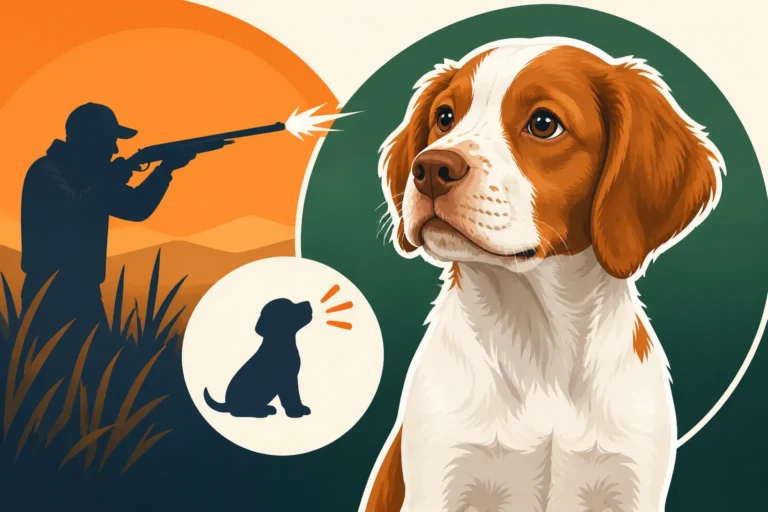
For a Brittany's very first introduction to a gun sound, your goal is for the sound to be barely perceptible to them. This means starting at a significant distance – often 75 to 100 yards away, and for more sensitive individuals, even 150 to 200 yards or more. The farther, the better, for the initial exposure. You want the dog to notice something, but not to be startled or perceive it as a threat.
Imagine this scenario: you're in an open field with your Brittany, engaged in something fun like retrieving a dummy or playing with a favorite toy. A helper, out of sight or at a great distance, fires a very low-caliber shot, like a .22 blank pistol or even a cap gun. The sound should be faint, almost like a distant popping noise. Your Brittany might perk its ears, but it should quickly return its focus to the game or treat you're offering. If they react with fear, you're too close. Period. Move farther away and try again another day. Remember, the environment matters too. An open field allows sound to dissipate more, while a wooded area or valley can amplify it or create echoes.
Factors Dictating How Close You Can Get
Several variables influence what "far enough" truly means for your specific Brittany:
- Individual Dog's Confidence: A naturally bold, outgoing Brittany might tolerate a closer starting distance than a shy, reserved one. Spend time observing your dog in various situations.
- Breed Lineage: Some Brittany lines have been intentionally bred for strong nerves and minimal gun shyness, while others might carry more sensitivity. Ask your breeder about their experiences.
- Type of Firearm: A .22 blank pistol or a cap gun is far less intimidating than a 12-gauge shotgun. Always start with the quietest option and gradually increase the intensity. Whether a Starter Pistol Suits a Brittany is a resounding yes for initial conditioning.
- Environmental Factors: Wind direction can carry sound more effectively, making a distant shot seem closer. Cover, like dense woods, can muffle sound but also create startling echoes. Consider open, calm environments for the first few sessions.
- Distractions: The more engaged your Brittany is in a positive activity (like playing fetch or eating a high-value treat), the less likely they are to focus solely on the sound with fear.
The key is flexibility. There's no magic number for How Far Away a Brittany's First Shot Should Be. It's a dynamic assessment based on your dog's reaction and the conditions of the day. Never force it. If in doubt, increase the distance.
Assessing Your Brittany's Reaction to Distant Sounds
After your helper fires the distant shot, what do you look for in your Brittany? The ideal reaction is mild curiosity, followed by an immediate return to whatever positive activity you were engaged in. They might:
- Perk their ears: A sign they heard something new.
- Turn their head briefly: A quick scan for the source.
- Wag their tail and continue playing: This is the gold standard!
If your Brittany shows any signs of apprehension – a flinch, a sudden halt in play, a tuck of the tail, or an attempt to move away – you were too close. Stop the session immediately. Do not try to soothe them or shower them with attention for being scared, as this can inadvertently reward the fearful behavior. Simply end the session, perhaps with a final positive command like "good dog!" and a treat, and try again another day from a much greater distance. The goal is complete indifference or positive curiosity, not just tolerance. Pay close attention, as your dog’s body language will tell you everything you need to know about whether they are comfortable.
A Gentle, Progressive Plan for Gun Acclimation
Once you've established the "far away" starting point, the process of truly acclimating your Brittany to gunfire becomes a systematic, positive reinforcement journey. This isn't a race; it's a marathon where consistency and patience are your most valuable tools.
Associating Gunfire with Positive Experiences
The cornerstone of successful gun introduction is pairing the sound with something incredibly rewarding for your Brittany. This creates a positive conditioned emotional response, transforming a potentially frightening noise into a signal for good things to come.
The Shot-and-Treat Method: This is where your helper comes in handy. While your Brittany is happily engaged with you (playing tug, retrieving a favorite toy, or intensely focused on eating high-value treats), your helper fires a very distant, low-caliber shot. The instant the sound occurs, enthusiastically praise your dog and give them the best treat they've ever tasted or toss their favorite toy for a retrieve. The timing is crucial: the shot must precede or coincide with the reward. Over several sessions, gradually decrease the distance the helper is from your dog, always ensuring the reward is immediate and high-value. The goal is for your Brittany to think, "Oh, a shot! Something awesome is about to happen!" We recommend a starter pistol for this. Whether a Starter Pistol Suits a Brittany is an important consideration as it provides a consistent, lower-decibel sound that is perfect for initial training.
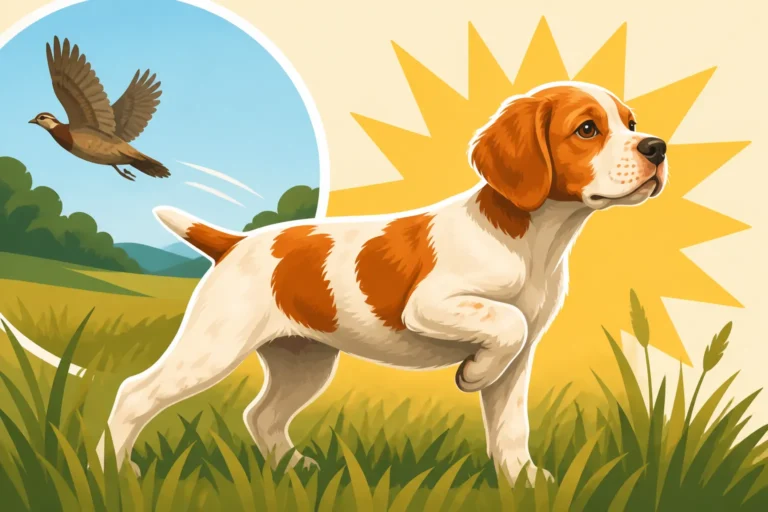
Introducing Birds: Once your Brittany is completely comfortable and unreactive to the distant shots during play or feeding, you can begin to incorporate birds. Start with controlled bird exposure, using training birds like pigeons or quail. When the bird is flushed or launched, and the shot is fired by your helper from a distance, your dog should be so focused on the bird that the shot merely adds to the excitement. Dummy launchers are fantastic for this phase, as they simulate a flush and often have a small blank charge that creates a sound. Many excellent dummy launchers can be found on Amazon, giving you a range of options for sound and distance. This is also a good time to consider The Age a Brittany Should Hear Its First Shot, usually after they've developed some bird drive but before they're too old and set in their ways.
Systematically Closing the Distance
This phase requires meticulous observation and a commitment to incremental progress. You'll slowly reduce the distance between the gun and your Brittany, always pausing and potentially increasing the distance if you see any signs of apprehension.
Imagine moving your helper in steps: from 100 yards to 90, then 80, and so on. Never rush. Each session should be short, positive, and end on a high note. If your dog shows even a slight flinch at 70 yards, go back to 80 or 90 for the next session. The goal is complete calm and focus on the birds or play. Use a progression table to track your distances and your dog's reactions.
| Session # | Starting Distance (Yards) | Gun Type | Activity | Dog's Reaction | Next Step |
|---|---|---|---|---|---|
| 1 | 150 | Cap Gun | Treat/Play | Curious | Move to 125 yards |
| 2 | 125 | Cap Gun | Treat/Play | Indifferent | Move to 100 yards |
| 3 | 100 | .22 Blank Pistol | Retrieve Dummy | Alert, focused | Move to 75 yards |
| 4 | 75 | .22 Blank Pistol | Retrieve Dummy | Slight flinch | Return to 100 yards |
| 5 | 100 | .22 Blank Pistol | Treat/Play | Indifferent | Move to 75 yards, shorter |
| … | … | … | … | … | … |
| X | 25 | Shotgun (light load) | Bird Work | Focused, excited | Field conditions |
This table is a simplified example, but it illustrates the careful, step-by-step approach. You are building a rock-solid foundation of confidence, not just getting them to tolerate the sound. Continue to pair the sound with high-value rewards, whether it's a retrieve, a treat, or enthusiastic praise. The duration of each session should be brief, perhaps 5-10 minutes, especially in the early stages, to prevent any build-up of stress.
Integrating Gunfire into Real-World Hunting Scenarios
Once your Brittany is comfortable with the sound of a shotgun (starting with lighter loads) at closer distances in controlled settings, it’s time to move towards actual field conditions. This means training with live birds or realistic scenarios where the gunshot is a natural part of the hunting sequence.
Start by working your dog on liberated birds, with a partner firing the gun from a distance as the bird flushes. Your Brittany should be so engrossed in its work – pointing, honoring, or retrieving – that the shot becomes an expected, exciting part of the process. Gradually, the person firing the gun can move closer, until it's the handler themselves doing the shooting. Always watch your dog's reaction. If they show any signs of fear or hesitation, you might need to take a step back in distance or intensity. This is the goal of How to Introduce a Gun to a Brittany – to make it a seamless part of their natural instincts and training. This process takes time, patience, and often multiple hunting seasons for a dog to become truly "finished" and unwavering with gunfire.
Avoiding and Overcoming Gun Shyness in Your Brittany
Despite our best intentions, sometimes things go awry, or we adopt a dog that already exhibits sound sensitivity. It’s crucial to understand what mistakes to avoid and how to approach remedial training if necessary.
Critical Mistakes to Steer Clear Of
Many well-meaning owners inadvertently create gun shyness. Avoid these common pitfalls at all costs:
- Surprise Blasts: Never, ever expose your Brittany to a sudden, loud, unexpected gunshot, especially when they are young or unacclimated. This is the fastest way to ruin a dog. No accidental firing near the dog, no testing their reaction by shocking them, and certainly no dropping a metal object or slamming a door while they are close.
- Firing Too Close, Too Soon: As discussed, starting at an inadequate distance is a primary cause of gun shyness. Patience is paramount.
- Punishing Fear: If your Brittany flinches or cringes at a sound, never correct or punish them. Their fear is a genuine emotional response, not an act of disobedience. Punishment will only heighten their anxiety and associate the sound with further negative experiences.
- Associating Gunfire with Pain: This might seem obvious, but it's a critical point for e-collar users. Never activate an e-collar correction simultaneously with a gunshot, even if the correction is for a different behavior. The dog will likely associate the pain with the sound, leading to severe gun shyness.
- Forcing the Issue: Dragging a fearful dog closer to the sound or insisting they continue training when they are clearly stressed will only exacerbate the problem. It’s a sure-fire way to damage their trust in you and their love for the field. Ultimately, these kinds of errors are why Why a Brittany Is Easy to Ruin With a Gun is a common sentiment among experienced handlers. Their soft nature makes them particularly vulnerable to harsh or rushed introductions.
Strategies for a Dog Showing Apprehension
If your Brittany does show signs of apprehension, or you've acquired a dog that is already gun-shy, don't despair, but understand that this will be a much longer and more challenging journey.
The first step is always to backtrack significantly. Go back to an extreme distance where the gun sound is barely audible, if at all. Re-establish positive associations with low-level sounds, potentially even a cap gun or toy popper, paired with extreme high-value rewards. This is a process of desensitization and counter-conditioning. You are trying to change their emotional response from fear to indifference or even excitement.
Consider engaging a professional gun dog trainer specializing in remedial work. They have the experience, tools, and detached perspective to help identify triggers and implement effective strategies. Online training programs, such as those offered by BAXTER & Bella, might also provide structured guidance on desensitization and building confidence, though hands-on experience with a professional is often best for severe cases. Tools like white noise machines or specific desensitization recordings can sometimes be used in a controlled home environment, but always under strict guidance to avoid making things worse. How to Rebuild a Gun Shy Brittany often involves a lot of patience and going back to basics.
Long-Term Maintenance and Reinforcement
Even after your Brittany appears completely sound with gunfire, the work isn't over. Gun shyness can reappear, especially if a dog experiences a traumatic event or goes long periods without exposure.
- Regular Exposure: During hunting season, consistent exposure reinforces positive associations. During the off-season, occasional visits to a gun club, trap range (at a distance), or controlled blank gun sessions keep their confidence high.
- Overall Confidence: A well-socialized, confident, and well-trained Brittany with a strong bond to its handler is less likely to develop or relapse into gun shyness. Continue with obedience training, expose them to new environments, and build their trust in you.
- Positive Experiences: Always ensure hunting trips remain positive experiences. Minimize stress, ensure they are well-rested and hydrated, and celebrate their successes.
The goal is to cultivate a dog that sees gunfire as a natural, exciting part of their life's work. While challenging, with dedication, many gun-shy Brittanys can learn to tolerate or even enjoy gunshots, but it requires unwavering commitment. Whether a Gun Shy Brittany Can Be Fixed is a complex question, but with the right approach, many dogs can become functional, albeit perhaps never truly fearless, hunting companions again.
Disclaimer
This article is for general informational purposes only and does not constitute professional advice. Laws, prices and regulations vary by location and change over time. Consult a qualified professional for guidance on your specific situation.