Whether a Brittany Bumps Birds
It's incredibly frustrating, isn't it? You've spent countless hours in the field, working on commands, nurturing that natural point, only to have your keen Brittany burst in and flush the birds prematurely. That moment when your dog, full of undeniable drive, breaks point and sends those birds scattering before you're even ready is a common source of despair for many bird dog owners. This guide is here to shed some light on why your Brittany might be "bumping birds" and, more importantly, to walk you through the practical, empathetic training steps you can take to foster that rock-solid steadiness we all dream of.
Understanding the Brittany's Natural Instincts
Before we dive into corrections, it's crucial to understand the magnificent creature you're working with. Brittanys are bundles of instinct and energy, bred for generations to find and point game birds. When they bump birds, it's rarely out of malice or a lack of desire to please; it's often a complex interplay of their powerful drives.
The Pointing Gene
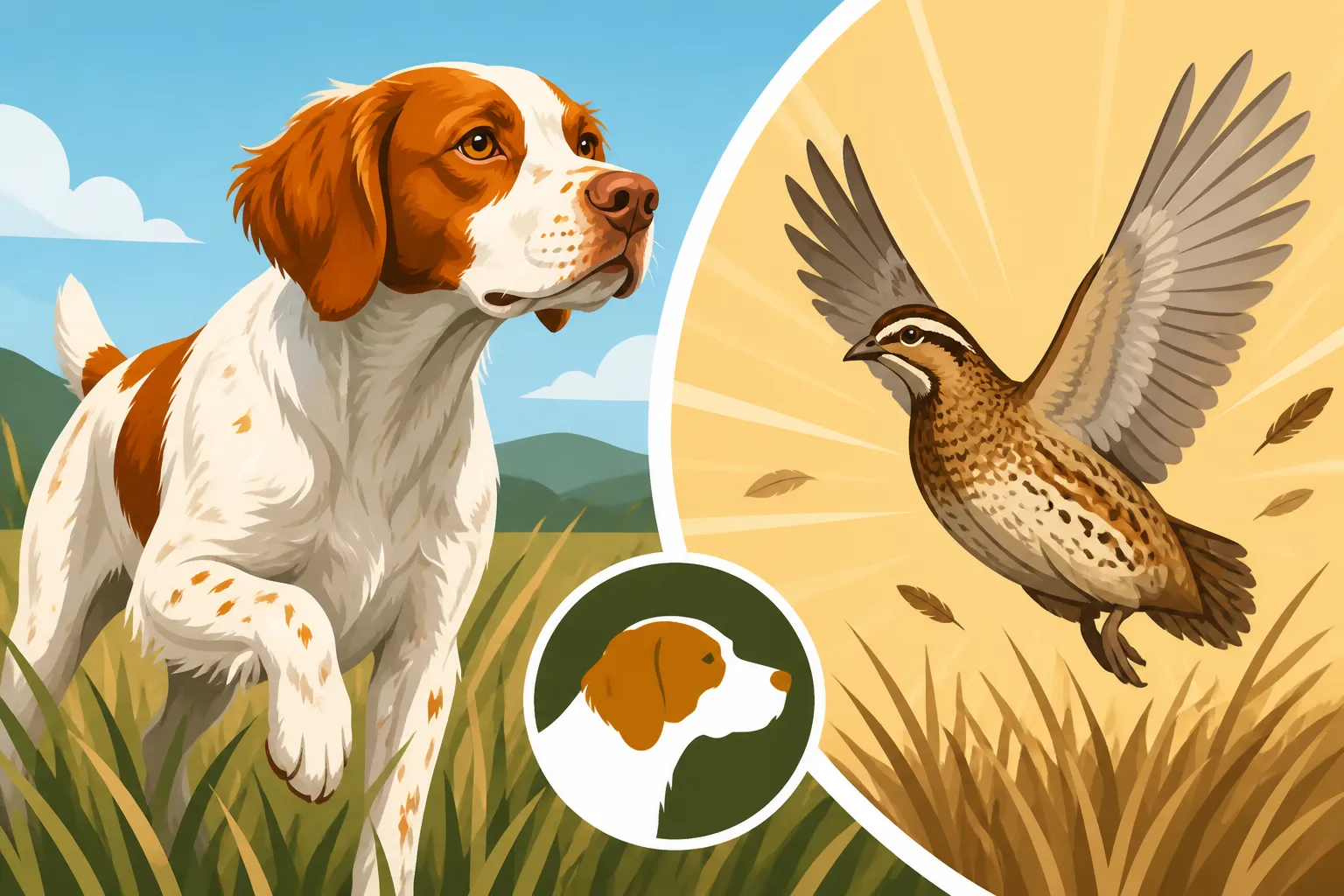
The Brittany is, at its heart, a pointing dog. This isn't just a learned behavior; it's deeply ingrained in their genetic makeup. From a very young age, a Brittany puppy will often exhibit pointing behaviors, sometimes even on butterflies, leaves, or even their own toys. They are hardwired to locate game by scent, stalk it stealthily, and then freeze, indicating its presence. It's a beautiful, ancient instinct that makes them such effective hunting partners.
This strong genetic predisposition means that your Brittany wants to point. The act of freezing and holding a bird's scent is deeply satisfying to them. When they bump a bird, it's not usually because they don't know how to point, but because their enthusiasm or other instincts have temporarily overwhelmed their discipline. The challenge in training is to harness this immense drive and channel it into a controlled, productive hunt. It’s about teaching them when to unleash that drive, not stifling it entirely. Understanding this innate desire to perform their job helps you approach training with patience and empathy. Your dog isn't being stubborn; it's battling its own powerful wiring. You can learn more about this natural behavior in The Age a Brittany Puppy First Points.
Prey Drive and Chase Instinct
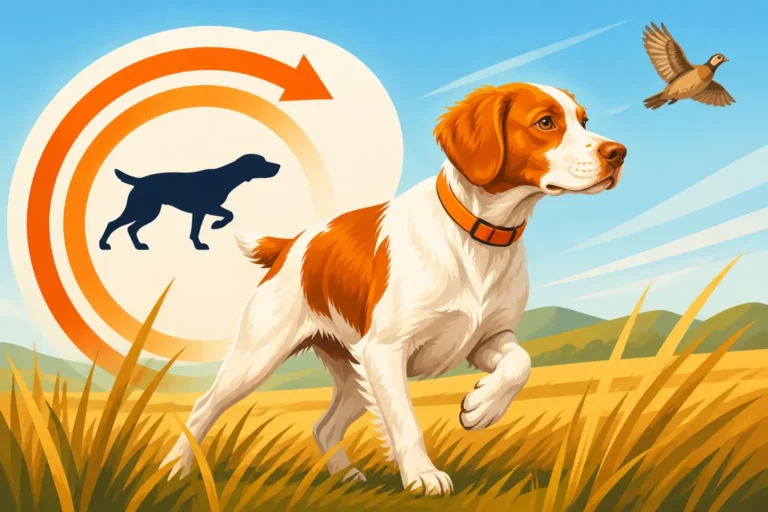
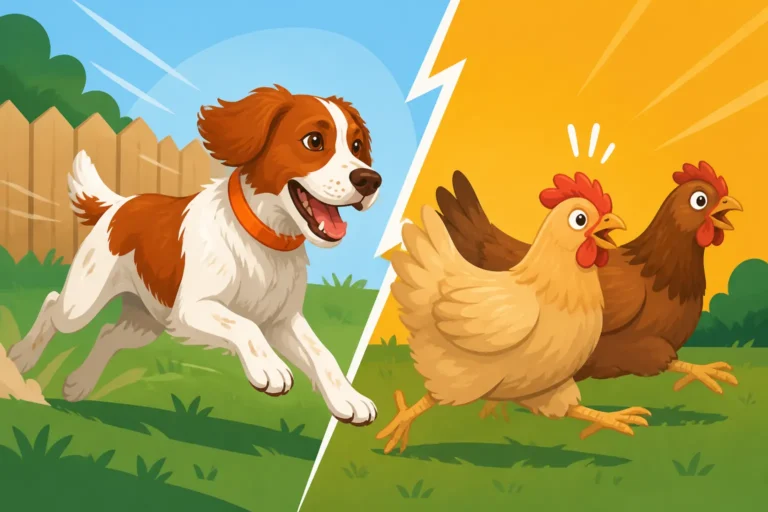
While the point is paramount, Brittanys also possess a robust prey drive, which naturally includes the instinct to chase. In the wild, after a predator points its prey, the next step is often a swift chase. Our hunting scenario requires a modification of this natural sequence. We ask them to point, then wait for us to flush, and then potentially retrieve. The "bump" happens when the dog's chase instinct overrides the learned command to hold point, essentially skipping ahead in the natural sequence.
Imagine the excitement for your dog: the thrill of the scent, the sudden flush of wings, the tantalizing sight of a bird taking flight. This can be an incredibly powerful trigger for the chase instinct. Certain situations, like a bird that is running on the ground instead of holding tight, or particularly dense cover where the bird is harder to pin down, can amplify this chase drive. The dog might feel an urgent need to get in there and secure the bird before it vanishes, leading to that premature flush. When a dog bumps a bird and gets to be right there for the flush, it can inadvertently reinforce the wrong behavior, making it feel like they've succeeded in their mission, even if you, the hunter, are left empty-handed.
Why a Brittany Might Bump Birds: Common Causes
Understanding the underlying instincts is one thing, but pinpointing the specific reasons your Brittany might be bumping birds is key to effective training. It's often not a single issue, but a combination of factors.
Lack of Steadiness Training
This is perhaps the most common reason for bird bumping. Steadiness in a pointing dog goes far beyond just locking up on point. It means holding that point absolutely still, even when the bird flushes, even when the gun goes off, and even when the bird falls. It's about waiting for your command to break point, flush, or retrieve. This level of control runs contrary to a dog's natural desire to pursue, which is why it requires dedicated, consistent training.
Many new handlers, eager to see their dog work, might rush through the foundational steps of steadiness. A dog might learn to point beautifully, but if it hasn't been systematically taught to remain immobile through the flush and shot, it will naturally give in to its instincts when the bird takes flight. Think of it this way: the dog knows what to do (point), but not when to do the next thing (flush/chase). If you walk into a pointed bird, and your dog breaks point to chase as the bird flushes, that's a classic bump. It’s not a failure to point; it's a failure in steadiness. Building this patience is a process, and you can learn more about its specific steps in Teaching a Brittany Steady to Wing and Teaching a Brittany Steady to Shot.
Over-Excitement and Impulsivity
Brittanys are renowned for their enthusiasm and joy for life, and especially for hunting. Their boundless energy and intense desire to please can sometimes translate into over-excitement in the field. This isn't a bad trait – it's what makes them such driven bird dogs – but it requires careful management. When a Brittany encounters a hot scent, spots a bird running, or hears the sudden burst of wings, their adrenaline levels soar. In these peak moments of excitement, a dog's impulse to act can easily override its learned commands, leading to a break in point and a bumped bird.
This impulsivity isn't a sign of a disobedient dog; it's an overwhelming natural response that needs to be brought under control. Imagine the sensory overload: the intense smell, the visual stimulus, the sound. It's a lot for even a well-trained dog to handle, and for a younger or less experienced Brittany, it can simply be too much, too soon. Managing this high-octane enthusiasm means gradually exposing them to these exciting situations in a controlled manner, so they learn to regulate their impulses even when their instincts are screaming at them to go.
Insufficient Exposure and Pressure
Training in the backyard or a controlled training field is one thing; navigating the unpredictability of wild birds in diverse cover is another. If a Brittany hasn't had sufficient exposure to real-world hunting scenarios, or if the training pressure hasn't been gradually and appropriately increased, they might develop gaps in their steadiness. A dog might hold point perfectly on a planted pigeon in an open field, but crumble when facing a savvy pheasant in thick cattails that decides to run.
Dogs learn through repetition and by understanding the consequences of their actions. If a Brittany is consistently allowed to bump birds without any correction or consequence (even just being picked up and taken out of the hunting scenario for a short period), they won't fully internalize the importance of the "whoa" command in high-stakes situations. Effective training involves creating controlled scenarios that mimic hunting pressure, allowing the dog to make mistakes in a safe environment where you can provide consistent correction. Using training birds like pigeons or quail, or specialized equipment like bird launchers, allows you to control the variables and build a dog's confidence and steadiness under increasing pressure without sacrificing real birds or frustrating yourself in the actual hunt.
Training Strategies to Prevent and Correct Bird Bumping
Correcting bird bumping requires a systematic, patient, and consistent approach. It’s all about teaching your Brittany to override its immediate instincts with a learned, controlled response.
Solid Whoa Command
The "whoa" command is the absolute foundation of steadiness for any pointing dog. It means "freeze in place, do not move a muscle, no matter what happens around you." It’s not merely a "stop" command; it demands complete immobility. Without an ironclad "whoa," all other steadiness training will likely fall apart.
Start teaching "whoa" in a low-distraction environment. Use a long check cord attached to a flat collar. Walk your dog, say "whoa" firmly, and immediately apply upward pressure on the check cord to stop them in their tracks. Hold them there for a few seconds, then release with a different command like "okay." Repeat this countless times, slowly increasing the duration and introducing minor distractions. The check cord is your primary tool here; it physically prevents the unwanted movement while you verbally command and praise. Consistency is paramount. Every time you say "whoa," your dog must comply. You can find robust check cords easily on platforms like Amazon, making sure you have one that's long enough for your training space. A good starting length is 15-20 feet, but you might go up to 30-50 feet as you progress. For a deeper dive into this vital command, refer to Teaching a Brittany Whoa.
Once the "whoa" is solid in a calm environment, begin to introduce distractions related to birds. Start with a wing on a string, then move to planted pigeons or quail. Let your dog get on point, say "whoa," and physically hold them in place with the check cord if they try to creep. Flush the bird yourself while your dog is held steady. This teaches them that you control the bird's movement, not their impulse to rush in.
Developing Steadiness Through Repetition and Control
Building true steadiness requires a methodical progression, often involving controlled bird work. The goal is to gradually increase the pressure and excitement while maintaining the dog's absolute obedience to the "whoa" command.
Begin with planted birds. Use pigeons, quail, or chukars in a training field. Allow your Brittany to find and point the bird. As soon as they lock up, reinforce "whoa." Then, while still holding the dog on a check cord, walk in, flush the bird yourself, and keep your dog steady. The check cord ensures they don't break. Over time, you can gradually reduce your reliance on the check cord, moving to a remote trainer or e-collar for reinforcement as your dog understands the expectation. The key is that you dictate the flush, not the dog. This reinforces patience and control.
To further develop steadiness, introduce gun fire during these controlled flushes, starting far away and gradually moving closer once your dog is comfortable. How to Introduce a Gun to a Brittany offers a comprehensive approach to this. Using tools like a bird launcher can be incredibly effective. With a bird launcher, you can plant a bird, let your dog point it, then remotely flush the bird when the dog is perfectly steady. This allows for precise timing and prevents the dog from anticipating the flush based on your movements. Many reputable online training programs, like those offered by BAXTER & Bella, integrate these types of controlled scenarios into their curriculum, emphasizing positive reinforcement and building steadiness step-by-step. The repetition of successful, controlled engagements is what truly cements the desired behavior in your Brittany's mind.
Using an E-Collar for Reinforcement
For many experienced bird dog trainers, a properly introduced and used e-collar (electronic collar or remote trainer) becomes an indispensable tool for reinforcing steadiness, especially as you move into real hunting scenarios. It's important to approach e-collar use thoughtfully and ethically. An e-collar is not a punishment device in the traditional sense; it's a communication tool that extends your voice and reach, allowing for consistent, timely reinforcement of commands at a distance.
The introduction of an e-collar must be done carefully and deliberately. Start in a low-distraction environment, associating the lowest perceptible stimulation level with known commands, like "heel" or "come." The goal is for the dog to understand that the sensation means "do what I just asked." Never introduce the e-collar directly in a high-stress or high-distraction situation, as this can confuse or even "spook" your dog. For more detailed guidance, consider reading Whether a Brittany Needs an E Collar.
Once your Brittany understands the e-collar's communication, it can be used in the field to reinforce the "whoa" command during critical moments. If your dog is on point and starts to creep or shows signs of breaking, a low-level, timely stimulation paired with your verbal "whoa" can serve as a gentle reminder to remain steady. The objective is to deter the unwanted action before it happens, building a reliable off-leash response. Always seek guidance from a professional trainer if you are new to e-collar use. Improper application can indeed ruin a dog's confidence and create negative associations with hunting. When used correctly, however, it can be a humane and highly effective way to achieve a truly steady gun dog.
Living with a Brittany and Maintaining Steady Work
Achieving and maintaining a steady Brittany is an ongoing journey that requires patience, consistency, and an understanding of your dog's unique personality.
Patience and Consistency are Paramount
Training a steady Brittany is a marathon, not a sprint. These dogs are intelligent, eager, and full of boundless energy, and sometimes that energy can get the better of them. Expect setbacks, especially with young dogs, during their adolescent phases, or after a long layoff from hunting. A dog that was rock-solid last season might need a few refreshers to get back in top form. The key is to remain patient, understanding that true mastery takes time and countless repetitions.
Every interaction with your Brittany, whether in the field or at home, is an opportunity to reinforce desired behaviors. Don't let bad habits slide "just this once," thinking it won't matter. Inconsistency is the quickest way to erode good training. Ensure that everyone in your household who interacts with the dog understands and applies the same commands and expectations. If one family member allows the dog to break a "whoa" in the yard, it can undermine all the hard work you've put in for field steadiness. Remember, your goal is a reliable hunting companion that is a pleasure to be with, and that takes unwavering dedication. How Many Seasons Before a Brittany Is Finished highlights the long-term commitment.
Ongoing Reinforcement and Field Etiquette
Steadiness training isn't a one-and-done course you take in puppyhood. Even the most seasoned Brittany can benefit from periodic tune-up sessions, especially before the hunting season begins. Setting up a few planted birds and running through your steadiness drills can quickly refresh your dog's memory and get them back into the mindset of controlled work. These sessions also help you identify any areas where your dog might be slipping before you're out in the actual hunting environment.
Beyond formal training, proper field etiquette from the hunter's side is also critical. When your Brittany is locked up on a bird, resist the urge to rush in. Give your dog a moment to process the scent and truly lock up. Move in slowly, deliberately, and with purpose. Your calm, confident approach can help reinforce their steadiness. When your dog performs well – holding point, remaining steady through the flush and shot – be sure to offer sincere praise and positive reinforcement. A quiet "good dog," a gentle pat, or a moment of shared success strengthens the bond and motivates your Brittany to continue offering their best. This positive feedback is just as important as any correction in shaping a steady bird dog.
Understanding Your Dog's Individual Temperament
While Brittanys share many wonderful breed traits, each dog is an individual with its own unique personality and learning style. Some Brittanys might be naturally bolder and require a firmer hand in training, while others are incredibly sensitive and will shut down with harsh corrections. Understanding your specific dog's temperament is crucial for tailoring your training approach. Many Brittanys are known for being quite sensitive, a trait often referred to as "soft" in the bird dog world. You can read more about this in Why a Brittany Is Called Soft.
Pay close attention to your dog's cues. Does your Brittany tend to bump birds more when they are overly tired, or conversely, when they've had insufficient exercise and are bursting with pent-up energy? Does a particular type of cover or bird trigger more impulsivity? By identifying these triggers and patterns, you can adjust your training sessions, choose appropriate hunting conditions, and pre-empt potential problems. For a sensitive Brittany, a lighter touch, more positive reinforcement, and a focus on building confidence might be far more effective than heavy-handed corrections. Knowing your dog inside and out allows you to become the most effective and compassionate trainer possible, fostering a partnership built on trust and mutual understanding.
| Training Tool | Primary Function | Pros | Cons |
|---|---|---|---|
| Check Cord | Direct physical control and guidance. | Immediate feedback, builds understanding, simple to use. | Limited range, can get tangled, requires handler proximity. |
| Bird Launcher | Remote-controlled bird flushing for training. | Controls flush timing, adds realism, creates anticipation. | Requires live birds, investment in equipment, needs open space. |
| E-Collar | Remote reinforcement of commands at a distance. | Extends handler's reach, consistent communication, subtle cues. | Requires careful introduction, potential for misuse, public stigma. |
| Blank Pistol | Simulates gunshots for desensitization. | Crucial for steady to shot training, prepares for hunting sounds. | Can create gun-shyness if improperly introduced, requires safety. |
Disclaimer
This article is for general informational purposes only and does not constitute professional advice. Laws, prices and regulations vary by location and change over time. Consult a qualified professional for guidance on your specific situation.