Teaching a Brittany Steady to Shot
Oh, the joy and frustration of teaching a high-drive Brittany to be steady to shot! It’s a moment every bird dog owner dreams of – their dog locked on point, the bird flushes, the shot rings out, and the dog remains a statue, waiting for the release command. But let's be honest, getting there with a breed whose very essence is to hunt, chase, and retrieve can feel like trying to hold back a freight train with a piece of string. This guide is all about navigating that path, understanding your Brittany's instincts, and patiently building the trust and discipline needed for a truly steady gun dog.
The Heart of the Matter: Why "Steady to Shot" Is Non-Negotiable for a Brittany
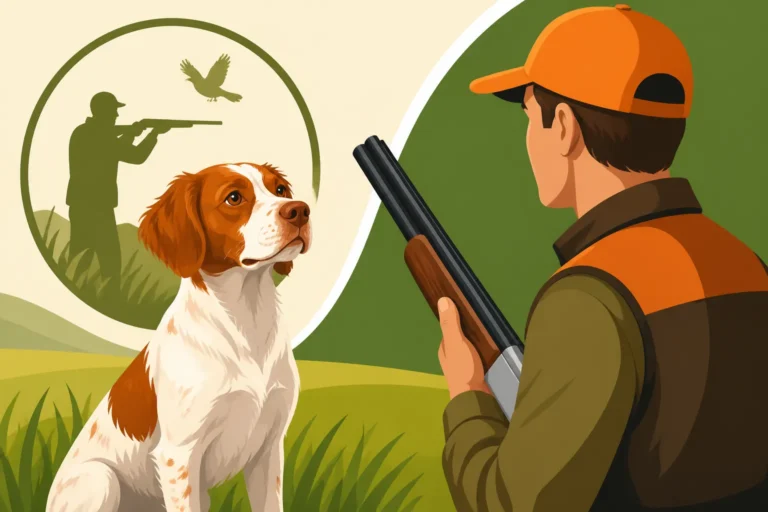
When we talk about "steady to shot," we're not just talking about a fancy trick for the field trial judges. This is about safety, efficiency, and respect for the game and your hunting partners. A Brittany that breaks at the shot can create dangerous situations and ruin a hunt faster than you can say "bird down!" It can be an uphill battle against their natural instincts, but it's a battle well worth winning.
The Instinct to Chase vs. The Hunter's Code
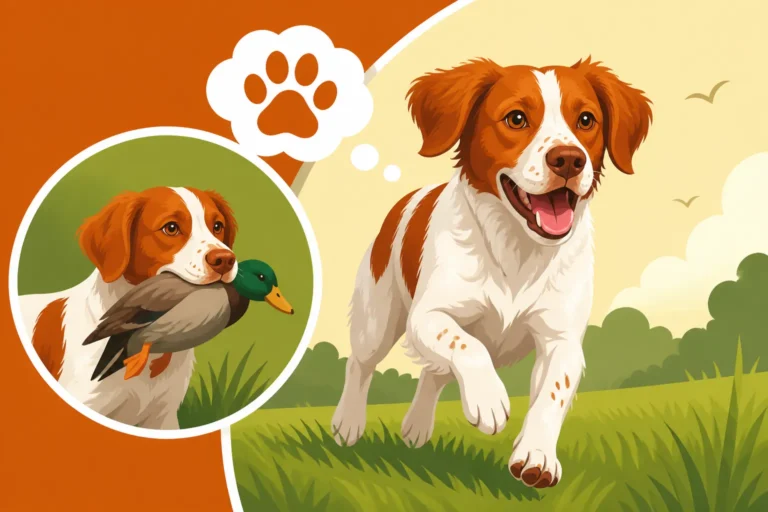
Your Brittany is born with an incredible prey drive. They see a bird, they point it, and then every fiber of their being screams "CHASE!" the moment that bird takes flight. This is totally natural; it's how their ancestors survived. But for modern hunting, where we use firearms and want to collect our game, that instinct needs to be refined. A dog breaking and chasing a crippled bird into dangerous terrain, or worse, running toward a fallen bird while another gun is swinging, is a recipe for disaster.
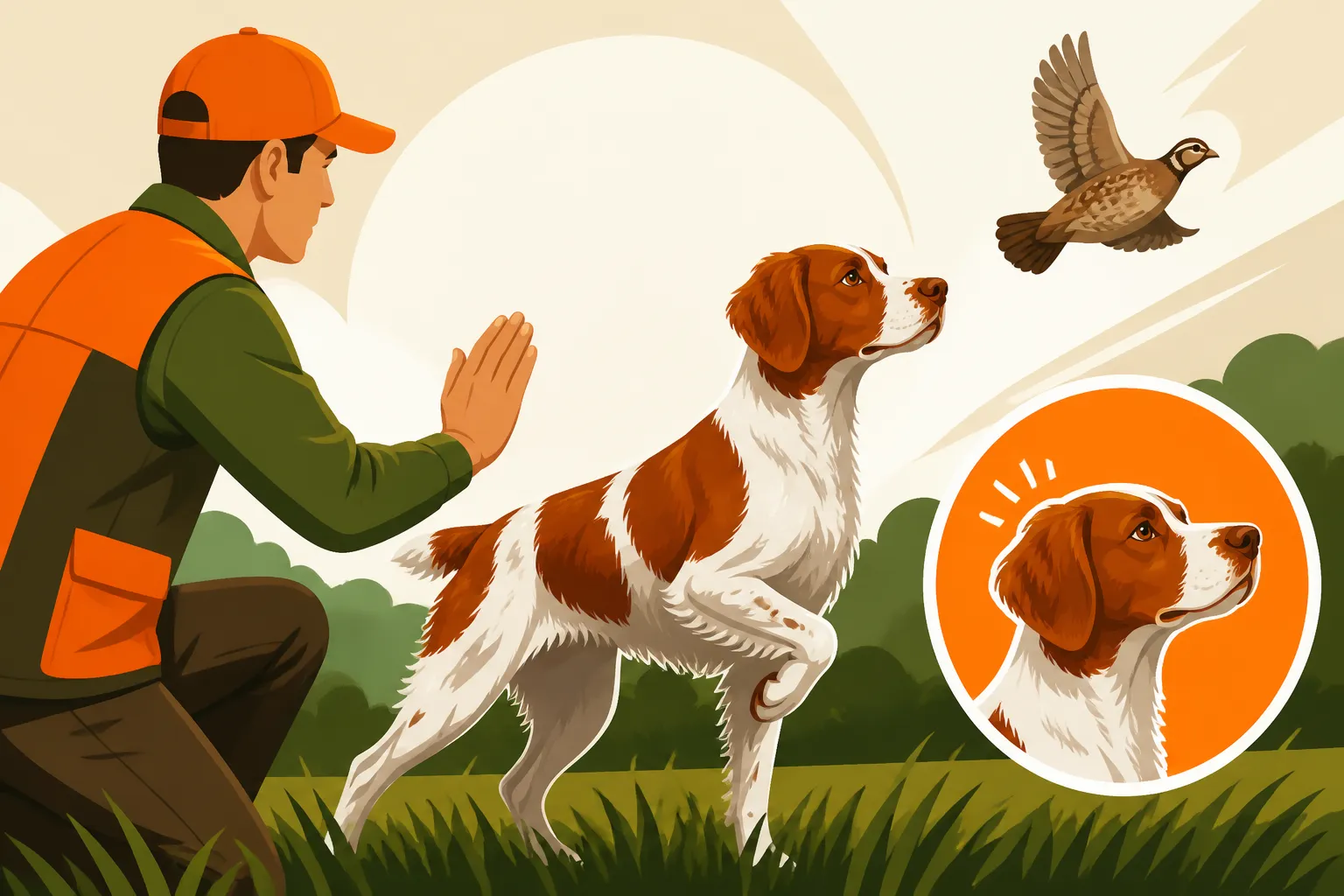
Think about it: Your Brittany has used its nose and brain to pinpoint that pheasant in the thick cover. It's held a beautiful, staunch point. You walk in, the bird explodes, and your dog’s adrenaline surges. Their natural inclination is to pursue that bird immediately, whether it's hit or missed. The "hunter's code," however, dictates that the dog waits, allowing you to confirm the shot, ensuring the bird is down, and only then, on command, does the retrieve begin. This moment of waiting is what "steady to shot" is all about, and it's a profound act of trust and control that truly elevates a hunting partnership. It’s teaching them to override their most primal urge for a greater purpose.
Safety First: Protecting Your Dog and Your Hunting Partners
Let's be blunt: an unsteady dog is a hazard. Imagine a scenario where you're hunting pheasants in a row of standing corn with a friend. Your Brittany goes on point, and you both move in. The bird flushes, and as you both shoulder your guns, your dog launches forward, chasing the bird into the line of fire. It's a terrifying thought, but it can happen, and tragically, it does happen.
Beyond the immediate danger of being in the firing zone, an unsteady dog can also:
- Interfere with other dogs: If you're hunting with multiple dogs, an unsteady Brittany can break another dog's point or retrieve, leading to chaos and frustration.
- Create unsafe conditions for retrieval: Chasing a wounded bird into dense cover, over fences, or near roads puts your dog at risk.
- Result in lost game: A dog that charges after a bird that's merely stunned or winged might push it further away, making recovery impossible.
The discipline of "steady to shot" ensures your Brittany understands that their role, after the shot, is to wait patiently for your instruction. It’s a testament to your training and their trust in you as the leader, allowing you to maintain control and prioritize safety above all else. This isn't about crushing their spirit; it's about channeling their incredible drive into a safe and effective hunting partnership.
Building the Bedrock: Prerequisite Skills Before the Bang
You wouldn't try to build a house starting with the roof, right? The same goes for training your Brittany. Before you ever introduce a gun into the equation, you need a rock-solid foundation of obedience and control. Without these prerequisites, teaching steady to shot will be an exercise in frustration and potential failure. Your Brittany, being The Brittany Is the Softest of the Pointing Breeds, responds best to positive, consistent training that builds confidence rather than breaks it.
Mastering "Whoa" and Rock-Solid Recall
These two commands are the absolute cornerstones of steady to shot training. Your Brittany needs to understand "Whoa" as an immovable command, meaning "stop right where you are and don't move a muscle until I tell you." This isn't just a brief pause; it's a commitment to immobility. You should be able to walk around them, throw a bumper, and even have other distractions without them breaking the "Whoa."
- Teaching "Whoa": Start this early and make it fun but firm. Many trainers use a whoa post or board, which physically prevents the dog from moving while they learn the command. You can gently correct them if they try to step off. Once they grasp the concept, extend the duration and introduce minor distractions. Gradually, you’ll move to enforcing "Whoa" in motion, having them freeze mid-stride. Consistency here is paramount.
- Rock-Solid Recall: Imagine your Brittany takes off after a rabbit in the field, and you need them back immediately. A reliable "Come" or "Here" command, often reinforced with a whistle, is literally a lifesaver. This command is crucial for managing your dog in various hunting scenarios, preventing them from getting too far afield, or bringing them back from a chase if they do break. Start recall in a quiet, low-distraction environment and gradually increase the challenges. Use a long check cord, which you can find on Amazon, to enforce the command if they hesitate. The goal is an immediate, enthusiastic return, every time. You can learn more about Teaching a Brittany Whoa in detail.
These aren't just commands; they are essential communication tools that build trust and control. Your Brittany needs to know that when you give these commands, you mean business, but also that responding leads to good things (praise, treats, a retrieve).
Desensitization to Noise: A Gentle Introduction to Sound
Brittanys are sensitive creatures, and loud noises can easily spook them or, worse, make them gun shy. You absolutely cannot rush this step. The goal is to associate the sound of a gun with positive experiences, gradually increasing the intensity.
- Start Small and Distant: Begin with a cap gun or a starter pistol, always at a significant distance from your Brittany. We're talking hundreds of yards away, where the sound is barely a pop. While the shot occurs, engage your dog in something fun – playing with a favorite toy, having a meal, or even just offering calm praise. The key is that the shot is simply background noise to a positive event. Avoid having the shot coincide with anything negative or startling.
- Gradual Approach: Over days or weeks, very slowly decrease the distance or increase the volume of the sound. Only move closer when your dog shows absolutely no reaction to the current level of sound. If they flinch, perk their ears up too much, or show any signs of anxiety, you’ve moved too fast. Back off and re-evaluate. This process can take a significant amount of time, and every dog is different. Some Brittanys might be naturally bolder, while others might be more reserved. Remember, Introducing a Gun to a Brittany That Spooks Easily requires immense patience.
- Avoid High-Pressure Situations: Never, ever introduce a gun sound directly in a high-stress or scary situation. No fireworks, no sudden loud noises right next to them. If you’re ever in doubt, consult with a professional gun dog trainer. Building positive associations is vital. You don't want to create a negative impression that will be incredibly hard to undo.
The Gradual Ascent: Introducing the Gun and Birds Methodically
Once your Brittany is a master of "Whoa" and "Come," and they're completely unfazed by the sound of a starter pistol at a reasonable distance, you can start putting the pieces together. This is where the true art of teaching steady to shot begins, weaving together the foundational commands with the excitement of birds and the report of the gun.
From Distant Pop to Close Report: The Sound Progression
You’ve already begun desensitizing your Brittany to gun sounds, but now it’s time to integrate those sounds with bird work. The critical element here is to ensure the dog is focused on the bird, not the gun.
- Bird Work, Distant Gun: Start by taking your Brittany to a training field with live birds (like pigeons or quail, which you can often purchase from game bird farms). Plant a bird, put your dog on a check cord, and walk them into the scent cone. As they go on point, reinforce "Whoa." Have a helper position themselves a good distance away (again, hundreds of yards if necessary) with the starter pistol.
- Flushing the Bird: When your dog is staunchly on point, flush the bird. As the bird flies, and only if your dog remains steady on "Whoa," have your helper fire the distant starter pistol. If your dog remains steady, praise them calmly and release them to retrieve on command. If they break, quickly enforce "Whoa" with the check cord, return them to the original spot, and restart.
- Gradually Reduce Distance: Over many, many sessions, slowly decrease the distance of the shooter. The gun should always remain in the background, a natural part of the sequence, not the main event. Your Brittany's focus should be on the bird, then on remaining steady, then on retrieving when asked. It’s a dance of instinct, discipline, and delayed gratification.
- Moving to a Shotgun: Once your Brittany is completely solid with the starter pistol at various distances, you can introduce a 20-gauge shotgun, again, starting at a significant distance. Progress slowly and carefully, always observing your dog's reactions. Never rush this. If you introduce the shotgun too early or too close, you risk undoing all your hard work and creating a gun-shy dog.
Remember, the shot is merely a cue that a bird might be down, not an invitation to charge. Your dog learns that waiting is rewarded with the ultimate prize: a retrieve.
Integrating Birds and Guns: The Critical Connection
This is where the magic (and hard work) happens. You need to combine the excitement of the bird with the discipline of "Whoa" and the sound of the gun.
- Controlled Flushes and Shot: Use a bird launcher (many reliable options are available on Amazon) to control the flush. Set your dog on point, again, on a check cord. When you trigger the launcher and the bird flushes, immediately reinforce "Whoa." As the bird gains altitude, have your helper fire the gun. If the dog stays steady, praise and eventually send them for the retrieve.
- Working with Wings/Bumpers: Before live birds, you can practice with thrown wings or bumpers in conjunction with gun fire. Have your dog on "Whoa," throw a bumper, fire a shot, and if they remain steady, release them for the retrieve. This helps solidify the sequence: action, noise, wait, retrieve.
- Progressing to Actual Hunting Scenarios: Once your Brittany is consistent in controlled training environments, you can start introducing them to simulated hunting. Use planted birds, and have a friend shoot. Always err on the side of caution. If your dog is showing any signs of breaking, you need to go back a step. The goal is absolute steadiness, not just "mostly steady." When a Brittany Should Stop Chasing is a command they need to internalize at a deep level, especially after the flush.
Dealing with Setbacks: When Your Brittany Breaks Steadiness
Let's be realistic: your Brittany will break. It's not a question of if, but when. These dogs are intelligent, high-energy, and driven by instinct. The key isn't to get angry, but to understand why they broke and how to correct it calmly and consistently.
| Common Reason for Breaking | Why it Happens | Solution |
|---|---|---|
| Over-excitement | The thrill of the flush is overwhelming. | Return to basics: more "Whoa" practice with distractions, use a longer check cord for control. Reduce bird exposure temporarily. |
| Impatience | Anticipates the retrieve, doesn't want to wait. | Extend "Whoa" duration without a bird, then reintroduce birds with longer waits. Ensure immediate, enthusiastic retrieve after the command. |
| Lack of Foundation | "Whoa" or recall isn't solid enough. | Go back and proof "Whoa" and "Come" extensively in varied environments, building complete reliability before reintroducing birds and gun. |
| Gun Shyness/Fear | Associates gun with something negative. | Immediately cease gun introduction. Re-evaluate desensitization process, starting at much greater distances or quieter sounds. Consult a pro. |
| Inconsistent Training | Sometimes allowed to chase, sometimes not. | Be absolutely consistent. Every bird, every time. Never allow a break. Your dog needs clarity. |
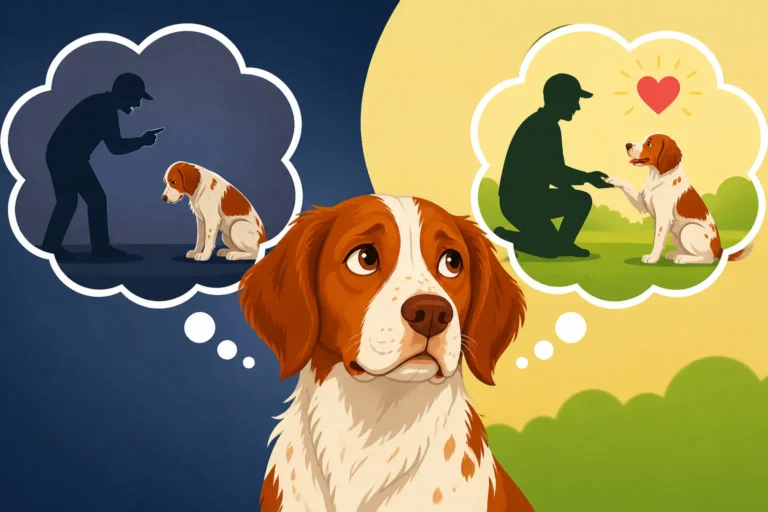
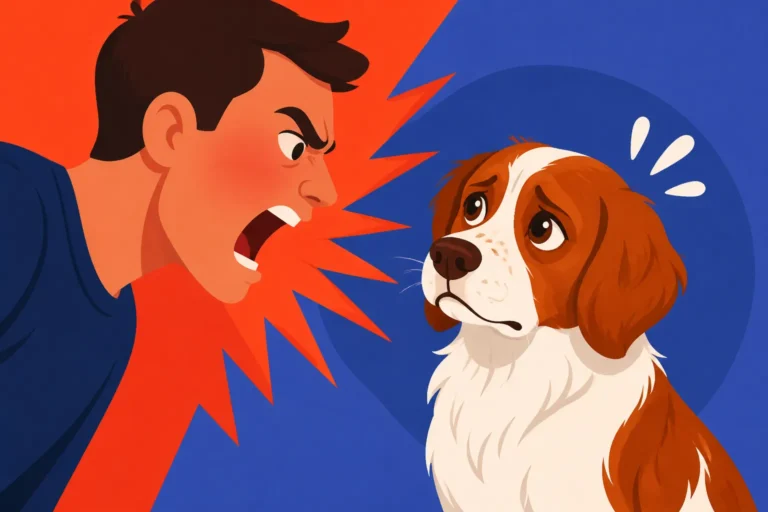
When a break happens, resist the urge to shout or get physical. A Brittany, being a soft breed, will shut down under harsh correction. Instead:
- Immediately stop the chase using your check cord or an e-collar (if properly introduced and used by a knowledgeable handler. Whether a Brittany Needs an E Collar is a serious consideration, and if you use one, it must be for communication, not punishment).
- Guide them back to the exact spot where they broke.
- Put them back on "Whoa" and hold them there for a few moments.
- Repeat the scenario if possible, but adjust the level of difficulty. Maybe the gun is further away, or you use a less exciting bird.
- End on a positive note if you can, even if it's just a successful "Whoa" away from birds.
Consistency and patience are your best friends here. Every single time your Brittany is around birds and guns, you are training them, whether you intend to or not. Make every interaction reinforce the desired behavior.
Beyond the Basics: Maintaining Steadiness and Real-World Application
Achieving steady to shot isn't a "one and done" accomplishment. It's an ongoing commitment that requires maintenance, proofing, and practice in increasingly realistic hunting scenarios. Your Brittany will carry this training with them, but just like any skill, it can dull if not regularly honed.
Consistency is Key: Practice Makes Permanent
The most important aspect of maintaining steadiness is unwavering consistency. Your Brittany needs to know that the rules always apply, regardless of the location, the type of bird, or who else is present.
- Practice in Varied Environments: Don't just train in the same field every time. Take your Brittany to different types of cover – open fields, dense woods, marshes – to generalize the "Whoa" and steadiness commands. New environments introduce new distractions and challenges, helping to proof the training.
- Regular Refreshers: Even during the off-season, conduct regular refresher sessions. Use planted birds, bumpers, or even just a bird wing on a string, combined with gun fire, to keep the concept fresh in your dog's mind. You don't need a full hunting scenario; short, focused sessions are enough to remind them of the expectation.
- All Family Members on Board: If multiple people interact with your Brittany, ensure everyone understands and enforces the "Whoa" and steadiness commands. Inconsistency from different handlers can confuse your dog and undermine the training. This is where programs like those from BAXTER & Bella can be incredibly helpful for basic obedience and ensuring everyone in the household is on the same page from puppyhood.
- Correct Every Infraction: If your Brittany breaks steadiness, correct it immediately and consistently. Every time they get away with breaking, you're essentially teaching them that sometimes it's okay, which is the exact opposite of what you want. How Sensitive a Brittany Is to Correction means these corrections should be fair and clear, not harsh.
Simulating Hunting Scenarios: Advanced Training Tips
Once your Brittany is reliably steady in controlled training, it’s time to move toward mimicking actual hunting. This helps bridge the gap between training drills and the unpredictable realities of the field.
- Hunting with Partners: Introduce other hunters and their dogs into your training sessions. Your Brittany needs to learn to remain steady even with other dogs on point, birds flushing from different directions, and multiple shots being fired. This is particularly important for honoring another dog's point, a skill that showcases true field discipline.
- Varying Bird Species: If you plan to hunt different types of game birds, expose your Brittany to them during training. A pheasant flush is different from a quail or grouse flush, and your dog needs to be steady to all of them.
- Realistic Distractions: Incorporate realistic hunting distractions: retrieve from water, walk through thick cover after a shot, have birds fall into challenging spots. The more varied the scenarios you expose your dog to, the more bombproof their steadiness will become.
- The Power of the Delayed Retrieve: Sometimes, after the shot, don't immediately send your dog. Make them wait an extra few seconds, or even walk to the bird yourself before sending them. This teaches them patience and reinforces that you control the retrieve, not their eagerness.
Teaching a Brittany steady to shot is a journey of patience, repetition, and a deep understanding of your dog's nature. It’s about building a partnership where trust and respect allow you both to enjoy the field safely and successfully, transforming their wild instincts into refined hunting prowess.
Disclaimer
This article is for general informational purposes only and does not constitute professional advice. Laws, prices and regulations vary by location and change over time. Consult a qualified professional for guidance on your specific situation.