When a Brittany Should Stop Chasing
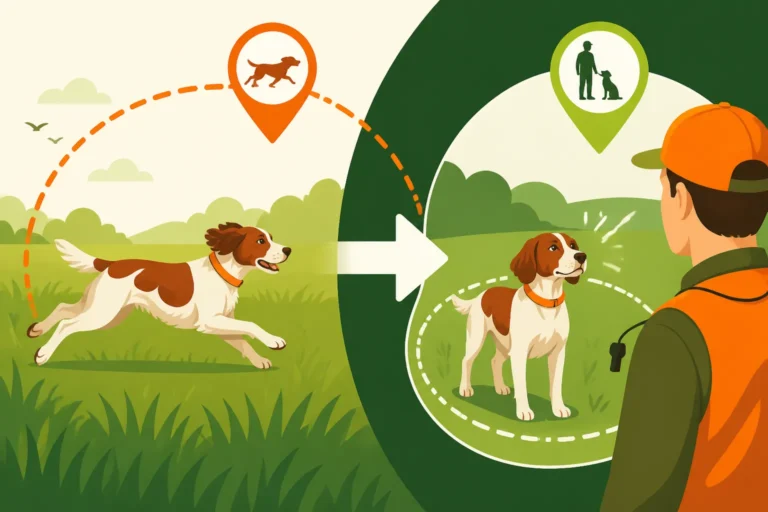
It's one of the most common frustrations for a bird dog owner: your Brittany, full of boundless energy and instinct, sees a bird flush and bolts after it. While that drive and enthusiasm are exactly what we love about our Brittanys, an uncontrolled chase can ruin a hunt, educate birds, and frankly, make for a less enjoyable and sometimes dangerous experience. This guide will walk you through the journey of channeling that incredible drive, teaching your Brittany to "whoa," and knowing precisely when to expect them to stop chasing in the field.
Understanding the Brittany's Natural Instincts and the Chasing Challenge
Let's be real, our Brittanys were made to find birds. They're wired for it, from the tip of their constantly twitching nose to the end of their bobbing tail. That intense desire to pursue anything that moves, especially a feathered creature, is deeply ingrained. It's not a flaw; it's the raw material we work with.
The Brittany's Innate Drive
Imagine centuries of selective breeding culminating in a dog designed to locate game, freeze on point, and wait for its handler. That's your Brittany. They possess an incredibly strong prey drive, an almost insatiable desire to find and interact with birds. This drive manifests in various ways, from pointing butterflies as puppies to retrieving every stick they can find. If you've ever watched a young Brittany puppy interact with a pigeon wing on a string, you see that innate spark. They instinctively want to grab it, shake it, and carry it. This drive is a double-edged sword: it makes them exceptional hunting partners, but also means they need careful guidance to learn control around game.
The breed's temperament also plays a huge role here. What a Brittany's Temperament Is Really Like is often described as eager, intelligent, and highly biddable, but also sensitive. This combination means they're quick to learn, but also susceptible to becoming discouraged or confused if training isn't consistent and fair. They want to please you, but their instincts are powerful. When a bird bursts from cover, that primal urge to chase can temporarily override even the best intentions. Many Brittanys also have a natural retrieve, which further complicates the "stop chasing" command; they want to get to that bird!
Why Chasing Becomes a Problem
An uncontrolled chase might seem harmless at first, especially with a young, exuberant dog. You might think, "Well, at least they're interested in birds!" But the reality is, letting a Brittany chase unchecked in the field creates a host of problems that can quickly derail your hunting efforts.
Firstly, a dog that consistently chases birds after the flush educates those birds. Wild birds, especially, become "educated" or "dog-wise" very quickly. If a covey of quail or a pheasant regularly has a dog plowing into them as they fly, they'll learn to flush wild, far out of gun range, or simply run instead of flying, making them incredibly difficult to hunt. You'll end up with fewer birds in the bag, and a frustrated hunting partner.
Secondly, it can be dangerous for your dog. A Brittany tearing off after a bird can run into fences, roads, other hunters, or even dangerous wildlife. In dense cover, you can quickly lose sight of a chasing dog, putting them at risk. Their single-minded focus on the bird can blind them to hazards in their path.
Finally, it undermines the very purpose of a pointing dog. A pointing breed like the Brittany is meant to find game, indicate its presence by freezing on point, and then wait for the handler to approach and flush. If they break point and chase, they're not fulfilling their role, and the hunt becomes less organized and effective. The goal isn't to suppress their prey drive, but to channel it into controlled, productive behavior.
When to Begin Training: Early Exposure vs. Formal Stops
The journey to a "steady" Brittany – one that holds point, doesn't chase the flush, and waits for the retrieve command – starts long before they ever see a wild bird. It's a progressive process, building blocks of control.
Early Puppyhood and Controlled Exposure
Many new Brittany owners wonder, Whether a Brittany Should Chase Early On. The answer is nuanced: controlled chasing of puppy-safe items is part of developing their retrieve drive, but chasing live birds without immediate consequence is a different story.
In early puppyhood, say from 8 to 16 weeks, the focus should be on building a strong bond, basic obedience commands like "come" and "sit," and gentle exposure to various sights and sounds. This is the foundation for all future training. Introducing a bird wing on a fishing pole or a rolled-up sock can certainly get that prey drive simmering, and a little chase and retrieve with these objects is perfectly fine. The idea is to build desire, not stifle it. Some trainers advocate for very early, controlled exposure to birds in a small, enclosed pen, allowing the puppy to chase briefly and build confidence, but always ending with the bird being removed and the puppy being praised for coming back. This is often referred to as "imprinting" and aims to cement the idea that birds are exciting. For those looking for comprehensive foundational training, many online programs, like those offered by BAXTER & Bella, emphasize building positive habits from a young age, which sets the stage for more advanced gun dog work.
The critical distinction is between building desire and teaching manners. We want our Brittanys to want to find birds, but they need to learn when and how they're allowed to interact with them. Uncontrolled chasing of live birds is generally discouraged, even at a young age, because it can quickly become an ingrained habit that's much harder to break later on.
The Transition to "Whoa": The Foundation
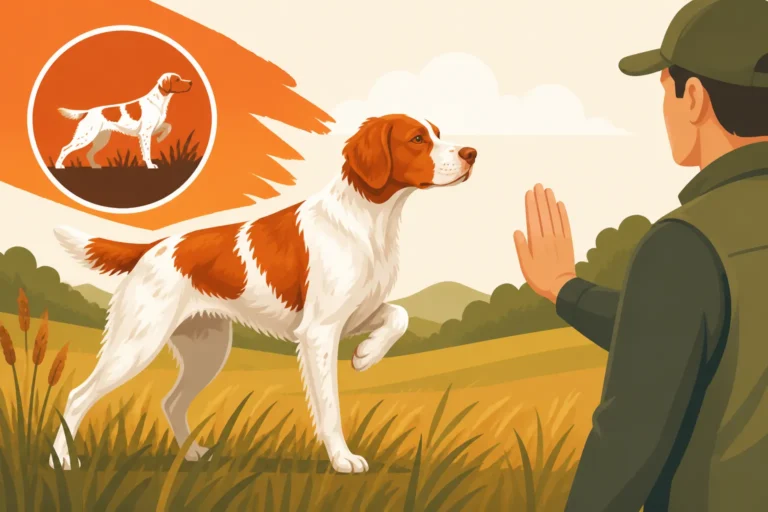
The single most important command for stopping a Brittany from chasing is "Whoa." This command means "stop exactly where you are and stay there, no matter what." It's the lynchpin of a steady bird dog.
Generally, formal "whoa" training begins after your Brittany has a solid understanding of basic obedience and is showing good bird interest. For many, this is typically between 6 months and a year of age, though individual dogs vary. You want their focus and maturity to be developed enough to grasp the concept. Trying to teach "whoa" to a rambunctious 4-month-old puppy might lead to frustration for both of you.
Teaching a Brittany Whoa is a process, not a single lesson. It starts on the "whoa post" or with a flank hitch, where the dog is physically prevented from moving, reinforcing the command. From there, you gradually introduce distractions, always ensuring the dog understands that "whoa" means immovable stillness. This command needs to be absolute, and practiced relentlessly in low-distraction environments before ever being applied to birds. A Brittany needs to understand "whoa" before you ask them to apply it when a bird flushes. If you haven't put in the yard work, you can't expect them to magically obey in the heat of the moment with game flying.
Methods for Teaching a Brittany to Stop Chasing
Once your Brittany has a good grasp of basic obedience and "whoa" in a distraction-free environment, it's time to apply these skills to bird work. This is where the magic (and the patience) really happens.
Yard Work: Building a Solid Foundation
Before you even think about live birds, dedicate significant time to yard work. This involves practicing "whoa" with increasing levels of distraction.
- Check Cord Control: A long check cord (20-30 feet) is your best friend here. Attach it to a sturdy collar (not a slip collar that can injure their neck if they hit the end hard) and practice walking with your Brittany, periodically giving the "whoa" command and gently stopping them with the cord. Walk around them, step over them, and slowly increase the duration they must stand still. Use a consistent voice command and hand signal. The goal is for the dog to associate the command with immediate cessation of movement.
- Introducing Distractions: Once they're solid on "whoa" with just you, start adding mild distractions. Walk past them with a retrieve dummy, have a friend walk by, or introduce another calm dog. The cord is still your backup to enforce the command.
- Bird Wing or Bumper Drills: Progress to using a bird wing or a scented bumper. Toss it past your whoa'd Brittany, praise them for remaining still, and only release them to retrieve after a separate release command. This teaches them patience and delayed gratification. Many excellent training tools, from check cords to bird launchers, can be found readily on Amazon, allowing you to set up these scenarios effectively in your own yard.
Here's a quick comparison of popular training tools for teaching "whoa" and preventing chase:
| Training Tool | Primary Use | Pros | Cons |
|---|---|---|---|
| Check Cord | Physical control, teaching "whoa" | Immediate physical correction, clear communication, builds foundation | Requires handler proximity, can get tangled, dog can learn to "test" it |
| Whoa Post/Flank Hitch | Immovable "whoa" training | Teaches absolute stillness, works well for initial "whoa" concept | Stationary, not for dynamic training, needs careful introduction |
| Bird Launcher | Simulating flush/shot, steadying | Realistic bird interaction, variable launch distance, builds excitement | Can be expensive, requires live birds or realistic dummies, proper use vital |
| E-Collar | Remote reinforcement, precise timing | Long-distance control, timely correction, versatile | Requires careful, humane application; easy to misuse; not for beginners |
Field Work: Applying Control to Live Birds
This is where your yard work pays off. The goal is to transition the learned "whoa" command to actual bird encounters.
- Controlled Bird Introductions: Start with planted birds (pigeons or pen-raised quail are excellent, as they don't fly as strongly as wild birds initially). Plant a bird, walk your Brittany into it on a long check cord, and when they point, give the "whoa" command.
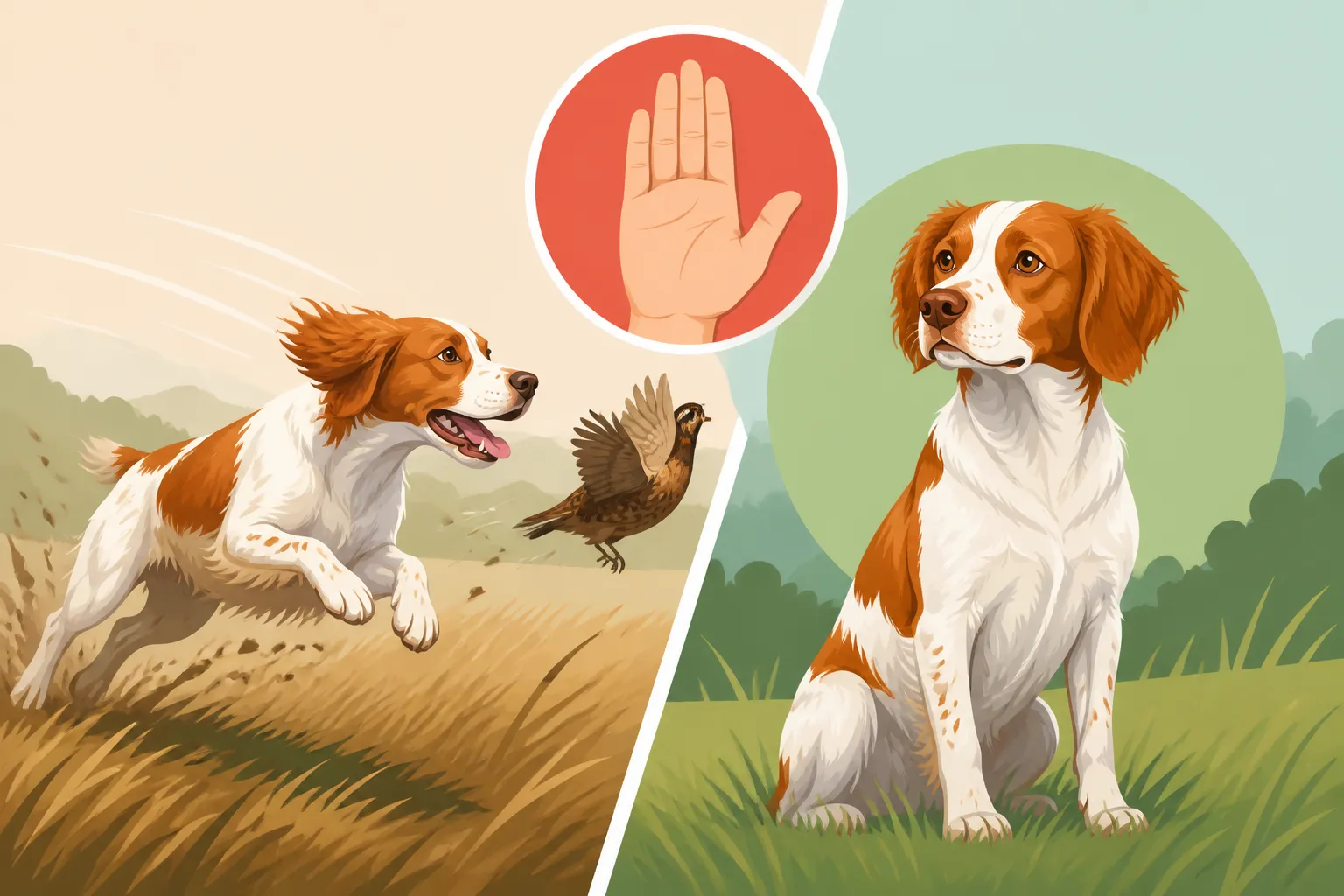
- Steady to Wing: As you approach the pointing dog, kick the bird up. The moment the bird flushes ("wing"), firmly give the "whoa" command and physically prevent any forward movement with the check cord if necessary. Praise lavishly for holding. This is Teaching a Brittany Steady to Wing. The dog must learn that flushing birds are not an invitation to chase. Repeat, repeat, repeat.
- Steady to Shot: Once your dog is consistently steady to wing, introduce the gun. With a planted bird, when the bird flushes, fire a blank pistol or a light shotgun while giving the "whoa" command. Again, enforce stillness. This is Teaching a Brittany Steady to Shot. The sound of the gun should not be a release to chase or retrieve; it's simply part of the bird-flushing sequence. Initially, don't shoot the bird; just use the sound. Gradually, you can introduce shooting the bird, but the dog still remains "whoa'd" until given a retrieve command.
The Role of the E-Collar in Reinforcement
For many experienced gun dog trainers, an e-collar (electronic collar) becomes an invaluable tool for reinforcing "whoa" and preventing chasing, especially at longer distances or in high-pressure situations. However, it's crucial to understand that an e-collar is a reinforcement tool, not a teaching tool. You teach "whoa" with physical methods like the check cord; you reinforce it with the e-collar.
The key is proper introduction and application. You want your Brittany to associate the e-collar stimulation with disobedience to a known command, not with the command itself or with the birds. Start with very low levels of stimulation in controlled environments, pairing it with commands they already know. When it comes to chasing, the e-collar allows for immediate, precise correction at the moment the dog begins to break point or chase. For instance, if your Brittany starts to creep or take a step after a flush despite your vocal "whoa," a timely, low-level stimulation can stop that behavior. Many owners worry about What an E Collar Costs a Brittany Owner, but the investment in a good quality, reliable e-collar can be worth it for effective, humane training if used correctly.
Remember, Brittanys are How Sensitive a Brittany Is to Correction. They do not respond well to harsh, heavy-handed methods. The e-collar must be used with finesse, starting with the lowest possible effective stimulation (often called a "nick" or a "tap") to simply interrupt the undesirable behavior, rather than punishing them. The goal is to make the wrong choice (chasing) uncomfortable, so the right choice (remaining steady) becomes more appealing. Never use an e-collar in anger or frustration. If you're new to e-collar training, seek guidance from an experienced professional.
Common Chasing Scenarios and Troubleshooting
Even with the best training, Brittanys are intelligent, strong-willed creatures, and you might encounter specific challenges. Understanding these common issues can help you troubleshoot and keep your training on track.
The Creeping Brittany
Some Brittanys won't full-on break point and chase, but they'll slowly inch forward, step by step, as you approach the bird. This "creeping" is still a form of chasing, as it indicates a lack of absolute steadiness. Why a Brittany Creeps on Point usually stems from excitement and the strong desire to get closer to the bird, combined with a lack of full understanding that "whoa" means no movement.
To correct this, you need to go back to basics with "whoa." Practice on a whoa post or with a check cord, explicitly correcting any forward movement. When working with planted birds, if your Brittany starts to creep, immediately enforce "whoa" with a check cord snap or a low-level e-collar stimulation (if introduced). Step forward, praise them for holding, then step back. Make them hold for longer durations. The key is consistency: any movement forward on point, no matter how small, is a break of the "whoa" command and must be corrected.
Breaking After the Flush or Shot
This is the classic chasing scenario: the bird flies, the gun goes off, and your Brittany is off to the races. This indicates that your "steady to wing" and "steady to shot" training wasn't absolute enough, or that the dog hasn't generalized the command to all situations.
Revisit your field work drills with planted birds. Ensure your dog is on a check cord or under e-collar control when the bird flushes. The instant they move a foot, give a firm "whoa" command and enforce it. It's crucial that they associate their movement with the correction, not the bird or the gun. Some trainers even advocate for Whether a Brittany Should Be Steady to Fall, meaning they remain steady even as a bird falls, only retrieving on command. This takes an extremely high level of control and is usually the mark of a truly "finished" gun dog.
If your Brittany is breaking consistently, reduce the pressure. Go back to easier birds or even just a flung retrieve dummy, gradually reintroducing the elements that trigger the break. The consistency of your correction and the clarity of your command are paramount. How Long a Brittany's Training Session Should Be is also important here; keep them short, positive, and end on a successful note to prevent burnout and frustration.
Dealing with Bumping Birds
When a Brittany rushes in and flushes a bird prematurely, often without a solid point, it's called "bumping" birds. This is intrinsically linked to chasing; the dog is so eager to get to the bird that it doesn't hold point, instead trying to get closer and causing the bird to fly before the hunter is ready. Whether a Brittany Bumps Birds can be incredibly frustrating in the field, as it wastes opportunities and spreads coveys.
Bumping birds is usually a symptom of inadequate "whoa" training and a dog that's not fully confident in its point or its handler. The solution is to strengthen the "whoa" command and work on building a more intense, solid point. Use planted birds in thicker cover, so the dog has to work harder to locate them and gets a stronger scent. When they hit point, give ample praise and let them savor the moment before you even think about moving in to flush. Reinforce that finding and pointing the bird is the reward, and that staying still is the expectation. Consistent, firm "whoa" application will teach them that rushing in is not tolerated.
Consistency and Patience: The Long Game
Training a Brittany to stop chasing is not a one-and-done deal. It requires unwavering consistency, immense patience, and a deep understanding of your dog's individual personality. Brittanys are intelligent, but they are also opportunists. If they find a loophole or sense inconsistency in your commands, they will exploit it.
Every outing, every training session, every walk, is an opportunity to reinforce desired behaviors. Don't let them get away with even a small creep in the yard if you expect them to be steady in the field. Remember that Brittanys thrive on routine and clear expectations. The more consistently you apply your commands and corrections, the faster they will learn.
It's also important to manage your Brittany's energy. A bored, under-exercised Brittany is much more likely to exhibit undesirable behaviors, including uncontrolled chasing. Ensure they get plenty of physical and mental stimulation, especially off-season. While they might appear to be settling down after a strenuous run, How Long it Takes a Brittany to Settle After a Run can vary, so ensure they have an outlet for their energy before expecting calm obedience. The goal is to develop a reliable, controlled gun dog, and that's a commitment that pays dividends over the many happy hunting seasons you'll share with your Brittany.
Disclaimer
This article is for general informational purposes only and does not constitute professional advice. Laws, prices and regulations vary by location and change over time. Consult a qualified professional for guidance on your specific situation.