Whether a Brittany Hunts Differently on Wild Birds
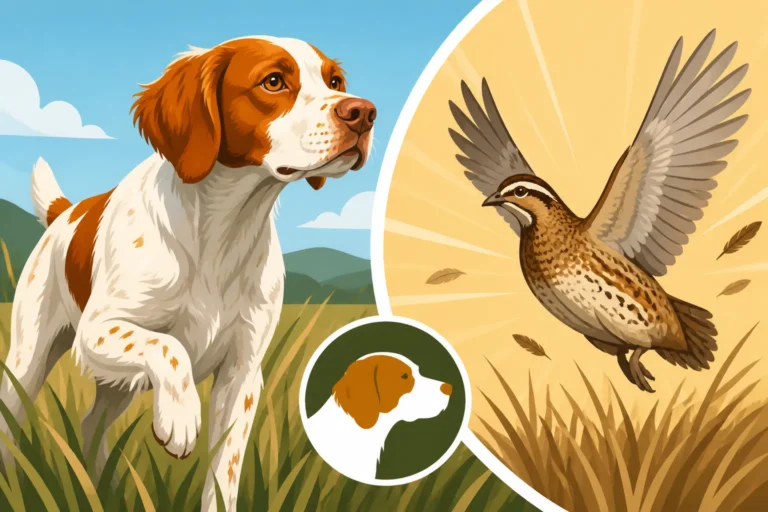
Anyone who has spent time afield with a Brittany, especially one primarily accustomed to planted birds, knows the subtle but significant shift that happens when you introduce them to true wild game. It's a common frustration for owners: your dog performs flawlessly on pheasants released from a launcher, but suddenly seems to lose its mind when faced with a shrewd covey of wild quail. This guide will delve into the nuances of how a Brittany's hunting style often changes on wild birds compared to planted ones, helping you understand why and what you can do to bridge that gap.
The Distinct Challenge of Wild Birds for a Brittany
Let's be real, wild birds are not the same as planted birds. Planted birds are often a bit dazed, sometimes reluctant to flush, and tend to hold tighter due to unfamiliarity with their surroundings or recent transport. Wild birds, on the other hand, are honed survivalists. They know their cover, their escape routes, and they're always thinking about the next move. This inherent difference fundamentally alters the dynamic for your Brittany.
Understanding the Instincts of Wild Game
Wild game birds, whether it's a covey of Mearns quail in Arizona or a solitary ruffed grouse in a New England thicket, are creatures of immense instinct. They aren't waiting around to be pointed. They're masters of deception and evasion. They'll run, they'll flush prematurely, they'll sit so tight you could almost step on them before exploding from underfoot. This requires a different level of discernment and persistence from your Brittany. For example, a sharp-tailed grouse might run a hundred yards before flushing, testing your dog's ability to trail scent and adjust its point, rather than simply locking up on a bird that's frozen in place. This running behavior is a major factor many Brittany owners underestimate; their dogs might be used to a quick, decisive point, not a chess match with a bird that's actively trying to escape.
The Impact of Natural Cover and Terrain
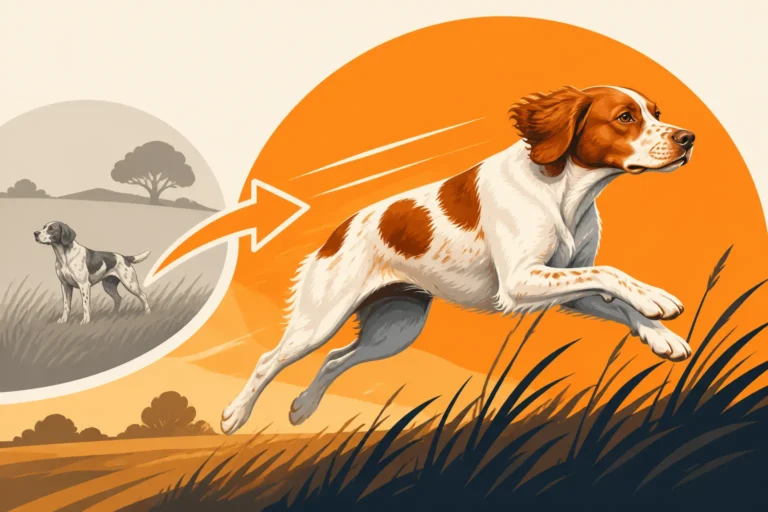
The environments where wild birds thrive are typically far more challenging than a manicured training field. We're talking dense briar patches, tangled multiflora rose, chest-high native prairie grasses, or steep, rocky ravines. This isn't just about making it harder for you to walk; it impacts your Brittany's ability to scent and navigate. Thicker cover can hold scent differently, disperse it quickly, or hide birds effectively, forcing your dog to work harder and more precisely. A dog that might cover ground like a rocket on open terrain may need to shorten its stride and methodically dissect cover when it's particularly thick, shifting from its usual wide-ranging style to a more concentrated search. Understanding Whether a Brittany Adjusts Its Range to Cover is crucial here; on wild birds, they absolutely must.
Scenting Conditions and Their Variability
Scent is the Brittany's primary tool, and wild bird hunting exposes it to an incredibly variable canvas of scenting conditions. Humidity, wind, temperature, ground cover, and even the time of day can dramatically alter how scent lies. A planted bird might leave a fairly consistent scent cone, but a wild bird running through damp leaves on a breezy morning creates a much more complex trail. Your Brittany needs to be able to pick up subtle air currents, trail ground scent when necessary, and interpret fading or broken scent pictures. It's like the difference between following a clear highway map and navigating by subtle atmospheric changes. This is where a Brittany's natural bird-finding abilities really get put to the test, and sometimes the frustration stems from the dog simply struggling to locate the bird, not from a lack of desire.
How Wild Birds Demand Different Behaviors from Your Brittany
The very nature of wild birds often compels a Brittany to adjust its customary hunting behaviors. What works perfectly for a game farm bird might be counterproductive or simply ineffective in the wild.
Range and Quartering Adjustments
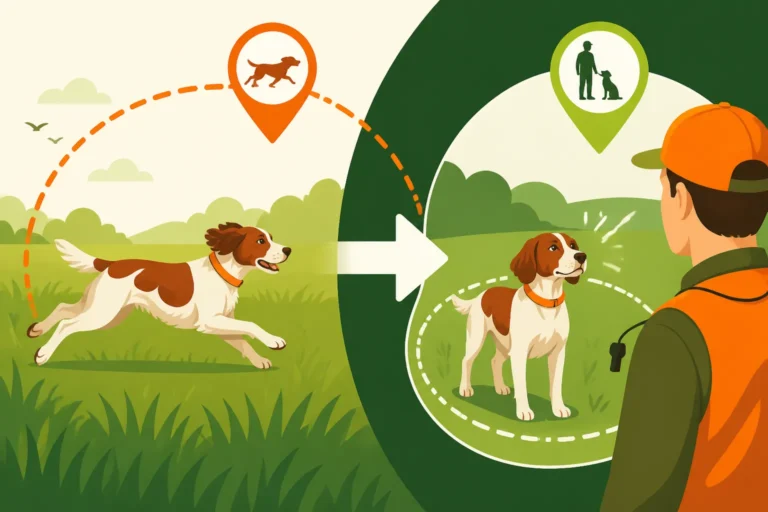
One of the most noticeable differences is how a Brittany's range and quartering pattern might shift. An American Brittany is often bred to cover a lot of ground, running out perhaps How Many Yards an American Brittany Runs Out. On expansive prairie, this wide-ranging style is a huge asset. However, in dense wild bird cover, or for specific species like ruffed grouse, that wide range can mean your dog is out of gun range or flushing birds too far ahead. A French Brittany, often preferred by foot hunters, naturally hunts closer, typically within How Many Yards a French Brittany Works, which can be an advantage in tighter cover. On wild birds, regardless of lineage, a Brittany often learns to adjust its range instinctively, either by shortening up in heavy cover or expanding in open fields. If they don't, it’s a sign that training needs to reinforce hunting for the gun, rather than just hunting birds.
Steadiness and Holding Point
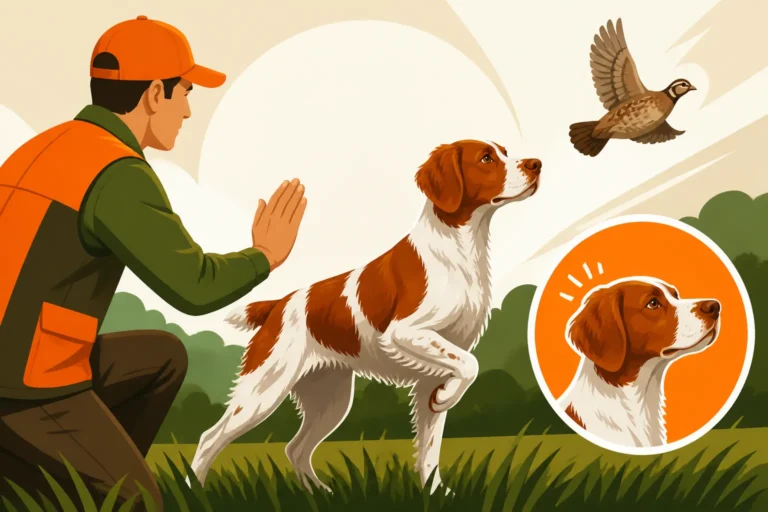
Wild birds are masters of psychological warfare against a pointing dog. They will often run, stop, then run again, testing a Brittany's resolve and steadiness. A Brittany that is perfectly steady to wing and shot on planted birds might be tempted to creep or break point when a wild pheasant starts running through tall grass. The sheer excitement and unpredictability of a wild flush can be overwhelming for a less experienced dog. This is where consistent training on Teaching a Brittany Whoa and Teaching a Brittany Steady to Wing becomes paramount. With planted birds, the bird often holds, making steadiness easier. With wild birds, the dog has to maintain composure even when the bird is actively trying to break the point, often requiring a higher level of discipline and self-control.
| Characteristic | Planted Bird Hunt | Wild Bird Hunt |
|---|---|---|
| Bird Behavior | Often holds tight, may be less active or dazed. | Runs, hides, flushes opportunistically, unpredictable. |
| Scenting | More consistent, easier to pinpoint. | Highly variable, affected by wind, cover, bird movement. |
| Cover | Often controlled, easier to navigate. | Dense, natural, challenging, requires precise work. |
| Dog Range | Can be wider, dog may not need to adjust as much. | Often needs to shorten, adapt to terrain and bird type. |
| Steadiness | Easier to maintain due to predictable bird. | Challenged by running birds, early flushes, high excitement. |
| Retrieve | Straightforward, less chance of lost birds. | Requires advanced tracking, perseverance, dealing with cripples. |
| Handler Role | Guiding, reinforcing known commands. | Reading dog and terrain, making quick decisions, trust. |
The Retrieve: More Than Just Bringing Back a Bird
Retrieving a bird shot over planted game is usually straightforward. The bird falls, the dog goes, picks it up, and returns. On wild birds, especially fast-flying upland game that might fall in heavy cover or over a creek, retrieving becomes a much more complex task. Crippled birds can run, hide, or swim, demanding a tenacious and intelligent retrieve. A Brittany that naturally retrieves well, a trait often debated as to Whether a Brittany Retrieves Naturally, still needs to develop the grit and problem-solving skills to find and recover a bird that isn't just lying still in plain sight. This often means working scent trails on the ground, navigating obstacles, and persevering even when the initial retrieve isn't obvious. This is also where a dog's health can impact performance; a Brittany with The Injuries a Brittany Picks Up in the Field might struggle with a tough retrieve in heavy cover.
Bridging the Gap: Training and Conditioning for Wild Birds
It's not enough to simply expect your Brittany to know how to hunt wild birds. The transition requires intentional training and conditioning that acknowledges the unique challenges.
Intentional Training Adjustments
To prepare your Brittany for wild birds, you need to simulate those conditions as much as possible. This means moving beyond simple planted-bird drills. Consider using training birds that are more active, like pigeons or wild-trapped quail, which are more inclined to run or flush hard. Resources that offer foundational training, such as those from BAXTER & Bella, can help solidify obedience and steadiness before adding the complexities of wild game. You'll want to work in varied cover, teaching your dog to adjust its speed and range. Introducing your Brittany to different types of terrain during training helps them learn to navigate obstacles and understand how scent behaves in different environments. Furthermore, working on blind retrieves and tracking drills will hone their ability to find downed game that isn't readily visible. You might even find specialized training equipment on Amazon that helps simulate these challenging conditions.
The Role of Handler Communication and Trust
On wild birds, the bond and communication between you and your Brittany become even more critical. Wild birds often force quick decisions and subtle directional changes. Your dog needs to trust your whistle commands and hand signals implicitly, and you need to trust your dog's nose and instincts. There will be times when your dog is locked on point in a thicket, and you have to trust that bird is there, even if you can't see it. Learning to "read" your dog – understanding their tail action, head position, and intensity of point – is vital to knowing how to approach a bird. If your dog starts to creep on a wild runner, a quick, firm "whoa" should stop them in their tracks, demonstrating the importance of command reliability under pressure.
Conditioning for the Rigors of the Wild
Hunting wild birds is physically demanding for both dog and handler. Your Brittany needs to be in peak physical condition to withstand long days of traversing tough terrain, pushing through dense cover, and making multiple retrieves. This isn't just about running them in the backyard; it requires a structured conditioning program. Conditioning a Brittany Before the Season Opens is not just a suggestion, it's a necessity. Their pads need to be toughened, their stamina built, and their muscles primed. An under-conditioned dog will tire quickly, leading to sloppy work, missed birds, and potential injury. You want a dog that can sustain its energy and focus for hours, not one that's dragging its tail after the first covey.
The Influence of Species and Environment on Wild Bird Hunting
Not all wild bird hunts are created equal, and the type of bird you're pursuing, along with the specific environment, will profoundly influence how your Brittany performs.
Different Bird Species, Different Strategies
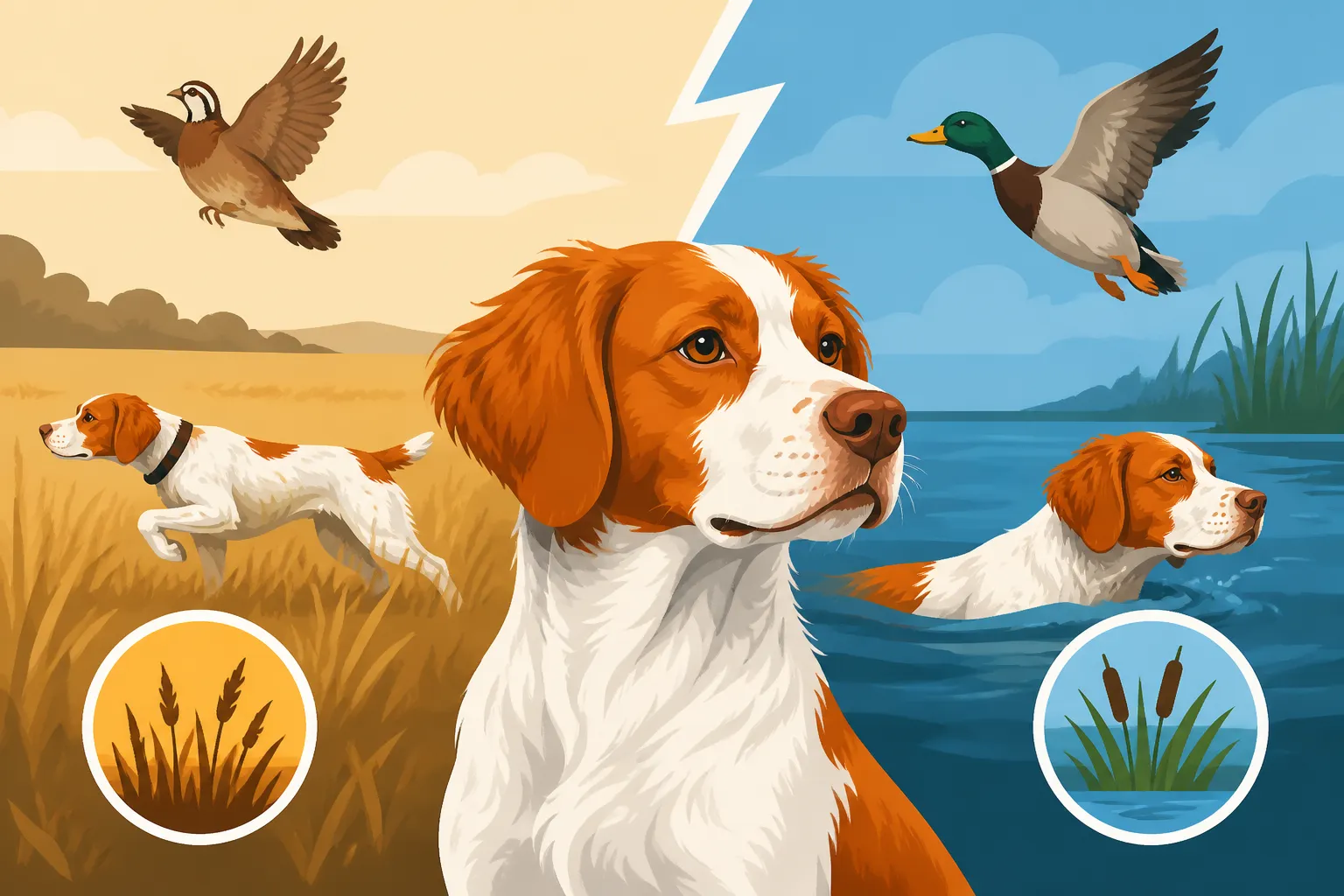
Consider the vast differences between hunting bobwhite quail, ruffed grouse, and Hungarian partridge. Quail often hold tight but can scatter widely; ruffed grouse are notorious for flushing wild from dense cover; and Huns are runners that can be difficult to pin down. Your Brittany might excel at pointing a tight-holding covey of quail, demonstrating perfect manners. But put them on a spooky grouse, and they might have to learn to adjust their point to anticipate a sudden flush. This isn't about teaching them a new point, but rather refining their existing instincts to adapt to the specific behaviors of different game birds. Whether a Brittany Should See Quail Before Pheasant is a relevant consideration, as starting with less challenging birds can build confidence.
Terrain and Habitat Specifics
The terrain itself dictates much of the hunting style. Hunting pheasants in vast, open CRP fields in the Dakotas allows for a wide-ranging dog that can cover miles of ground. Conversely, chasing woodcock in alders along a damp creek bottom requires a much closer working, methodical approach. Your Brittany's intelligence shines when it learns to adapt its search pattern and speed to the habitat. A dog that is usually a blazing fast runner will learn to slow down and meticulously comb through dense thickets, knowing that birds hold tighter there. This adaptability is part of what makes the Brittany such a beloved versatile pointing breed, but it's a skill that's honed through extensive exposure to varied conditions, not just a single environment.
Season Progression and Weather Variations
The time of year and the weather also play significant roles. Early season hunts, especially in warm weather, can limit how long a Brittany can hunt effectively. They might overheat quickly, impacting their drive and focus. Signs a Brittany Is Overheating in the Field are critical to recognize. Later in the season, when temperatures drop and cover dies back, birds often become wilder and more concentrated, requiring an even higher level of stealth and precision from your dog. The Brittany's coat, while protective, might need additional consideration in very cold or wet conditions to prevent them from becoming chilled and losing focus on their task. These environmental factors aren't just inconveniences; they directly influence your dog's ability to hunt effectively and safely.
Ultimately, hunting wild birds with your Brittany is a journey of continuous learning and refinement. It pushes both dog and handler to their limits, but the rewards—a perfectly executed point on a wily wild pheasant, a challenging retrieve in heavy cover, the satisfaction of working with a truly versatile partner—are immeasurable. It's in these wild places, confronting these challenging birds, that the Brittany truly comes into its own as a gun dog.
Disclaimer
This article is for general informational purposes only and does not constitute professional advice. Laws, prices and regulations vary by location and change over time. Consult a qualified professional for guidance on your specific situation.