How Many Yards a French Brittany Works
One of the most common questions new Brittany owners, especially those interested in the French lines, ask is about their dog's working range. It's a valid concern because a dog that hunts too far out can be a nightmare in dense cover or for a walking hunter, while one that's too close might not cover enough ground. This guide will walk you through what to realistically expect from a French Brittany's working distance and how various factors influence it.
Understanding the French Brittany's Natural Hunting Range
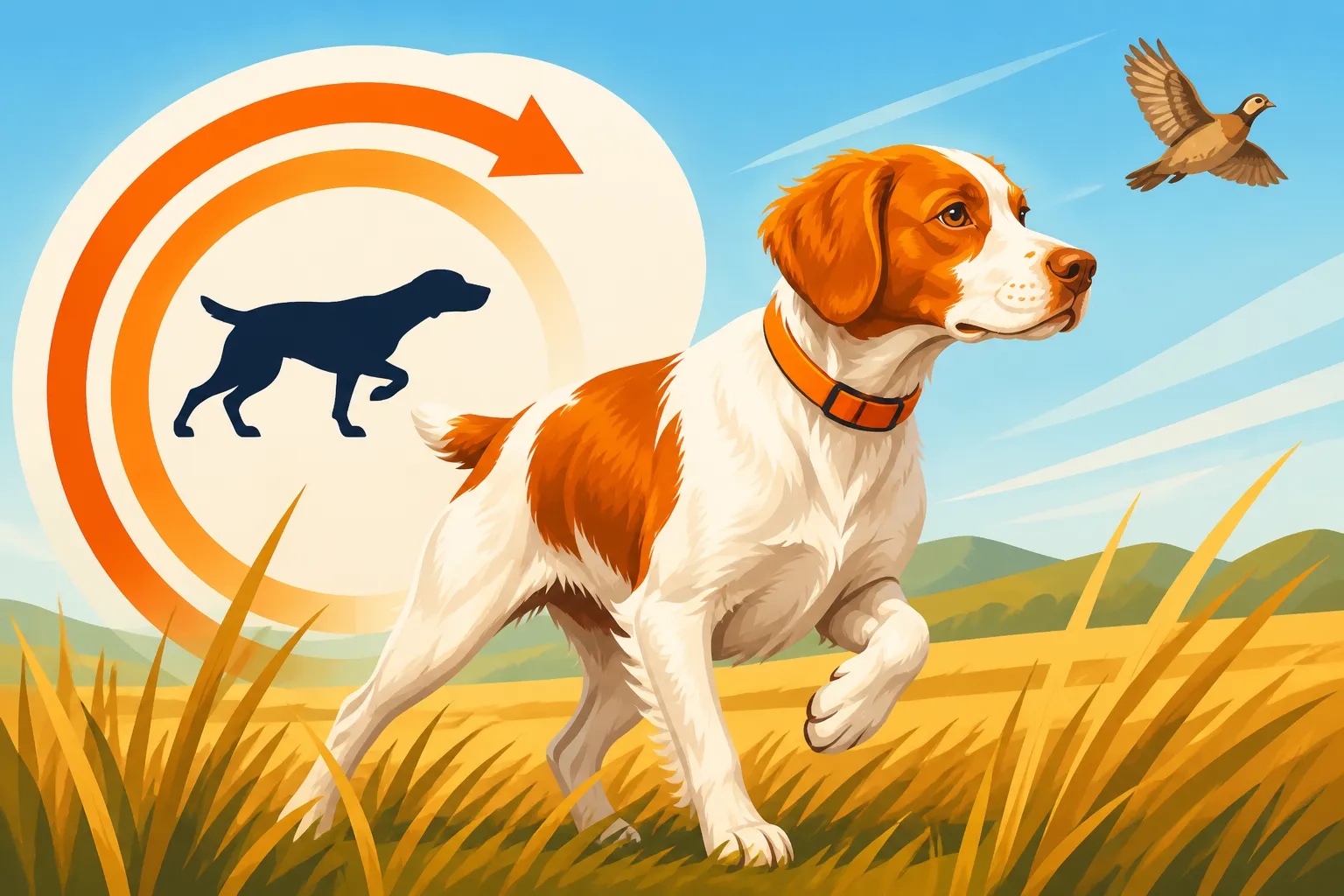
When you hear people talk about a French Brittany, often referred to as an Epagneul Breton, one of the first things that comes up is their reputation for working closer to the gun. This isn't just anecdotal; it's a characteristic deeply ingrained in their breeding history and the hunting culture they originated from. Unlike some of their American cousins, which were often bred for vast open fields and horseback trials, the French Brittany developed in smaller, more diverse terrain where hunters were typically on foot. They needed a dog that would systematically cover ground within shotgun range, keeping the bird in front of them without disappearing over the next hill.
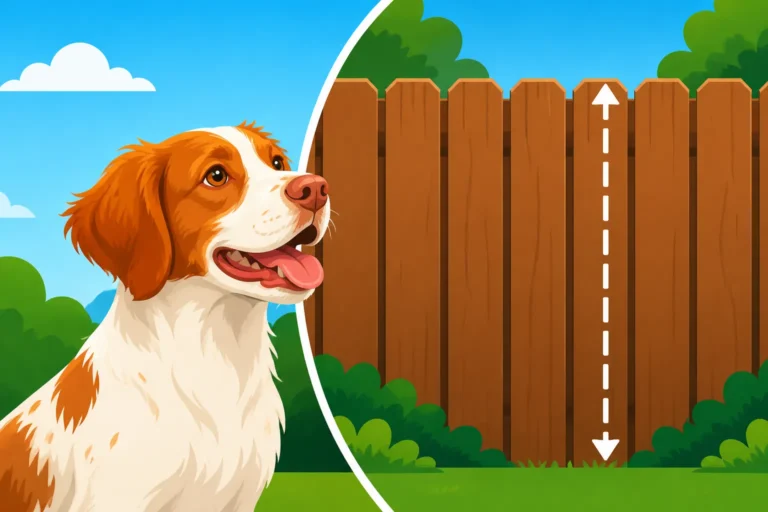
Think about the classic French countryside: vineyards, hedgerows, small woodlands, and often dense undergrowth. A dog that ranges a quarter-mile out in such conditions is utterly useless to a walking hunter. They'd lose sight of the dog constantly, birds would be flushed out of range, and communication would be impossible. So, centuries of selective breeding cultivated a dog with an inherent desire to stay connected to their human partner. This isn't to say a French Brittany can't or won't extend its range in open terrain, but their default, their comfort zone, is usually within 50 to 100 yards, often even closer, especially in heavy cover. This instinctual trait makes them an absolute joy for the foot hunter who appreciates a dog that works with them, not just for them. For more on their origins, you might find Where the Brittany Comes From interesting.
This close-working style is a huge draw for many hunters. It means fewer lost dogs, better control over the hunt, and the ability to work smaller plots of land effectively. You spend less time worrying about where your dog is and more time focusing on the birds. It also makes them fantastic companions off-season, as that desire to stay near translates well into general obedience and a strong bond.
Factors Influencing a French Brittany's Working Distance
While the natural inclination of a French Brittany is to work closer, it's not a rigid rule. Several factors can influence how far your individual dog decides to range. Understanding these can help you manage expectations and train your dog effectively.
Genetics and Individual Temperament
Even within the French Brittany lines, there can be some variation based on specific lineage and the individual dog's personality. Some puppies will naturally be bolder and more independent, pushing the boundaries of their range, while others will be more cautious and prefer to stay glued to your hip. A good breeder will be able to give you insights into the working style of the parents and previous litters, helping you choose a puppy whose inherent range aligns with your hunting style.
Furthermore, a dog's general temperament plays a significant role. A very confident, high-drive Brittany might stretch its range a bit more, especially if it's finding birds consistently. Conversely, a softer, more sensitive dog might naturally stick closer, seeking reassurance from its handler. This is why understanding What a Brittany's Temperament Is Really Like is so crucial. Early socialization and training can also help shape this, but genetics lay the foundation.
Training and Handler Communication
This is perhaps the most significant factor you, as the owner, have control over. While a French Brittany has a predisposition for a closer range, you can certainly influence it through consistent training. A solid "here" or "come" command, taught from puppyhood, is paramount. Using a long check cord and positive reinforcement to encourage check-ins and responsiveness will reinforce the desired range. Brands like BAXTER & Bella offer online puppy programs that can establish a great foundation for recall and communication, which are vital for range control.
The type of training you provide dictates much of the dog's eventual working style. If you always allow your dog to push the limits without consistent checks, they will learn that a wider range is acceptable. If, however, you reward closer work and actively call them in when they start to stretch too far, they will learn the desired boundaries. Using a whistle for directional commands and recall is also incredibly effective, especially as a dog gets further out and vocal commands become less clear. You might also want to explore How to Shorten a Brittany's Range for practical tips on this.
Terrain and Cover
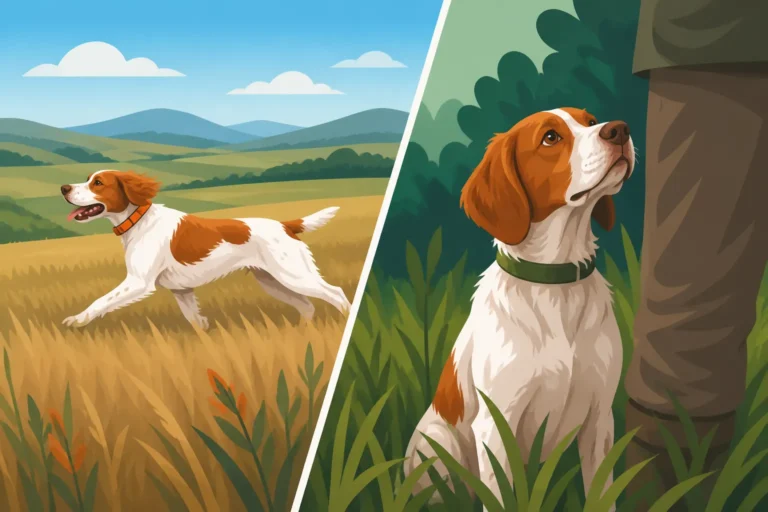
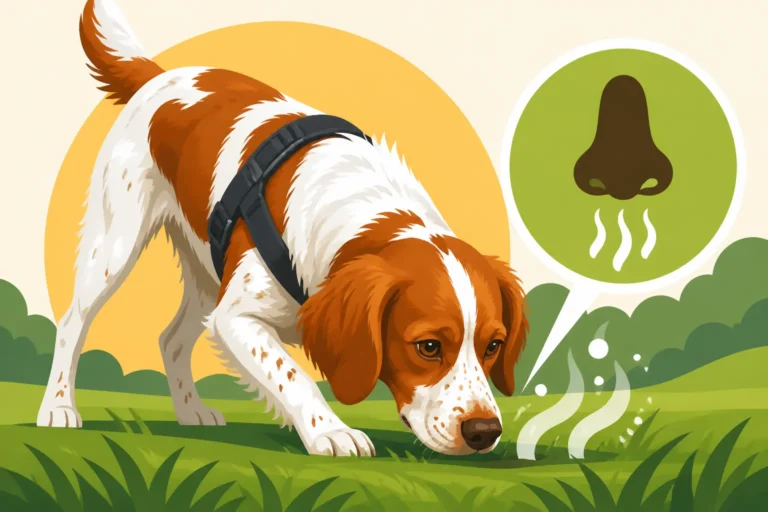
The environment in which you hunt drastically impacts a dog's working range, regardless of breed. In dense cover like thick woods, tall switchgrass, or heavy briars, even a wide-ranging dog will naturally shorten its cast. It's simply harder to move quickly and see birds, and the dog instinctively knows it needs to stay in contact. In such conditions, a French Brittany might work as close as 10-20 yards, meticulously scenting the ground and checking in frequently.
Conversely, in wide-open fields with sparse cover, any Brittany, including French lines, will naturally expand its range. There's more ground to cover, birds are often more spread out, and visibility is excellent. While an American Brittany might stretch to 200+ yards in these conditions, a French Brittany will still likely remain within 75-150 yards, a stark contrast to their dense cover performance, but still considerably closer than many other pointing breeds. This adaptability to terrain is one of the hallmarks of the breed.
Bird Density and Experience
A dog's experience level and the density of birds in the field also play a role. A young, inexperienced French Brittany, or one hunting in an area with very few birds, might be less confident and stick closer. They might be unsure of where to find game and rely more on their handler.
As a dog gains experience and confidence, especially if they are consistently finding and pointing birds, they might feel more comfortable expanding their search pattern. A seasoned dog knows where to look and how to efficiently cover ground. However, even then, the inherent programming of a French Brittany to check in and work for the gun usually keeps them within a manageable distance. If a dog is bumping birds or working out of effective gun range, it signals a need for more consistent training on steadiness and range control.
Benefits and Considerations for the Foot Hunter
For the hunter who prefers to walk rather than ride, the French Brittany's natural working range is a distinct advantage. It aligns perfectly with the rhythm of a walking hunt, creating a harmonious partnership in the field.
Ideal for Walking Hunters and Smaller Cover
The primary benefit is obvious: you don't need a horse or a vehicle to keep up with your dog. A French Brittany's 50 to 100-yard (or even closer) range means they'll be working just ahead of you, always within sight or sound, especially with a bell or beeper collar. This allows you to hunt effectively in areas where larger, wider-ranging dogs might be difficult to manage, such as smaller public lands, thick woodlots, or rolling terrain. You're able to maintain constant communication, direct them to specific cover, and be ready when they go on point.
It also means less physical exertion for you trying to catch up to a dog that's constantly disappearing. For many, the joy of upland hunting is the walk, the interaction with the dog, and the challenge of finding birds on foot. A French Brittany enhances this experience by truly being a "partner" within arm's reach, rather than a distant scout. This cooperative nature is a major reason why many foot hunters specifically seek out this line.
Enhanced Communication and Control
With a French Brittany working within a reasonable range, your commands are more effective. A quiet whistle blast or a hand signal can easily reach them, allowing you to guide them through cover, call them off unproductive ground, or simply check in. This close connection means you have more control over the hunt, which is especially important in areas with varying cover, property lines, or other hunters.
This enhanced communication also builds a stronger bond between you and your dog. They learn to trust your directions and anticipate your movements, and you learn to read their body language as they work. This isn't just about efficiency; it's about the deep connection that forms when you and your dog are truly working as a team. For those interested in contrast, consider How Many Yards an American Brittany Runs Out.
Adaptability to Varied Terrain
While the French Brittany excels in closer quarters, their intelligence and desire to please mean they can adapt to a variety of hunting scenarios. They won't typically run as big as an American Brittany in wide-open country, but they will adjust their search pattern to the conditions. In dense brush, they'll shorten up and methodically comb every inch. In more open areas, they'll stretch out a bit more, still hunting efficiently but with a built-in "invisible fence" that keeps them connected to you.
This adaptability makes them incredibly versatile. You can hunt them in thick grouse woods one day and open pheasant fields the next, with confidence that they will adjust their range appropriately. This is one of the primary characteristics that makes them such a cherished breed for versatile hunters.
Managing and Encouraging Ideal Range
Getting your French Brittany to work at an ideal range is a blend of understanding their natural instincts and applying consistent training. It's about nurturing their cooperative spirit, not breaking it.
Foundation Training for Range Control
Start early with strong recall training. Every time your puppy comes when called, reward them enthusiastically. Use a long check cord, available on platforms like Amazon, in open areas to allow them to explore but bring them back frequently. This teaches them that coming to you is a positive experience and that they don't have to range too far to have fun.
Teach directional commands like "whoa," "left," and "right" so you can guide them even when they're working a bit further out. A reliable "whoa" is particularly important for holding them steady on point until you arrive. For a solid start, Teaching a Brittany Whoa is a great resource. Integrate these commands into daily walks and play, making them second nature.
Using Equipment to Aid Range Management
While a French Brittany naturally works closer, certain tools can be incredibly helpful for maintaining and communicating ideal range, especially in varying conditions.
- Beeper Collars: A beeper collar is almost standard equipment for upland hunting dogs. It allows you to hear where your dog is even when they are out of sight in thick cover or just over a rise. Many collars have settings that beep constantly when the dog is moving and switch to a steady tone when they go on point. This audible feedback is invaluable for a foot hunter, helping you keep track of your dog's location without needing them to be constantly visible. Whether a Beeper Collar Changes a Brittany's Range might offer some additional insights.
- GPS Collars: For those hunting in truly vast or unfamiliar territory, a GPS collar provides an extra layer of security. While a French Brittany usually stays within a manageable distance, unexpected flushes or challenging terrain can sometimes lead a dog further than intended. A GPS collar can help you pinpoint their exact location quickly, bringing peace of mind.
- Whistle: A lightweight, easy-to-use whistle is a hunter's best friend. Its sharp, consistent sound carries further than your voice, especially in windy conditions or over long distances. Using specific whistle patterns for recall or direction can be highly effective and prevents you from shouting, which can spook birds.
Reinforcing Desired Behavior in the Field
When hunting, consistently reinforce the range you desire. If your French Brittany starts to push out too far, gently call them back with your whistle. When they return, praise them and perhaps toss a bird bumper a short distance to keep their engagement close. Don't punish them for ranging, but consistently guide them back to the desired working distance with positive interactions.
Make sure that you are moving at a consistent pace that allows your dog to work effectively. If you're moving too slowly, they might feel the need to range wider to find birds. If you're moving too fast, they might struggle to cover the ground properly. The goal is to establish a rhythm where you and your dog are working as a cohesive unit. Remember, the bond and communication you build with your French Brittany are what truly define their working range in the field.
| Characteristic | French Brittany (Epagneul Breton) | American Brittany (Brittany Spaniel) |
|---|---|---|
| Typical Working Range | 30-100 yards | 75-200+ yards |
| Ideal for | Foot hunters, dense cover, smaller parcels, walking trials | Horseback trials, large open fields, walking hunters covering vast ground |
| Primary Breeding Focus | Close-working, cooperative, biddable for foot hunter | Wide-ranging, independent for fast-paced trials |
| Communication Style | Highly responsive to close commands, frequent check-ins | Excellent bird finder, may require more long-distance handling |
| Physical Stature | Often more compact, slightly smaller | Can be taller, lankier in field lines |
Disclaimer
This article is for general informational purposes only and does not constitute professional advice. Laws, prices and regulations vary by location and change over time. Consult a qualified professional for guidance on your specific situation.