Whether Submissive Urination Happens in Brittanys
Oh, the joy of a bouncy, affectionate Brittany greeting you at the door, only to be followed by that sudden, embarrassing puddle! If you're dealing with submissive urination in your Brittany, you are absolutely not alone. Many owners feel frustrated, even a little bit helpless, when their sweet, eager dog seems to choose to pee when excited or nervous. But here's the thing: it's not a choice, and it's certainly not spite. This guide is here to shed light on why your Brittany might be doing this, validate your feelings, and give you practical, empathetic strategies to help your beloved companion overcome it.
Understanding Submissive Urination in Brittanys: It's Not What You Think
It’s easy to feel like your dog is deliberately trying to defy you or make a mess, especially when you’ve just come home, and they’re so happy to see you. But submissive urination is a complex, involuntary behavior that stems from your Brittany’s deep-seated instincts and often, their incredibly sensitive nature. It’s a communication signal, not a potty training failure.
What is Submissive Urination, Really?
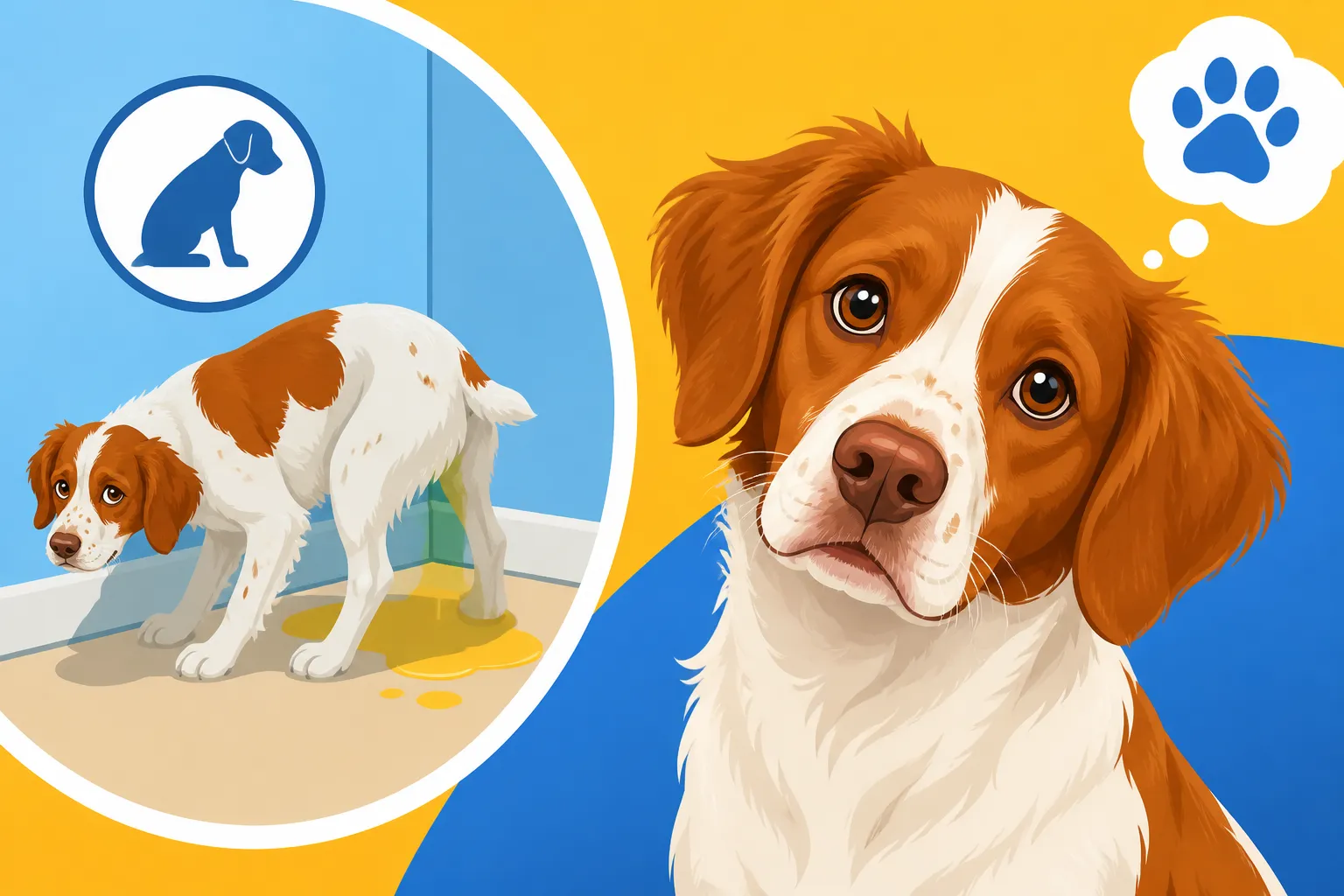
At its core, submissive urination is an involuntary response to perceived threat, stress, or sometimes, overwhelming excitement. Think of it as your dog's way of saying, "I'm no threat to you! Please don't hurt me!" or "I'm so overwhelmed by this situation/excitement that I can't control myself." When a dog submissively urinates, they often display other body language cues like cowering, tucking their tail, flattening their ears, averting eye contact, or even rolling onto their back to expose their belly. It's truly not within their conscious control.
Brittanys, with their famously "soft" temperaments, can be particularly prone to this. You see, The Brittany Is the Softest of the Pointing Breeds, which means they often respond very strongly to perceived pressure or even just intense emotions. Their natural eagerness to please, combined with their sensitivity, can make them feel easily overwhelmed, leading to these involuntary leaks. It’s a primal appeasement gesture, a way to defuse a tense social situation from their perspective.
Why Brittanys Are Prone to This Behavior
Brittanys are bright, energetic, and generally very biddable dogs, but they also possess a deep well of sensitivity. This makes them fantastic companions and quick learners in the field, but it can also make them more susceptible to behaviors like submissive urination. Their desire to please is immense, but sometimes that desire, when coupled with a situation they perceive as stressful or intimidating, can short-circuit into an involuntary release of urine.
Imagine a young Brittany puppy, eager to greet a new, tall stranger. The stranger leans over, makes direct eye contact, and speaks in a booming voice. To us, it's a friendly greeting. To the sensitive puppy, this might be perceived as a dominant, intimidating posture, triggering an involuntary submissive response. Similarly, a harsh word or a loud reprimand, even if it's not aimed directly at the dog for urinating, can be enough to trigger it. What Happens When You Shout at a Brittany can be quite profound, as they are not dogs that tolerate harsh corrections well. Their eager, sometimes bouncy nature also means that intense excitement, like when you walk through the door after a long day, can simply be too much for their bladder to hold, especially when they're young and still developing bladder control.
Identifying the Triggers and Your Role in the Equation
To help your Brittany, the first and most crucial step is to become a detective and identify what sets off this behavior. It’s rarely random; there are usually specific patterns and triggers. Once you understand why it's happening, you can start to adjust your approach and environment.
Common Situations Where Submissive Urination Occurs
While every dog is an individual, certain scenarios frequently trigger submissive urination in sensitive breeds like Brittanys. Pay close attention to when and how your dog tends to urinate.
- Greetings: This is perhaps the most common trigger. When you come home, or when guests arrive, your Brittany's excitement or nervousness can manifest this way. This often involves people looming over them, making direct eye contact, or speaking in high-pitched, excited tones.
- Approaches: If someone unfamiliar, or even someone your dog perceives as dominant, approaches them quickly or directly, it can trigger the behavior. This applies to other dogs too!
- Startling Events: Loud noises, sudden movements, or unexpected changes in the environment can be overwhelming.
- Scolding or Punishment: Even if you're scolding them for something else entirely, a harsh tone or angry body language can trigger submissive urination. Remember how sensitive Brittanys are; they don't respond well to this. How Sensitive a Brittany Is to Correction is a key point here. They might be trying to appease you.
- New or Unfamiliar Environments: A new vet office, a busy street, or a new training class can be overstimulating or intimidating.
- Physical Contact: Reaching over your Brittany's head to pet them, or holding them too tightly, can sometimes be perceived as a dominant gesture.
Here's a quick table to help you recognize potential triggers and how your dog might be interpreting them:
| Human Action/Situation | Brittany's Perception (Possible) | Submissive Urination Trigger Likelihood |
|---|---|---|
| Leaning over to pet | Intimidating posture, perceived dominance | High |
| Direct, sustained eye contact | Threatening gaze | High |
| Loud, booming voice | Startling, aggressive tone | High |
| Harsh scolding/punishment | Feeling pressured, fear, appeasement | Very High |
| Excited, energetic greetings | Overwhelming stimulation, lack of control | Moderate to High (especially in puppies) |
| Quick, direct approach | Feeling cornered, flight instinct suppressed | High |
| New, noisy environment | Overstimulation, anxiety | Moderate |
Your Actions Can Unintentionally Worsen It
It's natural to feel frustrated when your dog pees inside, especially if you've been working on house training. However, your reaction to submissive urination is critical. If you respond with anger, shout, or punish your Brittany, you are inadvertently making the problem worse. Your dog interprets your anger not as "You shouldn't pee inside," but as "This human is angry and scary right now," which only heightens their anxiety and reinforces the very behavior you want to stop.
Think about it: if your dog pees because they're scared of your anger, and you then get angry when they pee, you've created a vicious cycle. They'll become even more anxious and likely to pee in similar situations. It's a hard truth, but sometimes we, as owners, contribute to the problem without even realizing it, simply because we're reacting emotionally. Remember that your Brittany really does want to please you, and Whether a Brittany Reads Your Mood is certainly true; they pick up on every nuance of your emotional state.
Practical Strategies for Managing and Reducing Submissive Urination
Now that you understand why your Brittany might be doing this, let's talk about what you can actually do. The key is patience, consistency, and a commitment to positive reinforcement. You're essentially working to rebuild your dog's confidence and teach them new, more appropriate ways to cope with triggers.
Creating a Low-Stress Environment
The foundation of managing submissive urination is to minimize the situations that trigger it. This requires conscious effort and a change in how you, and others, interact with your Brittany.
- Calm Greetings: When you come home, try to ignore your Brittany for the first few minutes. Let them calm down. Once they're settled, greet them quietly, squatting down to their level rather than looming over them. Avoid direct, intense eye contact at first. Speak in a soft, soothing tone. Encourage guests to do the same. If your Brittany is prone to really excited greetings, consider taking them outside immediately upon arrival before any greeting takes place, allowing them to relieve themselves.
- Gentle Approaches: Teach everyone who interacts with your dog to approach slowly and from the side, avoiding direct head-on approaches. Let your Brittany come to them. Encourage petting under the chin or on the chest, rather than over the head or on the back.
- Avoid Punishment: This cannot be stressed enough. Never, ever punish your Brittany for submissive urination. It will only increase their anxiety and worsen the problem. If an accident happens, clean it up calmly without fuss. How Long a Brittany Remembers a Bad Session can be quite a while, reinforcing negative associations.
- Consistent Routine: A predictable daily schedule for potty breaks, meals, and exercise can help reduce overall anxiety, giving your Brittany a sense of security.
Building Confidence and Positive Associations
Once you've started minimizing triggers, the next step is to actively build your Brittany's confidence. A more confident dog is less likely to feel the need for extreme appeasement behaviors.
- Positive Socialization: Continue to socialize your Brittany in a controlled, positive manner. Whether a Brittany Puppy Should Be Socialized Heavily is crucial from a young age, but it's never too late to gently introduce them to new sights, sounds, people, and other calm dogs. Always ensure these experiences are positive and non-threatening.
- Obedience Training with Positive Reinforcement: Enrollment in a positive reinforcement obedience class can do wonders. It builds your dog's confidence through success and strengthens your bond. Companies like BAXTER & Bella offer excellent online training resources that focus on these gentle, confidence-building methods, which are perfect for a sensitive Brittany. Short, frequent training sessions are best for Brittanys, as How Long a Brittany's Training Session Should Be should be kept brief to maintain their engagement and avoid overwhelming them. Focus on basic commands like "sit," "stay," and "come," rewarding every success generously with high-value treats and praise.
- Desensitization and Counter-Conditioning: If specific triggers are identified (e.g., loud noises, certain people), you can work on gradually desensitizing your Brittany. This involves very slowly exposing them to the trigger at a low intensity, pairing it with something positive (like treats or a favorite toy), and gradually increasing the intensity over time. For example, if they urinate when a particular friend visits, have that friend greet them from a distance, calmly, with treats, gradually getting closer over several visits.
- Calming Aids: Sometimes, environmental aids can help reduce overall anxiety. Pheromone diffusers or calming supplements (many reputable brands are available on Amazon) can create a more relaxed atmosphere for your dog, especially during times of change or when you know they'll be exposed to triggers.
Managing the Mess and Maintaining Hygiene
While you're working on the behavioral aspects, it's also important to manage the practical side of things.
- Enzyme Cleaners: Accidents will happen as you work through this. Always use an enzymatic cleaner (like those you can easily find on Amazon) to thoroughly clean up urine. This breaks down the odor molecules that can attract your dog back to the same spot, and it removes the scent that only a dog can detect. Regular household cleaners won't cut it.
- Temporary Management Tools: For times when you anticipate a trigger (e.g., visitors coming over), consider using doggy diapers or belly bands. These can help contain the mess and save your floors, though they are not a solution to the underlying behavioral issue. They can be particularly helpful for younger dogs still developing bladder control, or when guests aren't quite ready to follow your calm greeting protocols.
- Frequent Potty Breaks: Ensure your Brittany has ample opportunities to relieve themselves outside. This reduces the chances of them having a full bladder when a trigger occurs.
When to Seek Professional Help and What to Expect
While many cases of submissive urination can be managed with consistent effort at home, there are times when bringing in a professional can make a significant difference. Don't hesitate to seek expert advice; it's a sign of a responsible owner!
Recognizing When It's More Than Just Submission
First, it’s always a good idea to rule out any underlying medical conditions. A trip to the veterinarian is essential to ensure that your Brittany isn't suffering from a urinary tract infection (UTI), bladder stones, or other medical issues that could cause incontinence. These are often easy to treat and can resolve the issue quickly.
You also want to differentiate submissive urination from excitement urination, which is very common in puppies and often resolves as they mature and gain better bladder control. While the physical act is similar, submissive urination usually has those additional body language cues of appeasement or fear. If the urination is happening consistently past puppyhood, or if it's accompanied by clear signs of stress or fear, it's more likely submissive urination. Also, consider if What an Under Exercised Brittany Does at Home might be contributing to general anxiety that could exacerbate urination issues.
Consulting a Professional Dog Trainer or Behaviorist
If you've tried the strategies above with consistent effort and aren't seeing improvement, or if the problem is severe and frequent, it's time to consult a certified professional dog trainer or a veterinary behaviorist. They can provide a tailored plan specifically for your Brittany's unique situation.
A good professional will:
- Assess the Situation: They'll observe your dog's behavior, ask detailed questions about the triggers, your reactions, and your dog's history.
- Rule Out Medical Issues: They'll confirm that a vet visit has ruled out health problems.
- Develop a Custom Plan: They will create a step-by-step plan that might include specific counter-conditioning exercises, confidence-building games, and precise instructions on how you and your household should interact with your dog. They understand that Whether a Brittany Suits a First Time Owner can be challenging if behaviors like this arise, and can offer specialized support.
- Focus on Positive Reinforcement: Any reputable trainer will emphasize humane, positive training methods. They will never recommend harsh corrections or punishment for submissive urination.
- Provide Ongoing Support: They can guide you through the process, troubleshoot issues, and adjust the plan as your Brittany progresses. Look for professionals who have experience with sensitive breeds and understand their unique needs, like those who might understand why Whether a Brittany Is Timid With Strangers could be a factor.
Dealing with submissive urination in your Brittany can be a challenging journey, but it is absolutely one you can navigate successfully with patience, understanding, and the right approach. Your Brittany's sweet nature and eagerness to please are still there, just waiting for you to help them feel secure and confident in their world. You’ve got this!
Disclaimer
This article is for general informational purposes only and does not constitute professional advice. Laws, prices and regulations vary by location and change over time. Consult a qualified professional for guidance on your specific situation.