Whether a Brittany Points Butterflies First
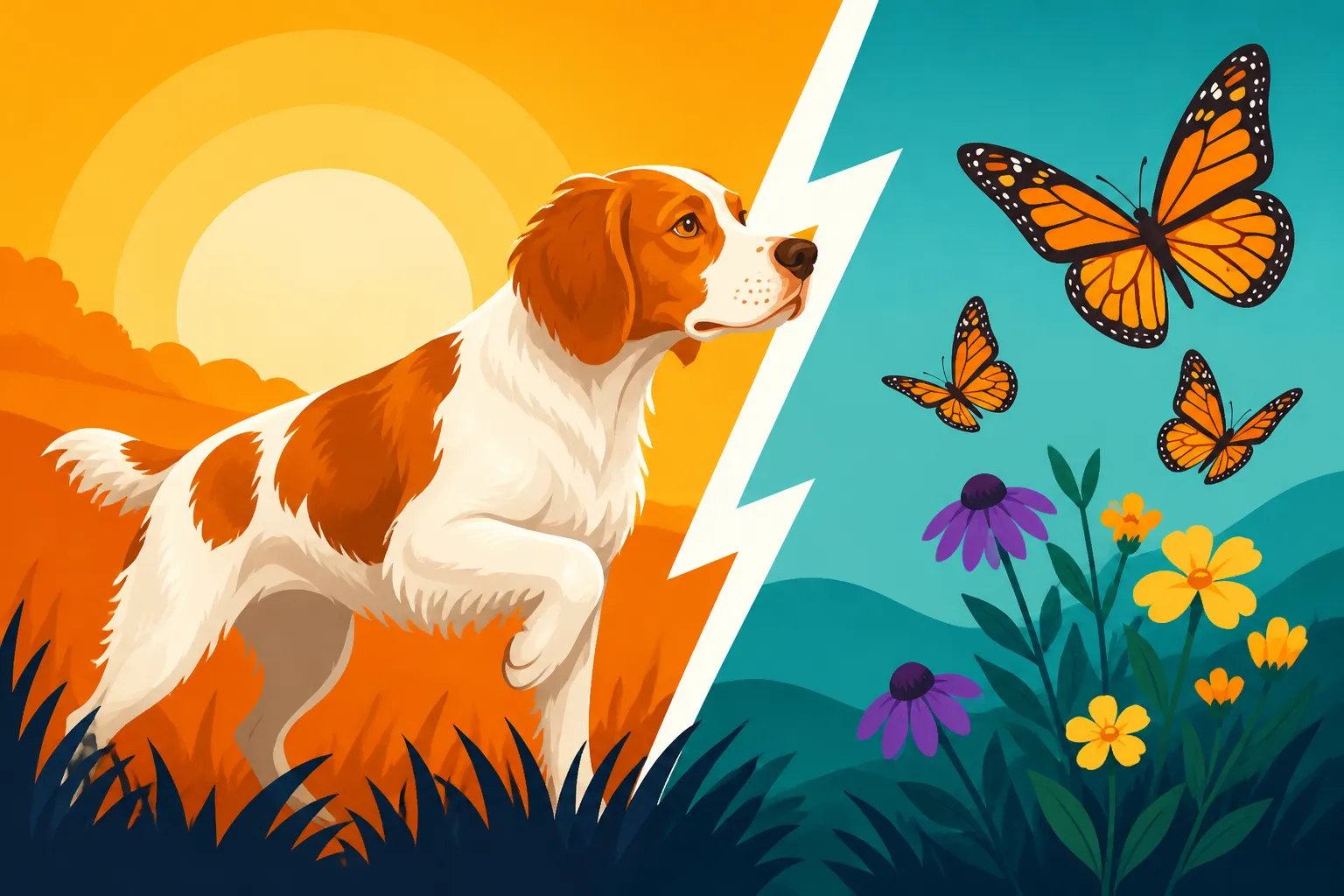
It's incredibly endearing, isn't it? You get a bouncy, curious Brittany puppy, and suddenly, you notice them freeze, nose twitching, one little paw raised, staring intently at… well, a butterfly. Or a leaf fluttering in the breeze. Or even a dust bunny under the couch! It warms your heart to see that instinct, but it also raises a big question: is this real pointing, or just puppy play? This guide will dive deep into the fascinating world of your Brittany's natural pointing ability, explaining the difference between adorable puppy curiosity and the genuine, purposeful point of a bird dog, and how you can gently nurture that instinct.
Understanding the Brittany's Instinct to Point
The Brittany is, first and foremost, a pointing dog. This isn't just a quirk; it's a deeply ingrained genetic trait, honed over generations to work collaboratively with hunters. But what does that really mean, especially when you see your little fuzzball "pointing" at something as innocuous as a butterfly?
The Genetic Drive vs. Environmental Triggers
Brittanys are born with an innate predisposition to point. It’s part of their DNA, a survival mechanism refined into a hunting art. This means that unlike some other breeds where pointing might be trained from scratch, a Brittany often wants to point. They have a hardwired response to scent and movement that triggers this unique freeze-and-hold behavior. Think of it like a human's instinct to flinch from a loud noise or pull away from a hot stove – it's an automatic, unthinking reaction at its core.
However, that genetic predisposition is just the blueprint. Environmental triggers and experiences are what shape it into a refined, reliable point. A puppy might have the inherent drive, but without the right stimuli, it can manifest in unfocused ways. This is why early experiences are so crucial, not to teach them to point, but to help them understand what to point at. It's about channeling that raw instinct toward the desired quarry and making it a conscious, controlled act.
What "Pointing" Really Means for a Bird Dog
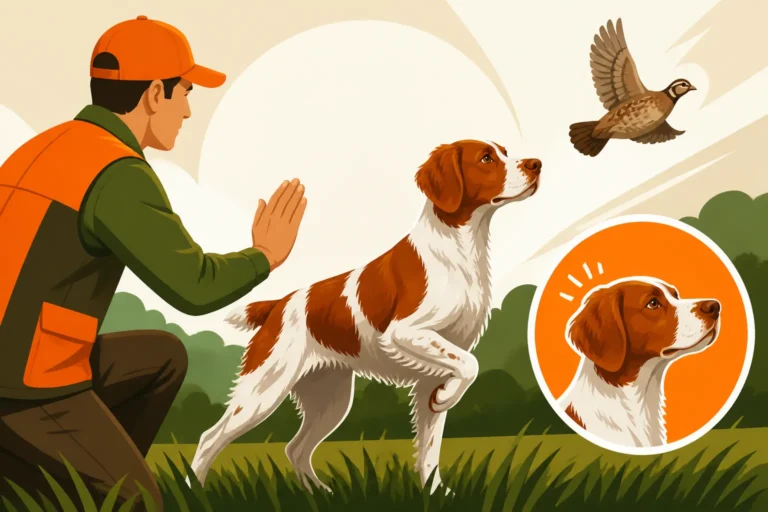
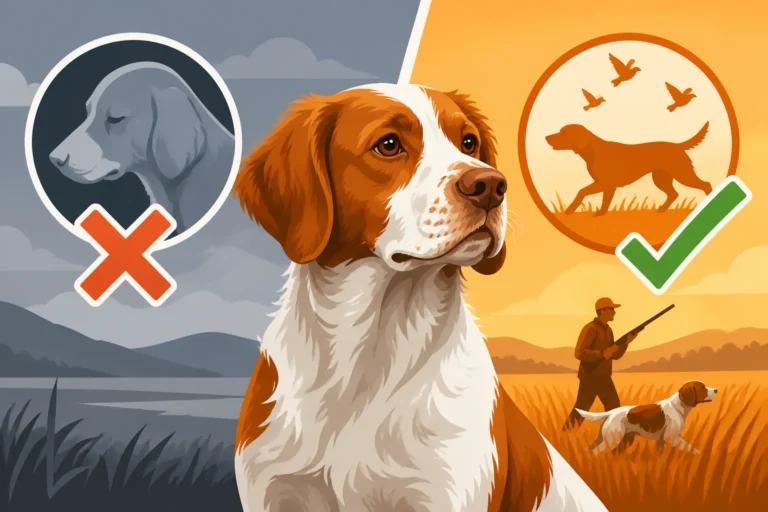
When we talk about a true bird dog point, we're discussing something very specific and far more nuanced than a puppy freezing at a butterfly. A genuine point involves a dog actively wind-scenting game birds, often from a distance, then freezing solid, body rigid, tail often erect and still, nose directed towards the bird's location. The dog uses its body language to communicate the presence and exact location of a hidden bird to its handler. This isn't just a momentary pause; it's a focused, intense hold, often for minutes, while the hunter approaches.
The dog's posture is a critical part of this communication. A classic point usually involves the head and nose aligned with the scent cone, one front paw slightly lifted, and the entire body locked in place. The dog is essentially saying, "The bird is here," and patiently waiting for the hunter to flush it. This level of dedication and communication is what separates the casual "pointing" of a butterfly from the purposeful, highly effective work of a well-bred and trained Brittany. It’s a partnership, where the dog uses its superior senses to locate, and the hunter uses the dog’s signal to act.
Puppy Curiosity vs. True Bird Dog Behavior
It's easy to project our hopes onto our Brittany puppies, especially when they exhibit behaviors that look like pointing. But it's important to differentiate between general puppy explorations and the specific, instinctual pointing behavior you want to cultivate.
Why Puppies "Point" at Everything
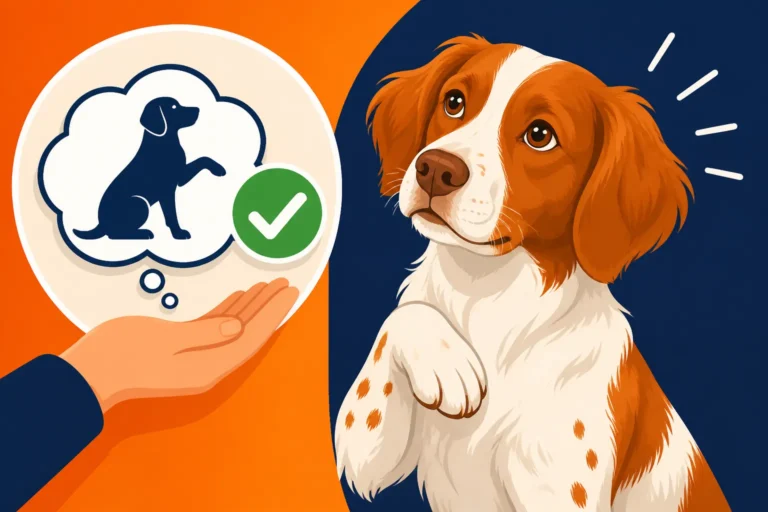
Your Brittany puppy's "pointing" at a butterfly, a dust bunny, or a leaf is usually a wonderful combination of curiosity, playfulness, and their developing senses. Puppies are sponges, absorbing everything in their environment. When something new or interesting catches their eye or nose, their natural inclination is to investigate. Freezing is a very common canine behavior, often seen during play or when assessing a new situation. It's a way for them to process information, decide whether something is a threat or an opportunity, or simply to get a better read on a scent.
Imagine a tiny predator, still learning about its world. A fluttering butterfly represents movement, an interesting scent, and perhaps a potential chase. The freeze, the raised paw, the intense stare – these are all components of a developing prey drive and an exploratory nature. It’s adorable, and it absolutely hints at their innate pointing potential, but it's not yet the refined, bird-specific signal you'll see in a mature hunting dog. It's a broad, unfocused expression of instinct rather than a targeted one. Think of it as practice for the real thing, a natural way for them to hone their focus and reaction times.
The Role of Scent and Prey Drive
The true transition from puppy curiosity to a bird dog's point hinges on two critical elements: scent discrimination and a focused prey drive. While a puppy might react to any novel stimulus, a mature Brittany learns to prioritize the scent of game birds above all else. This isn't just about seeing a bird; it's about smelling it, often when the bird is hidden from sight, and understanding that this specific scent is worth stopping for.
As your Brittany grows, their olfactory senses become more refined, and their brain learns to associate certain scents with their deeply rooted hunting instincts. The fluttering butterfly eventually loses its allure compared to the intoxicating aroma of a pheasant or quail. This is where exposure and structured training become vital. You're helping your dog build a vocabulary of scents and behaviors, teaching them that the most rewarding outcome comes from finding and pointing game birds. This development doesn't happen overnight; it's a gradual process that relies on consistent, positive experiences to build confidence and reinforce the desired behaviors.
When and How True Pointing Emerges
Observing your Brittany's progression from playful puppy freezes to a solid, reliable point is one of the most rewarding aspects of owning such a talented breed. It's not a light switch, but a journey.
Introducing Your Brittany to Birds
The single most effective way to help your Brittany develop a true point is to introduce them to birds, and do it correctly. This process usually begins with dead or frozen birds. The idea is to allow the puppy to develop a positive association with bird scent without the distraction of a live, fluttering bird that might encourage chasing instead of pointing. You might hide a frozen pigeon or quail in tall grass and let your puppy "discover" it. Observe their reaction: do they show interest? Do they pick it up? Do they freeze momentarily? These are all good indicators of their developing instincts.
Once they've shown consistent interest in dead birds, you can gradually introduce them to controlled live bird scenarios. Often, this involves using a bird launcher or placing a live bird, like a quail or pigeon, in a bird bag or remote release trap in a field. The goal is for the dog to scent the bird, point, and then have the bird released for a controlled retrieve or flush, reinforcing the entire sequence. Remember, When a Brittany Puppy Should Meet Its First Bird is a crucial stage that requires patience and a gentle hand. Overwhelming them too early or with too much pressure can be counterproductive.
Recognizing the Real Point
So, how do you tell a genuine point from puppy play? It’s all about intention, focus, and body language. A real point is not just a momentary freeze; it's an intense, sustained lock-up on game. The dog's entire body will be rigid, often leaning forward into the scent, tail erect and still, and eyes fixed in the direction of the bird. Their nose will be working, subtly testing the wind, but their feet will be firmly planted. There's an undeniable seriousness to it.
You might notice a subtle change in their breathing, an almost imperceptible tremor of excitement, but the physical stillness is paramount. When you approach, a truly pointing dog will ideally hold that position, allowing you to walk in front of them to flush the bird. Puppy "points" are often broken easily, less focused, and quickly devolve into playful pounces or chases. A mature, trained point is a testament to the Brittany's focus and their desire to work with you. Learning How a Brittany Puppy Shows Its First Point can help you identify these crucial early signs and build upon them.
Training to Refine the Natural Point
While the instinct to point is natural for a Brittany, refining that raw talent into a reliable, consistent, and stylish point requires thoughtful training. It’s about communication, patience, and positive reinforcement.
Early Training Techniques
Early training for pointing dogs revolves around gentle exposure and encouraging their natural instincts. You're not forcing them to point, but guiding them to understand what you want them to do when they encounter bird scent. Start with simple obedience commands like "whoa" and "stay" in low-distraction environments. These foundational commands are critical for controlling your dog in the field. When introducing them to birds, whether dead or live, keep the sessions short, positive, and free of pressure. The goal is to build confidence and desire, not to create anxiety.
Utilize tools like a check cord – a long line that allows you to guide and gently correct your dog's movements without direct physical contact – to reinforce the "whoa" command if they try to creep or chase. Many owners find value in online puppy programs, like those offered by BAXTER & Bella, for building a strong foundation of obedience and manners, which then seamlessly transitions into field training. These programs emphasize positive reinforcement and help create a calm, attentive learner. Remember that How Long a Brittany's Training Session Should Be is usually quite short, especially for puppies, to keep them engaged and prevent burnout.
Avoiding Common Mistakes
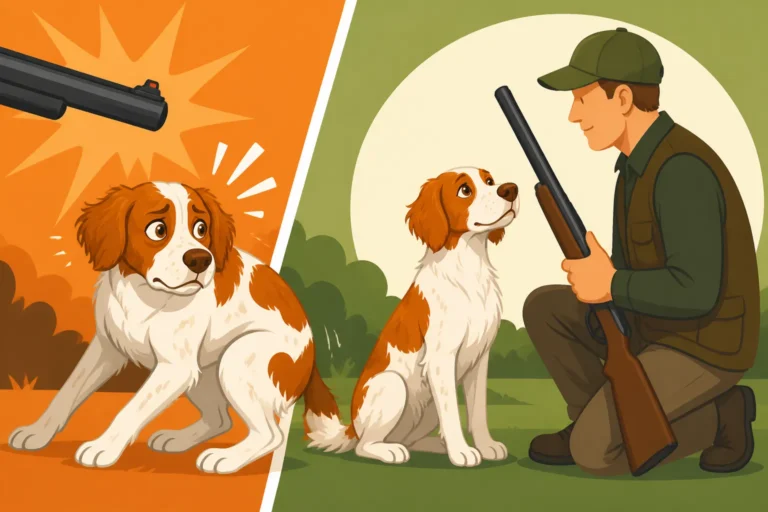
The Brittany is known as a "soft" breed, meaning they are highly sensitive to harsh corrections and negative training methods. This makes avoiding certain common training mistakes even more crucial. One of the biggest errors is applying too much pressure too soon, or being overly corrective when a puppy shows a natural urge to chase. Yelling or using physical punishment can easily dampen their spirit and make them gun-shy or bird-shy, ruining their natural drive. As discussed in Why a Brittany Is Called Soft, they thrive on encouragement and positive feedback.
Another mistake is rushing the process. Expecting a perfect, statuesque point from a young puppy is unrealistic. Development takes time. Be patient, celebrate small successes, and always end training sessions on a positive note. Over-training or making sessions too long can also lead to a dog that loses interest or becomes resistant. Focus on quality over quantity. Finally, don't neglect general obedience. A dog that doesn't listen to basic commands at home will struggle to listen in the exciting, distracting environment of the field. A solid foundation from programs like BAXTER & Bella can make all the difference in building a confident, biddable hunting partner.
Essential Gear for Training
Having the right gear is fundamental for successful and safe bird dog training. Here’s a quick rundown of what you’ll likely need:
| Item | Purpose | Key Features |
|---|---|---|
| Check Cord | Provides control and guidance during field work without constant leashing. | Long (15-30 ft), durable, lightweight, easy to grip. |
| Training Whistle | For consistent, clear commands over distance, especially "come" or "change direction." | High-pitched, easily heard, often made of plastic or metal. |
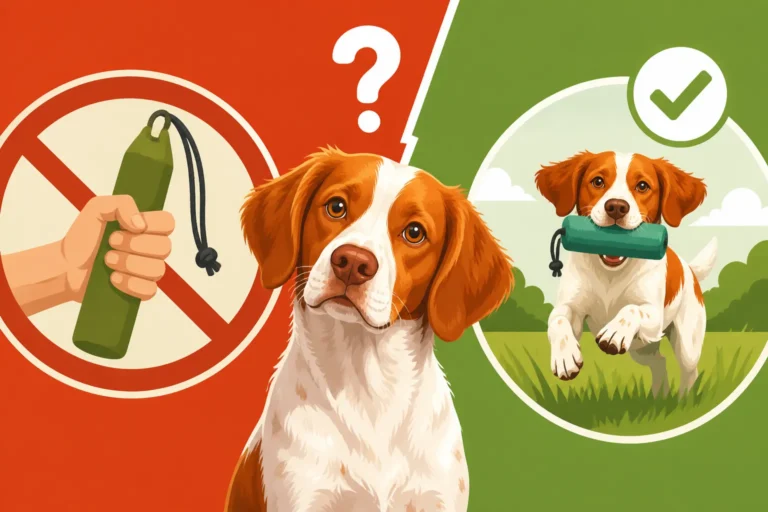
| Dummies/Bumpers | For retrieve training, teaching hold and carry without using real birds initially. | Various sizes, textures, and weights, some scented. |
| Bird Bag/Vest | To safely carry and transport live or frozen birds during training. | Ventilated, durable material, often with multiple compartments. |
| GPS Collar | For tracking your dog's location in the field, especially with wide-ranging Brittanys. | Real-time tracking, range, battery life, waterproof. |
| E-Collar (Optional) | For advanced communication and reinforcement of commands over distance, used with extreme caution. | Multiple stimulation levels, vibration, tone, waterproof, long battery life. |
| First Aid Kit | Essential for treating minor scrapes or injuries that can occur in the field. | Antiseptic wipes, gauze, vet wrap, tweezers, saline solution. |
Many of these items, from durable check cords and training whistles to advanced GPS collars, can be easily found on platforms like Amazon. Having the right tools makes the training process smoother and safer for both you and your Brittany, allowing you to focus on developing their amazing natural abilities. Remember, investing in quality gear is investing in your dog's training success and safety. You can get a sense of expenses by looking into What a Check Cord and Whistle Cost a Brittany Owner.
Nurturing your Brittany's pointing instinct is a journey that starts with appreciating their natural curiosity and guides them towards their incredible potential as a bird dog. It's about patience, positive reinforcement, and understanding that while they might "point" butterflies as puppies, their true calling lies in the field, waiting for you to flush the game they so expertly locate.
Disclaimer
This article is for general informational purposes only and does not constitute professional advice. Laws, prices and regulations vary by location and change over time. Consult a qualified professional for guidance on your specific situation.