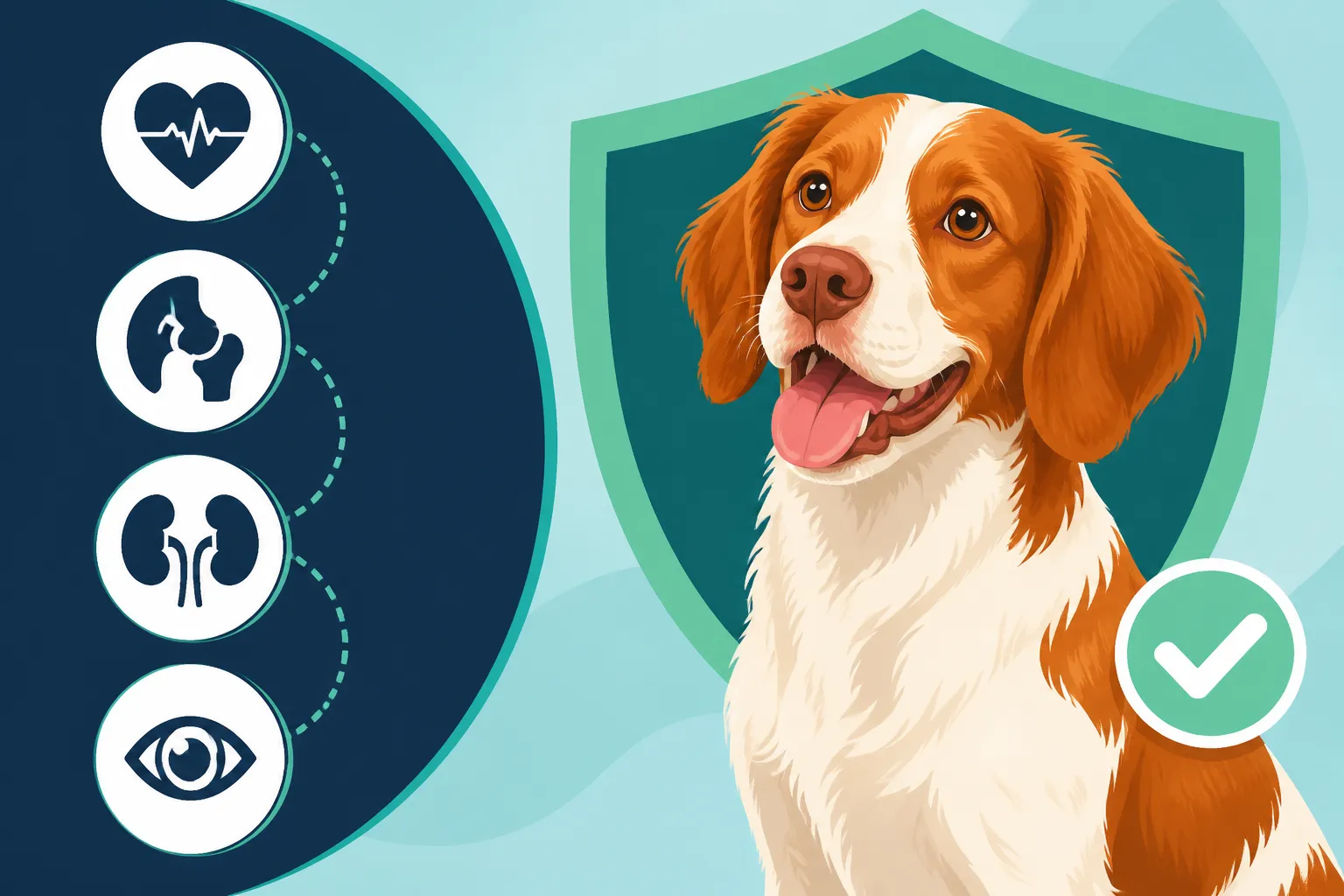
Which Health Results a Brittany Breeder Must Show
Bringing a new Brittany puppy home is one of life's greatest joys, but for many prospective owners, the excitement is often mixed with a lot of apprehension. You want to make sure you're getting a healthy companion, but navigating breeder claims and understanding complex health clearances can feel like learning a new language. This comprehensive guide is here to demystify the essential health results and certifications that any truly reputable Brittany breeder should be proud to present, ensuring you can choose your future hunting partner and family member with confidence.
Understanding the Importance of Health Screening in Brittanys
When you’re looking for a Brittany puppy, it’s easy to get swept away by cute faces and wagging tails. But beneath that adorable exterior lies a complex genetic blueprint that can determine your dog’s health, longevity, and overall quality of life. Ignoring health screening in a puppy's parents is like buying a car without checking the engine – it might look great on the outside, but you're setting yourself up for potential heartache and significant veterinary bills down the road. Responsible breeders don't just breed two healthy-looking dogs; they meticulously research pedigrees and perform health tests to minimize the risk of passing on debilitating genetic conditions.
Why Health Tests are Non-Negotiable
Think about it: your Brittany is going to be your running partner, your hunting companion, and a beloved member of your family for potentially The Twelve to Fourteen Years a Brittany Gets. You want those years to be filled with joy, not constant trips to the veterinary specialist. Health tests aren't just a suggestion; they are a critical investment in the future well-being of the puppy and, by extension, your own peace of mind. Without these screenings, you're essentially playing a game of genetic roulette. Conditions like hip dysplasia or certain eye diseases can severely impact a Brittany's ability to run, jump, hunt, and even see, leading to chronic pain and immense financial strain. A breeder who dismisses health testing, or claims their dogs are "naturally healthy" without proof, is cutting corners at the expense of their dogs and future owners.
The Role of Responsible Breeding
Responsible breeders view themselves as guardians of the breed, striving to produce puppies that not only conform to the breed standard but are also robustly healthy and have sound temperaments. This isn't a quick or easy process. It involves extensive research into canine genetics, understanding lines, and making difficult decisions about which dogs to breed. They understand that every breeding choice has long-term consequences for the breed as a whole. A responsible breeder isn't just selling you a puppy; they are placing a lifetime commitment in your hands, and they want that commitment to be as free of preventable health issues as possible. They will be transparent about their testing protocols and will likely be members of the American Brittany Club, adhering to its code of ethics. This commitment to health is a hallmark of a breeder who genuinely cares.
What Happens Without Proper Screening
The consequences of skipping proper health screening can be devastating. Imagine bringing home a vibrant Brittany puppy, only for it to develop severe hip pain by the time it's a year old, preventing it from enjoying runs in the field or even comfortable walks. Or perhaps you discover your beloved companion is slowly losing its eyesight due to a genetic condition that could have been identified in the parents. These scenarios aren't theoretical; they are the unfortunate reality for many individuals who purchase puppies from breeders who do not prioritize health. Beyond the emotional toll, the financial burden of managing chronic conditions like severe hip dysplasia or C3 deficiency can be astronomical, easily running into the thousands of dollars for surgeries, medications, and ongoing care. Even with pet insurance from providers like Healthy Paws, these situations are stressful and heartbreaking.
Hip and Elbow Dysplasia: The Cornerstone of Brittany Health
For a breed as active and athletic as the Brittany, healthy joints are paramount. They need to be able to run, jump, and traverse rugged terrain for hours on end without pain or discomfort. Hip and elbow dysplasia are two of the most common and debilitating skeletal conditions affecting larger, active breeds, and Brittanys are no exception. These conditions involve the malformation of the joints, leading to instability, pain, and eventually arthritis.
What is Hip Dysplasia and How It's Screened
Hip dysplasia occurs when the ball and socket joint of the hip doesn't fit together properly. This loose fit causes friction and wear over time, leading to pain, lameness, and degenerative joint disease. For a Brittany, this can mean an end to hunting, difficulty with stairs, and a significant reduction in quality of life. Thankfully, there are recognized screening methods to assess hip health in breeding dogs. The most common involves taking specific X-rays of the hips, usually after the dog is two years old, to allow for full skeletal maturity. These X-rays are then evaluated by independent, board-certified radiologists who assign a grade based on the joint's conformation.
Decoding OFA and PennHIP Results for Brittanys
In the United States, the two primary methods for evaluating hip health are through the Orthopedic Foundation for Animals (OFA) and the PennHIP method. Both are excellent tools, but they work a little differently.
The OFA method involves a single X-ray view of the hips, which is then graded as Excellent, Good, Fair (all passing), Borderline, or Dysplastic (Mild, Moderate, Severe). A reputable breeder will aim for "Good" or "Excellent" ratings for their breeding stock, though a "Fair" rating can still be acceptable if other factors align. It's crucial to understand that Why a Brittany OFA Hip Certification Waits Until Two is to ensure the dog's joints are fully developed for an accurate assessment. Asking to see the actual OFA certificate with the dog's name and registration number is essential. This ensures the results belong to the specific dog being discussed.
PennHIP, on the other hand, involves three separate X-ray views and measures the laxity (looseness) of the hip joint. This method can be performed as early as 16 weeks, offering an earlier indicator of potential hip health. PennHIP results are expressed as a distraction index (DI) score, ranging from 0 to 1.0, where lower numbers indicate tighter hips. Breeders using PennHIP will be able to show you a report with the DI score and a percentile ranking compared to other dogs of the same breed. Both OFA and PennHIP offer valuable information, and a breeder might use one or both. What truly matters is that some form of objective hip screening has been done and documented. You can often check the OFA website directly if a breeder provides a registration number to verify results. For more details on this, you might want to read What Hip Screening Did for the Brittany Spaniel.
Elbow Dysplasia: Another Crucial Joint Check
While hip dysplasia often gets more attention, elbow dysplasia is equally important for an active Brittany. This is a complex condition that refers to several developmental abnormalities of the elbow joint. It can lead to pain, lameness, and severe arthritis, particularly in a dog that regularly pushes off with its front legs while hunting or playing. Elbow screening is also typically done through X-rays submitted to the OFA, usually at two years of age, similar to hip evaluations. The OFA grades elbows as Normal (clear) or Dysplastic (Grade I, II, or III). Any reputable breeder should be able to show you OFA certifications for normal elbows on both parents of a litter. This is part of What a Brittany Spaniel Breeder Should Have Tested.
Eye Health: Protecting a Brittany's Keen Sight
A Brittany's eyes are vital for its work in the field, tracking game, and navigating varied terrain. Beyond their utility, healthy eyes ensure a good quality of life. Genetic eye conditions can lead to impaired vision, pain, and even blindness, making routine screening by a specialist indispensable.
Common Eye Conditions in Brittanys
Brittanys can be susceptible to several inherited eye conditions, including progressive retinal atrophy (PRA), cataracts, and retinal dysplasia. PRA is a group of degenerative diseases that affect the retina, eventually leading to blindness. Cataracts can develop at any age and, depending on their severity and location, can also impair vision. Retinal dysplasia, as discussed in Retinal Dysplasia in a Brittany Spaniel, involves abnormal development of the retina. While some conditions might not manifest until later in life, the genetic predisposition can be identified in breeding dogs, allowing responsible breeders to make informed pairing decisions. Without proper screening, a puppy might inherit a condition that will progressively rob it of its sight.
The Importance of Yearly Eye Certifications
Unlike hip and elbow clearances, which are often a one-time certification after two years of age, eye examinations for breeding Brittanys should ideally be performed annually by a board-certified veterinary ophthalmologist. This is because some eye conditions can develop or worsen over time, even in dogs that were clear on previous exams. The results of these examinations are then submitted to a registry, like the OFA's Eye Certification Registry (formerly CERF). These annual certifications confirm that the breeding dog is free of observable inherited eye diseases at the time of the examination. A breeder who consistently performs and registers these yearly eye checks demonstrates a serious commitment to the ocular health of their line. It's important to ask How Often a Brittany's Eyes Should Be Certified and to see the most recent certificates.
Understanding CERF and OFA Eye Clearances
The Canine Eye Registry Foundation (CERF) was the long-standing organization that registered ophthalmologist-certified eye exams. More recently, the OFA has absorbed these functions into its own Eye Certification Registry. When a breeder presents an "OFA Eye" or "CERF" certification, it means a veterinary ophthalmologist has examined the dog and found no evidence of inherited eye disease. These certificates should specify the date of the exam and indicate a "normal" or "clear" status. If any abnormalities were found, they would be listed. It's a quick and relatively non-invasive test for the dog, but it provides invaluable information for future puppy owners.
Genetic Diseases Specific to the Brittany Breed
Beyond general orthopedic and ocular health, certain breeds have specific genetic predispositions that warrant targeted testing. For the Brittany, understanding these unique health concerns is vital for making an informed choice about your puppy.
C3 Deficiency: A Unique Immune System Concern
One genetic condition particularly associated with the Brittany is C3 deficiency, also known as Complement 3 Deficiency. This is a primary immunodeficiency disorder where the dog lacks a crucial protein (C3) in its immune system, making it highly susceptible to recurrent bacterial infections. Imagine your dog constantly battling infections that other dogs easily shake off – it's a constant struggle. This condition is inherited in an autosomal recessive manner, meaning a puppy must inherit two copies of the faulty gene (one from each parent) to be affected. Dogs with only one copy are carriers and appear healthy, but can pass the gene to their offspring.
Thankfully, there is a DNA test available for C3 deficiency. A reputable breeder will have tested both parents to ensure they are either "clear" (no copies of the gene) or, if one is a "carrier," that the other parent is "clear." Breeding two carriers together should be avoided, as this pairing risks producing affected puppies. You can learn more about What C3 Deficiency Does to a Brittany and How C3 Deficiency Is Inherited in Brittanys to understand the gravity of this condition. Always ask to see the DNA test results for C3 deficiency for both parents.
Thyroid Health: Beyond General Wellness
Hypothyroidism, a condition where the thyroid gland doesn't produce enough hormones, can also be a concern in Brittanys. While not always strictly genetic in the same way as C3 deficiency or hip dysplasia, there can be a hereditary component, and it's a condition that can impact a dog's energy levels, coat quality, and weight. What Hypothyroidism Does to a Brittany includes symptoms like lethargy, weight gain, and skin issues, which can significantly hinder a working Brittany's performance and comfort.
Reputable breeders will often include thyroid panels in their routine health screenings, particularly before breeding. These tests measure the levels of various thyroid hormones in the blood. While not always part of a mandatory "CHIC" panel, it's a good indicator of a breeder's thoroughness when they screen for conditions that could affect a dog's overall vitality. You might ask When a Brittany's Thyroid Should Be Tested as part of a comprehensive health evaluation plan.
Other Emerging Genetic Screens
As veterinary medicine and genetic research advance, new tests become available. While hip, elbow, eye, and C3 clearances are generally considered core for Brittanys, some breeders may opt for additional screenings based on concerns within specific lines or new scientific discoveries. For example, some might screen for conditions like patellar luxation, although it's less common in Brittanys compared to some smaller breeds. Others might explore screenings for specific heart conditions, especially as dogs age, although heart disease is not a predominant breed-specific issue for Brittanys. Discussing these with a breeder shows their dedication to staying current with breed health initiatives and ensures they're not just doing the bare minimum. A full What a Full Brittany Health Panel Costs can include many different tests beyond the basic requirements.
Beyond the Certificates: What Else to Ask a Brittany Breeder
While official health certificates are critical, they are just one piece of the puzzle. A truly responsible breeder will offer much more than just papers; they will provide a wealth of information, support, and transparency that goes beyond the basic requirements.
Evaluating the Sire and Dam's Temperament and Health History
Don't just look at the health certificates for the parents; ask about the parents themselves! A dog can have perfect health clearances but a questionable temperament. Since temperament is also heritable, you want to meet both the sire and dam if possible, or at least the dam, to assess their personalities. Are they friendly, outgoing, and stable? Or are they overly shy, aggressive, or nervous? For a Brittany, known for being The Brittany Is the Softest of the Pointing Breeds, a stable temperament is crucial. A breeder should be happy to discuss the health history of not just the parents, but also their siblings, previous offspring, and even grandparents. Are there any patterns of certain illnesses or issues recurring in their lines? This kind of detailed historical knowledge is invaluable and goes far beyond what a single certificate can tell you.
Understanding the Breeder's Health Guarantee
A good breeder stands behind the health of their puppies. This usually comes in the form of a written health guarantee in the puppy contract. These guarantees vary, but typically they cover serious genetic health conditions like hip dysplasia or C3 deficiency for a certain period, often up to two years of age. Some might offer a replacement puppy, while others might offer a partial refund or assist with veterinary costs if a covered condition arises.
It’s important to read the health guarantee carefully and understand its terms. What does it cover? What does it not cover? What steps do you need to take if a problem arises? A strong health guarantee isn't a substitute for proper screening, but it's an indication of the breeder's confidence in their breeding program and their commitment to you as a puppy owner. Remember, this isn't about getting a "deal" on a dog; it's about minimizing risk and ensuring support.
The Value of a Comprehensive CHIC Panel
Many breed clubs, including the American Brittany Club, participate in the Canine Health Information Center (CHIC) program, which is a centralized database sponsored by the OFA. A CHIC number is assigned to a dog that has had all the health screenings recommended by its parent breed club. For Brittanys, the typical CHIC panel often includes:
- Hip Evaluation: OFA evaluation.
- Elbow Evaluation: OFA evaluation.
- Eye Examination: OFA Eye Certification Registry (annual).
- Thyroid Evaluation: OFA evaluation (usually an initial screening).
- C3 Deficiency: DNA test.
A breeder who ensures their breeding dogs have CHIC numbers is demonstrating that they have gone above and beyond to meet the breed club's recommended health testing. This is a gold standard for responsible breeding and offers tremendous peace of mind. You can even look up a dog's CHIC number on the OFA website to verify its full health profile. Understanding Which Tests the Brittany CHIC Panel Requires is essential in finding a responsible breeder.
Table of Essential Brittany Health Clearances
To make it easier, here's a summary of the key health results you should expect to see from a reputable Brittany breeder.
| Health Condition | Screening Method | Certification/Result to Look For | Frequency | Why It Matters for Brittanys |
|---|---|---|---|---|
| Hip Dysplasia | X-ray evaluated by OFA or PennHIP | OFA: Fair, Good, or Excellent; PennHIP: Low DI | Once, after 24 months of age (OFA) | Crucial for an active hunting dog; prevents pain and arthritis. What the OFA Records Show About Brittany Hips is a good resource. |
| Elbow Dysplasia | X-ray evaluated by OFA | OFA: Normal | Once, after 24 months of age | Prevents lameness and arthritis in front limbs, vital for agility and fieldwork. |
| Eye Conditions | Exam by Board-Certified Veterinary Ophthalmologist | OFA Eye Certification Registry: Normal/Clear | Annually | Protects vision; screens for PRA, cataracts, retinal dysplasia. |
| C3 Deficiency | DNA Test | OFA or Lab Certificate: Clear | Once (for breeding stock) | Prevents severe immune system deficiencies and recurrent infections. Whether a Brittany Breeder Screens for C3 is a key question. |
| Thyroid Health | Blood Panel evaluated by OFA | OFA: Normal | Annually/Biennially (for breeding stock) | Screens for hypothyroidism, affecting energy, coat, and overall metabolism. |
Conclusion: Making an Informed Choice for Your Brittany
Finding a healthy Brittany puppy isn't about luck; it's about being informed, diligent, and patient. Don't be afraid to ask questions, lots of them! A reputable breeder will welcome your questions and be eager to share the health clearances for their breeding dogs. They understand that a well-informed puppy buyer is the best kind of puppy buyer. Prioritizing these health results—hip and elbow evaluations, annual eye certifications, and C3 DNA testing—will significantly increase your chances of bringing home a sound, long-lived, and happy Brittany.
This journey to find your perfect canine companion might seem complex, but it’s truly worth the effort. Taking the time to understand and verify these health clearances will ensure that your Brittany can live out its full potential, whether it's soaring through fields on the hunt, excelling in dog sports, or simply being the best companion curled up beside you on the couch. Good luck with your search, and may your future be filled with happy, healthy Brittany adventures!
Disclaimer
This article is for general informational purposes only and does not constitute professional advice. Laws, prices and regulations vary by location and change over time. Consult a qualified professional for guidance on your specific situation.