Whether a Brittany Breeder Guarantees Bird Drive
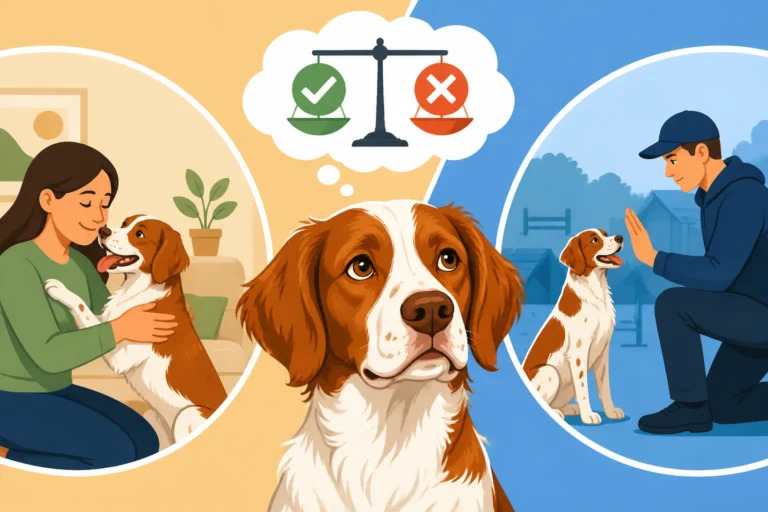
It's a huge decision to bring a Brittany into your home, especially if you're looking for a dedicated hunting partner. You invest time, emotion, and significant money, and naturally, you want to know that your future companion will live up to the breed's incredible reputation for bird sense. The question of whether a breeder can truly "guarantee" bird drive is common, and it speaks to the hopes and anxieties of every aspiring bird dog owner. This guide will delve into what bird drive actually means, what you can realistically expect from a reputable Brittany breeder, and the crucial role you play in nurturing that innate instinct.
Understanding the Essence of "Bird Drive" in Brittanys
What is bird drive, really? It’s more than just a dog liking birds. For a Brittany, bird drive encompasses a powerful, inherent desire to seek out game birds, to point them with intensity, and often, to retrieve them. It's that unshakeable focus, that keen nose to the ground or wind, that tireless energy in the field. It’s the very reason these dogs exist, bred over generations to be exceptional partners for bird hunters. Without it, a Brittany is just a lovely companion; with it, they are poetry in motion.
This isn't just about a dog being excited by a pigeon. We're talking about a complex set of behaviors that include scenting ability, natural pointing instinct, stamina, and a strong desire to work with their handler in the pursuit of game. It’s a deep-seated part of their genetic makeup, honed by centuries of selective breeding. When you see a Brittany lock up on point, tail rigid, nose twitching, eyes fixed on the cover, you're witnessing generations of bird drive manifest itself. It’s truly captivating and often the primary reason someone chooses a Brittany over another breed.
For a prospective owner, especially one new to bird dogs, this drive can feel almost magical. You might envision your future puppy instinctively pointing its first quail, a natural prodigy. And while Brittanys are renowned for their strong natural abilities, it’s important to understand that "drive" is a raw material. It’s the spark, not the fully trained fire. A puppy might show immense curiosity and an early inclination to use its nose, but translating that into a polished hunting performance requires dedication from the owner. When a Brittany Puppy Should Meet Its First Bird is a critical step, but it's just the beginning.
The Genetic Blueprint and Environmental Nurturing
Bird drive is fundamentally genetic. It's passed down from parents to offspring, a trait that ethical breeders carefully select for. A puppy from two proven hunting parents has a significantly higher potential for strong bird drive than one from a lineage of casual companions. This is why scrutinizing a puppy's pedigree and meeting its parents, if possible, is so vital. You're not just looking at a cute puppy; you're evaluating a genetic package.
However, genetics are only part of the equation. Even the most genetically gifted puppy can have its bird drive diminished or suppressed if not properly nurtured. Early exposure to birds, positive reinforcement, and consistent training are paramount. A puppy that's never exposed to birds, or has negative experiences, might not develop its full potential, no matter how strong its genetic predisposition. Think of it like a natural athlete – they have the talent, but they still need coaching and practice to become a champion.
What a Brittany Breeder Can and Cannot Guarantee About Bird Drive
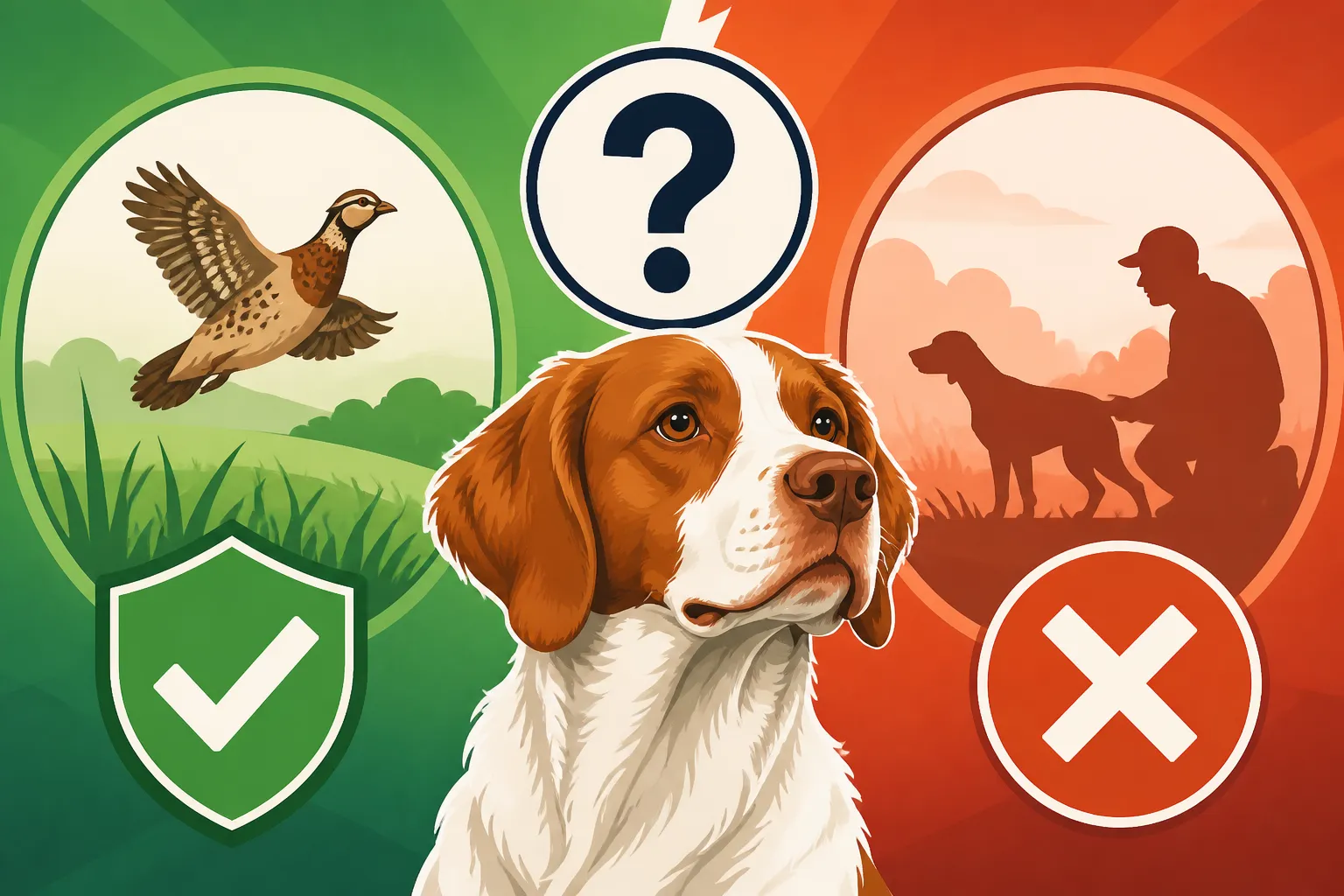
This is where the rubber meets the road for many prospective owners. It's natural to want assurances when making such a significant investment. You're dreaming of those perfect moments in the field, and you want to know your breeder is setting you up for success. The truth is, while reputable breeders do everything in their power to produce dogs with strong bird drive, an absolute, ironclad guarantee is simply not feasible, or even entirely honest.
The Realistic Scope of a Breeder's Assurance
A responsible Brittany breeder can guarantee certain things that directly contribute to strong bird drive. They can guarantee that both parents have excellent health clearances, ensuring your puppy has the physical soundness to perform in the field. They can guarantee that the sire and dam have demonstrated proven bird-finding and pointing ability, often through performance titles like Field Champion (FC) or Master Hunter (MH). A breeder should be able to tell you about the working style of their dogs, their range, their intensity, and their biddability. What a Brittany Spaniel Breeder Should Have Tested goes hand-in-hand with ensuring a healthy, capable hunting partner.
They can also guarantee that their puppies receive early socialization and appropriate environmental enrichment to foster their natural instincts. This might include exposure to various sounds, textures, and even controlled introductions to bird wings or actual birds at a young age. Some breeders might even have a specific "puppy aptitude test" that includes evaluating a puppy's interest in a wing, though this is more an indicator than a guarantee of future performance.
Why an Absolute Guarantee Is Unrealistic
No breeder can control every variable once a puppy leaves their care. Your puppy's eventual bird drive and hunting prowess will be a complex interplay of genetics, early environment, continued training, and even the type of birds and terrain it's exposed to. A breeder cannot guarantee that you will provide the consistent training, exposure, and physical conditioning necessary for the puppy to fulfill its potential.
Imagine if you took a puppy from world-class hunting lines, but then rarely took it to the field, never introduced it to birds, and didn't provide any structured gun dog training. Would it develop into a top-tier bird dog? Unlikely. The innate desire might be there, but it would remain largely untapped. Conversely, a less-gifted puppy given exceptional training and opportunity might still develop into a decent hunting companion. The breeder provides the best possible start, but you, the owner, are responsible for the journey. It's why Whether a Brittany Suits a First Time Owner often hinges on the owner's commitment to learning and training.
How Reputable Brittany Breeders Foster and Communicate Bird Drive
When you're looking for a Brittany puppy, the breeder isn't just selling you a dog; they're selling you a genetic legacy and a foundation for future success. A truly reputable breeder understands the importance of bird drive and will actively demonstrate how they are preserving and enhancing it within their lines. Their approach will be transparent and education-focused, helping you understand what to expect.
Pedigree and Proven Performance
One of the strongest indicators of inherent bird drive is the pedigree. A breeder should be eager to share the lineage of their dogs, pointing out ancestors with field titles. Look for titles like FC (Field Champion), AFC (Amateur Field Champion), MH (Master Hunter), SH (Senior Hunter), or JH (Junior Hunter) in the AKC system, or titles from organizations like NAVHDA (North American Versatile Hunting Dog Association). These titles are objective proof that the dogs in the pedigree have demonstrated significant bird drive and training.
A conversation with a breeder about their dogs' working ability should be rich with details. They should describe how the sire and dam hunt: their range, their style on point, their retrieve, their biddability, and their stamina. They should be able to tell you if the parents hunt wild birds or mostly preserve birds, and their success rate. A breeder whose dogs are regularly competing in hunt tests or field trials is actively proving their dogs' abilities. You should feel comfortable asking Which Questions to Ask a Brittany Breeder about their hunting philosophy and the working traits they prioritize.
Early Exposure and Puppy Temperament
Beyond the pedigree, a good breeder often provides early, positive exposure to stimulate natural bird drive. This can involve placing bird wings in the whelping box, allowing puppies to explore different scents, and introducing them to controlled environments with live birds (like pigeons or quail) under supervision as they get a little older. This isn't formal training, but rather an awakening of their innate instincts.
They will also be assessing puppy temperaments. While all Brittanys should have a level of bird drive, some puppies might show more intensity, boldness, or focus than others. A breeder might use these observations to help match the right puppy with the right owner, especially if an owner has specific hunting goals. They might point out the puppy that is always nose to the ground, or the one that shows a strong retrieve instinct, even on a dummy.
Your Indispensable Role in Nurturing Bird Drive
While a breeder provides the genetic foundation and a strong start, your commitment as an owner is truly the most crucial factor in whether that inherent bird drive blossoms into a magnificent hunting partnership. Think of yourself as the gardener; the breeder plants the finest seed, but you must provide the soil, water, and sunlight for it to grow.
Consistent Training and Field Exposure
From the moment your Brittany puppy comes home, every interaction contributes to its development. Early positive reinforcement, basic obedience, and consistent exposure to new environments are key. As they mature, formal bird dog training becomes essential. This isn't just about teaching commands; it's about channeling that natural drive, refining their instincts, and building a strong working relationship. How Long a Brittany's Training Session Should Be is important to avoid burnout and keep it fun.
Start with simple retrieve games, introduce them to different terrains, and then, crucially, get them on birds. Whether it's pigeons, quail, or pheasants, consistent, positive experiences with game birds will reinforce their natural drive. A professional gun dog trainer can be an invaluable resource, especially if you're new to bird dog training, to help you navigate the process and avoid common pitfalls like creating a gun-shy dog or one that bumps birds. This partnership with a trainer can be a significant investment, but it’s often what truly unleashes a Brittany's potential. What a Professional Gun Dog Trainer Charges for a Brittany will give you an idea of the commitment.
Nutrition, Health, and Physical Conditioning
A strong bird drive means nothing if your Brittany isn't physically capable of sustaining it in the field. Proper nutrition is paramount for a working dog. They need fuel for their high-energy activities. Look for high-quality dog foods that cater to active breeds, or consider fresh-food options like those from Ollie that can provide nutrient-dense meals. For consistent, reliable food delivery, many owners find Chewy to be an excellent resource for performance dog food brands. Whether a Working Brittany Needs a Performance Food is a question many owners ponder, and the answer is usually yes.
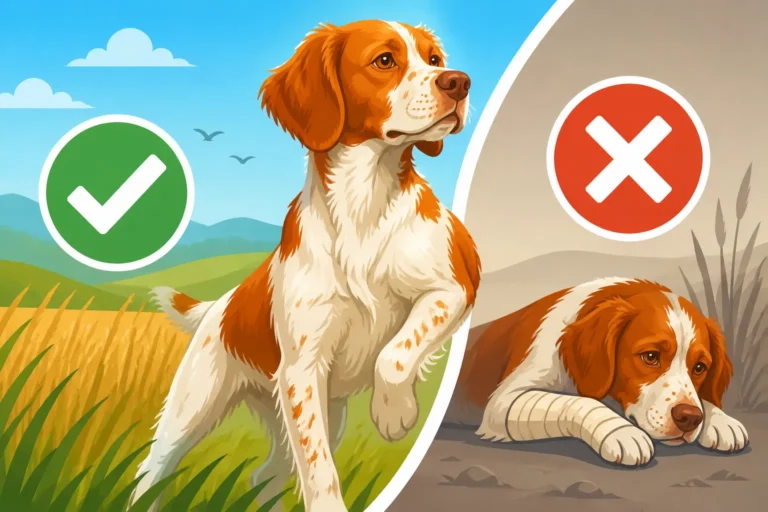
Beyond diet, regular veterinary care and proactive health management are critical. Brittanys are generally healthy, but like all breeds, they can be prone to certain conditions. Ensuring their hips are sound, their eyes are clear, and they are free from immune deficiencies means they can perform without pain or limitation. Pet insurance, such as plans offered by Healthy Paws, can be a lifesaver when unexpected field injuries or illnesses arise, allowing you to focus on your dog's recovery rather than the financial strain. The Injuries a Brittany Picks Up in the Field can be varied, from pad cuts to foxtail issues, so a healthy dog and good insurance are wise precautions.
Physical conditioning off-season is also vital. Long walks, runs, swimming, and other activities keep your Brittany fit and prevent injury when hunting season arrives. An out-of-shape dog won't be able to sustain its drive, no matter how strong its instincts. How Much Exercise a Brittany Needs Off Season is more than most people realize. Remember that What a Brittany Needs Within an Hour of a Hunt is crucial for preparation and recovery.
Here's a quick comparison of what you can expect:
| Aspect of Bird Drive | Breeder's Role | Owner's Role |
|---|---|---|
| Genetics | Selects proven hunting lines, provides pedigree information. | Researches lines, chooses a reputable breeder with demonstrated working dogs. |
| Innate Instinct | Breeds for strong natural pointing, retrieving, and scenting abilities. | Recognizes and encourages natural behaviors, provides early positive exposure. |
| Physical Health | Screens parents for genetic health issues, provides healthy puppy. | Provides proper nutrition, veterinary care, conditioning, and manages injuries (e.g., with Healthy Paws). |
| Training | May provide early bird exposure, advises on training methods. | Commits to consistent training (basic obedience, gun dog specific), seeks professional help if needed. |
| Environment | Raises puppies in a stimulating, enriching environment. | Provides safe, stimulating home environment, regular field exposure, opportunities to hunt. |
| Development | Offers a puppy with the potential for strong bird drive. | Actively nurtures that potential into a finished hunting dog. |
In the end, while a reputable Brittany breeder cannot hand you a "guaranteed" finished bird dog, they provide something even more valuable: a meticulously bred puppy with the genetic predisposition, health, and early foundation for exceptional bird drive. Your journey from there is one of nurturing, training, and providing the consistent care that allows that incredible instinct to flourish. It’s a partnership where both breeder and owner play vital roles, culminating in the joy of watching a well-bred and well-trained Brittany work the field with passion and skill. The Brittany Is the Pointing Breed You Can Live With because of this fantastic blend of working ability and biddable nature. The journey is incredibly rewarding, but it requires active participation every step of the way.
Disclaimer
This article is for general informational purposes only and does not constitute professional advice. Laws, prices and regulations vary by location and change over time. Consult a qualified professional for guidance on your specific situation.