What a Cheap Brittany Puppy Signals
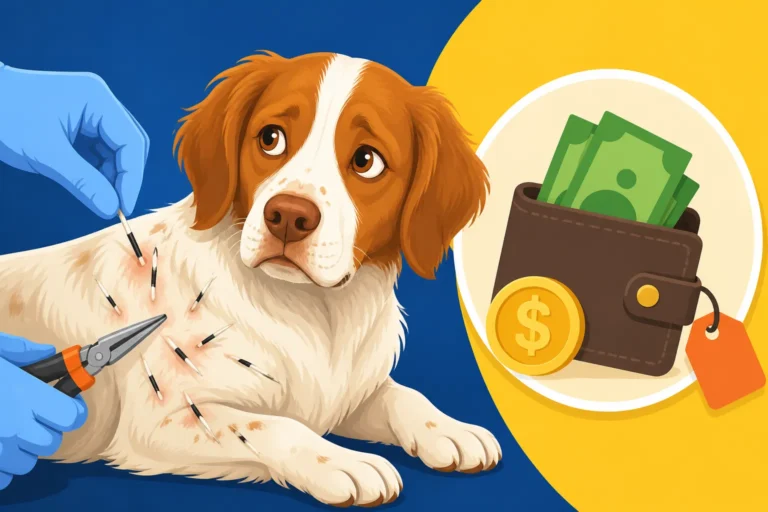
It’s a scenario many prospective dog owners have faced: you’re dreaming of bringing a spirited Brittany puppy into your home, you start looking online, and then you see it—a price tag that seems too good to be true. A Brittany puppy listed for significantly less than what reputable breeders typically charge can feel like hitting the jackpot, especially when you’re budgeting for all the other costs of a new dog. But I'm here to tell you, based on years of experience with this wonderful breed, that a low price often comes with hidden, and potentially heartbreaking, signals about the puppy's health, temperament, and future well-being. This guide will help you decode those signals and understand why a bargain Brittany might actually be the most expensive dog you ever own.
The Allure of a Low Price: Why It's So Tempting (and Often Misleading)
There's no denying the magnetic pull of a good deal, especially when it comes to something as exciting as a new family member. We all want to be savvy consumers, and the idea of saving hundreds, or even thousands, on a purebred Brittany puppy can be incredibly appealing. But with dogs, and especially with a hunting breed like the Brittany, that initial savings can quickly evaporate, leaving you with far more significant costs down the road.
Initial Sticker Shock vs. Long-Term Reality
When you first start researching Brittany puppies, you might experience a bit of sticker shock. Prices from reputable breeders often seem high, and it's easy to wonder why there's such a variance. You might see puppies advertised for a fraction of that cost, and the immediate thought is, "I can save so much money!" However, this initial price is just a tiny fraction of the overall financial commitment. A "cheap" puppy often means corners were cut somewhere in its breeding or early care, leading to potential health issues or behavioral problems that will cost you far more in vet bills, training, and emotional stress over the dog's The Twelve to Fourteen Years a Brittany Gets. That low upfront cost can quickly spiral into a lifetime of unexpected expenses.
The "Deal" That Isn't One: Understanding Value Beyond Price Tag
Think of it this way: when you're buying a car, a dirt-cheap price on a luxury model often means it's salvaged, has major mechanical issues, or has been in a serious accident. You wouldn't expect a top-performing, reliable vehicle for pennies on the dollar. The same logic applies to a living, breathing companion. The "value" of a well-bred Brittany comes from the breeder's dedication to health, genetics, temperament, and early socialization. These are investments that ensure your puppy has the best possible start, reducing the likelihood of future problems. A low price signals a lack of these critical investments, meaning you're essentially buying a "project" dog without realizing it, one that might require extensive veterinary care, specialized training, or simply won't embody the typical wonderful Brittany traits you're expecting.
Breeding Practices That Drive Down Costs (and Quality)
So, how exactly do some breeders manage to offer puppies at such a low price point? It's usually not because they've found a secret stash of discounted dog food or revolutionary cost-saving techniques. More often, it's because they are systematically cutting corners in areas that are absolutely crucial for the health, temperament, and overall quality of the puppies they produce. Understanding these shortcuts is key to recognizing a red flag.
Skipping Health Clearances: A Hidden Cost Bomb
One of the biggest expenses for a responsible Brittany breeder is comprehensive health testing on the parent dogs. This isn't just a quick vet check; it involves specific screenings for genetic conditions prevalent in the breed. For Brittanys, this includes crucial evaluations like hip and elbow dysplasia screenings through organizations like the Orthopedic Foundation for Animals (OFA) or PennHIP, eye certifications by a veterinary ophthalmologist (CERF/OFA Eye Certification), and potentially thyroid panels or genetic testing for conditions like C3 Deficiency. These tests are not cheap, and they require a significant investment of time and money from the breeder.
When a breeder offers puppies at a rock-bottom price, it’s highly likely they've skipped some or all of these vital health clearances. This isn't just about saving money for them; it’s about passing on the risk directly to you. A puppy from untested parents has a much higher chance of developing debilitating and costly genetic conditions. Imagine bringing home your adorable Brittany puppy, only to face thousands of dollars in surgery and rehabilitation for How Common Hip Dysplasia Is in Brittany Spaniels or needing lifelong medication for Epilepsy in a Brittany Spaniel within its first few years. That initial "saving" on the purchase price will quickly be dwarfed by vet bills, potentially making that cheap puppy the most expensive mistake you've ever made. Companies like Healthy Paws offer pet insurance, which can help with unexpected costs, but it's always better to start with a puppy from healthy lines.
Lack of Proper Socialization and Environment
Beyond health, a puppy's early environment and socialization experiences are paramount to its temperament and future behavior. Responsible breeders understand that the first eight weeks of a puppy's life are critical for development. They expose puppies to a variety of sights, sounds, textures, people, and other animals. They provide stimulating environments, safe play areas, and begin rudimentary house training and crate exposure. This intensive care, supervision, and enrichment takes an immense amount of time, effort, and resources, and it's reflected in the price.
Conversely, breeders selling cheap puppies often operate with minimal overhead. Their puppies might be raised in kennels with little human interaction, without exposure to household noises, or with insufficient space to play and explore. This lack of proper early socialization can lead to a host of behavioral issues down the line, such as fear, aggression, anxiety, difficulty house-training, or shyness. Trying to overcome these deeply ingrained behavioral problems later can be incredibly challenging, time-consuming, and expensive, often requiring professional trainers or behaviorists. A well-socialized Brittany, even a Brittany puppy that should be socialized heavily, has a far better chance of growing into a confident, well-adjusted companion.
No Guarantees or Support: You're On Your Own
A reputable breeder stands behind their puppies. They'll offer a comprehensive contract, often including health guarantees against specific genetic conditions, and will require you to return the puppy to them if you can no longer care for it. More importantly, they offer lifelong support. They're a resource for questions, concerns, and advice as your puppy grows, a mentor who knows the breed inside and out and understands their specific lines. This ongoing relationship is invaluable, especially for first-time Brittany owners who might encounter a challenge they've never faced before.
When you buy a cheap puppy, that support system is almost always absent. You might get a flimsy receipt, if anything at all, and a "breeder" who disappears as soon as the money changes hands. If health issues arise, or if the puppy's temperament becomes unmanageable, you're left to navigate those difficult waters entirely on your own. There’s no recourse, no one to ask for guidance, and certainly no offer to take the dog back or help with vet bills. You're left with all the responsibility and all the financial burden, demonstrating that the initial low price was a false economy.
The Hidden Costs of a "Bargain" Brittany
That initial low price tag on a Brittany puppy can feel like a victory, but the truth is, it's often just the down payment on a much larger, unforeseen bill. When corners are cut in breeding and early care, the consequences don't magically disappear; they simply get passed on to the unsuspecting new owner in the form of substantial hidden costs.
Unforeseen Veterinary Bills: A Medical Money Pit
As we discussed, a major reason for a cheap puppy is often the absence of proper health screening for the parent dogs. This is where the true "bargain" often reveals itself as a medical money pit. Conditions like hip or elbow dysplasia, which are common in many active breeds, can require expensive surgeries, ongoing pain management, and specialized therapies throughout a dog's life. Think about the potential cost of an operation, which can easily run into thousands of dollars, followed by physical therapy. Neurological conditions like epilepsy also demand lifelong medication and regular veterinary check-ups to manage seizures. Even seemingly minor issues, like chronic ear infections—a common problem for Why a Brittany's Ears Get Infected Every Season—can add up to significant costs over time if there's an underlying genetic predisposition or structural issue not addressed by good breeding.
Beyond genetic issues, puppies from neglectful environments might come with parasites, infections, or nutritional deficiencies that require immediate and extensive veterinary intervention. These puppies might not have received proper vaccinations or deworming, leaving them vulnerable and adding more to your vet bill right from the start. A good pet insurance plan, like those offered by Healthy Paws, can certainly soften the blow, but it's far better to invest in a puppy that comes from parents with proven health, reducing the likelihood of needing to lean on that insurance constantly. The upfront "savings" will quickly be eclipsed by the cost of trying to fix problems that could have been avoided with responsible breeding.
Behavioral Challenges and Training Expenses
A lack of proper early socialization and a poor environment during those critical first weeks can lead to significant behavioral challenges in a Brittany puppy. Brittanys are intelligent, sensitive, and energetic dogs. If they don't receive adequate stimulation, positive experiences, and gentle guidance early on, they can develop issues that are difficult and costly to correct. This might manifest as extreme shyness or fear, excessive barking, destructive chewing when bored, separation anxiety, or even aggression due to insecurity. While every puppy needs training, a poorly socialized one will require far more intensive intervention.
Hiring a professional dog trainer or behaviorist to address severe behavioral problems can be incredibly expensive. Group puppy classes are one thing, but one-on-one sessions or specialized behavioral modification programs can cost hundreds, if not thousands, of dollars. Beyond the financial cost, there's the emotional toll of dealing with a dog that isn't well-adjusted or that struggles with daily life. Your dream of a calm, well-mannered hunting companion can quickly turn into a frustrating and exhausting ordeal. Remember that a Brittany is a sensitive breed, and what happens when you shout at a Brittany can negatively impact its training.
Compromised Genetic Heritage and Breed Standards
When a breeder is focused solely on churning out puppies at the lowest possible cost, they are rarely prioritizing the preservation of the breed's genetic heritage or adherence to breed standards. This means you might end up with a dog that simply doesn't embody the physical or temperamental traits that make a Brittany such a desirable companion and hunting dog. Their conformation might be off, their coat color could be non-standard, or their size might be significantly different. While these aren't necessarily health issues, they can be disappointing if you had a specific image of a Brittany in mind.
More critically, a compromised genetic heritage can mean a loss of the natural bird drive and biddability that Brittanys are famous for. A "bargain" Brittany might lack the innate pointing instinct, retrieval drive, or the keen intelligence that makes them such exceptional hunting partners. If your primary goal for getting a Brittany is to hunt, a puppy from parents with unproven hunting lines, or from a breeder who doesn't even hunt their dogs, is a huge gamble. You could spend years trying to train a dog that simply doesn't have the natural aptitude, turning your hunting dreams into a frustrating experience. It’s also important to consider what a Brittany Spaniel breeder should have tested before bringing a puppy home.
Reputable Breeders: What They Do (and Why It Costs More)
Understanding why a cheap Brittany puppy is problematic makes it easier to appreciate why reputable breeders charge what they do. Their prices aren't arbitrary; they reflect significant investments in time, expertise, and resources, all aimed at producing healthy, well-adjusted puppies that truly represent the best of the Brittany breed.
Extensive Health Testing and Pedigree Research
A cornerstone of responsible breeding is a commitment to genetic health. Reputable Brittany breeders diligently perform comprehensive health clearances on both parent dogs before breeding them. This isn't just a basic vet check; it involves specialized screenings for conditions known to affect the breed. For example, they'll have hips and elbows evaluated by the OFA or PennHIP to screen for dysplasia, eyes certified by a board-certified veterinary ophthalmologist for genetic eye diseases, and often have thyroid panels run. Many will also conduct DNA tests for specific genetic markers, such as the gene for C3 Deficiency, a known immune system issue in Brittanys. These tests are expensive, and often need to be repeated annually for certain certifications.
Beyond individual health, ethical breeders delve deeply into pedigrees, researching the health history of multiple generations to understand potential genetic predispositions and ensure they are making the most informed breeding decisions possible. They strive to improve the breed with each litter, not just produce puppies. This meticulous approach significantly reduces the likelihood of passing on inherited diseases, giving you a much greater chance of bringing home a truly healthy puppy. This dedication to health testing is a primary reason why a puppy from a reputable breeder costs more upfront, but it pays dividends in the long run by minimizing unexpected veterinary expenses.
Investing in Puppy Rearing and Early Development
The first eight weeks of a Brittany puppy's life are incredibly formative, and a good breeder understands the profound impact of this period. Reputable breeders invest heavily in providing an optimal environment for their puppies. This means:
- Exceptional Care for the Dam: The mother dog receives excellent nutrition, regular veterinary care, and a stress-free environment before, during, and after pregnancy.
- Clean and Stimulating Environment: Puppies are raised in a clean, safe, and enriching environment, often within the breeder's home, exposing them to normal household sounds, sights, and activities.
- Early Socialization: They are handled frequently by different people, introduced to various textures, sounds, and experiences in a positive way. This early socialization is critical for developing a confident, stable temperament.
- Proper Nutrition and Vet Care: Puppies receive high-quality food, regular deworming, and their first vaccinations from a veterinarian.
- Foundation Training: Many breeders begin early potty training, crate conditioning, and even basic bird exposure for their hunting lines, setting the stage for future training successes.
All of this hands-on, intensive care requires an immense amount of time, effort, and financial commitment. It's a 24/7 job for weeks on end, and it’s an investment that ensures your puppy arrives at your home well-adjusted, confident, and ready to thrive. This comprehensive early development is a crucial difference between a cheap puppy and one from a responsible breeder. You can see how this leads to a dog that will be a joy to live with, whether it's hunting in the field or relaxing on the couch with a treat from Chewy.
Lifelong Support and Ethical Practices
A reputable breeder doesn't just sell you a puppy; they welcome you into their extended family. They provide ongoing support and advice for the lifetime of your dog. This includes being available to answer questions about training, health, nutrition, or behavior. They'll celebrate your dog's achievements and offer guidance through challenges. Many reputable breeders also insist on a "return clause" in their contracts, stipulating that if you can no longer care for the dog at any point in its life, it must be returned to them. This demonstrates their unwavering commitment to every dog they produce, ensuring none of their puppies ever end up in a shelter.
This level of ethical commitment, ongoing support, and dedication to the welfare of their dogs long after they leave for their new homes is a hallmark of a responsible breeder. They care deeply about the breed and about the well-being of their puppies, and this genuine care is woven into every aspect of their operation, naturally impacting the price. This contrasts sharply with the "cash and carry" model often associated with cheaper puppies, where the transaction ends the moment the money changes hands. You are buying not just a puppy, but a lifetime resource and partnership with someone who genuinely knows and loves the breed.
Where to Find a Responsibly Bred Brittany (Even on a Budget)
It's clear that the temptation of a cheap Brittany puppy can lead to significant headaches and expenses down the line. So, how do you find a responsibly bred Brittany without breaking the bank? It's about shifting your perspective from initial purchase price to overall value and considering all your options.
Prioritizing Health and Temperament Over Price
The first, and most important, step is to reframe your thinking. Instead of looking for the lowest price, prioritize health, temperament, and ethical breeding practices. Understand that a higher upfront cost for a well-bred Brittany is an investment in a healthy, happy companion that is far less likely to incur massive veterinary bills or behavioral rehabilitation costs in the future. This doesn't mean you have to buy the most expensive puppy on the market, but it does mean being realistic about what a healthy, well-started puppy from a proven lineage entails financially.
Start by researching the breed thoroughly. Understand What a Brittany's Temperament Is Really Like and what genetic health issues are common. Seek out breeders who are transparent about their health testing results (ask for OFA or PennHIP numbers you can verify), who participate in dog sports like hunt tests or conformation (demonstrating commitment to breed standards), and who are open to you visiting their facility and meeting the parent dogs. Good breeders will also ask you many questions, as they want to ensure their puppies go to suitable homes. Websites like the American Brittany Club often have breeder directories and resources for finding reputable sources.
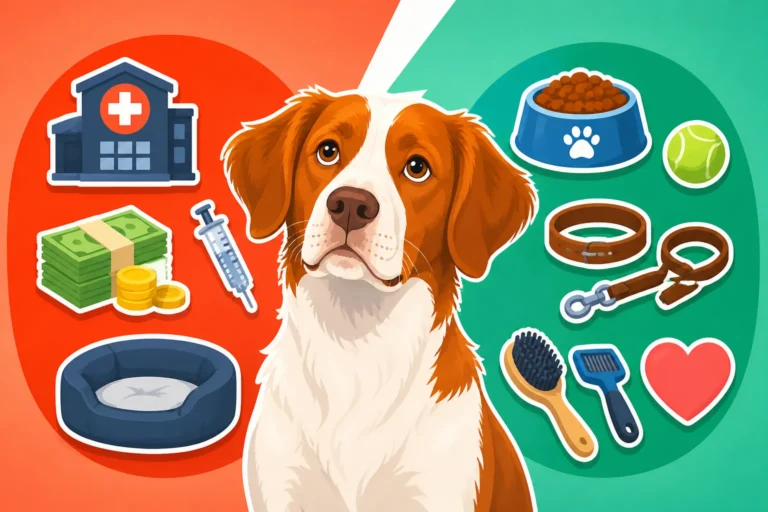
Here's a quick comparison to highlight the difference:
| Feature | "Cheap" Brittany Puppy | Reputable Breeder Brittany Puppy |
|---|---|---|
| Purchase Price | Often significantly lower | Higher upfront cost |
| Health Clearances | Unlikely or unverified for parents | Extensive and verifiable for parents |
| Environment/Socialization | Limited, potentially isolated, lack of stimulation | Home-raised, diverse exposure, early training |
| Temperament | Unpredictable, higher risk of behavioral issues | Genetically predisposed to good temperament, well-socialized |
| Support & Guarantees | Little to none, "as-is" sale | Comprehensive health guarantee, lifelong breeder support |
| Lifetime Vet Costs | High risk of expensive genetic or care-related issues | Lower risk of genetic issues, proactive care |
| Behavioral Training Costs | High risk of needing professional intervention | Standard puppy training, less risk of severe issues |
| Overall Value | Low initial cost, high potential long-term expenses | Higher initial cost, lower potential long-term expenses |
Considering Rescue: A Different Kind of "Bargain"
If the upfront cost of a responsibly bred puppy is truly beyond your budget, or if you prefer to give an adult dog a second chance, adopting from a Brittany-specific rescue organization is an excellent option. Rescue Brittanys, while not "cheap" in terms of care, usually come with a much lower adoption fee than a puppy from a breeder, and this fee often includes vaccinations, spay/neuter surgery, microchipping, and sometimes even initial vet checks. This can save you hundreds of dollars right off the bat, not to mention the joy of providing a loving home to a dog in need.
Rescue organizations, like those listed on the American Brittany Club's website or through local humane societies, do their best to assess the health and temperament of their dogs. They often have dogs in foster homes, where volunteers can provide insights into their personality, habits, and any known issues. While a rescue dog's full genetic history might be unknown, you're usually getting a dog with a clean bill of health at the time of adoption, and they'll be transparent about any known medical needs. You might even find an older Brittany that is still eager to please, as an aging Brittany still wants to hunt. This can be a fantastic way to bring a Brittany into your life without the hefty upfront price tag of a breeder puppy, and many rescue Brittanys are just as wonderful companions.
Understanding the True Lifetime Cost of Ownership
Ultimately, the most important takeaway is to understand the true lifetime cost of owning a Brittany, regardless of how you acquire them. The purchase price or adoption fee is just one small component. Over the Fourteen Years of a Brittany, Priced Out, you'll spend far more on food (whether it's premium kibble from Chewy or fresh options like Ollie), routine veterinary care, vaccinations, preventative medications (flea, tick, heartworm), grooming supplies, training classes, toys, bedding, and potentially pet insurance.
A dog from a responsible breeder is an investment in reducing the risk of significant unexpected costs. A cheap puppy from an unknown source is a gamble that almost always leads to higher expenses and more heartache in the long run. By prioritizing health and ethical practices, or by choosing to adopt, you're making a responsible decision that sets you and your future Brittany up for a lifetime of companionship, rather than a lifetime of financial and emotional stress.
Disclaimer
This article is for general informational purposes only and does not constitute professional advice. Laws, prices and regulations vary by location and change over time. Consult a qualified professional for guidance on your specific situation.