How to Close a Brittany’s Field Laceration
There's nothing quite like the heart-stopping moment when you're out in the field with your beloved Brittany, the crisp air filled with the promise of birds, and suddenly, you spot it: a streak of red, a limp, or a tell-tale snag in their beautiful feathering. A field laceration, often deep and alarming, can turn a perfect day into a frantic dash for first aid. This guide is here to walk you through exactly what to do when your adventurous Brittany suffers a cut in the wild, from immediate on-site care to professional veterinary solutions, helping you stay calm and provide the best care when every second counts.
Immediate On-Site Assessment and First Aid for a Field Laceration
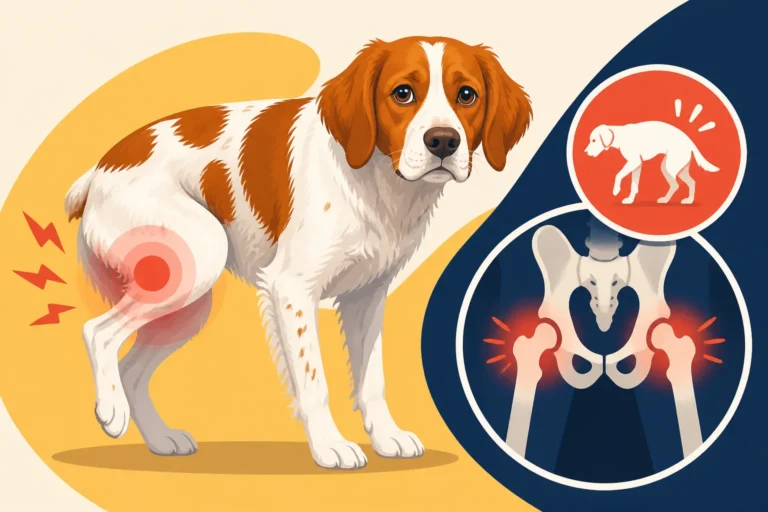
Finding a deep cut on your Brittany while you're miles from civilization is a terrifying scenario, one that every hunting dog owner dreads. The initial shock can make it hard to think straight, but swift, clear-headed action is paramount. Your immediate goals are to assess the severity, stop any significant bleeding, and protect the wound from further contamination.
Prioritizing Your Brittany's Safety and Your Own
First things first: your dog's safety and your own. A dog in pain, even the most gentle Brittany, can lash out defensively. Approach your dog calmly, speaking in a soothing voice. If your Brittany is visibly distressed or in severe pain, you might need to muzzle them, even if you’ve never had to before. A slip lead or a piece of cloth can work in a pinch if you don't carry a muzzle. Ensure the immediate area is safe from whatever caused the injury – a broken branch, a sharp rock, or, terrifyingly, Whether a Brittany Gets Barbed Wire Cuts. Getting yourself injured will only make matters worse for both of you. Once you have a secure and calm situation, gently examine the wound. Remember, Brittanys are notoriously tough and often try to hide their pain, so a subtle limp could be masking something far more serious beneath their dense coat and feathering.
Stopping the Bleeding and Initial Cleaning
Once you can safely examine the cut, your priority is to control any bleeding. If blood is spurting, it indicates arterial damage, which is a severe emergency requiring immediate direct pressure. Use any clean material you have – a bandana, a piece of gauze from your first aid kit, or even a clean sock. Apply firm, direct pressure to the wound. Don't lift the compress to check; maintain constant pressure. If the material becomes saturated, add more on top rather than removing the old one. For less severe bleeding, simply applying pressure for several minutes will often suffice. If you have clean water available, a gentle rinse can help remove some loose dirt and debris, but don't scrub or try to pick out embedded foreign objects, as this can worsen the bleeding or push contaminants deeper. The goal here is stabilization, not a sterile field surgery.
What to Look For: Depth, Location, and Contamination
Once the bleeding is somewhat controlled, take a closer look to determine the nature of the laceration. Is it superficial, just a skin scrape, or is it a deep gash exposing muscle or even bone? Pay close attention to its location. Cuts over joints, like the knee or elbow, or those exposing tendons, are far more serious than a similar-sized cut on a fleshy part of the leg. Ligament or tendon damage can lead to long-term lameness and requires specialized repair. Also, assess the level of contamination. Is there visible dirt, twigs, or bits of barbed wire embedded in the wound? The presence of foreign material significantly increases the risk of infection. Remember, Why a Brittany's Feathering Hides Skin Trouble, so you might need to gently part the hair to get a clear view. Don't be surprised if the wound is larger or deeper than it initially appears, especially if it's on a part of the body covered by thick feathering. A superficial scratch might be manageable in the field, but anything deep, gaping, or actively bleeding needs professional attention.
Field Closure vs. Professional Veterinary Care: Making the Call
After your initial assessment, you're faced with a critical decision: can you manage this yourself with temporary measures, or is a trip to the emergency vet absolutely necessary? This isn't a decision to take lightly, as a wrong call can have serious consequences for your Brittany's long-term health and mobility.
When a Field Closure Might Be Considered (and Its Limitations)
For truly minor, superficial cuts – think small nicks or scrapes that are barely bleeding and don't gape open – you might be able to provide very temporary field closure for transport. This could involve butterfly bandages to pull the skin edges together, or even a dab of veterinary-grade liquid bandage or super glue applied very carefully to the skin edges only, not into the wound itself. The key here is "very carefully" and "temporary." These methods are not meant to be definitive closures for anything beyond the most trivial wound. Their main purpose is to keep the wound edges loosely approximated, or to simply protect it from further contamination during the journey home or to the vet.
It's crucial to understand the limitations:
- Infection Risk: Without proper cleaning and debridement, you're essentially sealing in bacteria.
- Poor Healing: These methods don't provide the strength or precision for proper healing, often leading to wider scars or dehiscence (the wound reopening).
- Inadequate Support: They don't address deeper tissue damage.
If you're considering a field closure, ask yourself: Is this wound truly superficial? Is it clean? Is it small? If the answer to any of these is no, then a DIY closure is likely insufficient and potentially harmful. Remember, even minor cuts on their pads can become quite painful, as detailed in How to Treat a Brittany's Torn Pad.
Recognizing When Immediate Vet Attention Is Non-Negotiable
There are clear red flags that indicate an immediate trip to the veterinarian is non-negotiable. If you observe any of the following, do not hesitate:
- Deep or Gaping Wounds: If you can see muscle, fat, or bone, or if the wound edges are pulled far apart, it needs suturing by a professional.
- Persistent or Pulsing Bleeding: If direct pressure isn't stopping the bleeding within 5-10 minutes, or if blood is spurting, it’s an emergency.
- Wounds Over Joints or Tendons: These are high-risk for infection and long-term joint damage. Any visible tendon, ligament, or joint capsule requires immediate expert assessment.
- Large Wounds or Skin Flaps: Extensive damage often requires more complex surgical repair to reattach skin and prevent necrosis.
- Loss of Function: If your Brittany isn't putting weight on a leg, or is holding it at an odd angle, there might be deeper structural damage.
- Signs of Shock: Pale gums, rapid shallow breathing, weakness, or collapse are critical signs that your dog needs urgent veterinary intervention.
- Heavy Contamination: If the wound is full of dirt, mud, or other foreign debris, it needs professional cleaning to prevent severe infection.
When these situations arise, contacting your emergency veterinary clinic is the priority. Many pet insurance plans, like those offered by Healthy Paws, can help cover the unexpected costs of such emergencies, alleviating financial stress during a critical time. Knowing you have that support can make all the difference in making the best decision for your dog's health without hesitation. The cost of a major laceration repair can be substantial, as explored in What a Brittany's Field Laceration Costs, so preparedness is key.
Preparing Your Brittany for Transport to the Vet
Once you’ve made the decision to head to the vet, ensure your Brittany is as comfortable and stable as possible for the journey.
- Maintain Pressure: If the wound is still bleeding, continue applying direct pressure with clean material.
- Protect the Wound: Loosely wrap the injured area with a clean bandage or cloth to keep it protected from further contamination during transport. Avoid wrapping too tightly, which could restrict blood flow or cause more pain.
- Keep Warm and Calm: Cover your dog with a blanket, especially if they are showing signs of shock. Speak to them in a reassuring voice. Minimizing stress can help prevent their condition from worsening.
- Safe Transport: Secure your Brittany in a crate or with a car harness to prevent them from moving around and aggravating the injury. If you have a second person, they can continue to monitor the wound and provide comfort.
- Call Ahead: Always call the veterinary clinic or emergency hospital while you’re on your way. This allows them to prepare for your arrival, ensuring that staff and necessary equipment are ready, which can save precious time.
The Veterinary Approach to Laceration Repair
When your Brittany arrives at the veterinary clinic with a significant field laceration, the veterinary team will swing into action with a systematic approach to ensure the best possible outcome. Their goal is not just to close the wound, but to promote optimal healing, prevent infection, and restore function.
Thorough Cleaning and Debridement
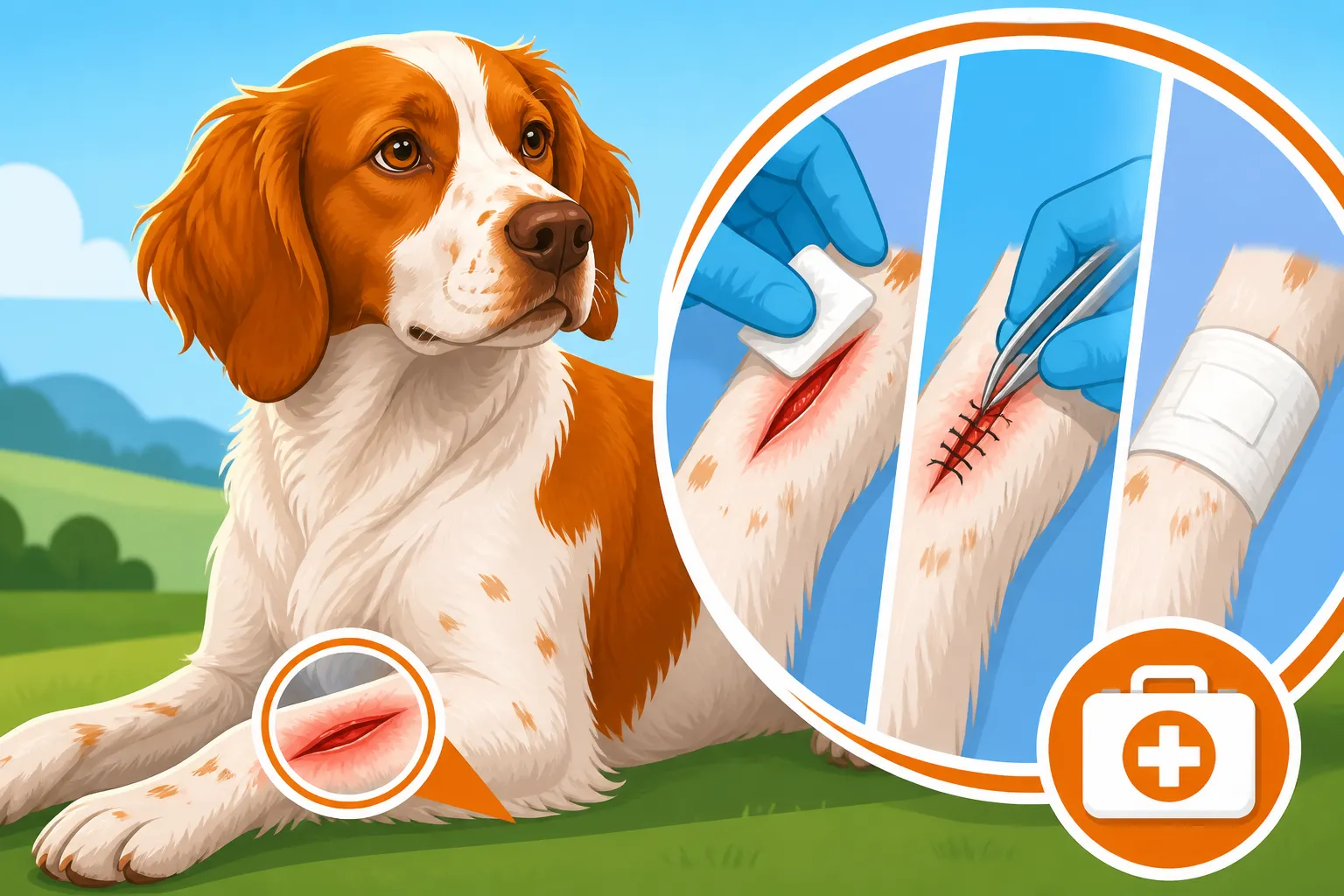
The very first step, after an initial physical exam and stabilization (if needed), is thorough wound cleaning and debridement. This is almost always performed under sedation or general anesthesia, as it can be painful, and it allows the vet to work meticulously. Before any cutting, the hair around the wound will be clipped widely to prevent contamination from loose hairs. Then, the wound will be flushed extensively with sterile saline solution and often an antiseptic solution like dilute chlorhexidine. This flushing helps to wash away dirt, debris, and bacteria that inevitably enter an open field wound.
Following flushing, the veterinarian will carefully debride the wound. This means surgically removing any dead, damaged, or heavily contaminated tissue. While it might seem counterintuitive to remove tissue, it's a critical step. Non-viable tissue acts as a perfect breeding ground for bacteria and hinders healing. Debridement ensures that only healthy, well-perfused tissue remains, creating a clean bed for repair. This meticulous process significantly reduces the risk of post-operative infection and promotes faster, stronger healing. The ability of your Brittany to tolerate Whether a Brittany Tolerates Anesthesia will be a factor here, but modern veterinary anesthesia is very safe.
Surgical Closure Techniques
Once the wound is clean and debrided, the veterinarian will determine the best surgical closure technique. The approach depends heavily on the wound's size, depth, location, and the amount of skin available.
- Sutures: The most common method involves closing the wound in layers using sutures (stitches).
- Deep layers: If muscle or fascia (the connective tissue surrounding muscles) has been damaged, these layers are typically closed first using absorbable sutures. This helps to eliminate "dead space" where fluid can accumulate and create pockets for infection.
- Skin layer: The outermost layer of skin is then carefully closed using non-absorbable sutures or surgical staples. The goal is to bring the skin edges together without excessive tension, which could compromise blood flow and lead to the wound breaking down. The vet will choose a suture pattern that best minimizes tension and promotes a clean scar.
- Drains: For very deep or contaminated wounds, a surgical drain might be placed. This small tube allows any fluid (blood, serum, pus) that collects beneath the skin to exit the body, preventing swelling and infection. Drains are usually left in for a few days and removed during a follow-up visit.
- Skin Grafts/Flaps: In cases of extensive skin loss or severe tension, more advanced techniques like skin grafts or local skin flaps might be necessary. These procedures involve moving healthy skin from another part of the body to cover the defect, and they often require specialized surgical expertise. These are less common for typical field lacerations but are important options for complex injuries.
The vet's expertise in choosing and executing the correct closure technique is vital to your Brittany's recovery. They'll aim for a strong, clean closure that allows for optimal healing.
Post-Operative Care and Infection Prevention
After the surgical closure, diligent post-operative care is critical for a successful recovery. Your veterinarian will provide detailed instructions, and adherence to these is paramount.
- Medication: Your Brittany will likely be sent home with a course of antibiotics to combat potential infection, especially given the outdoor nature of the injury. Pain medication will also be prescribed to keep them comfortable during the healing process. It's essential to administer all medications exactly as directed.
- E-Collar (Cone of Shame): This is non-negotiable. Your Brittany will try to lick, chew, or scratch at their stitches, which can pull them out, introduce bacteria, and severely compromise the wound. The dreaded "cone" prevents this. While your dog might hate it, it's for their own good. Keep it on, especially when unsupervised.
- Wound Care: You'll be instructed on how to keep the wound clean and dry. This usually involves gently cleaning the area with a mild antiseptic solution or warm water as directed. Keeping the area dry is crucial, so no swimming, prolonged wet grass exposure, or baths until the stitches are removed and the vet clears it.
- Activity Restriction: Your Brittany will need strict rest. No running, jumping, or strenuous activity that could strain the stitches and cause the wound to reopen. Leash walks for potty breaks are usually the extent of allowed activity for the first few weeks.
- Follow-up Appointments: These are crucial. The vet will need to check the wound's progress, remove sutures (typically after 10-14 days), and address any concerns. This is also a good opportunity to perform What a Brittany's Yearly Bloodwork Should Cover if it's due, ensuring overall health.
By following these post-operative care instructions, you'll be giving your Brittany the best chance for a smooth, infection-free recovery from their field laceration.
Long-Term Healing, Scarring, and Future Prevention
Getting your Brittany through the initial emergency and surgical repair is a huge relief, but the journey isn't over yet. The long-term healing process, managing potential scarring, and, most importantly, learning how to prevent future injuries are all vital parts of responsible pet ownership.
Monitoring the Healing Process at Home
Once your Brittany is back home, you become the primary caregiver, diligently monitoring the wound's progress. It's a daily task to ensure everything is healing as it should be. You'll want to watch for signs of complications, which can include:
- Excessive Redness or Swelling: Some mild redness and swelling around the incision are normal initially, but if it worsens, spreads, or becomes very warm to the touch, it could indicate infection.
- Discharge: A small amount of clear or slightly pinkish fluid is sometimes normal for the first day or two. However, any thick, colored (yellow, green), or foul-smelling discharge is a definite red flag for infection and requires immediate veterinary attention.
- Opening of the Wound (Dehiscence): If the stitches come undone, or the wound edges pull apart, contact your vet immediately. This might require re-stitching.
- Increased Pain or Lameness: If your Brittany seems to be in more pain, or is significantly more lame than expected, there might be an issue.
- Fever: While harder to detect without a thermometer, lethargy and loss of appetite combined with other signs can suggest a systemic infection.
Keeping your Brittany calm and restricting their activity is key during this time. Even if they feel better, strenuous activity can pull sutures and damage delicate healing tissues. Short, controlled leash walks for bathroom breaks are usually the only outdoor activity allowed. This period of rest is absolutely critical. Your follow-up vet visits, as outlined in How Often a Brittany Needs a Wellness Exam, will confirm proper healing and determine when more normal activity can resume. Should any concerning symptoms appear, don't hesitate to reach out to your veterinarian. Early intervention is always best.
Addressing Scarring and Hair Regrowth
A deep laceration, especially one that required sutures, will almost certainly result in some degree of scarring. For a Brittany, this can be particularly noticeable if the wound was in an area with their distinctive feathering.
- Scar Appearance: Initially, the scar might appear red and slightly raised. Over time, it will typically fade to a paler color and flatten out. The exact appearance depends on the depth of the wound, the quality of the surgical closure, and your dog's individual healing response.
- Hair Regrowth: Hair might grow back differently over the scar. Sometimes, the hair is thinner, a different texture, or even a different color (often white). In some cases, especially with extensive scarring, hair may not regrow at all over the scarred tissue. If the wound was in a heavily feathered area like the legs or chest, it's possible the feathering may never look quite the same. This is a purely cosmetic concern, but something to be aware of.
- Massage and Moisturization: Once the wound is fully closed and the stitches are out, your vet might recommend gently massaging the scar tissue. This can sometimes help to break down adhesions and make the scar more pliable. Topical vitamin E or other pet-safe moisturizing balms can also be used, but always check with your vet first.
While scarring is a permanent reminder of the injury, it's a small price to pay for a healthy, happy Brittany. The main goal is full functional recovery, not perfect aesthetics.
Preventing Future Field Lacerations
The best treatment for a laceration is prevention. While you can't eliminate all risks for an active hunting dog, you can significantly reduce the likelihood of future field injuries.
- Terrain Awareness: Before you let your Brittany loose, scout the terrain. Look for hazards like broken glass, sharp rocks, discarded metal, or old fencing. Be particularly wary of areas known for old barbed wire or fallen branches, common culprits for deep cuts. Knowing the environment and avoiding high-risk spots can make a huge difference.
- Protective Gear: Consider investing in protective gear for your Brittany, especially if you hunt in dense cover or harsh environments.
- Protective Vests: These chest and belly protectors are made from tough, puncture-resistant materials (like Cordura or Kevlar blends) that can shield your dog from sharp sticks, briars, and even minor encounters with other animals. Brands like Skid Plate or Cabela's offer good options.
- Boots: Paw pads are incredibly vulnerable. Whether a Brittany Needs Boots in the Field is often debated, but for particularly rough terrain, icy conditions, or after a minor paw injury, dog boots can provide excellent protection. Make sure they fit well to prevent chafing or falling off.
- Regular Inspections: After every hunt or extensive outing, perform a thorough inspection of your Brittany. Check their paws, between their toes, under their armpits, in their groin, and all along their body, paying extra attention to areas with thick feathering. This routine check-up, similar to How to Check a Brittany for Lumps, allows you to catch minor scrapes, embedded burrs, or small cuts before they become major problems. Early detection means faster, easier treatment.
- First Aid Preparedness: Always carry a well-stocked first aid kit tailored for dogs. Having antiseptic wipes, gauze, vet wrap, medical tape, and a hemostatic powder can make all the difference in those critical first moments after an injury.
By being proactive and prepared, you can help ensure your Brittany stays safe and enjoys many more years of happy, healthy adventures in the field.
Disclaimer
This article is intended for informational purposes only and does not constitute veterinary advice. Always consult with a qualified veterinarian for any health concerns or before making any decisions about your pet's medical care. In case of an emergency, seek immediate veterinary attention.