Whether a Brittany Gets an Aural Hematoma
It's incredibly distressing to discover a swollen, fluid-filled lump on your beloved Brittany's ear flap, often after a bout of intense scratching or head shaking. This alarming development is usually an aural hematoma, a common but painful condition that can affect any dog, but especially active breeds like Brittanys with their characteristic drop ears. This guide will walk you through what an aural hematoma is, why Brittanys are particularly susceptible, how to spot the signs, and most importantly, what steps you can take for treatment and prevention to keep your sporting companion comfortable and healthy.
Understanding Aural Hematomas in Brittanys
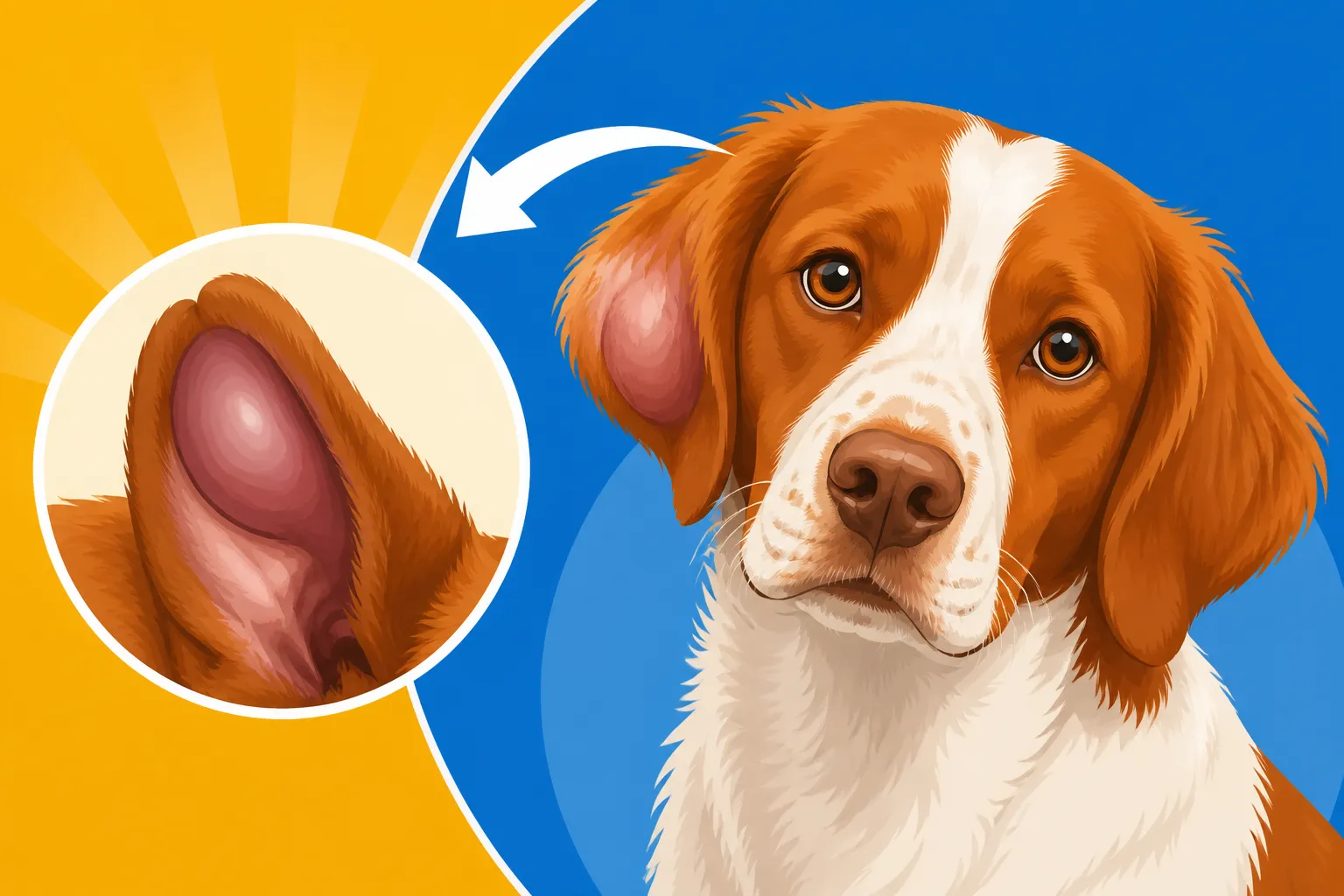
An aural hematoma can appear quite suddenly, turning your dog's normally perky or neatly folded ear into a balloon-like structure. It's a condition that often sends new owners into a panic, and even seasoned Brittany handlers might sigh, recognizing a familiar foe. It’s important to understand exactly what’s happening when one of these pops up.
What Exactly Is an Aural Hematoma?
Simply put, an aural hematoma is a collection of blood that pools between the cartilage and the skin of the ear flap, known medically as the pinna. Think of it like a really bad bruise, but instead of just bruising on the surface, the blood vessels within the ear structure itself have ruptured, creating a pocket of fluid. The ear flap is a thin, delicate structure, and when these tiny blood vessels break, the blood has nowhere to go but to collect, causing the characteristic swelling.
This isn't just a cosmetic issue; it's quite painful for your dog. The pressure from the accumulated blood pushes against the sensitive tissues and nerves, leading to discomfort and often a noticeable change in your Brittany's demeanor. It might be warm to the touch, and your dog will likely guard it, pulling away if you try to examine it. It can vary in size from a small, soft pocket to a large, firm swelling that encompasses the entire ear flap, sometimes making the ear feel thick and heavy.
Why Brittanys Are Prone to Them
So, why do our energetic, happy-go-lucky Brittanys seem to be such frequent flyers when it comes to aural hematomas? Several factors contribute to their predisposition. Firstly, their breed standard calls for ears that are set high, lying flat and close to the head, often described as "drop ears." These ears, while beautiful, create a warm, moist environment that can be a breeding ground for yeast and bacteria, leading to frequent ear infections. If you've ever had a Brittany, you know the struggle of keeping those ears healthy! For more on this, you might find our article on Why a Brittany's Ears Get Infected Every Season incredibly helpful.
Secondly, Brittanys are an incredibly active breed. They're constantly on the move, whether it's tearing through heavy cover in the field, playing fetch in the yard, or wrestling with canine companions. This active lifestyle, combined with the presence of itchy or irritated ears, creates a perfect storm. When an ear starts to itch or hurt, a Brittany's natural reaction is to shake its head vigorously or scratch relentlessly with a back paw. It’s these repetitive, forceful motions – the whipping of the head, the sharp impact of nails – that cause the delicate blood vessels within the ear flap to rupture, leading to the hematoma. It's a classic example of a dog trying to relieve discomfort but inadvertently causing a much bigger problem.
Recognizing the Signs and Symptoms
Catching an aural hematoma early can make a difference in your dog's comfort and the ease of treatment. The most obvious sign is, of course, the swelling. You'll notice one or both ear flaps appear puffy, thick, and sometimes distended. It might feel soft and fluid-filled, or it could be quite firm if the blood has clotted or if the swelling is significant.
Beyond the visible swelling, pay close attention to your Brittany's behavior. They are master communicators, even without words. You might observe:
- Head Shaking: This is often the precursor and continues to be a symptom. Your dog will shake its head excessively, sometimes violently, trying to dislodge whatever is causing the discomfort.
- Ear Scratching: Constant pawing at the affected ear, sometimes to the point of breaking the skin or causing further trauma.
- Head Tilting: Many dogs with ear pain will hold their head tilted to one side, favoring the unaffected ear.
- Pain Response: Your Brittany might yelp or flinch when you try to touch the ear, or even become defensive. They may be reluctant to be petted on the head.
- Changes in Ear Carriage: The affected ear might hang lower than usual, or appear misshapen due to the swelling.
- Lethargy or Irritability: The constant pain and discomfort can make your usually cheerful Brittany withdrawn, grumpy, or less interested in play.
- Odor or Discharge: If an underlying ear infection is present, you might notice a foul odor or a dark, waxy, or pus-like discharge from the ear canal. This is a crucial clue that points to the root cause. For more on what to look for, check out Signs a Brittany's Ear Is Infected.
Don't ignore these signs, even if they seem minor. What starts as a little head shake can quickly escalate into a full-blown hematoma, causing more pain and requiring more intensive intervention.
The Causes Behind the Swelling
Understanding why the blood vessels burst is key to both treating the current hematoma and preventing future occurrences. For Brittanys, it almost always comes back to something irritating those sensitive ears.
The Vicious Cycle of Ear Infections and Trauma
This is perhaps the most common scenario for aural hematomas in Brittanys. As we discussed, their floppy ears create an ideal environment for ear infections. Whether it's a bacterial infection, a yeast overgrowth, or even ear mites, these conditions cause intense itching and inflammation deep within the ear canal. Imagine having an itch you just can't scratch, or a constant throbbing pain. That's what your Brittany is experiencing.
In response to this severe irritation, your Brittany will shake its head with incredible force and scratch relentlessly. It's a desperate attempt to relieve the torment. Each violent head shake causes the ear flap to whip against the side of the head, and each scratch delivers blunt force trauma from their nails. Over and over again, these actions put immense strain on the fragile blood vessels that supply the ear flap. Eventually, one or more of these vessels simply gives way, rupturing and bleeding into the space between the skin and cartilage.
It's a frustrating, self-perpetuating cycle: ear infection causes itching, itching causes head shaking/scratching, head shaking/scratching causes the hematoma, and the hematoma itself causes more pain, which can lead to more head shaking. Breaking this cycle requires addressing both the hematoma and the underlying ear issue. You'll want to be vigilant about How Often a Brittany's Ears Should Be Checked to catch potential infections early.
Other Potential Triggers
While ear infections are the leading culprit, they aren't the only reason a Brittany might develop an aural hematoma. There are other forms of irritation or trauma that can set off that desperate shaking and scratching:
- Allergies: Just like people, dogs can suffer from environmental allergies (pollen, dust mites) or food allergies. These allergies often manifest as itchy skin, and the ears are a common target. Persistent ear itching due to allergies, even without a full-blown infection, can lead to the same cycle of head shaking and scratching that causes hematomas. It's a common reason why some Brittanys seem to have recurring ear issues.
- Ear Mites: These tiny parasites are incredibly irritating and cause intense itching, especially in puppies, though adult dogs can get them too. The relentless scratching and head shaking that ear mites provoke can easily lead to a hematoma.
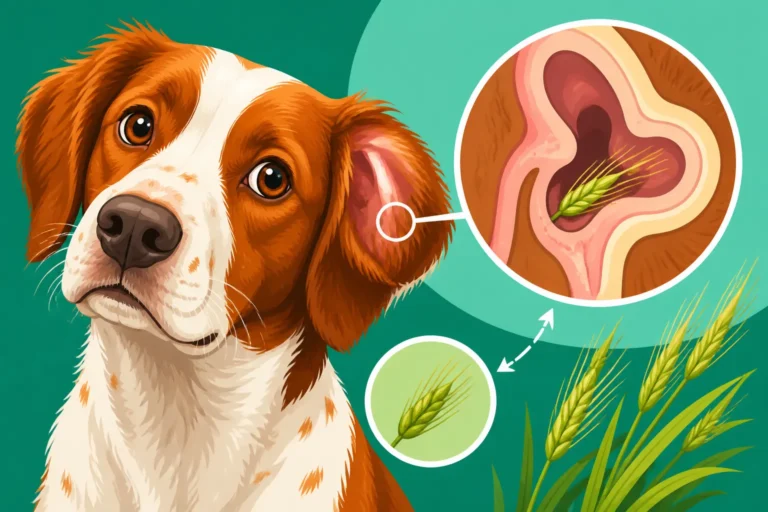
- Foreign Bodies: Our adventurous Brittanys spend a lot of time exploring fields, woods, and tall grasses. It's not uncommon for foreign objects, such as grass seeds, foxtails, or even small twigs, to find their way into the ear canal. These objects can be acutely painful and irritating, triggering frantic head shaking and scratching as your dog tries to dislodge them. A deep dive into How Grass Seeds Get Into a Brittany's Ear highlights just how sneaky and problematic these can be.
- Trauma: While less common than self-inflicted trauma, a direct blow to the ear during rough play, a fall, or an accident could, in theory, cause enough damage to rupture blood vessels and create a hematoma. However, the vast majority of cases we see are due to the dog's own actions trying to relieve an itch.
The Role of Head Shaking and Scratching
It bears repeating: the direct cause of the blood pooling in the ear flap is almost always the violent force of head shaking and scratching. It's not the underlying ear infection itself that directly causes the hematoma, but rather the dog's reaction to the discomfort the infection creates.
Think of it like this: your Brittany’s ear cartilage is a rigid, supportive structure, and the skin covers it. In between are tiny, delicate blood vessels. When your dog whips their head around, the weight and inertia of the ear flap cause the skin and underlying vessels to slap against the cartilage. Similarly, when a back paw scrapes repeatedly and forcefully at the ear, it creates friction and pressure. Both actions generate shear forces that tear these tiny blood vessels. The blood then escapes, creating the pocket. Without this vigorous self-trauma, even the most severe ear infection is unlikely to result in an aural hematoma. This is why controlling the scratching and shaking is paramount, not just during recovery, but also in preventing recurrence.
Diagnosis and Treatment Options
Once you suspect an aural hematoma, a trip to the veterinarian is non-negotiable. This isn't something that typically resolves well on its own, and delaying treatment can lead to more complications and disfigurement of the ear.
How a Vet Diagnoses an Aural Hematoma
Diagnosing an aural hematoma is usually quite straightforward for your vet. They will perform a thorough physical examination, focusing specifically on the affected ear. The characteristic swelling and fluctuation of fluid under the skin are usually unmistakable.
However, the diagnosis doesn't stop there. A crucial part of the examination involves looking into the ear canal with an otoscope. This is where your vet will search for the underlying cause of the hematoma. Remember, the hematoma itself is a symptom of something else going on. They'll be looking for signs of infection (redness, swelling, discharge), foreign bodies, or mites. Sometimes, because of the pain associated with the hematoma, your Brittany might be reluctant to allow a thorough otoscopic exam. In such cases, mild sedation might be necessary to ensure the vet can get a good, clear view of the ear canal and properly collect samples for cytology (looking at cells under a microscope) or culture to identify bacteria or yeast.
Your vet might also take a sample of the fluid from the hematoma with a needle. This confirms it’s blood (a hematoma) and not something else, like an abscess (pus) or a cyst (clear fluid). This diagnostic step helps rule out other, less common conditions.
Surgical Intervention: The Most Common Approach
For most aural hematomas, especially larger ones in active breeds like Brittanys, surgical intervention is the gold standard. While it might sound daunting, surgery offers the best chance for complete resolution, proper healing, and preventing the dreaded "cauliflower ear" deformity.
The procedure typically involves:
- Drainage: The vet will make an incision on the inner surface of the ear flap to drain the accumulated blood.
- Suturing: This is the most critical step. Multiple sutures are placed through the ear flap, passing from one side to the other. These sutures achieve two main goals:
- They close the empty space where the blood collected, allowing the skin and cartilage to reattach.
- They create small drainage channels to prevent fluid from re-accumulating. These sutures are usually left in for several weeks.
- Bandaging/Splinting: After surgery, the ear might be bandaged to the top of your Brittany's head or a specialized ear splint might be applied. This protects the surgical site, helps maintain pressure on the ear flap, and prevents your dog from shaking its head or scratching at the stitches.
Recovery and Aftercare: This is a critical period. Your Brittany will likely go home with an Elizabethan collar (the "cone of shame") to prevent them from scratching or biting at the ear. You'll need to administer pain medication and possibly antibiotics. Regular cleaning of the incision site might also be necessary. The sutures will typically stay in for 3-4 weeks to allow for proper adhesion of the skin and cartilage.
The cost of this surgery can be a concern for many owners. Depending on the severity, your location, and the specifics of the clinic, surgical costs can range from several hundred to over a thousand dollars. This is where having pet insurance can be a huge relief. Providers like Healthy Paws often cover emergency and surgical procedures for conditions like aural hematomas, significantly easing the financial burden during a stressful time. It’s definitely worth considering if you have an active dog who is prone to these kinds of injuries. For a general overview of costs associated with injuries, our piece on What a Brittany's Field Injuries Cost in a Season might provide additional context.
Non-Surgical Alternatives and Their Limitations
While surgery is generally preferred, some non-surgical options exist, though they come with limitations, especially for an active Brittany.
- Needle Aspiration: The vet drains the hematoma using a needle and syringe. While less invasive, the recurrence rate is very high because the underlying blood vessels are still damaged, and the space between the cartilage and skin can easily refill. It offers temporary relief but is rarely a long-term solution.
- Steroid Injections: Sometimes, steroids are injected into the drained hematoma site to reduce inflammation and scarring. This might be combined with aspiration, but still carries a significant risk of recurrence.
- Conservative Management: This involves leaving the hematoma to resolve on its own, sometimes with the help of anti-inflammatory medications. The downside is that it takes a very long time, is uncomfortable for your dog, and almost always results in a significantly scarred, thickened, and crinkled "cauliflower ear." This deformity, while not necessarily painful once healed, can affect the ear canal's airflow and lead to future ear infections. For an active dog like a Brittany, a misshapen ear can also be more susceptible to new trauma.
Given the active nature of Brittanys and their susceptibility to underlying ear issues, non-surgical approaches are generally not recommended as the primary long-term solution. They might be considered for very small hematomas, or if surgery is absolutely not an option due to other health concerns.
Here's a quick comparison of treatment options:
| Feature | Surgical Repair (Drainage & Sutures) | Needle Aspiration/Steroids | Conservative Management (Do Nothing) |
|---|---|---|---|
| Effectiveness | High success rate, low recurrence | Low long-term success, high recurrence | Very low success, high recurrence |
| Pain Relief | Immediate after drainage, then managed with meds | Temporary | Prolonged discomfort |
| Healing Time | Weeks (sutures in 3-4 weeks), full recovery longer | Short-term relief, slow ultimate healing | Months |
| Appearance | Best cosmetic outcome, minimal "cauliflower ear" risk | Moderate to high "cauliflower ear" risk | Very high "cauliflower ear" risk |
| Cost | Higher upfront | Lower upfront, higher potential for repeat | Minimal upfront, high cost of prolonged pain |
| Anesthesia | Required | Often not required (aspiration), sedation possible (steroids) | Not required |
| Risks | Anesthesia, infection at site | Recurrence, infection | Discomfort, secondary infection, deformity |
| Brittany Suitability | Generally Recommended | Not ideal for active dogs | Least suitable, poor outcome |
Prevention and Long-Term Ear Health
The best offense is a good defense, especially when it comes to those sensitive Brittany ears. Taking proactive steps can significantly reduce the chances of your dog developing an aural hematoma.
Proactive Ear Care Routine
Regular, diligent ear care is the cornerstone of prevention for any drop-eared breed, and especially our Brittanys. It’s not just about looking at them; it’s about a hands-on approach.
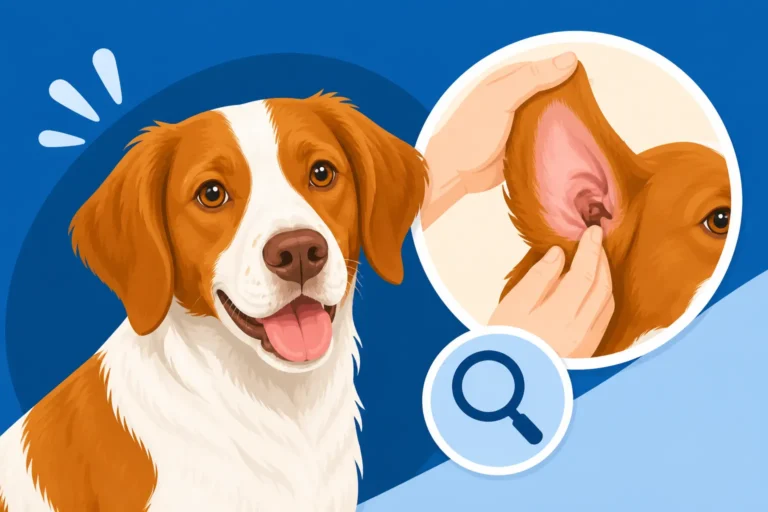
- Weekly Visual Inspections: Make it a habit to lift your Brittany's ears and peek inside at least once a week, and more frequently during hunting season or after swimming. Look for redness, swelling, unusual discharge, or any foul odor. Early detection of an infection or irritation is key to preventing the severe itching that leads to head shaking.
- Routine Cleaning: Use a veterinarian-approved ear cleaner. These cleaners typically have a drying agent and a mild antiseptic. Gently squirt the solution into the ear canal, massage the base of the ear for 30 seconds to distribute it, and then allow your dog to shake their head (ideally outside or in a bathroom!). Finally, wipe out any debris or excess cleaner with a cotton ball or soft gauze. Avoid cotton swabs, as they can push debris deeper into the ear canal and potentially damage the eardrum.
- Thorough Drying: After baths, swimming, or rainy walks, ensure your Brittany's ears are completely dry. The warm, moist environment inside a floppy ear is a haven for bacteria and yeast. You can use a soft towel, a cotton ball, or even a low-setting hairdryer (held at a safe distance) to gently dry the inner ear flap and the opening of the ear canal. For more specific techniques, refer to our article on How to Dry a Brittany's Ears After Water.
- Hair Trimming: Some Brittanys have quite a bit of hair growing inside their ear canal. While controversial for some breeds, carefully trimming or plucking excessive hair from the ear canal opening (with caution and ideally by a vet or professional groomer) can improve air circulation and reduce moisture buildup. Discuss this with your vet first to see if it’s appropriate for your individual dog.
Establishing a consistent routine makes it less of a chore and more of a bonding experience. Your Brittany will become accustomed to having their ears handled, making future inspections and treatments much easier.
Addressing Underlying Issues
Preventing hematomas isn't just about ear hygiene; it's about treating the root cause of the irritation. If your Brittany develops an ear infection, allergy, or has ear mites, prompt and thorough veterinary treatment is crucial.
- Treating Infections: If you notice any signs of an ear infection (odor, discharge, redness, discomfort), get your Brittany to the vet right away. Don't try to self-treat with home remedies, as you could worsen the problem or delay proper diagnosis. Your vet will diagnose the specific type of infection (bacterial, yeast, or mixed) and prescribe the appropriate medication, which might be drops, oral antibiotics, or anti-fungals. Completing the full course of medication, even if the ear looks better, is vital to prevent recurrence.
- Managing Allergies: If your Brittany suffers from chronic ear infections or persistent ear itching without obvious infection, allergies might be the culprit. Your vet can help you investigate potential allergens through diet trials or allergy testing. Managing allergies often involves a multi-faceted approach, including specialized diets, environmental controls, and sometimes medications (antihistamines, steroids, or newer allergy medications). Addressing the underlying allergy can significantly reduce ear inflammation and the subsequent scratching that leads to hematomas. Healthy Paws, and similar pet insurance providers, also often cover the diagnostics and ongoing treatment for chronic conditions like allergies, which can be a huge help.
- Removing Foreign Bodies: If your Brittany has been in dense brush or tall grasses and suddenly starts violently shaking its head, especially after a hunt, a foreign body might be lodged in the ear. This is an emergency. A vet will need to safely remove the object, often requiring sedation, to prevent further irritation or ear damage. Where a Foxtail Lodges in a Brittany highlights the dangers of these persistent plant awns.
Managing Excessive Head Shaking and Scratching
Even with the best preventative care, sometimes an irritation will pop up. When your Brittany is actively shaking or scratching due to ear discomfort, you need to intervene to prevent a hematoma or protect a healing one.
- Elizabethan Collar (E-Collar): The dreaded "cone of shame" is your best friend in this scenario. It physically prevents your dog from reaching their ears to scratch or from whipping their head against surfaces. While they might initially protest, most dogs adjust within a day or two. There are various types available, from traditional plastic cones to softer, inflatable ones, or even body suits that cover the ears. Find one that your Brittany tolerates best.
- Paw Protection: If your Brittany is a master at getting around the e-collar with their back paws, consider dog booties or socks to prevent their nails from directly injuring the ear.
- Pain Management: If a hematoma has already formed, your vet will prescribe pain medication. Keeping your dog comfortable is key to reducing the urge to shake and scratch, which is important for proper healing and preventing further damage.
- Confinement/Supervision: During critical recovery periods, keep your Brittany in a confined, safe space where they are less likely to run into things or shake their head vigorously. Close supervision is always important.
Long-term ear health for your Brittany is an ongoing commitment. By understanding the risks, being proactive with care, and promptly addressing any issues, you can significantly reduce the chances of your active companion experiencing the pain and disruption of an aural hematoma. It's all part of the journey of loving and caring for these wonderful sporting dogs.
Disclaimer
The information provided in this article is for general informational purposes only and is not a substitute for professional veterinary advice, diagnosis, or treatment. Always seek the advice of your veterinarian or other qualified health provider with any questions you may have regarding a medical condition. Never disregard professional veterinary advice or delay in seeking it because of something you have read in this article.