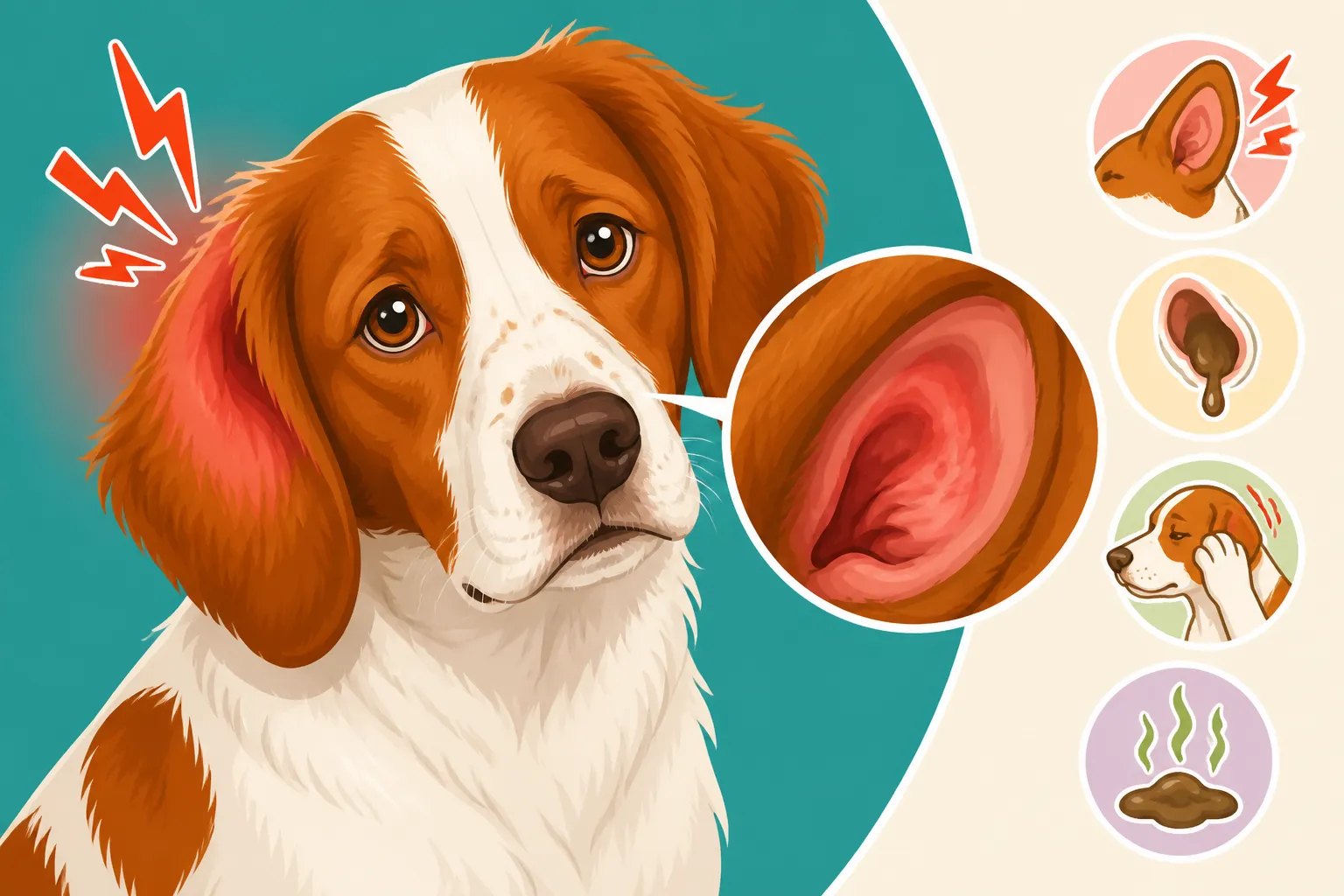
Signs a Brittany’s Ear Is Infected
There’s nothing quite like the boundless energy and joyful spirit of a Brittany, but it can be incredibly distressing when your normally vibrant companion starts acting out of sorts, especially if it involves their ears. Ear infections are a frustratingly common ailment for our beloved floppy-eared friends, often sneaking up on us and causing discomfort before we even realize what’s happening. This guide is here to walk you through the distinct signs that signal your Brittany might be battling an ear infection, helping you recognize the subtle and not-so-subtle cues so you can get them the care they need quickly.
The Obvious Red Flags of Ear Infection
When an ear infection takes hold, some signs are pretty hard to miss. Your Brittany, usually so eager to please and participate, might suddenly become a bit withdrawn or, conversely, incredibly agitated. These overt signals are often your first clear indication that something is amiss and warrant immediate attention.
Constant Scratching and Head Shaking
One of the most immediate and noticeable indicators that your Brittany is suffering from an ear infection is persistent scratching and vigorous head shaking. Think about it from their perspective: their ear is itchy, inflamed, and uncomfortable, and their natural instinct is to try and relieve that irritation. You might see them pawing at their ear with a back foot, sometimes quite frantically, often causing a loud thumping sound as their hind leg makes contact with their side. This isn't just a casual scratch; it's usually an intense, prolonged effort.
The head shaking can be equally alarming. It's often more than just a quick flick; it's a determined, often rhythmic shaking of the head back and forth, sometimes accompanied by a visible flailing of their long, feathered ears. This can lead to secondary problems, like aural hematomas, where blood vessels in the ear flap rupture, creating a swollen, fluid-filled pocket that feels spongy to the touch. These are incredibly painful and almost always require veterinary intervention. If you’ve ever wondered why a Brittany’s ears get infected every season, it’s often due to their design, trapping moisture and debris.
Odor and Discharge
A healthy Brittany's ear should have a very mild, almost neutral smell. If you're noticing a distinct, unpleasant odor emanating from your dog's ear, that's a huge red flag for infection. This smell can range from sweet and yeasty, often indicative of a yeast infection (which is common), to a pungent, foul, or putrid smell, suggesting a bacterial infection. Sometimes, the odor can be so strong it's noticeable even before you get close to their ear.
Along with the smell, you'll likely observe some sort of discharge. This isn't just a bit of normal earwax. An infected ear can produce excessive amounts of dark brown or black waxy discharge, which might look like coffee grounds, especially with ear mites. Bacterial infections often result in yellowish, greenish, or pus-like discharge that can be thick and sticky. In more severe cases, you might even see discharge tinged with blood. Checking your Brittany's ears should be a regular part of their care, especially after being out in the field.
Redness and Swelling
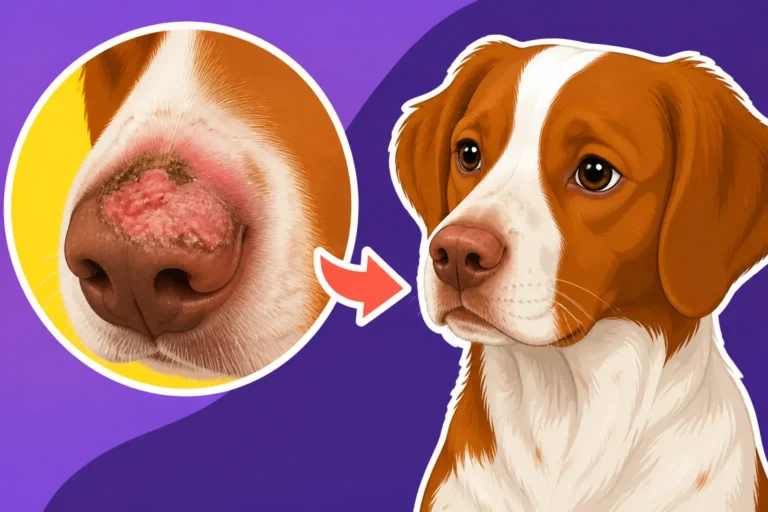
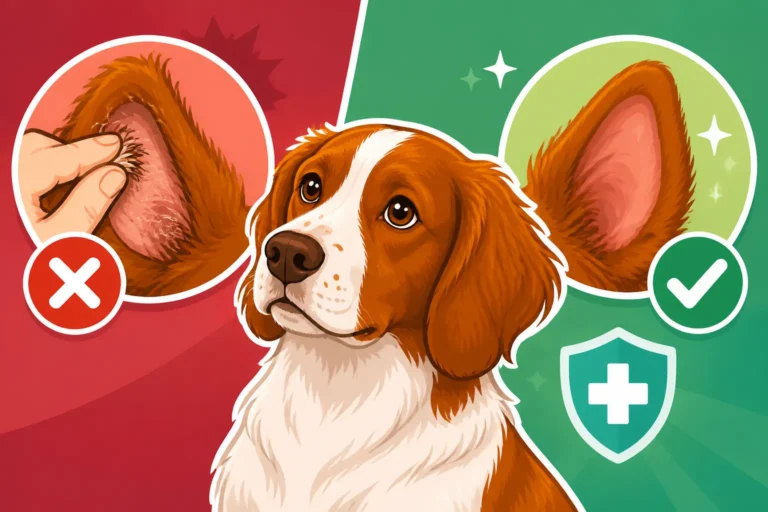
Taking a peek inside your Brittany's ear is crucial. Gently lift the ear flap and examine the visible parts of the ear canal and the inner surface of the flap itself. A healthy ear should be pale pink and clean. If you see obvious redness, inflammation, or swelling, it’s a clear sign of trouble. The skin might look angry and irritated, sometimes even thickened or crusty.
Swelling can extend beyond the immediate ear canal, affecting the entire ear flap or the tissues around the base of the ear. The ear might feel warm to the touch compared to the other ear or other parts of their body. In some cases, the swelling can be significant enough to partially or completely close off the ear canal, making it even harder for air to circulate and exacerbating the infection. This inflammation is a primary reason why your Brittany might be scratching and shaking their head so much.
Subtle Behavioral Changes That Signal Trouble
Sometimes, the signs aren't as in-your-face as frantic scratching. Our Brittanys are often masters at hiding discomfort, especially if they're used to powering through minor aches in the field. However, observant owners can pick up on subtle behavioral shifts that point to an underlying ear problem.
Pain and Sensitivity
Your Brittany might not yelp every time their ear hurts, but they will certainly communicate their pain in other ways. If you try to gently touch or examine their ear, they might suddenly flinch, pull away, or even snap, which is completely out of character for their usually affectionate nature. They might resist having their head petted, especially near the affected ear. Some dogs will hold their head slightly tilted to one side, favoring the painful ear.
This pain isn't just localized to the ear itself. The inflammation and discomfort can radiate, making them generally more sensitive around their head and neck. Even a collar adjustment might elicit a low growl or a hesitant response. This increased sensitivity is a clear indication that something is causing them significant discomfort, and ignoring it can lead to chronic issues. For more information on dealing with health concerns, you might find Caring for a Brittany Past Ten helpful, as older dogs can experience more persistent ear problems.
Changes in Disposition
An ear infection can make even the most cheerful Brittany feel miserable. You might notice a general change in their overall disposition. They might seem more withdrawn, less enthusiastic about playtime, or generally lethargic. Their usual zest for life, whether it's chasing a ball or getting ready for a hunt, might diminish significantly. They might sleep more or seem restless and unable to get comfortable.
Loss of appetite or a decreased interest in food can also be a subtle sign. If your Brittany normally devours their meals but suddenly picks at their food, it could be due to the systemic discomfort of an infection. Conversely, some dogs might become more irritable, snapping at other pets or family members when approached, particularly if their ear is jostled. These changes, while not directly pointing to an ear, signal an overall feeling of unwellness that needs investigation. Regular wellness exams and yearly bloodwork can help catch these changes early.
Lopsided Head Tilt or Balance Issues
While less common than scratching or discharge, a persistent head tilt can be a serious sign of an ear infection, particularly one that has progressed to the middle or inner ear. The inner ear plays a crucial role in balance, and an infection there can disrupt this delicate system. Your Brittany might hold their head continuously cocked to one side, as if trying to relieve pressure or just feeling off-kilter.
In more severe cases, or if the infection is particularly aggressive, you might observe actual balance issues. This could manifest as clumsiness, stumbling, circling, or even falling over. They might be reluctant to jump or use stairs, or simply seem disoriented. These neurological signs are a serious concern and warrant immediate veterinary attention, as they can indicate a deeper, more invasive infection that could affect hearing or even spread to the brain.
What to Look for During a Routine Ear Check
Proactive care is key to catching ear infections early, especially with a breed like the Brittany that is prone to them. Incorporating a routine ear check into your grooming schedule can save your dog a lot of discomfort and potentially costly veterinary bills.
Visual Inspection Checklist
Performing a regular visual inspection is your first line of defense. Ideally, you should do this weekly, and certainly after any activities involving water or heavy cover.
Here’s a checklist of what to look for:
- Color: The inside of the ear flap and the visible ear canal should be a pale, healthy pink. Look for any redness, purpling, or excessive pallor.
- Cleanliness: A small amount of light brown earwax is normal. However, look for excessive dark brown, black, yellow, or green discharge.
- Swelling: Gently feel the ear flap and the base of the ear for any puffiness, lumps, or abnormal thickening of the skin.
- Hair: While Brittanys have feathering, inspect the hair within the ear canal. Excessive hair growth can trap moisture, but sudden matting or crusting could indicate discharge.
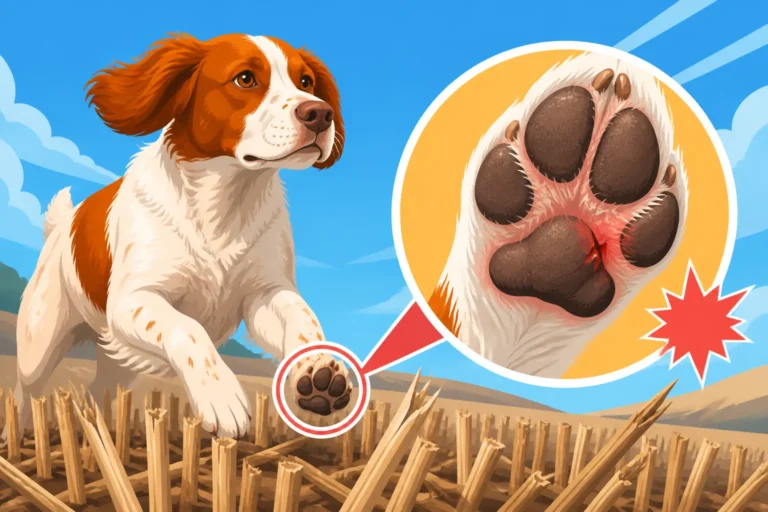
- Foreign Objects: Especially after being in the field, check for foxtails, burrs, or other debris that might have lodged in the ear. These can quickly lead to infection.
By being consistent with these checks, you'll quickly learn what a "normal" ear looks and feels like for your individual Brittany, making it easier to spot deviations.
Olfactory Cues and Tactile Examination
Beyond what you can see, what you can smell and feel are equally important. After your visual check, gently cup your hand over your Brittany's ear and take a sniff. Trust your nose! Any strong, unusual odor is a warning sign. Don't dismiss a slight "off" smell; it can be the very first hint of an infection brewing before more obvious symptoms appear.
Next, gently touch the ear. Is it noticeably warmer than the other ear or other parts of their body? Is there any tenderness when you lightly press on the base of the ear? Does your Brittany react negatively to this gentle touch? You're not looking to cause them pain, but rather to gauge their comfort level and feel for any subtle changes in temperature or texture. A slight thickening or hardening of the ear canal lining can be an early sign of chronic inflammation, even if there isn't much discharge yet.
Here’s a comparison table to help you distinguish between a healthy and an infected ear:
| Feature | Healthy Ear | Infected Ear (Potential Signs) |
|---|---|---|
| Appearance | Pale pink, clean, minimal light brown wax | Red, swollen, crusty, excessive dark/yellow/green discharge |
| Odor | Mild, neutral scent | Sweet, yeasty, foul, pungent, or putrid smell |
| Touch/Feel | Cool, soft, not tender, comfortable to touch | Warm to touch, swollen, painful, tender |
| Behavior | No scratching, head shaking, or discomfort | Constant scratching, vigorous head shaking, rubbing |
| Disposition | Normal, energetic, affectionate | Irritable, withdrawn, lethargic, loss of appetite |
| Head Posture | Level, no unusual tilt | Persistent head tilt, balance issues, circling |
When to Call the Vet Immediately
While early detection is great for home care and prevention, some signs absolutely demand an immediate call to your veterinarian. If you observe any of the following, don't wait:
- Severe Pain: Your Brittany yelps, cries, or aggressively recoils when their ear is even gently approached.
- Aural Hematoma: Significant swelling on the ear flap itself, which feels like a fluid-filled balloon. This requires professional drainage.
- Balance Issues: Any signs of disorientation, circling, stumbling, or persistent head tilting, as these could indicate a serious inner ear infection or other neurological problems.
- Profuse or Bloody Discharge: While some discharge is common, copious amounts, especially if it's bloody, requires urgent attention.
- Fever or Lethargy: If your Brittany seems generally unwell, has a fever (check their temperature if you know how), or is unusually lethargic in conjunction with ear symptoms.
It's always better to be safe than sorry when it comes to your dog's health. A simple ear infection can quickly escalate if left untreated, leading to chronic issues, hearing loss, or even more serious systemic problems. Many owners find that investing in pet insurance, like plans offered by Healthy Paws, can provide peace of mind and help cover unexpected veterinary costs for these types of conditions. Catching an infection early not only spares your Brittany prolonged discomfort but also typically means a simpler, less expensive course of treatment. Don't forget, a quick check after every hunt or swim can prevent a lot of heartache!
Disclaimer
This article is intended for informational purposes only and does not constitute veterinary advice. Always consult with a qualified veterinarian for any health concerns or before making any decisions related to your pet's medical care.