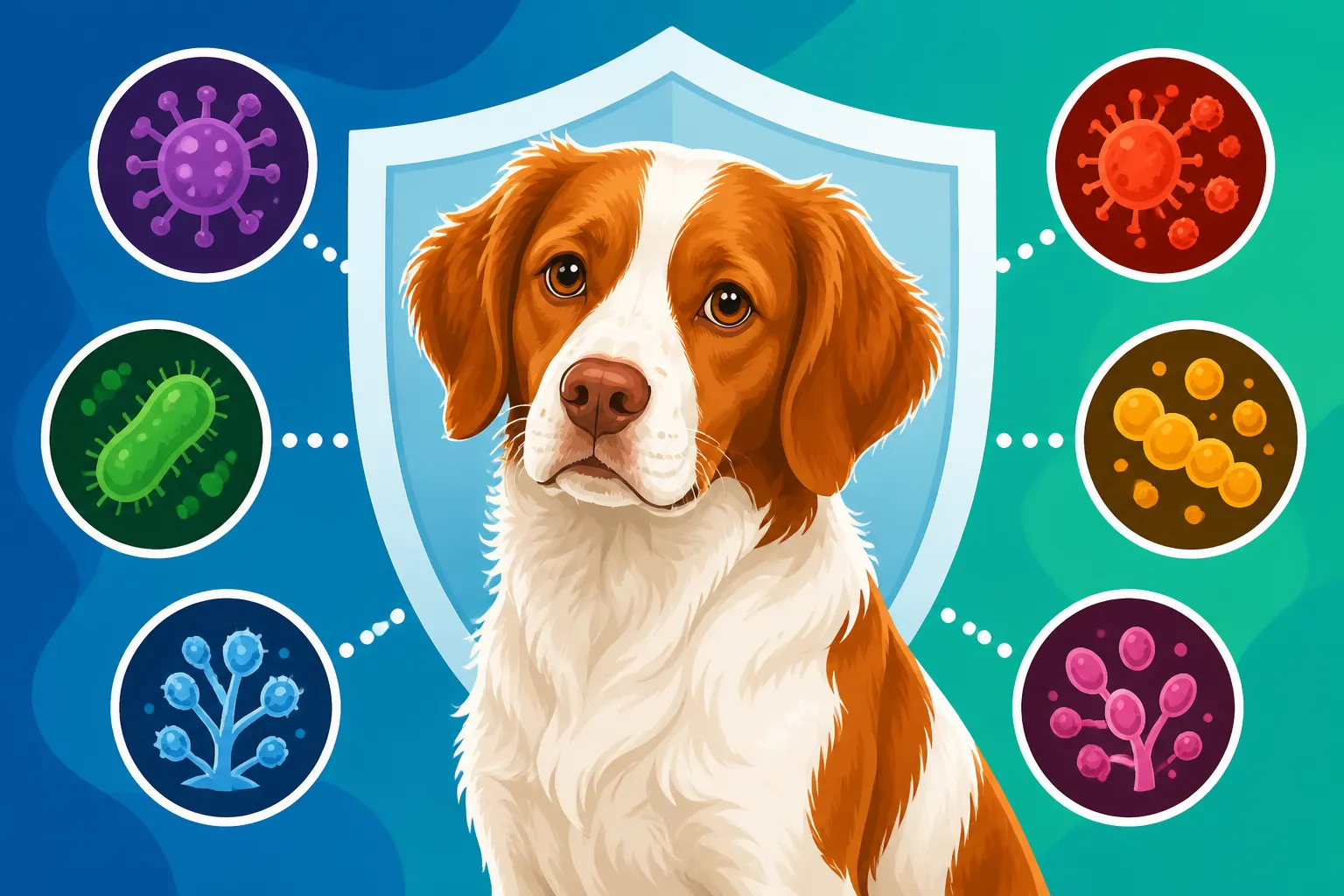
Which Infections a C3 Deficient Brittany Gets
It’s a heartbreaking reality to discover your beloved Brittany Spaniel, typically so vibrant and full of life, might be struggling with a compromised immune system. For owners of Brittanys with C3 deficiency, the constant worry about what lurking infection might strike next can be utterly exhausting and profoundly unsettling. This guide is here to walk you through the common infections that target C3 deficient Brittanys, helping you understand what to look for, how to manage, and ultimately, how to give your loyal companion the best possible chance at a healthy life despite this challenging condition.
Understanding C3 Deficiency and Your Brittany's Vulnerability
C3 deficiency is a rare, inherited immune disorder specific to the Brittany Spaniel breed, making it a particularly cruel twist for these energetic dogs. When a Brittany has C3 deficiency, their body struggles to produce enough of a crucial protein called C3, which is a central component of the complement system. Think of the complement system as an elite squad within your dog's immune army, designed to identify and destroy invaders like bacteria and viruses. Without adequate C3, this squad is severely handicapped, leaving your Brittany vulnerable to infections that a healthy dog would easily shrug off.
This isn't just a minor glitch; it's a fundamental flaw in their defense mechanism. Imagine sending soldiers into battle without their primary weapons – that's essentially what happens with a C3 deficient Brittany’s immune system. Because C3 plays such a vital role in flagging pathogens for destruction and initiating the inflammatory response, its absence means infections can take hold rapidly and become much more severe, often leading to prolonged illness and more aggressive treatments. It's a difficult diagnosis to receive, and understanding C3 Deficiency Is the Brittany's Own Genetic Disease is the first step in preparing for the unique challenges it presents.
Why C3 is Critical for Fighting Infection
To truly grasp the gravity of C3 deficiency, it helps to know a little more about why C3 is so indispensable. In a healthy dog, C3 acts as a central switch, activating different pathways of the complement system. When a pathogen, like a bacterium, enters the body, C3 is cleaved into smaller, active fragments. One of these fragments, C3b, acts like a sticky tag, coating the surface of the invader. This tagging process, called opsonization, makes the pathogen far more appealing and easier for phagocytic cells (the "eater cells" of the immune system) to recognize and gobble up. Without sufficient C3b, these invaders essentially become "invisible" to a significant portion of the immune system, allowing them to multiply unchecked.
Furthermore, other C3 fragments help to recruit more immune cells to the site of infection and can even form a "membrane attack complex" that directly punches holes in bacterial cell walls, leading to their destruction. When you consider What C3 Deficiency Does to a Brittany, you realize that without these critical functions, your dog is essentially fighting with one hand tied behind its back, explaining why recurrent and severe infections are such a hallmark of this condition.
The Age C3 Deficiency Manifests
One of the most frustrating aspects for owners is often The Age C3 Deficiency Shows in a Brittany. Unfortunately, this deficiency often begins to show its ugly head early in life, typically when a puppy is just a few weeks or months old. This is a critical period for development, and recurrent infections during puppyhood can have lasting impacts on their growth and overall health. Owners might notice their young Brittany puppies are constantly "under the weather," with lingering sniffles, persistent skin issues, or periods of lethargy that don't quite seem right.
These early signs are often dismissed as typical puppy ailments, especially if a new owner isn't aware of the genetic risk. However, for a C3 deficient pup, these are red flags. By the time a Brittany reaches six months to a year, the chronic nature of these infections usually becomes undeniable, often leading to diagnostic testing. Early recognition is key, and knowing Signs a Brittany Puppy Has an Immune Problem can help owners advocate for prompt veterinary investigation.
Common Infections C3 Deficient Brittanys Face
Given their severely compromised complement system, C3 deficient Brittanys are susceptible to a wide array of infections that would typically be mild or easily cleared in a dog with a robust immune response. These can range from persistent skin issues to life-threatening systemic infections, often requiring intensive medical intervention. The primary culprits are usually bacterial, but viral and fungal infections can also pose significant risks due to the overall weakened state of the immune system.
It's a stark reminder of Why a C3 Deficient Brittany Cannot Fight Infection effectively. Owners often feel like they're playing a constant game of whack-a-mole, just as one infection is brought under control, another seems to pop up. This makes vigilant observation and rapid veterinary response absolutely crucial.
Persistent Skin and Ear Infections
One of the most frequent and visible problems in C3 deficient Brittanys is a battle against chronic skin and ear infections. The moist, warm environment of a Brittany's floppy ears is already a breeding ground for trouble, which is why Why a Brittany's Ears Get Infected Every Season is a common concern for the breed in general. But for a C3 deficient dog, these aren't just seasonal nuisances; they can become severe, deep-seated, and incredibly painful.
Owners might notice:
- Recurrent Otitis Externa: Frequent, severe ear infections often involving resistant bacteria or yeast, leading to excessive head shaking, scratching, discharge, and a strong odor. These can be difficult to clear completely and may require long courses of specialized antibiotics or antifungals.
- Pyoderma: Bacterial skin infections, often appearing as red, pustular lesions, crusts, or "hot spots." These can spread quickly and become deep, impacting hair follicles and leading to hair loss and intense itching. The skin struggles to fend off common environmental bacteria, resulting in a never-ending cycle of irritation and infection.
- Folliculitis: Inflammation of the hair follicles, often caused by bacteria, leading to bumps, redness, and pustules along the coat. These can be particularly widespread on the belly, armpits, and groin.
These aren't just superficial problems; left untreated, chronic skin infections can lead to scarring, permanent hair loss, and even systemic illness if the bacteria enter the bloodstream.
Respiratory Tract Infections
The respiratory system, from the nose and throat down to the lungs, is another common target for opportunistic pathogens in C3 deficient Brittanys. What might be a simple "kennel cough" in a healthy dog can quickly escalate into severe bronchitis or even life-threatening pneumonia for a dog lacking proper immune defenses.
Symptoms to watch for include:
- Chronic Rhinitis/Sinusitis: Persistent sneezing, nasal discharge (often thick, colored, and purulent), congestion, and sometimes facial swelling. These can linger for weeks or months, indicating a bacterial infection that the body can't clear.
- Bronchitis: A deep, hacking cough, sometimes accompanied by wheezing or difficulty breathing.
- Pneumonia: This is a particularly dangerous infection for C3 deficient dogs. Signs include a deep, productive cough, rapid or labored breathing, fever, lethargy, and loss of appetite. Pneumonia requires immediate and aggressive veterinary care, often involving hospitalization, oxygen therapy, and multiple broad-spectrum antibiotics.
These infections are concerning because they directly impact the dog's ability to breathe and can quickly lead to severe systemic illness.
Urinary Tract Infections (UTIs)
While perhaps less outwardly obvious than skin or respiratory issues, urinary tract infections are also a concern. Bacteria can easily colonize the bladder or kidneys, and without a robust immune response, these infections can become recurrent, chronic, or spread to the kidneys, leading to more serious health problems.
Be aware of:
- Frequent Urination: Your Brittany might be asking to go outside more often, or even having accidents indoors.
- Straining or Painful Urination: Whining or arching their back while trying to urinate.
- Bloody or Cloudy Urine: Visible changes in the urine itself.
- Lethargy and Fever: In more severe cases, especially if the infection has reached the kidneys.
Recurrent UTIs can damage kidney tissue over time, which is particularly concerning given the potential link between C3 deficiency and renal issues. In fact, some studies have investigated Whether Kidney Disease Follows C3 Deficiency in a Brittany, suggesting a need for heightened vigilance regarding kidney health in these dogs.
Other Systemic Infections
Beyond the common sites, C3 deficient Brittanys are also at higher risk for systemic infections that can affect various organs and systems throughout the body. These are often much more challenging to diagnose and treat, as the symptoms can be vague and rapidly progressing.
Examples include:
- Septicemia (Blood Poisoning): This occurs when a bacterial infection spreads into the bloodstream, leading to a severe, body-wide inflammatory response. Symptoms are critical and include extreme lethargy, high fever, rapid heart rate, weakness, pale gums, and potential collapse. This is a life-threatening emergency.
- Joint Infections (Septic Arthritis): Bacteria can sometimes enter a joint, causing severe pain, swelling, lameness, and fever.
- Gastrointestinal Infections: While less common as a primary manifestation, prolonged or severe bacterial imbalances in the gut could occur, leading to chronic diarrhea or digestive upset.
Early diagnosis and aggressive treatment are paramount for these systemic issues, as they can quickly become fatal without immediate veterinary intervention.
Recognizing the Signs of Infection in Your Brittany
Living with a C3 deficient Brittany means becoming an incredibly vigilant observer of your dog's health. You'll need to develop a keen eye for subtle changes and an understanding that what might seem like a minor ailment in another dog could be the precursor to a serious infection for your Brittany. Don't ever hesitate to contact your vet if you're concerned; it's always better to be overly cautious.
Behavioral and Physical Cues
Your Brittany's behavior is often the first indicator that something is amiss. Pay close attention to changes in their typical routine, energy levels, and responsiveness.
- Lethargy or Decreased Activity: Is your typically energetic Brittany unusually tired, sleeping more, or unwilling to play or go for walks? This is a huge red flag for any type of infection.
- Loss of Appetite or Thirst: Refusal of food or water, or a significant decrease in intake, is always concerning.
- Changes in Demeanor: Is your dog more withdrawn, irritable, or showing signs of pain when touched? They might be less enthusiastic about greetings or seeking comfort in unusual places.
- Fever: While hard to detect without a thermometer, signs might include warm ears, a hot nose, shivering, or panting when at rest. A rectal thermometer is the most accurate way to check your dog's temperature (normal is typically 101 to 102.5°F or 38.3 to 39.2°C).
- Changes in Breathing: Rapid, shallow, or labored breathing, panting at rest, or a persistent cough.
- Nasal or Eye Discharge: Any colored, thick, or persistent discharge from the nose or eyes.
- Skin Changes: Redness, pustules, scabs, excessive scratching, hair loss, or a foul odor from the skin or ears. Check under the feathering, in armpits, and between paw pads diligently.
Because C3 deficiency can often show up when they are quite young, watching for Signs a Brittany Puppy Has an Immune Problem is especially critical for new owners.
The Importance of a Daily Check
Making a quick daily physical check a part of your routine can help you catch problems early. This doesn't have to be a full vet exam, just a mindful check-in:
- Look and Listen: Observe your Brittany as they move, breathe, and interact. Note any limping, coughing, sneezing, or changes in how they carry themselves.
- Feel: Run your hands over their entire body, paying attention to their skin, joints, and lymph nodes (under the jaw, in the armpits, behind the knees). Feel for any new lumps, bumps, areas of tenderness, or excessive warmth.
- Inspect: Lift their lips to check gum color (should be pink and moist), open their ears to check for redness or discharge, and look closely at their eyes. Check their paw pads for cuts, cracks, or irritation.
- Smell: Any unusual or foul odors coming from their ears, skin, mouth, or urine can signal an infection.
This routine only takes a few minutes but can make a huge difference in early detection.
Managing and Preventing Infections in C3 Deficient Brittanys
Living with a C3 deficient Brittany requires a proactive, multi-faceted approach to healthcare. While you can't cure the underlying genetic defect, you can significantly improve their quality of life and longevity by rigorously managing their environment, providing excellent preventive care, and working closely with your veterinarian. The goal is to minimize exposure to pathogens and aggressively treat any infection that arises.
Working with Your Veterinarian and Specialists
Your local veterinarian will be your primary partner, but given the rarity and complexity of C3 deficiency, consulting with a veterinary internal medicine specialist or immunologist is highly recommended. These specialists have advanced knowledge and experience with complex immune disorders and can offer the most up-to-date diagnostic and management strategies. They can guide you through understanding Whether a DNA Test for Brittany C3 Deficiency Exists to confirm the diagnosis, and help you understand the long-term prognosis, including Whether a C3 Deficient Brittany Reaches Adulthood.
It’s crucial to establish a strong working relationship with your veterinary team. Don't hesitate to ask questions, express your concerns, and ensure you understand every aspect of your Brittany's treatment plan. Regular check-ups, even when your dog seems well, are indispensable for monitoring their overall health and catching subtle issues before they escalate.
Proactive Preventive Care
Prevention is truly the best medicine for C3 deficient Brittanys. This means being meticulous about their environment and daily care.
- Environmental Control: Minimize exposure to areas with high pathogen loads. Avoid dog parks, boarding kennels, or daycare facilities where exposure to various illnesses is common. Keep your home environment clean, especially their bedding and food/water bowls.
- Hygiene: Regular grooming, including gentle brushing, can help you inspect their skin and coat daily. Pay extra attention to keeping ears clean and dry, as the moist environment can harbor bacteria and yeast. Ask your vet for appropriate ear cleaners.
- Nutrition: A high-quality, balanced diet is essential to support overall health, even if it doesn't directly boost C3 production. Some vets might recommend immune-supportive supplements, but always discuss these with your vet first.
- Parasite Control: A robust parasite prevention program for fleas, ticks, and intestinal worms is non-negotiable. These parasites can weaken the immune system or transmit diseases, adding another layer of challenge for a C3 deficient dog.
- Vaccination Strategy: This is a delicate balance. On one hand, C3 deficient dogs are highly susceptible to preventable diseases; on the other, their immune response to vaccines may be suboptimal, and there's always a theoretical risk of over-stimulating an already challenged immune system. Your vet will need to carefully consider Whether a C3 Deficient Brittany Responds to Vaccines and develop a tailored vaccination protocol, likely focusing on core vaccines and avoiding non-essential ones. Titers might be used to assess antibody levels rather than simply relying on scheduled boosters.
Prompt Treatment of Infections
Despite your best preventive efforts, infections will likely occur. When they do, rapid and aggressive treatment is paramount.
- Early Intervention: At the first sign of illness, contact your vet immediately. Don't "wait and see" with a C3 deficient Brittany.
- Aggressive Diagnostics: Your vet might recommend cultures and sensitivity testing for bacterial infections to ensure the most effective antibiotic is prescribed. Blood tests, urinalysis, and imaging (X-rays) may be needed to determine the extent and location of an infection.
- Longer Treatment Courses: Infections in C3 deficient dogs often require longer courses of antibiotics or antifungals than in healthy dogs. It's crucial to complete the entire course of medication, even if your dog seems better, to prevent recurrence and antibiotic resistance.
- Supportive Care: Depending on the severity, supportive care like fluid therapy, pain management, anti-inflammatories, or nutritional support might be necessary. In severe cases, plasma transfusions, which contain C3 protein, have been used as a temporary measure to bolster the immune system during acute infections, though this is not a long-term solution.
It's wise to consider pet insurance for a Brittany with this condition. While some conditions might be considered pre-existing, companies like Healthy Paws offer various plans that can help manage the substantial costs associated with chronic and acute veterinary care, which can quickly add up when dealing with persistent infections and specialist consultations. Financial planning for this ongoing care is an important part of responsible ownership.
Here’s a quick overview of potential infections and their common treatments:
| Infection Type | Common Pathogens | Symptoms | Typical Treatment |
|---|---|---|---|
| Skin Infections | Staphylococcus, Malassezia (yeast) | Redness, itching, pustules, scabs, hair loss, foul odor | Topical antimicrobial shampoos/sprays, systemic antibiotics/antifungals |
| Ear Infections | Bacteria (Pseudomonas, Staphylococcus), Yeast | Head shaking, scratching, discharge, redness, odor, pain | Medicated ear drops, systemic antibiotics/antifungals, regular cleaning |
| Respiratory | Bacteria (Bordetella, Mycoplasma), Viruses | Coughing, sneezing, nasal discharge, labored breathing, fever | Systemic antibiotics (for bacterial), cough suppressants, nebulization, oxygen |
| Urinary Tract | Bacteria (E. coli, Proteus) | Frequent/painful urination, bloody/cloudy urine, lethargy | Systemic antibiotics, increased water intake |
| Systemic (e.g., Sepsis) | Various bacteria | Extreme lethargy, fever, weakness, pale gums, rapid heart rate, collapse | Aggressive IV antibiotics, IV fluids, hospitalization, plasma transfusions |
Caring for a C3 deficient Brittany is a journey that demands dedication, patience, and a strong partnership with your veterinary team. While it presents unique challenges, with proactive management and vigilant care, you can help your special companion live a full and happy life.
Disclaimer
This information is for educational purposes only and is not a substitute for professional veterinary advice. Always consult with a qualified veterinarian for any health concerns or before making any decisions about your Brittany Spaniel's medical care.