What Hip Surgery Costs on a Brittany
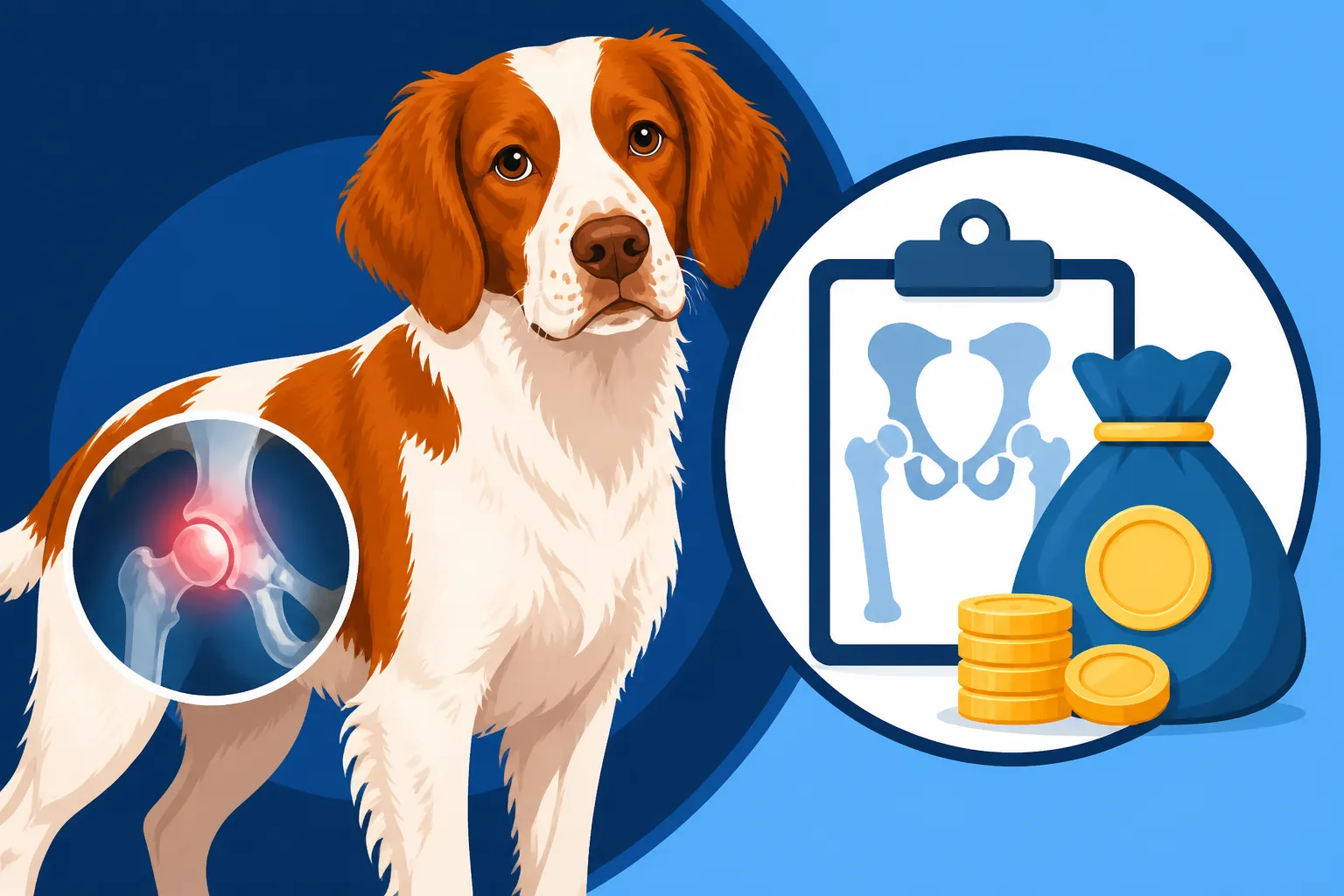
When your beloved Brittany starts showing signs of hip pain, the worry can be overwhelming, not just for their comfort and quality of life, but also for the financial implications. Hip issues are unfortunately common in many active breeds, and the thought of surgery, with its recovery time and hefty price tag, can feel like a punch to the gut. This guide will meticulously break down the various costs associated with hip surgery for a Brittany Spaniel, from initial diagnostics to post-operative care, helping you understand what to expect financially and how to plan for it.
Understanding Hip Issues in Brittanys Requiring Surgery
Before we even talk about the dollar signs, it's crucial to understand why a Brittany might need hip surgery in the first place. Brittanys are incredibly active, agile dogs, bred to cover ground tirelessly in the field. This high level of activity, combined with genetic predispositions, makes them susceptible to certain orthopedic conditions that can severely impact their mobility and require surgical intervention. It's a heartbreaking reality for many owners, watching their energetic companion struggle with pain and reduced ability to do what they love.
Common Conditions Leading to Surgery
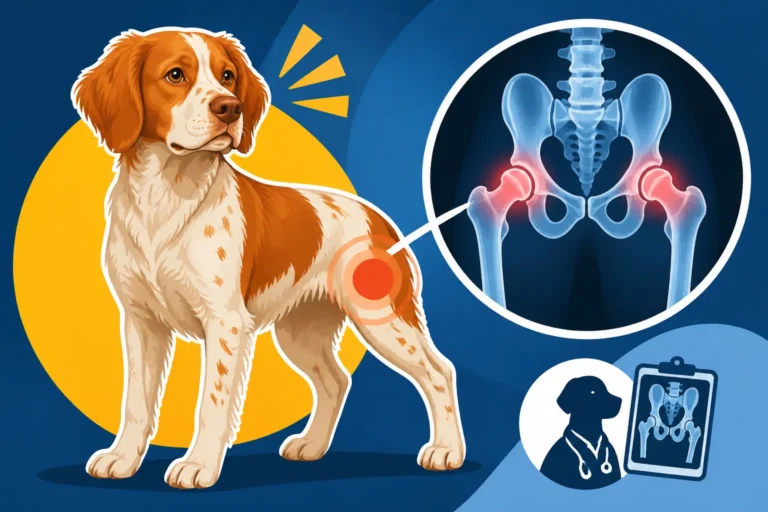
The primary culprit when it comes to Brittany hip surgery is almost always hip dysplasia. This isn't a sudden injury, but a developmental condition where the hip joint doesn't form correctly, leading to a loose fit between the ball (femoral head) and socket (acetabulum). Over time, this poor fit causes abnormal wear and tear, inflammation, pain, and eventually degenerative joint disease or osteoarthritis. It's a progressive condition that can worsen over months or years. It's not always obvious, either; a dog can have significant dysplasia and show minimal clinical signs, especially when they're young and full of adrenaline, masking the underlying issue. As a Brittany gets older, these hidden issues often begin to manifest as chronic pain or lameness.
Another less common but severe issue that could necessitate hip surgery is a traumatic injury, such as a fractured hip bone, a severe muscle tear around the hip, or a dislocated joint that cannot be manually put back into place. These are usually acute events, perhaps from a fall during a vigorous hunt, a car accident, or an unfortunate collision with another dog. While less prevalent than chronic dysplasia, these urgent situations often necessitate immediate and costly surgical intervention to stabilize the joint, restore function, and alleviate severe, sudden pain. Early detection of any hip problem is key, which is why many responsible breeders screen their dogs. You can learn more about how common hip dysplasia is in Brittany Spaniels to understand the prevalence and genetic factors involved.
Diagnosing Hip Problems
Identifying hip issues in your Brittany typically starts with observing their gait and behavior. Are they limping after exercise or struggling to keep up during a hunt? Are they reluctant to jump into the car, climb stairs, or even stand up after resting? Do you notice a "bunny hop" gait when they run? A veterinarian will then perform a thorough physical examination, feeling the hips for signs of pain, instability, or reduced range of motion. However, the definitive diagnosis almost always comes from diagnostic imaging, primarily X-rays. These radiographs allow the vet to visualize the hip joint's structure and assess the degree of dysplasia, identify fractures, or detect signs of osteoarthritis. Many owners will ask when a Brittany's hips should be X rayed, and for official certification, the Orthopedic Foundation for Animals (OFA) typically waits until the dog is two years old.
Sometimes, more advanced imaging like CT scans or MRIs might be recommended, especially if the diagnosis is unclear, if there are complications, or if highly complex surgical planning is required. These sophisticated diagnostic tools, while incredibly useful for pinpointing the exact problem, add another layer of expense before surgery even begins. For a more comprehensive evaluation of hip laxity in younger dogs, some owners opt for methods like PennHIP, which can provide information earlier than standard OFA evaluations. Knowing signs a Brittany's hips hurt can help you seek veterinary care promptly, potentially catching issues before they become severe and require more drastic interventions.
Types of Hip Surgery and Their Costs
Once a diagnosis is confirmed and surgery is deemed necessary, you'll be faced with different surgical options, each with its own set of complexities, recovery times, and, of course, costs. It's not a one-size-fits-all situation, and your veterinarian or a board-certified orthopedic specialist will recommend the best course of action based on your Brittany's age, weight, severity of the condition, your long-term goals for the dog (e.g., hunting vs. companion), and your financial capabilities. This is where the real cost discussion begins, and it can be a significant financial undertaking for any owner.
Femoral Head Ostectomy FHO
The Femoral Head Ostectomy, or FHO, is often recommended for smaller, lighter dogs (typically under 50-60 pounds, which includes most Brittanys) or those with less severe hip dysplasia where a full hip replacement isn't feasible, practical, or affordable. In this procedure, the surgeon surgically removes the head of the femur (the "ball" part of the ball-and-socket joint). The body then forms a "false joint" of fibrous tissue in the absence of the femoral head, and surrounding muscle strength takes over to support the leg. While it doesn't create a perfectly normal, anatomical hip joint, its primary goal is to eliminate the painful bone-on-bone rubbing that occurs in dysplastic hips.
The cost of an FHO typically ranges from $1,500 to $4,000 per hip. This can vary significantly based on your geographic location (a large metropolitan area like Boston or Los Angeles might be on the higher end, for example), the veterinarian's experience and specialization, and the type of facility where the surgery is performed (e.g., a general practice versus a specialty orthopedic clinic). This price usually includes the surgery itself, pre-surgical bloodwork, anesthesia, basic medications, and initial post-operative care, but remember to account for rehabilitation. It’s often considered a salvage procedure, aiming to restore a pain-free, functional limb rather than a perfectly anatomical joint, but it can be life-changing for a dog suffering from chronic pain and allow them to return to a good quality of life.
Preventative Pelvic Surgeries TPO or JPS
These procedures are preventative and primarily for younger dogs with hip dysplasia, before significant and irreversible arthritis sets in. A Triple Pelvic Osteotomy (TPO) involves cutting the pelvis in three places around the hip joint and rotating the segments to improve the coverage of the femoral head by the acetabulum (hip socket), then fixing them permanently in place with surgical plates and screws. It's a more involved and delicate surgery and is usually performed on dogs younger than 10-12 months of age, ideally before irreversible degenerative changes occur.
A Juvenile Pubic Symphysiodesis (JPS) is an even more age-sensitive procedure, ideally performed on puppies between 14 and 20 weeks of age. This less invasive technique involves fusing a small portion of the pubic bone (part of the pelvis) to encourage the growth of the remaining pelvis to "rotate" the hip sockets, leading to better coverage of the femoral heads. Both TPO and JPS aim to improve hip conformation and joint stability, potentially preventing or significantly delaying the need for a total hip replacement later in life. A TPO can cost anywhere from $3,000 to $6,000 per hip, depending on the factors mentioned previously. JPS is typically less expensive due to its less invasive nature and earlier intervention, usually in the range of $1,000 to $2,500, but again, it’s only an option for very young puppies within a narrow age window. These procedures highlight the importance of understanding what a Brittany Spaniel breeder should have tested for when selecting a puppy.
Total Hip Replacement THR
For severe hip dysplasia in mature Brittanys, especially those with significant pain and compromised mobility that other treatments haven't resolved, a Total Hip Replacement (THR) is often considered the gold standard. This incredibly complex and highly specialized procedure involves surgically removing both the diseased ball and socket components of the hip joint and replacing them with prosthetic implants made of medical-grade metal alloys and high-density plastic. It's a major surgery that requires a highly skilled, board-certified veterinary orthopedic specialist and a well-equipped, state-of-the-art veterinary hospital.
A THR offers the best chance for a truly pain-free, fully functional hip, often restoring near-normal mobility and allowing dogs to return to high levels of activity, including hunting. However, it comes with a significantly higher price tag, typically ranging from $4,500 to $8,000 per hip, and sometimes even higher for extremely complex cases or in specialized university veterinary centers. If both hips need replacing, the cost can easily double, making it a monumental financial decision. While this procedure boasts a high success rate (often over 90%), the financial commitment is substantial, and it’s a decision often weighed carefully against the dog's expected quality of life and the owner's resources. Some owners consult what PennHIP tells a Brittany owner to gauge their dog's hip health early and decide on the best preventative or surgical path.
Here's a quick overview of potential surgical costs for a Brittany:
| Surgical Procedure | Typical Cost Range (per hip) | Best Suited For |
|---|---|---|
| Femoral Head Ostectomy (FHO) | $1,500 – $4,000 | Smaller/lighter dogs, less severe dysplasia, salvage procedure |
| Juvenile Pubic Symphysiodesis (JPS) | $1,000 – $2,500 | Puppies (14-20 weeks) with early signs of hip dysplasia |
| Triple Pelvic Osteotomy (TPO) | $3,000 – $6,000 | Young dogs (<10-12 months) with hip dysplasia, pre-arthritic |
| Total Hip Replacement (THR) | $4,500 – $8,000+ | Mature dogs with severe hip dysplasia and significant pain |
Additional Costs Beyond the Surgery Itself
It would be wonderful if the surgeon's fee was the only cost you had to consider, but unfortunately, hip surgery for a Brittany involves a whole host of related expenses that extend far beyond the operating room. Thinking of surgery as an all-inclusive package can lead to significant financial surprises down the road. These additional costs, ranging from extensive diagnostic tests to prolonged rehabilitation, can easily add hundreds or even thousands of dollars to the total bill, and it’s absolutely essential to factor them into your budget from the very beginning. Neglecting these crucial aspects can compromise your Brittany's recovery and ultimately, the long-term success of the surgery.
Pre-Operative Diagnostics and Consultations
Before any surgeon can even pick up a scalpel, a comprehensive evaluation is needed to ensure your Brittany is a good candidate for surgery and to meticulously plan the procedure. This phase involves several steps, each with its own cost. You'll have the initial veterinary consultations to discuss symptoms, review medical history, and explore options, which typically run $50-$150 per visit. Then come the crucial diagnostic X-rays, often requiring sedation to get clear, precise images, which can be $200-$500. For procedures like a THR, specialized X-rays or even CT scans might be necessary for accurate implant sizing and surgical planning.
Blood work is absolutely crucial to assess your Brittany's overall health, check organ function, and ensure they can safely undergo anesthesia; this usually costs $100-$300. In many cases, especially for complex surgeries like TPO or THR, a consultation with a board-certified orthopedic specialist might be recommended before proceeding. These specialist consultations can range from $150 to $400, providing an expert opinion, detailing the surgical plan, discussing potential risks, and offering a realistic prognosis. These preparatory steps are non-negotiable and vital for a successful outcome, so budgeting for them is a must. Many owners wonder why a Brittany OFA hip certification waits until two years, which is a testament to the skeletal maturity needed for definitive evaluation, but these pre-op diagnostics can be done much earlier if problems arise.
Post-Operative Care and Medication
The period immediately following surgery is critical for healing, pain management, and preventing complications. Your Brittany will need a variety of medications, including potent pain relievers, anti-inflammatory drugs, and sometimes antibiotics to stave off infection. The cost for these prescriptions can easily accumulate, running $50-$200 per refill, and several refills might be necessary over the weeks following surgery. They will also require specialized post-operative care, which might include regular bandage changes, wound checks, and multiple follow-up appointments with your primary veterinarian or the specialist. Expect several follow-up visits over weeks and months to monitor healing, assess mobility, and remove sutures, each costing $50-$150.
Depending on the complexity of the surgery and your Brittany's individual recovery needs, an extended stay at the veterinary hospital might be necessary for intensive monitoring and round-the-clock care. This can incur daily boarding and care fees, which can quickly add up. Keeping your dog comfortable, clean, and infection-free during this vulnerable time is paramount. This phase is where you'll really appreciate any support from pet insurance. For example, a reliable provider like Healthy Paws can significantly lighten the financial load by covering a substantial portion of these essential follow-up treatments, medications, and even extended hospital stays, allowing you to focus on your Brittany's comfort and recovery without added financial stress.
Rehabilitation and Physical Therapy
Surgery is often just the beginning of the journey back to full mobility and an active life for your Brittany. Rehabilitation and physical therapy are absolutely vital for a successful outcome, especially after a major procedure like a total hip replacement or a TPO. Without a structured rehab program, your Brittany might not regain optimal function, could develop muscle atrophy, or even compensate by putting undue stress on other joints, potentially leading to new problems. This might involve a personalized program of structured exercises, hydrotherapy (swimming in a specialized pool), therapeutic laser therapy, or even alternative therapies like acupuncture, all supervised by a certified canine rehabilitation therapist.
A typical rehabilitation program can last for several weeks or even months, with individual sessions costing $50-$150 each, and often requiring multiple sessions per week to achieve desired results. You'll also likely need to invest in some home care equipment, such as supportive slings, specialized orthopedic bedding, puzzle toys to keep their mind active during crate rest, or even ramps to aid your Brittany's mobility and prevent re-injury at home. While these ongoing costs can feel like a further burden, they are a critical investment in your dog's long-term comfort, strength, and ability to return to a high quality of life. Just like you wouldn't skip physical therapy after a major human surgery, your Brittany needs that dedicated support and commitment to regain their full potential, especially if they are a working dog and an arthritic Brittany can still hunt with proper management.
Mitigating the Financial Impact of Hip Surgery
The costs associated with Brittany hip surgery can be daunting, easily reaching into the thousands of dollars. It's a situation that can catch many owners off guard, leading to difficult decisions when their beloved companion is in pain. However, there are proactive steps you can take to prepare for and manage these expenses, ensuring your beloved hunting companion receives the comprehensive care they need without completely breaking the bank. Financial planning and awareness are your best allies in these scenarios.
Pet Insurance as a Lifeline
This is, hands down, one of the most effective ways to mitigate the financial shock of unexpected major veterinary expenses like hip surgery. Pet insurance works much like human health insurance, where you pay a monthly premium, and in return, the insurance company covers a percentage of eligible veterinary bills after you meet a deductible. For conditions like hip dysplasia, which can be an ongoing concern for active breeds like the Brittany, having a good, comprehensive policy can be an absolute game-changer. It’s important to research what a Brittany costs over its lifetime, and medical expenses are often the largest variable.
When choosing a policy, it’s vital to check for coverage details regarding orthopedic conditions, especially if your Brittany is predisposed to issues like hip dysplasia. Some policies might have waiting periods for orthopedic conditions (e.g., 6-12 months), or even exclude them entirely if any signs of the condition were present before enrollment or during the waiting period (pre-existing conditions). Companies like Healthy Paws are known for their comprehensive accident and illness plans, which can cover a significant portion of diagnostic tests, surgery, emergency care, medication, and even rehabilitation costs. Investing in pet insurance early in your Brittany's life, ideally as a puppy before any symptoms appear, can provide immense peace of mind and crucial financial protection down the road, making a huge difference when a major surgery is needed. You can look into what insuring a Brittany costs a month to understand the regular outlay for this invaluable safety net.
Exploring Financial Assistance Options
Even with pet insurance, or if you don't have it, the remaining costs for hip surgery can still be substantial and overwhelming. Thankfully, there are several resources available to help alleviate some of the financial burden. Many veterinary practices, especially specialty hospitals, understand the high cost of advanced care and offer payment plans, allowing you to spread out the cost of treatment over several months. It's always worth discussing this possibility openly and honestly with your vet clinic's financial coordinator; they are often well-versed in navigating these situations.
Another common option is to look into veterinary financing companies, such as CareCredit or Scratchpay. These companies offer credit cards specifically designed for healthcare expenses, often with low or even no-interest promotional periods if the balance is paid off within a certain timeframe (e.g., 6-24 months). Beyond that, numerous non-profit organizations and breed-specific rescues offer financial aid for owners facing significant veterinary bills. For instance, the Brittany Foundation or regional Brittany rescue groups sometimes have programs or grants to assist owners with critical medical needs for their dogs. Don't be afraid to ask your vet for recommendations or search online for "financial aid for pet owners" or "pet assistance programs" in your area.
Preventative Care and Early Intervention
While not every hip issue is entirely preventable, proactive care throughout your Brittany's life can significantly reduce the risk and severity of problems, potentially delaying or even avoiding costly surgeries altogether. Maintaining your Brittany at a healthy, lean weight is paramount, as excess weight puts immense, unnecessary strain on joints, exacerbating any underlying predisposition to hip dysplasia. A balanced, high-quality diet and appropriate, controlled exercise throughout their life, carefully avoiding over-exertion in puppies while their growth plates are still open, can make a huge difference in long-term joint health. You can read up on when a Brittany's growth plates close to understand this critical developmental period.
Regular veterinary check-ups, including annual wellness exams and monitoring for any subtle changes in gait or activity level, are also crucial for early detection. Your vet can identify subtle signs of discomfort or abnormal gait, allowing for intervention with conservative treatments (such as medication, supplements, or modified exercise) before a condition becomes debilitating and requires surgery. Things like veterinary-approved joint supplements (glucosamine, chondroitin, omega-3 fatty acids), proper nutrition, and physical conditioning can also be beneficial, especially for an aging Brittany. Catching problems early means less invasive (and generally less expensive) treatments might be effective, rather than waiting until complex, expensive surgery is the only viable option left. While an aging Brittany still wants to hunt, keeping their joints healthy is vital for their continued activity and comfort. It’s a known fact that what most Brittany Spaniels die of is often related to old age and its associated ailments, but managing conditions like hip dysplasia early can vastly improve their lifespan and quality of life.
Disclaimer
Please remember that the information provided in this guide is for general informational purposes only and does not constitute veterinary advice. The costs mentioned are estimates and can vary significantly based on geographic location, the specific veterinary practice, the individual case's complexity, and the unique needs of your dog. Always consult with a qualified veterinarian or a board-certified veterinary orthopedic specialist for accurate diagnosis, personalized treatment recommendations, and precise cost estimates for your Brittany Spaniel's hip health.