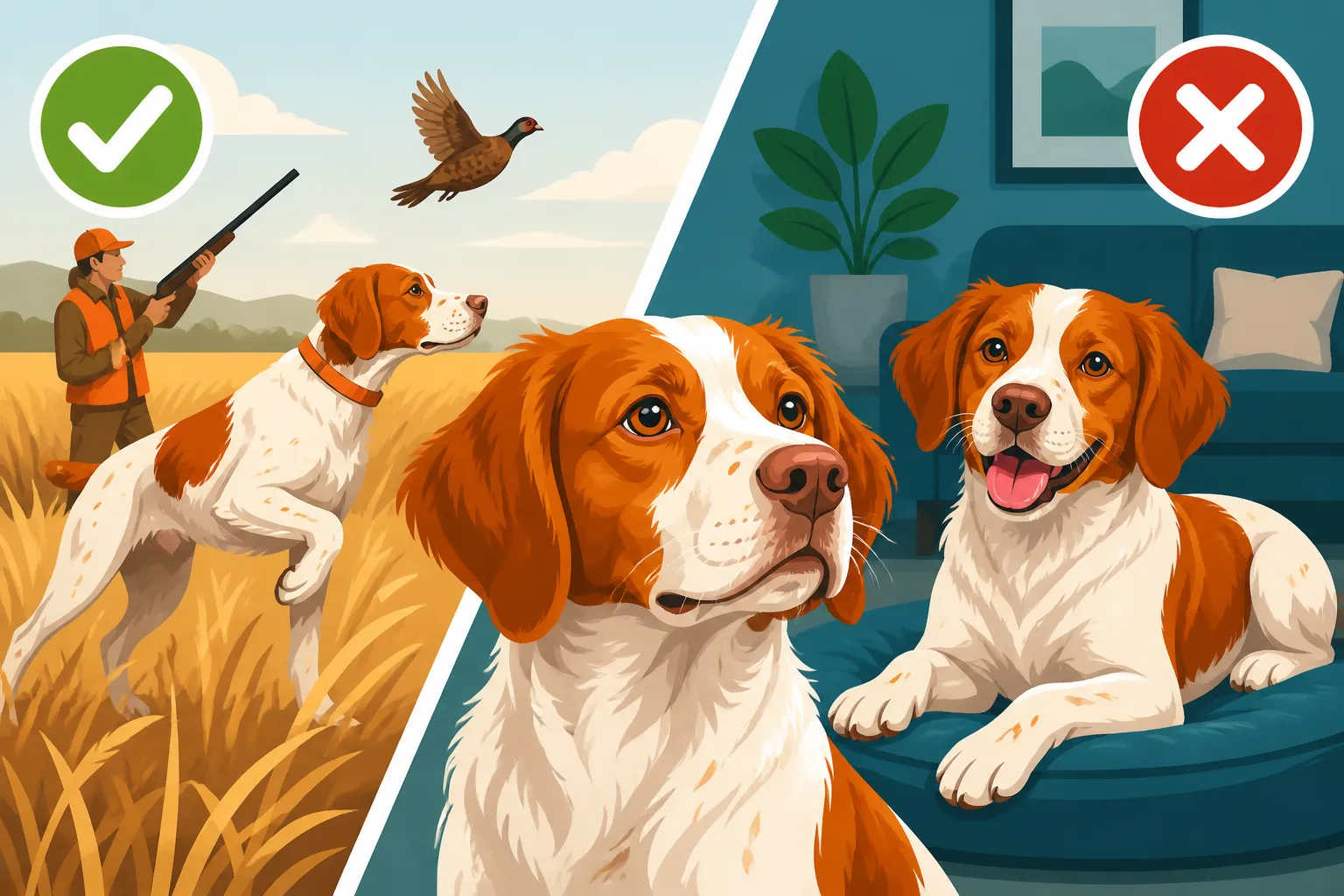
Whether Most Brittanys Are Hunted Today
A Brittany may still point birds beautifully, yet spend most of its days on neighborhood walks and the living-room rug. That makes it hard to know whether most Brittanys are hunted today. The honest answer is that no reliable, representative count settles the question. Here’s what the breed’s working roots, modern homes, and hunting activities can tell us—and what they can’t.
Are most Brittanys hunted today
There is no dependable count of hunting Brittanys
It’s tempting to answer with a confident yes or no, but the numbers needed for either claim are hard to come by. Breed registration records can show how many dogs are registered through a particular organization; they don’t usually establish how many owners take those dogs hunting, how often they go, or whether the dogs hunt birds rather than take part in other activities.
Even the word hunted can mean different things. One owner may take a dog out for a few weekends during bird season. Another may regularly hunt wild birds, attend guided outings, or travel across state lines for a longer season. A third may train with planted birds but never hunt a live bird. Those dogs all have some connection to field work, but they do not represent the same level of hunting.
So the most responsible answer is that Brittanys are still used as hunting dogs, but it isn’t possible to say with confidence whether most Brittanys in the wider population are hunted. A dog’s ability and breeding history tell us what it may be suited for—not exactly how its owner uses it.
Hunting activity varies by owner and location
A Brittany in a household where someone hunts upland birds may get regular field time. Another dog from similar working lines may live with a family that enjoys hiking, running, or dog sports instead. Access to public land, nearby hunting areas, work schedules, local seasons, and the owner’s experience all affect whether the dog gets to hunt.
That variation can be easy to miss if your view of the breed comes mostly from a hunt test, field trial, hunting club, or social media account. Those settings naturally show Brittanys doing field-related work. They’re useful for seeing what the breed can do, but they don’t tell us how every Brittany—or even most Brittanys—spend the year.
Likewise, meeting several family pets who never hunt doesn’t prove the breed has stopped working. It only reflects the dogs and owners in that particular circle. Brittanys can be active companions as well as hunting partners, and owners may give them an outlet through long walks, scent work, running, or structured training instead of a hunting season.
The breed’s working history does not settle the present-day question
The Brittany is a pointing breed developed for finding game, and many retain strong instincts to search, locate scent, and point. That heritage remains an important part of the breed’s identity. But purpose and present-day use are different questions: a dog can inherit useful hunting traits without ever being taken hunting.
For an introduction to the breed’s history and purpose, see What the Brittany Was Bred to Hunt. The history helps explain why the Brittany is often described as a versatile gun dog, but it cannot tell us the current proportion of dogs that hunt.
The name can add to the confusion, too. People still say “Brittany Spaniel,” although the American Kennel Club dropped “Spaniel” from the breed’s name. The naming history is covered in Why the AKC Dropped Spaniel From the Brittany's Name in 1982. Whether someone calls the dog a Brittany or a Brittany Spaniel, the name alone gives no clue about the dog’s day-to-day life.
What counts as a hunted Brittany
A hunting season is only one kind of field use
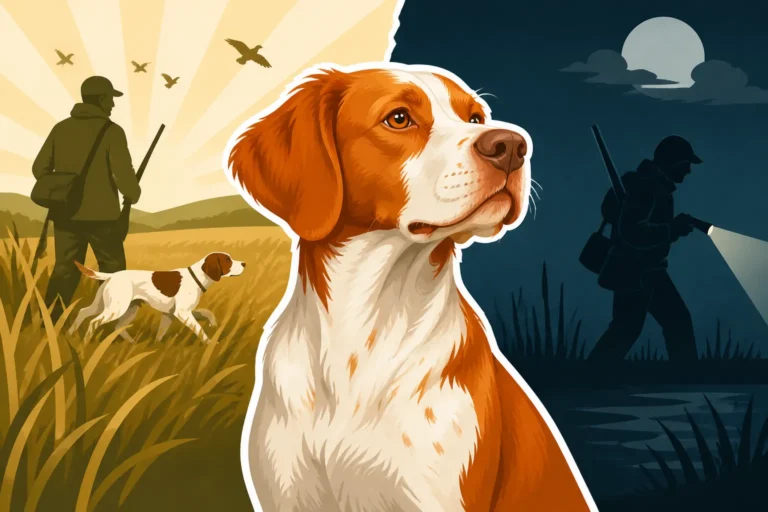
For some owners, “hunted” means the dog is taken out during an actual season to search for wild birds, with the owner carrying a firearm where legal and appropriate. That is a straightforward use of a hunting dog. But other owners may describe their Brittany as a hunting dog because it trains on birds, participates in hunt tests, or has a strong working pedigree—even if it rarely, or never, hunts wild birds.
Those differences matter when people talk about how common hunting is. If a person counts any bird work, the number will include dogs that train but don’t hunt. If they count only dogs taken on live hunts, the number will be smaller. If they count dogs that hunt regularly, rather than once or twice in a season, it will be smaller still.
A useful way to think about it is to ask what the dog actually does. Does it search cover with a handler? Does it point or otherwise locate birds? Does it go out during hunting season? Is that a regular activity or an occasional outing? These questions describe the dog’s life more clearly than a broad label like “working line” or “hunting home.”
Hunt tests and field trials show ability, not household prevalence
Hunt tests and field trials can demonstrate a dog’s training, style, and field skills in organized settings. They are valuable for people interested in breeding, training, and evaluating sporting dogs. But participation in an event is not the same thing as hunting wild birds, and event records do not provide a census of all Brittany owners.
A dog may earn titles and never accompany its owner on a regular hunt. Another may hunt for years without competing in any organized event. Some owners enjoy both. If you’re trying to understand how Brittanys are used today, it helps to keep formal competition separate from ordinary hunting.
The breed’s record in conformation and field events is part of its appeal. The Brittany Holds the Dual Champion Record explains the tradition of combining show-ring and field achievement. That history speaks to the breed’s versatility; it still shouldn’t be read as proof that most family-owned Brittanys are hunted.
| What an owner says | What it may mean | Does it prove the dog hunts live birds |
|---|---|---|
| “My Brittany has hunting lines” | The dog’s ancestry may include working dogs | No |
| “We do bird training” | The dog works around birds in training | Not necessarily |
| “We run hunt tests or field trials” | The dog competes in an organized event | No |
| “We hunt a few weekends each season” | The dog goes on occasional hunts | Yes, though not frequently |
| “We hunt regularly” | Hunting is a recurring part of the dog’s life | Yes |
Working lines do not guarantee a hunting lifestyle
A pedigree can give clues about the qualities breeders have valued, but it cannot promise exactly how a dog will behave or how an owner will use it. Puppies from field-oriented lines can become household companions. Dogs bred for conformation may still enjoy bird work. Individual temperament, training, health, and opportunity all play a part.
When choosing a puppy, it’s more useful to ask about the parents’ actual work and temperament than to rely on a label alone. If you want a hunting partner, ask whether the parents have been hunted, what kind of terrain and birds they’ve worked, how they search, and how they respond to handling. If you want a companion, ask how the breeder evaluates household temperament and what daily activity the dogs need.
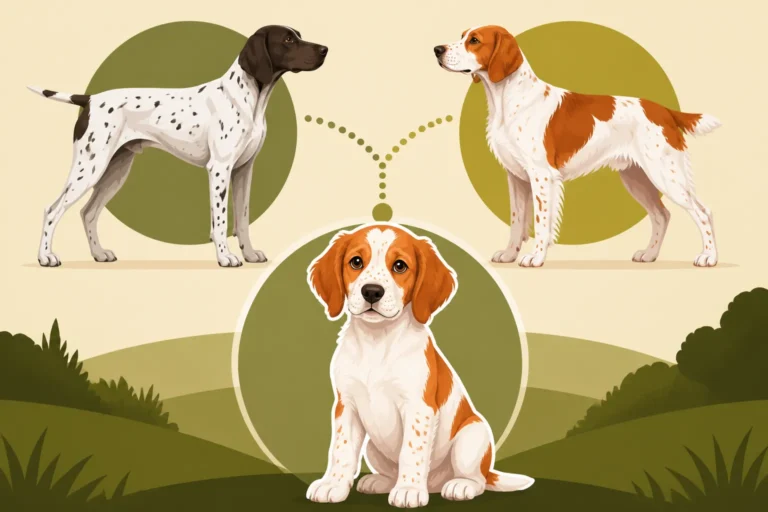
For more on how breeding background can shape a dog’s likely range and style, American Brittany and Epagneul Breton Went Separate Ways offers useful context. Even within those broad types, individual dogs vary. A label can start a conversation, but it shouldn’t replace one.
Why many Brittanys may never go hunting
Modern homes offer other outlets for a sporting dog
Many people choose a Brittany because they want an athletic, affectionate companion—not because they plan to hunt. A dog can enjoy hiking, running, scent games, obedience, or other activities that engage its body and nose. Those pursuits don’t make the dog a hunter, but they may give it meaningful work and help prevent boredom.
This distinction matters because a Brittany’s energy and instincts do not disappear when it lives as a pet. Owners still need to offer suitable exercise, training, and chances to explore safely. A short leash walk may not be enough for every dog, especially if it is young and full of energy. On the other hand, “high energy” does not mean every Brittany needs to hunt. Needs depend on the individual dog and the routine its household can provide.
Some owners build a satisfying routine around weekend hikes and daily training. Others join scent-work or obedience classes. A dog that spends hours alone with little activity may struggle, regardless of whether it ever sees a bird. If you’re weighing the breed’s needs against your household, Whether a Brittany Suits a First Time Owner is a helpful companion topic.
Access and logistics can make hunting difficult
Hunting takes more than owning a dog with the right instincts. Owners may need access to suitable land, knowledge of local rules and seasons, time to travel, safe transport, and the right equipment. They also need to condition the dog and keep an eye on its health in the field. For someone who works long hours or lives far from hunting opportunities, regular outings may simply be impractical.
A person may still give a Brittany plenty of exercise and training without hunting. If the dog does go afield, preparation matters: owners should consider heat, water, cover, footing, and the dog’s fitness. Field days can expose a dog to cuts, burrs, ticks, and other problems that are less likely on a familiar neighborhood route. What to Check on a Brittany After Every Outing covers the practical post-activity checks that can help owners notice trouble early.
Everyday supplies and specialist field gear are not interchangeable. For routine food or basic care items, some owners compare options at Chewy, while hunting-specific equipment usually requires checking whether it suits the terrain and the dog. Chewy can be one place to look for everyday replenishment, but it doesn’t replace learning how to safely handle a dog in the field.
A Brittany can be a companion without being a failed hunting dog
It’s easy to assume that a dog is being underused if it never hunts. That isn’t automatically true. A non-hunting Brittany can have a full, enriching life when its physical and mental needs are met. Likewise, a dog that hunts occasionally may have a very different routine from one that works regularly through a season.
The important question is not whether every Brittany fulfills a traditional role. It’s whether the dog has a lifestyle that fits its temperament and needs. Some dogs thrive with regular bird work; others are content with exercise, training, and family life. Owners should be honest about the time and space they can offer before choosing the breed, rather than assuming a yard or occasional outing will automatically meet every dog’s needs.
If you’re planning for a Brittany’s care, Chewy may be useful for comparing everyday food and grooming supplies. For dogs that do hunt, owners should also plan for field-specific care, including water, tick checks, and checking the feet after rough ground. Chewy is a general shopping option, not a substitute for advice from a veterinarian or an experienced local hunting mentor.
How to find out whether a Brittany is suited to hunting
Ask about the individual dog, not just the breed
If you’re considering a Brittany as a hunting partner, speak with breeders or rescue organizations about the specific dog. Ask what the dog has experienced, whether it has been introduced to birds, how it responds to new environments, and whether it has any known fears or health limitations. A young puppy may show interest in scent and movement without being ready for formal hunting work.
It’s also helpful to meet adult dogs from the lines you’re considering. Watch how they move, respond to their handler, and settle after activity. Ask the owner what a typical week looks like. “Hunts” can mean anything from occasional outings to a central part of the dog’s working life, so ask what that looks like in practice.
A responsible breeder should be willing to discuss both strengths and limitations. Good bird drive alone does not guarantee easy handling, a suitable range, or a dog that fits your household. If you want a companion first, be clear about that. If you want a dog to hunt regularly, explain your experience and the kind of hunting you expect to do.
Build a realistic picture of the work involved
Hunting with a dog involves training and management beyond simply opening a truck door at a field. A dog needs a reliable relationship with its handler, appropriate conditioning, safe exposure to birds and hunting situations, and care before and after outings. Some owners learn through a club or experienced mentor; others work with a trainer. The right path depends on the dog, the owner’s goals, and local conditions.
Start by learning the basics before expecting a young dog to perform. Keep early sessions positive and appropriate for its age. Avoid pushing through fear or confusion, especially around loud noises or unfamiliar situations. If the dog shows signs of distress, pause and seek help from a qualified trainer rather than assuming it will simply grow out of it.
For the owner who won’t hunt, that same planning can be redirected toward other activities. A Brittany can learn scent games, trail manners, recall, and calm behavior at home. Enrichment does not have to imitate a hunt exactly; it should give the dog a safe and satisfying way to use its abilities.
Judge the dog’s life by its routine, not a label
Whether most Brittanys are hunted today is a reasonable question, but the evidence does not support a firm percentage. The breed remains closely associated with bird work, and many Brittanys still hunt or train in the field. Many others live as active companions, and some take part in organized dog activities without hunting live birds.
When you meet a Brittany, ask what that individual does. “Hunting dog” may describe its heritage, its training, or its regular work—and those are not interchangeable. A clear picture of the dog’s routine, experience, and needs will tell you much more than the breed label alone.
Disclaimer
This article is for general informational purposes only and does not constitute professional advice. Laws, prices and regulations vary by location and change over time. Consult a qualified professional for guidance on your specific situation.