Whether Breeders Objected to Dropping Spaniel
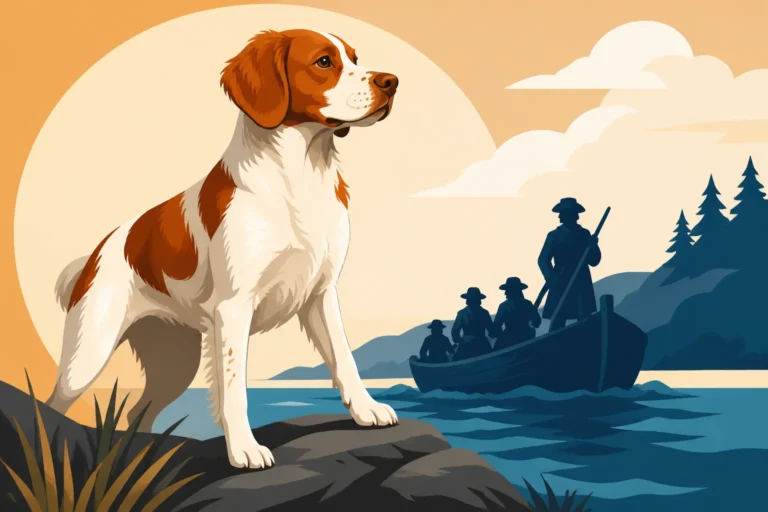
When the American Kennel Club dropped “Spaniel” from the breed’s name, some Brittany breeders may have preferred the familiar older label. But the change was not simply a rejection of tradition: it helped distinguish a pointing dog from the flushing spaniels many people pictured when they heard the word. Here’s what the decision meant, why reactions could differ, and why both names still appear today.
Why the word Spaniel became a sticking point
A name that suggested the wrong kind of hunting
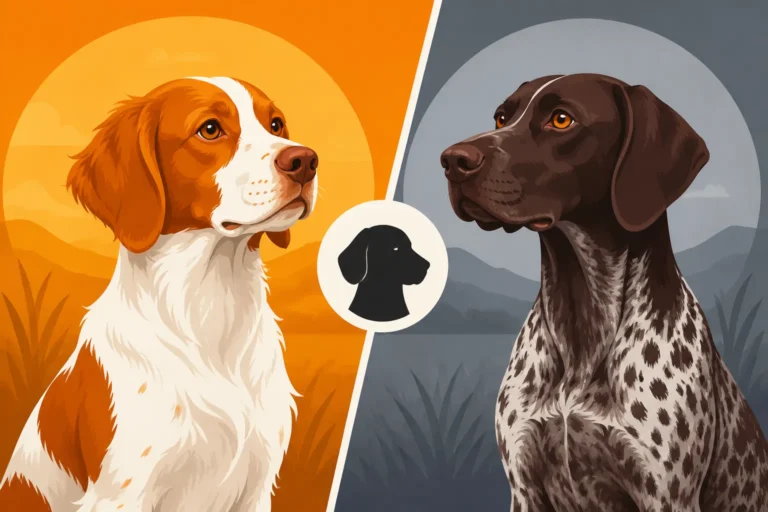
For many people, “spaniel” brings to mind a dog that flushes birds from cover. A Brittany, by contrast, is a pointing breed: it locates game and indicates its presence by pointing, giving the hunter a chance to approach before the bird is flushed. That difference matters in the field, even if a casual conversation about dog breeds does not always make it obvious.
The older name, Brittany Spaniel, reflected the breed’s French name, Épagneul Breton. But English-language breed names do not always map neatly onto a dog’s hunting style. In the United States, the word “Spaniel” could lead prospective owners, hunters, and even people browsing breed information to expect a flushing dog rather than a pointing one.
That mismatch was frustrating for people trying to explain what their dogs actually did. A hunter describing a Brittany as a pointing dog might first have to clarify that, despite the word in its name, it did not hunt like the spaniel someone had in mind. Dropping the word made the American name shorter and, to supporters, clearer.
For a closer look at the official decision and its background, see Why the AKC Dropped Spaniel From the Brittany's Name in 1982 and Why the AKC Changed the Brittany's Name.
The breed’s working identity mattered
A breed name is more than a label on a registration form. It can shape expectations about how a dog looks, behaves, and works. For breeders and hunters who valued the Brittany as a versatile pointing dog, emphasizing “Brittany” helped foreground the breed identity they wanted people to understand.
That distinction could matter when talking with someone choosing a dog for hunting. A person looking for a dog to quarter the field and point birds might overlook the breed if “Spaniel” led them to think of a different working style. Conversely, someone seeking a flushing spaniel might contact a Brittany breeder with expectations that did not match the dog’s typical role.
This does not mean a Brittany cannot flush a bird in a particular situation, or that every dog performs identically. It means pointing is central to the breed’s identity, while the word “Spaniel” can suggest a different primary task. The name change helped reduce that ambiguity for American audiences.
Why the French name did not settle the question
The French name Épagneul Breton has a long linguistic and historical connection to the term “spaniel.” That history helps explain why the older English name existed in the first place. It does not, however, mean that every kennel club or national breed organization must use the same English label.
Breed names can vary across countries, registries, and everyday conversation. A name that fits one language’s conventions may create confusion in another. The American decision was therefore about how the breed would be identified in a particular registry and culture, not necessarily an attempt to erase its French history.
For more context on the breed’s French name and origins, read What Epagneul Breton Means and Whether the Brittany Is a Spaniel at All.
Did breeders object to dropping Spaniel
There was not one reaction shared by every breeder
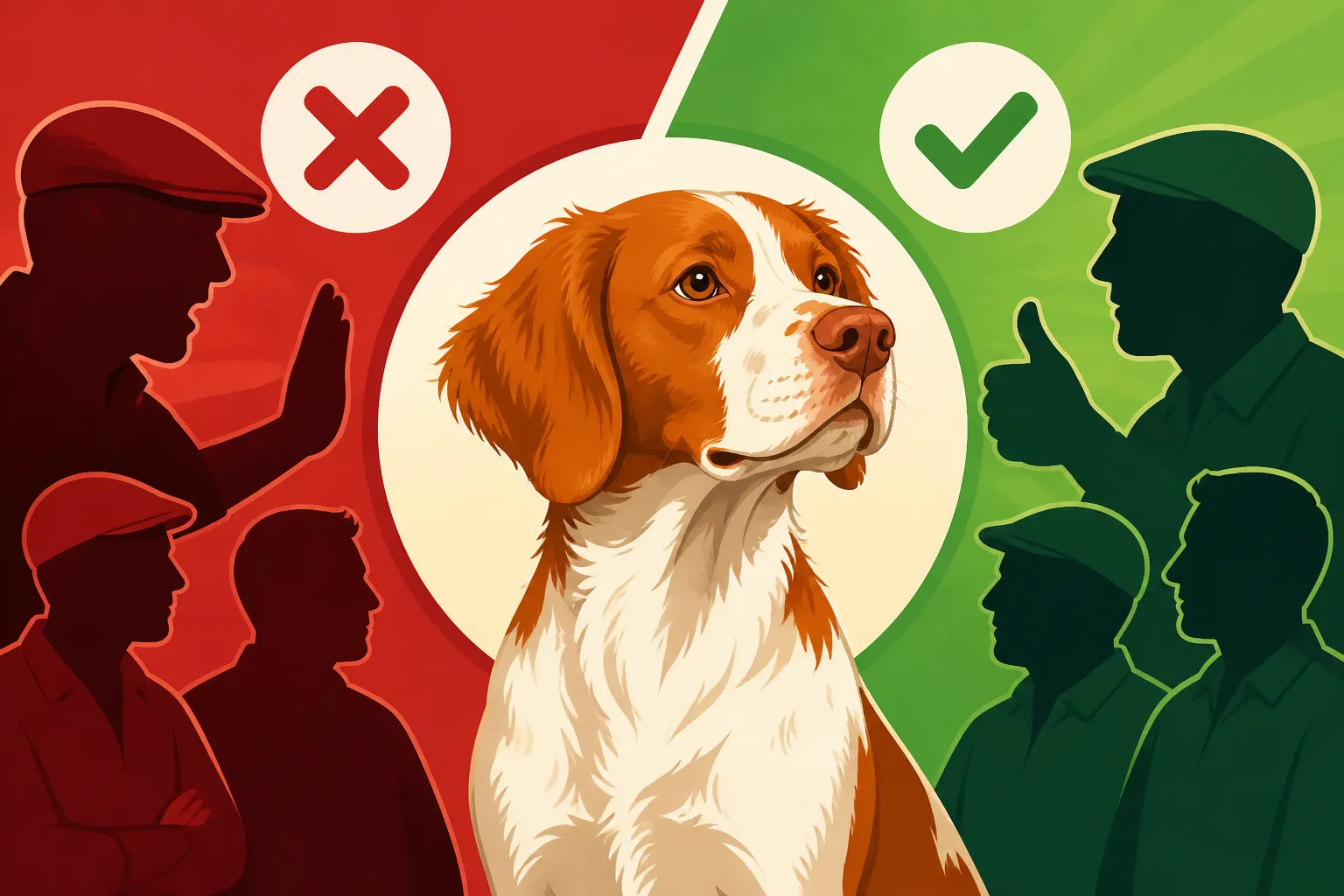
It is tempting to imagine a clean split: one group of breeders welcomed the shorter name, while another fought to keep the old one. In reality, breeders are not a single voting bloc with identical priorities. Some may have supported the change because it clarified the dog’s pointing role. Others may have been attached to “Brittany Spaniel” because it was the name they had used for years, or because it reflected the breed’s French name.
The available historical context supports a practical explanation for the change, but it does not justify claiming that all breeders agreed with it—or that a large, organized breeder revolt took place. Unless a specific letter, meeting record, or first-person account is in view, it is more accurate to describe the possibility of differing opinions than to present a dramatic controversy as established fact.
Even without formal opposition, people can keep using a familiar name. A breeder who had spent decades saying “Brittany Spaniel” might naturally continue to use it with clients, hunting companions, and in personal records. That kind of persistence is not the same as rejecting the registry’s official terminology.
The distinction between objecting and continuing to use the old name
When people ask whether breeders objected, they may mean different things. They might be asking whether breeders publicly protested, whether the breed club opposed the change, or whether individual breeders simply continued to say “Brittany Spaniel.” Those are separate questions and should not be treated as interchangeable.
| What people may mean by objection | What it can indicate | What it does not prove by itself |
|---|---|---|
| A formal protest or public statement | Organized disagreement by a person or group | That most breeders opposed the change |
| Continued use of “Brittany Spaniel” | Familiarity, tradition, or preference | A campaign to reverse the registry decision |
| Use of the French name Épagneul Breton | Connection to French terminology and history | Opposition to the American name |
| Use of “Brittany” in registration or breed records | Compliance with the registry’s naming convention | That the person never uses the older name in conversation |
This distinction is useful when reading old advertisements, pedigrees, club materials, or family hunting stories. A document that uses “Brittany Spaniel” may simply reflect the wording common at the time. It does not automatically reveal what its author thought about the later change.
For a more specific look at the name decision and the people associated with it, see Who Pushed for the Brittany Name Change. The background also connects to When the AKC Dropped Spaniel From the Brittany's Name.
Why some breeders could favor the shorter name
Breeders who supported “Brittany” may have viewed the word “Spaniel” as a source of needless confusion. If a name regularly prompts a correction about whether the dog points or flushes, removing the confusing word can make introductions easier. It also puts the breed’s distinct identity in the foreground rather than asking people to reconcile two different hunting traditions.
The shorter name can be especially practical in the field. Imagine a hunter telling a new partner, “I have a Brittany.” That person may still ask what the dog does, but the name no longer includes a word that strongly suggests a flushing spaniel. The dog’s working style can then be explained directly: it is a pointing dog, and it searches for birds with the hunter.
Other breeders might have felt the change was unnecessary. To them, the full name had history and was already understood within their community. Both reactions can be reasonable. A change may solve a real communication problem for some people while still feeling like an avoidable break with tradition to others.
Why both Brittany and Brittany Spaniel are still used
Official registry language and ordinary speech serve different purposes
The American Kennel Club’s use of “Brittany” does not instantly erase “Brittany Spaniel” from everyday English. People often preserve older names long after a registry or organization adopts a new one. A family might call its dog a Brittany Spaniel because that is the term it learned from a parent, a breeder, or a longtime hunting partner.
The two forms also appear in different contexts. Someone may use “Brittany” when discussing American registry records, but say “Brittany Spaniel” while explaining the breed to a person unfamiliar with it. In ordinary conversation, adding “Spaniel” can function as a familiar historical label—even when the speaker knows that the official American name is shorter.
That overlap can be confusing for new owners doing research. If one book says “Brittany Spaniel” and another says “Brittany,” they may wonder whether the sources are describing separate breeds. In many cases, they are referring to the same breed under different naming conventions.
To understand how people use the terms now, see Whether People Still Say Brittany Spaniel and Whether Brittany Spaniel Is Still Correct.
Searching historical records takes a little flexibility
A name change can complicate research. Old kennel advertisements, pedigrees, books, and family documents may use the older name, while later American records may use “Brittany.” Searching with only one term can leave useful material hidden.
If you are tracing a dog’s lineage or looking into the history of a breeding kennel, try both forms. You can also look for the French term Épagneul Breton where it is relevant. Check the dates and the registry named in a record before drawing conclusions from its wording.
This simple search approach prevents a common misunderstanding: that the word choice alone proves someone was speaking about a different type of dog. Instead, treat the name as one piece of context. The date, country, registry, and description of the dog’s work all help establish what a source means.
For additional history, Whether People Still Say Brittany Spaniel offers a useful companion topic, while When the First Brittany Was Recorded can help place older references in context.
How to talk about the name without overstating the dispute
A clear, careful way to explain it
If someone asks why a breeder or old document says “Brittany Spaniel,” a straightforward answer is that the phrase is the older English name and remains familiar to many people. In the United States, the AKC adopted “Brittany” as the breed name, in part to distinguish this pointing dog from the flushing spaniels the longer name might bring to mind.
If someone asks whether breeders objected, avoid turning a plausible difference of opinion into a claim of widespread conflict. You can say that individual breeders may have preferred the older, traditional name, while the shorter form better emphasized the breed’s pointing identity for others. Unless you have evidence of a specific organized objection, it is safer not to claim that breeders as a whole resisted the change.
That careful wording is not evasive. It recognizes that the name mattered to people for different reasons, while distinguishing documented institutional decisions from assumptions about every breeder’s private view.
The name does not determine what the dog is like
Whether someone says Brittany or Brittany Spaniel, the name alone does not tell you how an individual dog hunts, behaves at home, or fits a particular household. Those questions are better answered by learning about the breed’s history, temperament, and working style, and by talking with a knowledgeable breeder or owner.
The lasting lesson is that breed names can carry both history and practical meaning. The older term connects the breed to its French name and to generations of familiar usage. The shorter American name avoids one source of confusion and highlights the dog’s identity as a pointing breed. Neither fact requires claiming that every breeder felt the same way about the change.
Understanding both names makes it easier to read historical material, talk with experienced owners, and recognize that a difference in wording does not necessarily mean a difference in breed.
Disclaimer
This article is for general informational purposes only and does not constitute professional advice. Laws, prices and regulations vary by location and change over time. Consult a qualified professional for guidance on your specific situation.