Whether English Sportsmen Left Dogs Behind in Brittany
It's a common and fascinating question that sparks the imagination of many Brittany enthusiasts: did English sportsmen, perhaps on grand hunting tours, leave some of their prized dogs behind in the quaint, rural region of Brittany, thus influencing the development of our beloved pointing breed? While the idea paints a vivid picture, the true origins of the Brittany are steeped in a mix of local tradition, practical necessity, and a bit of historical mystery. This guide aims to peel back the layers of legend and historical record to examine the likelihood of English canine contributions to the Brittany's unique lineage.
The Enduring Question of Brittany Ancestry
The Brittany, or Epagneul Breton as it's known in its homeland, has a history that stretches back centuries, yet its formal recognition as a distinct breed is relatively recent. For generations, dogs that fit the general "Brittany type" were common working companions in the region. Their adaptable nature and keen hunting instincts were honed by the practical needs of the local populace, not necessarily by formal breeding programs as we understand them today.
The Allure of a "Lost Dog" Story
There's something inherently romantic about the idea of a foreign influence shaping a local treasure. Tales of English nobles or wealthy sportsmen traveling to the picturesque countryside of Brittany for hunting excursions, perhaps leaving behind a few of their exceptional setters or pointers, are captivating. It suggests a confluence of different bloodlines, leading to a superior offspring. This narrative often appeals because it offers a clear, dramatic point of origin, rather than the slow, organic evolution that often characterizes working breeds. It feels like a plausible explanation for the Brittany's remarkable bird sense and athleticism.
Why Tracing Origins Is So Complex
Pinpointing the exact ancestry of any dog breed developed before the advent of modern kennel clubs and meticulous record-keeping is incredibly challenging. Before formal breed standards and registration, dogs were primarily bred for function. A local farmer or hunter would breed the best working dogs they had, or those of a neighbor, with little thought for pedigree charts or "pure" bloodlines. The goal was simple: a dog that could find and retrieve game efficiently. This informal breeding means that many theories about early influences, while plausible, often lack definitive proof, relying instead on anecdotal accounts, artistic representations, and assumptions about historical travel patterns. The question of How Old the Brittany Breed Is further complicates these discussions, as the 'breed' itself evolved from a type of dog.
Life and Hunting in Historical Brittany
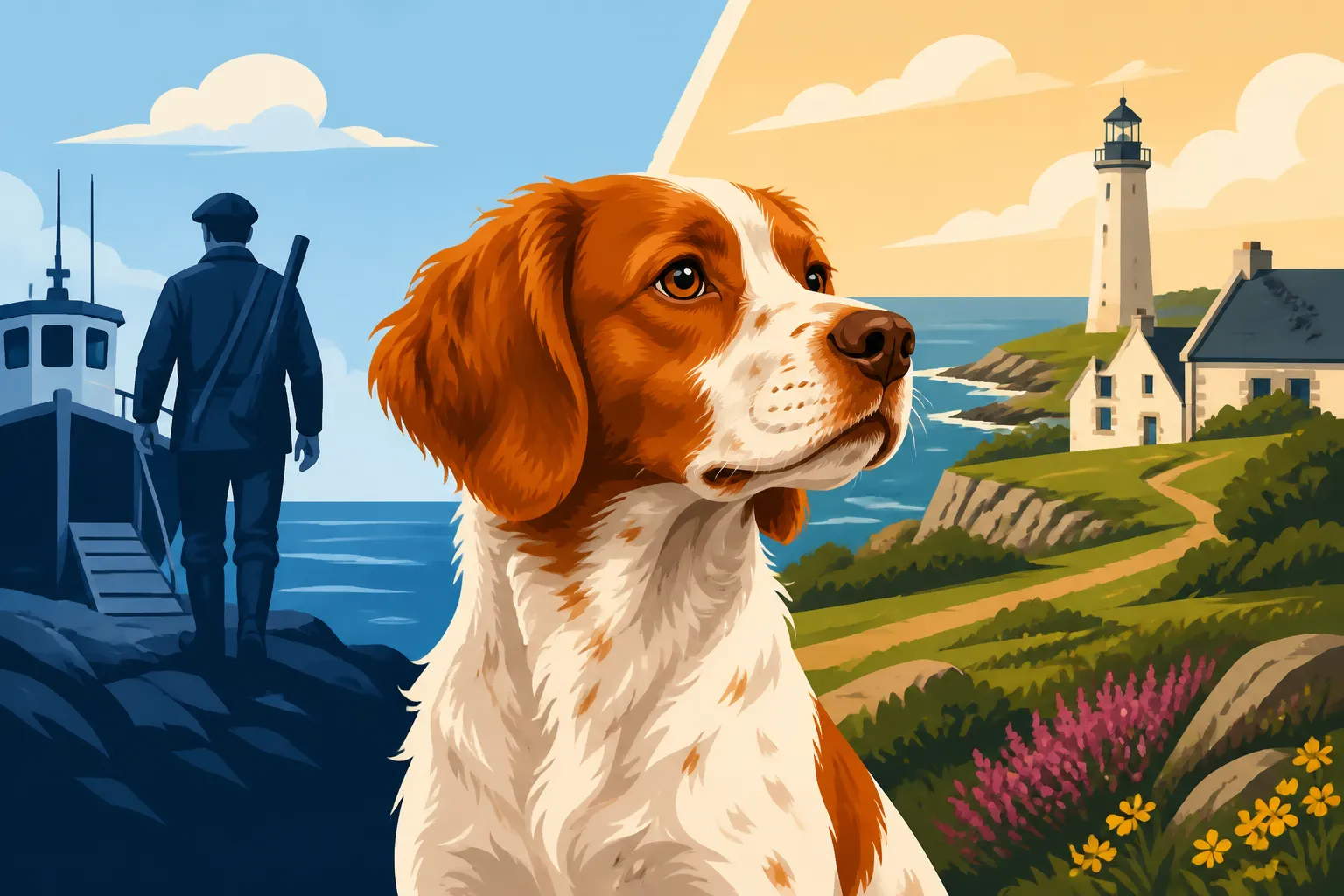
To truly understand the Brittany's origins, we need to transport ourselves back to the rugged, often impoverished, landscape of 17th, 18th, and 19th-century Brittany. This wasn't a land of grand estates and formalized hunts for sport alone; it was a region where every resource counted, and a dog's primary purpose was to help put food on the table.
The Harsh Realities of Breton Peasant Life
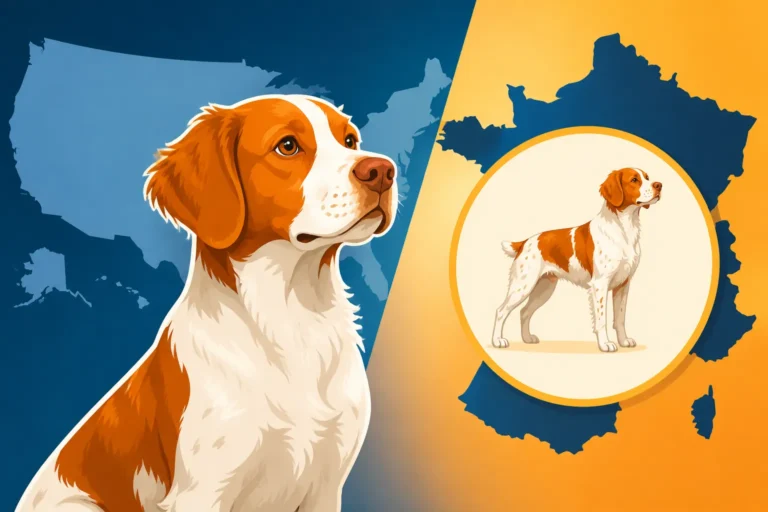
The Brittany Comes From the Northwest Corner of France, a region historically characterized by its self-sufficiency and distinct cultural identity. Life for the average Breton peasant or small farmer was arduous. Resources were scarce, and survival often depended on maximizing every opportunity for sustenance. This meant hunting wasn't just a pastime for the elite; it was a crucial activity for supplementing diets. A dog, therefore, wasn't a luxury pet but a vital working partner, expected to earn its keep by helping to secure game. Dogs that weren't effective hunters or were too difficult to manage simply wouldn't be kept or bred.
How Local Hunters Relied on Their Dogs
The hunting methods of the time were often pragmatic and resourceful. Local hunters, typically on foot, needed dogs that could cover ground, locate game birds, and hold them steadfastly until the hunter could approach. These were not typically wide-ranging dogs meant for horseback hunting over vast open plains, but rather companions suited to the varied terrain of hedgerows, small woods, and open fields common in Brittany. They needed to be biddable, intelligent, and possess an inherent desire to find birds. The very definition of What the Peasants of Brittany Used the Dog For underscores this practical application, often involving methods like poaching under nets, where a steady, close-working dog was paramount. These dogs were selected for their ability to contribute directly to the family's survival, a far cry from the criteria for a modern show dog. When considering equipment for such dogs today, one might look to reliable sources like Chewy for sturdy leashes or basic field first-aid supplies, but in historical Brittany, ingenuity and local materials were the only options.
The "English Dogs Left Behind" Theory Examined
The idea that English dogs played a role in the Brittany's development is perhaps the most popular foreign influence theory. It certainly has a superficial appeal, given the excellence of English sporting breeds.
What the Theory Suggests
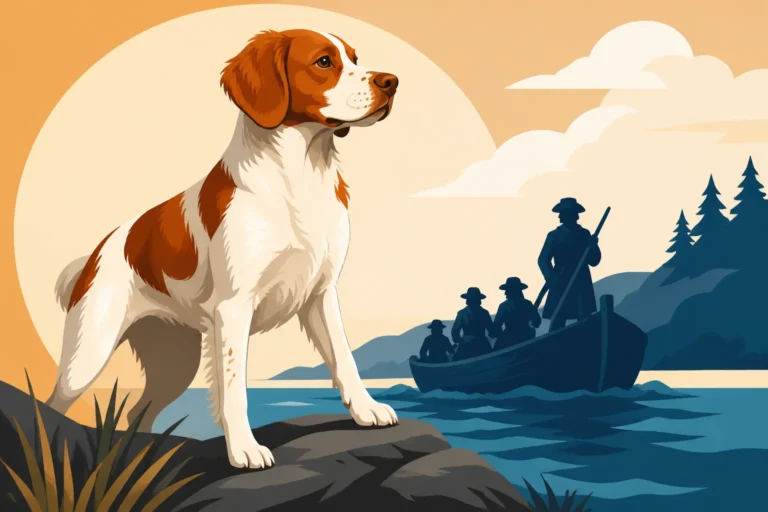
The core of this theory posits that English noblemen, or wealthy hunters, would travel to Brittany, particularly coastal areas, for hunting vacations. They would bring their well-bred gun dogs, likely English Setters, Pointers, or various types of spaniels, to assist them. As their holidays concluded, some of these dogs might have been "lost," "left behind," or even purposefully given to local people. These imported dogs, with their superior hunting abilities and distinct physical traits, would then have interbred with the native Breton dogs, introducing new genetics and refining the local population towards the characteristics we now associate with the Brittany. The theory often suggests that these English dogs contributed to the Brittany's strong pointing instinct and elegant movement.
The Types of English Dogs Implicated
When people talk about English influence, the breeds most frequently mentioned are the English Setter, the English Pointer, and various land spaniels (though perhaps less frequently, given the Brittany's pointing style).
- English Setters: Known for their beautiful flowing coats, graceful movement, and strong bird sense, setters could have introduced more refined pointing abilities and a certain elegance. The Brittany's feathering and gentle disposition can sometimes draw comparisons.
- English Pointers: Renowned for their intense, high-headed point, Pointers are powerful hunting machines. Their influence might explain the Brittany's strong, classic point.
- Spaniels (e.g., Welsh Springer Spaniel): While the Brittany points rather than flushes like most spaniels, the term "Epagneul" in its French name means "spaniel." The historical context of spaniel-type dogs as general bird dogs makes their inclusion plausible, perhaps contributing to the Brittany's smaller size and dense coat. The question of Whether the Brittany and the Welsh Springer Share Blood is a common one, given some physical similarities.
It's important to remember that these English breeds themselves were still evolving during this period. The "English Setter" of the 18th century might look quite different from the English Setter of today, and certainly different from what was shown in the first dog shows.
Historical Evidence and Counterarguments
While the theory of English dogs is compelling, historical records and the breed's functional development offer alternative perspectives and important nuances.
Glimpses from Early Records and Art
Direct, irrefutable evidence of English dogs being left en masse in Brittany and significantly contributing to the breed's foundation is scarce. We do have paintings and texts from the 17th to 19th centuries that depict dogs working birds in the region. These often show small, spaniel-like or setter-like dogs, but they don't explicitly identify them as English imports or their direct descendants. Rather, they suggest a type of dog that was common in western Europe, adapted for hunting birds. One could argue that Which Seventeenth Century Painting Shows a Brittany Type Dog offers a visual record, but attribution to English influence remains speculative.
Furthermore, travel between England and Brittany, while it occurred, wasn't necessarily so frequent or widespread among the hunting class that it would lead to a significant genetic influx into the local dog population. The logistical challenges of transporting dogs in that era, combined with a desire to keep valuable breeding lines intact, might also limit the number of dogs truly "left behind."
The Strong Case for Indigenous Development
The prevailing and most widely accepted theory among breed historians points to the Brittany largely developing from indigenous dogs within the region. These were local "land spaniels" or "fowlers" that had been bred for generations by local hunters.
- Local Adaptation: The dogs were perfectly adapted to the terrain and hunting styles of Brittany. They were robust enough for fieldwork but small enough to be economical to keep. Their close-working nature was ideal for foot hunters in varied cover.
- Functional Selection: Breeding was driven by functional excellence. The dogs that performed best in the field, finding birds, holding point, and retrieving, were the ones chosen for breeding. This natural selection process, over many generations, would naturally refine a local type of bird dog.
- The Role of Pontou: A pivotal moment often cited in the Brittany's history occurred around 1850 in the village of Pontou. A famous mating between a white and fawn female (local, short-tailed, biddable) and a lemon and white male (likely a larger setter-type, maybe an English Setter, though this is debated) is often considered a key ancestral pairing for the modern Brittany. This event, where What Happened at Pontou in the 1850s occurred, indicates a specific, documented cross, rather than a broad, undocumented influx of "lost" dogs. It suggests that if foreign blood was introduced, it was perhaps a more deliberate, albeit informal, choice by local breeders to enhance certain traits. The question Where the First Brittany Cross Was Made points directly to this historical landmark.
Ultimately, the argument for indigenous development emphasizes that the Brittany's traits were primarily shaped by the specific environment and needs of its native region, with any foreign influence being either minimal, localized, or integrated over a much longer, less dramatic period.
The Emergence of the Modern Brittany
The journey from a locally adapted hunting companion to a formally recognized breed is a tale of dedicated individuals and evolving standards.
Key Milestones in the Breed's Formalization
The true formalization of the Brittany as a distinct breed began in the late 19th and early 20th centuries. This was a period when dog breeds across Europe were being cataloged, standardized, and registered by emerging kennel clubs. In Brittany, local enthusiasts, recognizing the unique qualities of their regional dogs, began to organize.
- Early Breed Clubs: Efforts to define and preserve the Brittany type led to the formation of breed clubs. When the French Brittany Club Was Founded marks a significant step, as these groups worked to establish a written standard.
- The Written Standard: This standard outlined the ideal physical characteristics, temperament, and working abilities of the Brittany. It was crucial for guiding breeders and distinguishing the Brittany from other pointing breeds. The development of When the Brittany Standard Was Written in France provided a blueprint for the breed, helping to solidify its identity and prevent it from being absorbed into other types of dogs. This also meant that breeders started consciously selecting for traits that aligned with the emerging standard, rather than just raw hunting ability.
These steps were essential in transitioning the Brittany from a generic "bird dog of Brittany" to the globally recognized breed we know and love today.
The Enduring Legacy of Local Selection
Despite the compelling nature of the "English dogs" theory, the overwhelming evidence suggests that the Brittany's core characteristics — its compact size, biddable nature, innate pointing ability, and versatile hunting style — are the result of centuries of practical, local selection. Hunters in Brittany, needing a reliable, close-working partner that could navigate varied terrain and secure game for sustenance, bred dogs that excelled at these tasks. Any occasional genetic input from outside breeds was likely integrated into this strong indigenous foundation, rather than forming its primary basis.
The Brittany's reputation for being "soft" and highly intelligent, responsive to gentle training, is also deeply ingrained in its history. This isn't just a temperament trait; it's a testament to generations of dogs being companions as well as hunters. Even today, finding the right training equipment, whether from local stores or online retailers like Chewy, is about leveraging these natural tendencies with positive reinforcement, honoring that deep history.
The Brittany is a testament to the power of functional breeding within a specific ecological and cultural context. While the romantic notion of lost English dogs is intriguing, the true story of the Brittany is perhaps even more remarkable: a breed shaped by the hands of everyday hunters, molded by the land itself, and enduring as a true working dog from its very roots. It's a breed that clearly stands apart, with a unique heritage that makes it Which Breeds Went Into the Brittany an ongoing subject of fascination.
Disclaimer
This article is for general informational purposes only and does not constitute professional advice. Laws, prices and regulations vary by location and change over time. Consult a qualified professional for guidance on your specific situation.