Whether a Brittany’s Tail Is Docked
One of the most distinctive features of the Brittany, for many people, is its short tail. This often sparks a lot of questions and sometimes even confusion, particularly for new owners or those unfamiliar with the breed's history and various standards. It's easy to assume every short-tailed dog has had its tail docked, but with Brittanys, the story is a bit more nuanced. This guide will dive deep into whether a Brittany's tail is typically docked, explore the reasons behind the practice, and illuminate the fascinating genetic variations that contribute to their unique appearance.
The Historical Context of the Brittany's Tail
To understand why Brittanys often have short tails, we need to take a little trip back in time and consider the evolution of working dog practices. It's not just about aesthetics; there were (and for some, still are) very practical reasons behind altering a dog's natural tail.
Why Docking Became a Practice
Historically, tail docking in many working breeds wasn't about fashion, but about function and injury prevention. Dogs that spent their days crashing through dense underbrush, navigating thorny thickets, or retrieving in heavy cover were prone to tail injuries. A long, whipping tail could easily get snagged, cut, or broken, leading to painful wounds that were difficult to heal in a pre-antibiotic era. For breeds like the Brittany, developed to be an energetic bird dog, running tirelessly through rough terrain, a docked tail was thought to reduce these risks significantly. Imagine a long, slender tail getting caught in barbed wire or repeatedly scraped raw by thick brambles while your dog is on a hot scent – it's easy to see why owners and breeders sought to prevent such occurrences. The thought was always to protect the dog, ensuring it could continue its work without debilitating injury.
The Brittany's Original Tail and Natural Bobtails
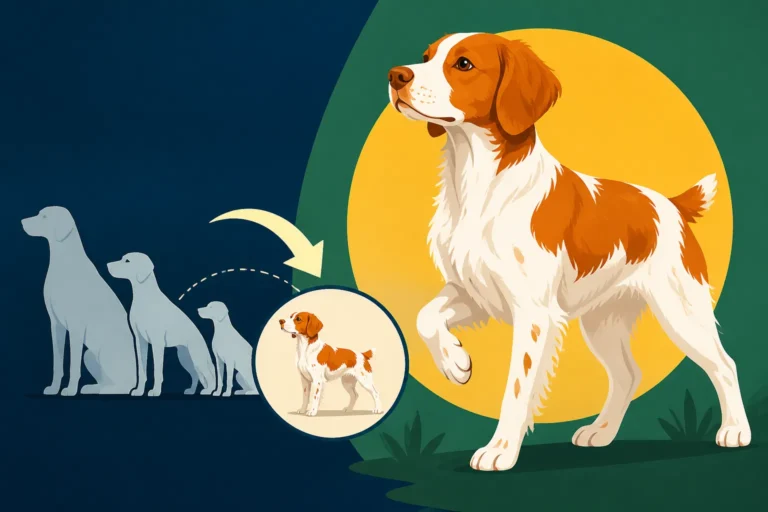
What makes the Brittany's tail story particularly interesting is that some of them don't need docking at all. The breed has a unique genetic trait: the natural bobtail. This means that a proportion of Brittany puppies are born with tails that are naturally short, ranging from just a nub to a few inches in length. This isn't a result of human intervention; it's simply how they arrive in the world. It’s a trait that has been present in the breed for generations, possibly even centuries, long before widespread docking practices became commonplace. When you see a Brittany with a very short tail, it's not always a given that a veterinarian performed a procedure. It could be a happy genetic accident, if you will, that aligns perfectly with the desired working appearance. In fact, many breeders value the natural bobtail, as it accomplishes the "short tail" look without any surgical intervention. If you're curious, you can learn more about how many Brittanys are born tailless.
The Modern Brittany Tail: Docking vs. Natural Bobtail
The discussion around the Brittany's tail isn't static; it evolves with changing cultural views, veterinary ethics, and regional legal landscapes. What's acceptable or standard in one part of the world might be frowned upon or even illegal in another.
The American Brittany Standard and Tail Length
In the United States, the American Brittany has historically been associated with a short tail. The American Kennel Club (AKC) breed standard for the Brittany specifically states that the tail should be "naturally short or docked" and not exceed four inches in length. This standard reflects the breed's working heritage, where a short tail was considered advantageous for field work. When most people envision an American Brittany, they picture that distinctively short, often wagging, tail. This means that if a puppy isn't born with a natural bobtail that meets the length requirement, breeders in the U.S. traditionally dock the tail shortly after birth, typically within the first few days. The procedure, when done by an experienced veterinarian at such a young age, is usually quick and relatively painless, often described as similar to a child losing their baby tooth. The goal is to ensure consistency with the breed standard and, from a working perspective, to mitigate potential injuries in the field. This standard contributes to the uniform appearance of American Brittanys at dog shows and field trials, a stark contrast to their European cousins. You might wonder, How Long a Docked Brittany Tail Should Be?
The French Brittany (Epagneul Breton) and Undocked Tails
Across the Atlantic, the situation for the Epagneul Breton (which is what the Brittany is called in its native France and much of Europe) is quite different. Many European countries have enacted bans or severe restrictions on cosmetic tail docking, viewing it as an unnecessary surgical procedure. As a result, French Brittanys are increasingly seen with full, undocked tails. The breed standard for the Epagneul Breton by the Fédération Cynologique Internationale (FCI) – the world canine organization that oversees many European kennel clubs – actually allows for a natural bobtail or a docked tail if legal. However, with docking becoming less common and often illegal, many Epagneul Bretons now sport their full, natural tails, which are typically quite lively and expressive. This difference is one of the most visible distinctions between the American Brittany and Epagneul Breton Went Separate Ways, showcasing how cultural and legal environments can lead to divergence in breed appearance. For hunters in Europe, this means adapting to a dog with a longer tail, perhaps taking extra precautions in dense cover, and certainly enjoying the full range of tail-wagging communication their dogs offer.
| Feature | American Brittany (AKC) | French Brittany (FCI – Epagneul Breton) |
|---|---|---|
| Tail Length | Up to 4 inches; naturally short or docked. | Natural bobtail or full tail (if docking is illegal/restricted). |
| Docking Practice | Common for non-bobtail puppies to meet standard. | Largely restricted or banned in many regions; less common. |
| Primary Driver | AKC breed standard for field work and conformation. | European legal regulations and ethical considerations. |
| Appearance | Consistently short-tailed. | Varied: short natural bobtails or full-length tails. |
| Hunting Style | Bred for wide range, short tail reduces entanglement. | Bred for closer work, full tail increasingly common in the field. |
The Practicalities and Controversies of Tail Docking
The debate surrounding tail docking is multifaceted, touching on tradition, utility, ethics, and animal welfare. For Brittany owners, understanding these perspectives is crucial.
The Argument for Docking in Working Brittanys
For those who actively hunt with their Brittanys, the argument for docking often comes down to preventing injury. A Brittany working in thick cover, such as briars, heavy brush, or corn stubble, uses its tail constantly for balance and communication. A long tail, whipping back and forth with enthusiasm, can quickly become a lacerated mess. These "happy tail" injuries, where the tail tip is repeatedly hit and opens up, can be incredibly difficult to heal due to the constant movement and poor blood supply at the tip. Infections are also a serious concern, especially when a dog is deep in the wilderness. Breeders and seasoned hunters who advocate for docking believe it's a preventative measure, akin to protecting a valuable tool. They see it as a responsible part of caring for a working dog, minimizing future pain and veterinary expenses. While opinions differ, the core of this argument is always rooted in the dog's well-being and its ability to perform its historical role without unnecessary suffering. This practical concern for preventing injuries in the field remains a strong driver for many in the American Brittany community. Some people also debate Whether a Brittany's Tail Affects Its Balance.
The Ethical Debate and Legal Restrictions
On the other side of the coin lies the ethical debate. Opponents of tail docking argue that it is a cosmetic procedure that inflicts unnecessary pain and removes a natural part of a dog's anatomy. They emphasize that dogs use their tails for balance, communication, and warmth, and that removing a portion of it can impact these functions, however subtly. Veterinary associations in many countries now oppose routine tail docking, advocating for it only when medically necessary. This growing ethical stance has led to widespread legal restrictions and bans on non-medical docking across much of Europe, including the UK, Australia, and parts of Canada. For example, in many European Union member states, docking is strictly forbidden, and dogs with docked tails cannot even be shown in conformation events. This shift has placed breeders and owners in a fascinating position, where tradition clashes with evolving animal welfare standards. For many, the choice is no longer just personal preference but a matter of compliance with the law and societal expectations. It's an important consideration for anyone bringing a Brittany into their home, particularly if they plan to travel internationally with their dog. This is why it's vital to research Whether Docking Is Banned Where a Brittany Owner Lives.
Living with an Undocked Brittany
If you're considering an Epagneul Breton or an American Brittany born with a full tail, it's wise to understand the specific care and considerations that come with it. It’s a bit different than having a short-tailed dog, especially for active field dogs.
Potential for Tail Injuries in the Field
While the argument for docking focuses on preventing field injuries, it's true that an undocked tail can be susceptible to scrapes, cuts, and even breaks when a Brittany is working hard in dense cover. A long, active tail is exposed to a lot more physical contact with sharp branches, burrs, and abrasive vegetation. Hunters with full-tailed dogs often become vigilant about checking their dog's tail after every outing, looking for any nicks, raw spots, or swelling. Sometimes, protective wraps or sleeves are used during hunting season to minimize the risk, though these can occasionally impede the tail's natural function and be uncomfortable for the dog. Owners need to be prepared for the possibility of minor tail trauma and know how to clean and care for small wounds. It's a trade-off: avoiding a birth procedure versus potentially dealing with field injuries later. However, with careful management and awareness of the terrain, many full-tailed Brittanys lead perfectly active and injury-free hunting lives.
Grooming and Care for a Full Tail
A full tail on a Brittany, just like the feathering on their legs and ears, will require a bit more attention when it comes to grooming. Brittanys have a fine, wavy coat, and their tails can develop longer feathering, which is beautiful but also a magnet for burrs, foxtails, and mud. After a hunt or even a vigorous romp in tall grass, you'll need to meticulously check and clean your Brittany's tail. Burrs, if left in, can pull and mat the hair, causing discomfort and potentially leading to skin irritation or infection. A good slicker brush or metal comb, perhaps one from Chewy, will become your best friend in keeping that tail free of debris. Regular brushing, even outside of hunting season, will help keep the feathering clean, prevent mats, and allow you to inspect the skin underneath. For some owners, a light trim of the tail feathering might be necessary to keep it manageable, particularly if the dog is constantly picking up detritus. This isn't about shortening the tail, but about managing the length of the hair to reduce entanglement.
Identifying a Brittany's Tail Type
So, you've got a short-tailed Brittany – how do you know if it's a natural bobtail or if it was docked? For the average pet owner, this might not be immediately obvious, but there are some tell-tale signs.
Distinguishing a Docked Tail from a Natural Bobtail
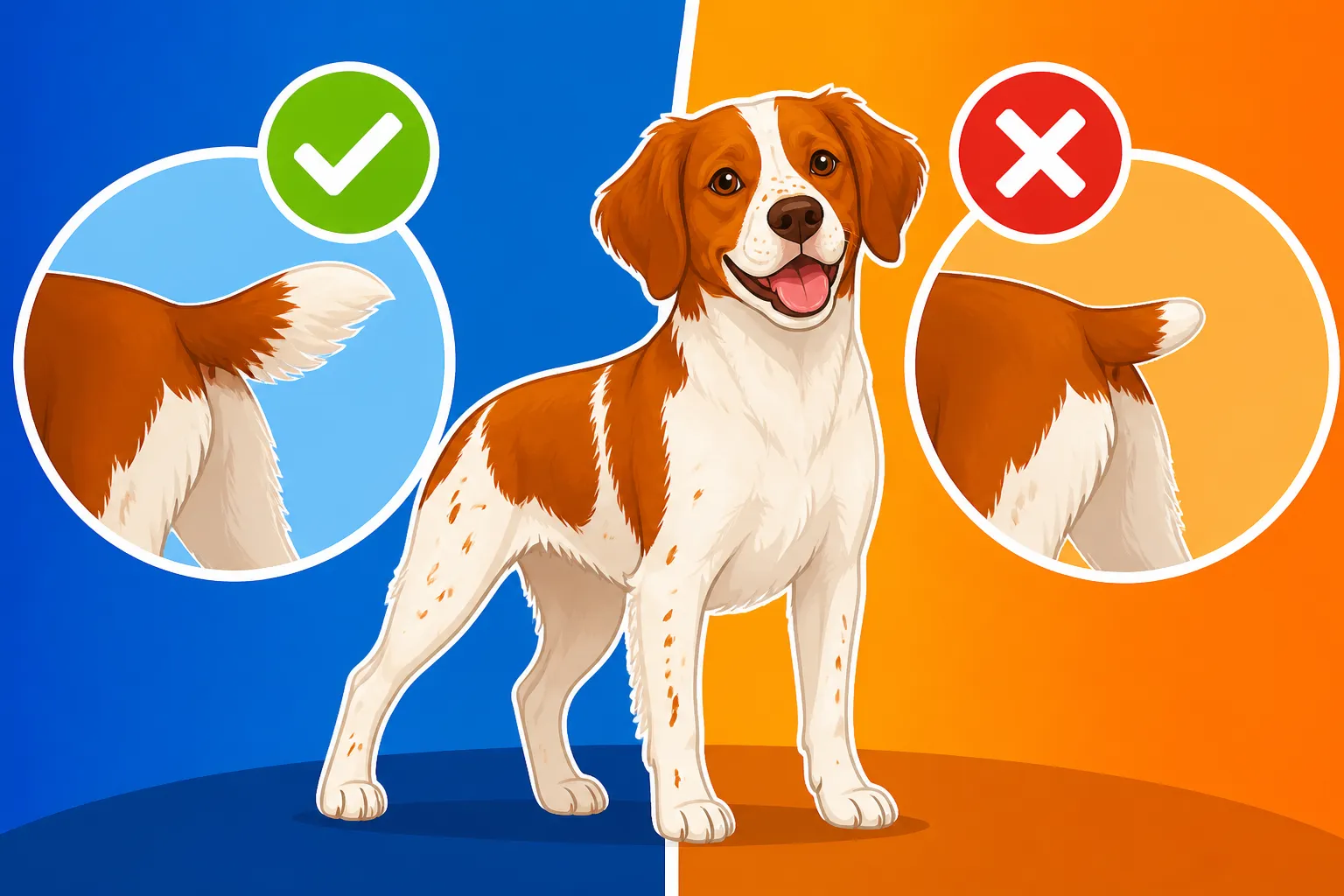
It can sometimes be challenging to tell the difference between a naturally short tail and a surgically docked one, especially if the docking was done expertly. However, there are a few clues to look for. A docked tail will typically have a clean, blunt end, often with a scar line that might be visible upon close inspection, especially if the hair is thin. The bone structure will usually feel abruptly truncated. The length is also often quite uniform among docked Brittanys due to adherence to the breed standard. A natural bobtail, on the other hand, can vary more in length and shape. Some might be just a tiny bump, while others might be several inches long, sometimes with a kink or a less uniform shape at the end, reflecting natural skeletal development rather than a clean cut. The tip of a natural bobtail will usually feel softer, without the hard, blunt edge often associated with a docked tail. Also, the muscle development around a natural bobtail might appear more symmetrical with the rump, whereas a docked tail might show a slight discontinuity. Understanding these subtle differences can give you insight into your dog's lineage. You can find more information about How Many Brittanys Are Born Tailless.
Genetic Testing for Natural Bobtail
For those who want definitive proof, genetic testing can provide the answer. There are DNA tests available that can identify the gene responsible for the natural bobtail trait. This test can determine if a Brittany carries one or two copies of the bobtail gene, or if it doesn't carry it at all. This is incredibly useful for breeders who want to understand the genetic makeup of their breeding stock and make informed decisions, especially if they are aiming to produce natural bobtails without resorting to docking. For pet owners, it can simply satisfy curiosity and provide peace of mind. Knowing your dog's genetic status regarding its tail is a modern way to connect with its unique heritage, confirming whether that charmingly short tail is a gift from nature or the result of a traditional practice. Many specialized veterinary labs offer these tests, and your own vet can guide you on how to submit a sample.
Breeder Responsibilities and Owner Choices
Navigating the world of Brittany tails means understanding what to expect from breeders and how to make informed decisions that align with your values and local regulations.
What to Expect from a Reputable Brittany Breeder
A reputable Brittany breeder will be transparent and knowledgeable about the tails of their puppies. They should be able to tell you if the litter contained any natural bobtails and, if so, which puppies have them. If puppies are not natural bobtails, and the breeder adheres to a standard that requires a short tail (like the AKC standard in the US), they will usually have the tails docked by a licensed veterinarian within the first few days of life. They should be open about this procedure and explain their reasoning, whether it's for conformation showing or for field work considerations. They should also be well-versed in the laws regarding tail docking in their specific region and ensure they are operating within those guidelines. If you are looking for an Epagneul Breton from a region where docking is banned, a reputable breeder will present puppies with full tails and be prepared to discuss the care involved. Always ask questions about their tail practices as part of your overall due diligence when choosing a puppy. A good breeder prioritizes health, temperament, and responsible practices, including transparent communication about physical traits. This might even be covered in What a Brittany Breeder Contract Requires.
Making an Informed Decision as an Owner
As a prospective Brittany owner, you have the opportunity to make an informed decision about the type of tail you prefer, or at least understand the implications. If you live in an area where docking is legal and prevalent, you'll likely encounter puppies with docked tails. If you prefer a full-tailed dog, you might need to seek out breeders of Epagneul Bretons or those who specifically breed for natural bobtails. It's also crucial to consider your lifestyle. If you plan for your Brittany to be a serious hunting dog, especially in challenging cover, the traditional argument for a shorter tail for injury prevention might resonate with you. If your dog will primarily be a companion animal, the potential for field injuries is less of a concern, and a full tail might be a welcome aesthetic and communicative feature. Researching Whether an Undocked Brittany Can Be Shown is also important if you have aspirations for the show ring. Ultimately, the decision involves weighing tradition, breed standards, ethical considerations, local laws, and your dog's future activities. Regardless of tail length, the Brittany's loving personality and keen bird drive will undoubtedly make it a cherished member of your family, whether its tail is a happy wagging stump or a graceful full plume.
Disclaimer
This article is for general informational purposes only and does not constitute professional advice. Laws, prices and regulations vary by location and change over time. Consult a qualified professional for guidance on your specific situation.